





 Portuguese
  English
  Spanish
  3 min of reading


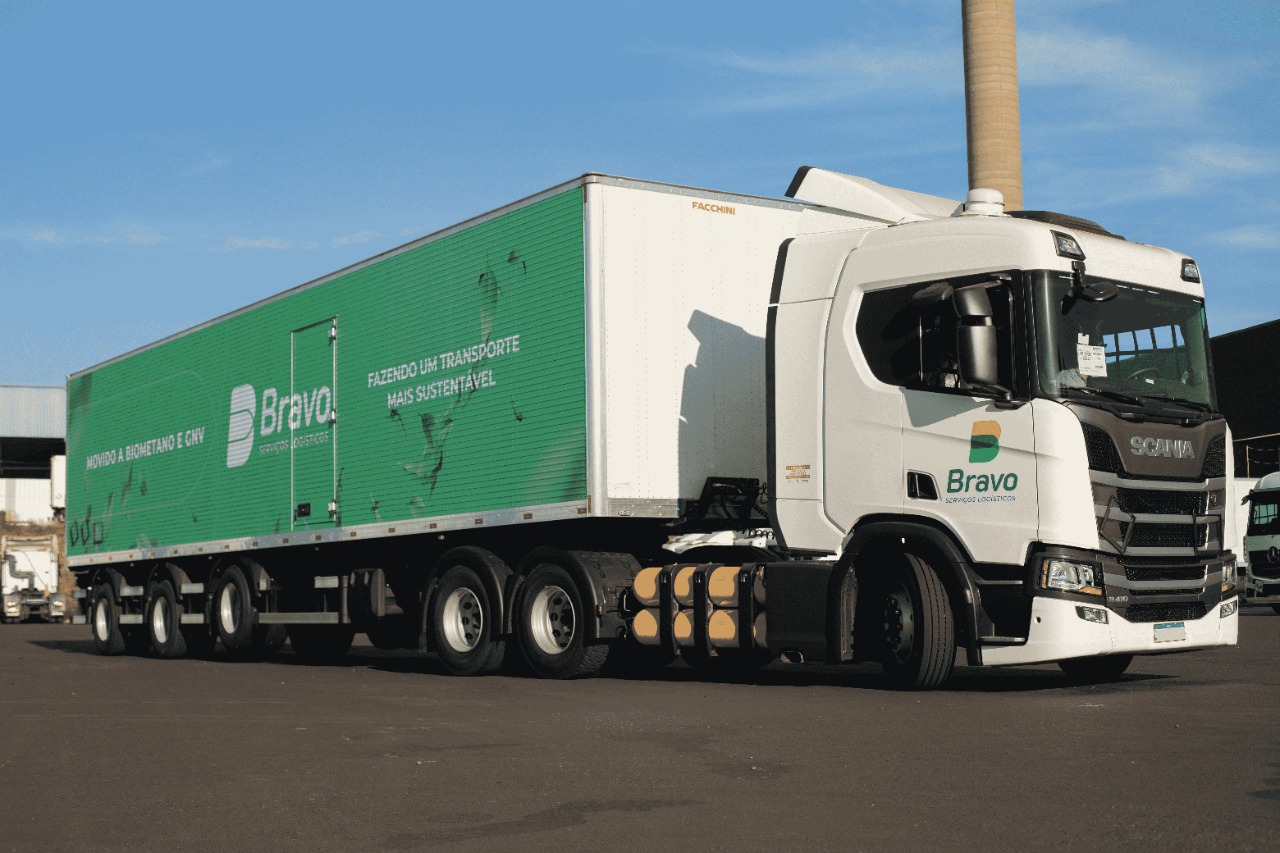
Thinking Not Only About Your Operations, But About The Environment, Bravo Serviços Will Incorporate Gas-Powered Trucks Focused On Biomethane. The Logistics Company Aims To Reduce Emissions Of Pollutants Released By Vehicles With Other Types Of Fuels.
On Thursday, (07/21), Bravo Serviços Logísticos announced that it will incorporate four Scania trucks powered by natural gas into its fleet, focusing on the reduction of pollutants that this type of fuel can provide. The vehicles will be fueled with biomethane, a renewable source, instead of using CNG, the compressed natural gas, which is a fossil source.
Bravo Partners With Geo Biogás & Tec To Conduct Tests On Gas-Powered Trucks
In this regard, Bravo Serviços has partnered with Geo Biogás & Tec for a pilot fuel supply test of the fleet. Over the past year, Bravo conducted a testing period with one of its vehicles, which operates on short-distance routes, that is, from the warehouse to the customer and back. The investment made was over R$ 3 million and also resulted in noise reduction.
“For us, it is gratifying to initiate an innovative project aligned with the Circular Economy. One of our strategies to reduce CO₂ emissions in transportation is to seek fuel alternatives, such as biomethane,” highlighted Viviane Ruza, Sustainability Manager at Bravo Serviços Logísticos. Moreover, with Otto cycle engine technology, these vehicles are 20% quieter than those powered by diesel, for instance.
-
Engineers propose a fourth traffic light for intersections – the change promises to affect crossings, queues, and waiting times.

-
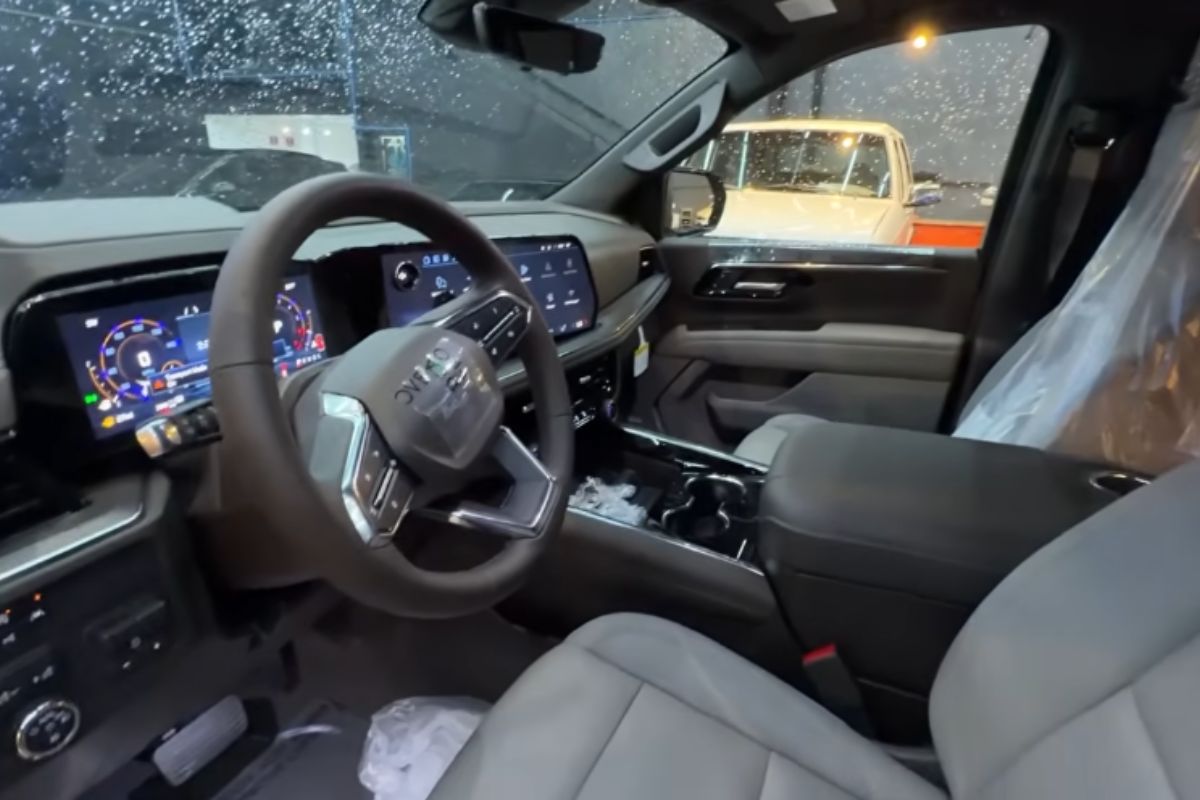
Chevrolet Suburban Z71 lands in Brazil with a V8 engine, off-road design, air suspension, seven seats, and colossal size, a rare version imported for around R$ 1.3 million with luxury and exclusivity.
-
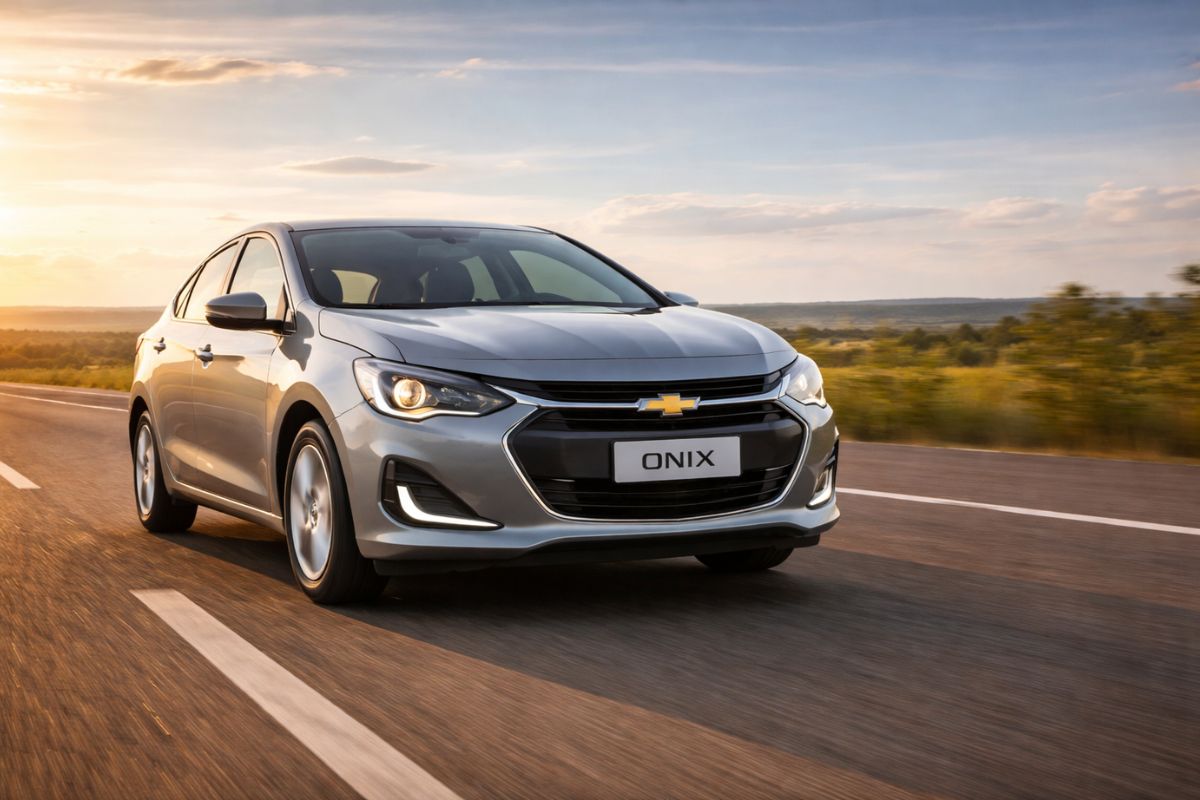
The Chevrolet Onix 1.0 turbo achieves 17.7 km per liter on the highway and ranks among the three most economical cars in Brazil in 2026, alongside two more expensive Toyota hybrids available at dealerships.
-
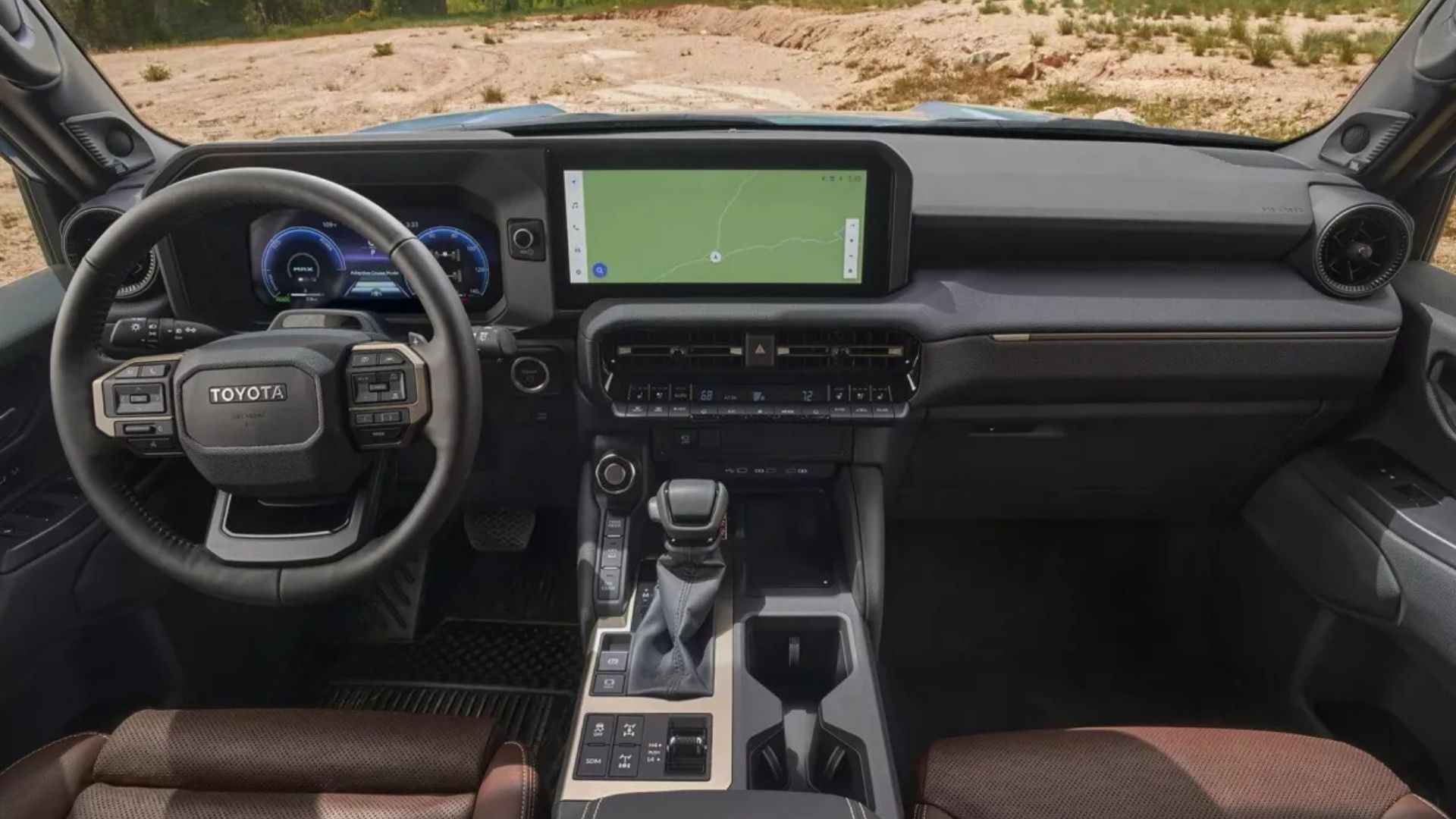
Little sister of the Hilux: Toyota launches Land Cruiser FJ with 4 radical versions, 2.7 engine with 166 hp and 4×4 traction with locking.

According to Alessandro Gardemann, CEO of Geo Biogás & Tech, biomethane is the clean and viable solution to decarbonize logistics transportation, one of the biggest challenges in the energy transition process toward clean sources in the next decade, which would be the best resource to be environmentally friendly.
Commitment To Decarbonization And The Environment Is The Company’s Focus
In this context, the OC13 Euro 6 (Proconve P8) engine of the Scania R 410 is one of the most modern for use with both CNG and biomethane. The reduction in emissions between the two types of gases occurs because the former is not a renewable source, even though it is abundant on the planet, for example, and the latter is a renewable source that promotes the so-called circular economy.
“Bravo is one of the companies committed to the decarbonization of its operations, betting on a solution that can completely replace fossil natural gas and mostly diesel, thus enabling a more sustainable operation for logistics transport,” claims Alessandro Gardemann.
Thus, biogas, being the basis for biomethane, is produced from organic waste discarded in nature by 100% of people, whether from materials discarded on farms, in industries, businesses, and homes, for example.
Therefore, there are many ways to repurpose organic waste; however, so far, almost all of it has been discarded in landfills, sewage systems, rivers, and oceans. With raw materials, this waste can generate both electrical energy and cleaner fuels for other vehicles, thereby improving the environment.
Biomethane is already widely produced in Europe and has recently begun to gain recognition in Brazil. For example, the company Raízen is one of the largest investors in this new industry, with plans for power plants for electric energy and, hopefully soon, for fuel as well.
According to Abiogás, Brazil currently has the capacity to be the largest producer of biomethane in the world and to replace 45% of diesel with renewable and Brazilian energy.









Seja o primeiro a reagir!