





 English
  Francês
  Alemão
  Italiano
  Japonês
  Norueguês
  Portuguese
  Spanish
  7 min of reading
  0 comments


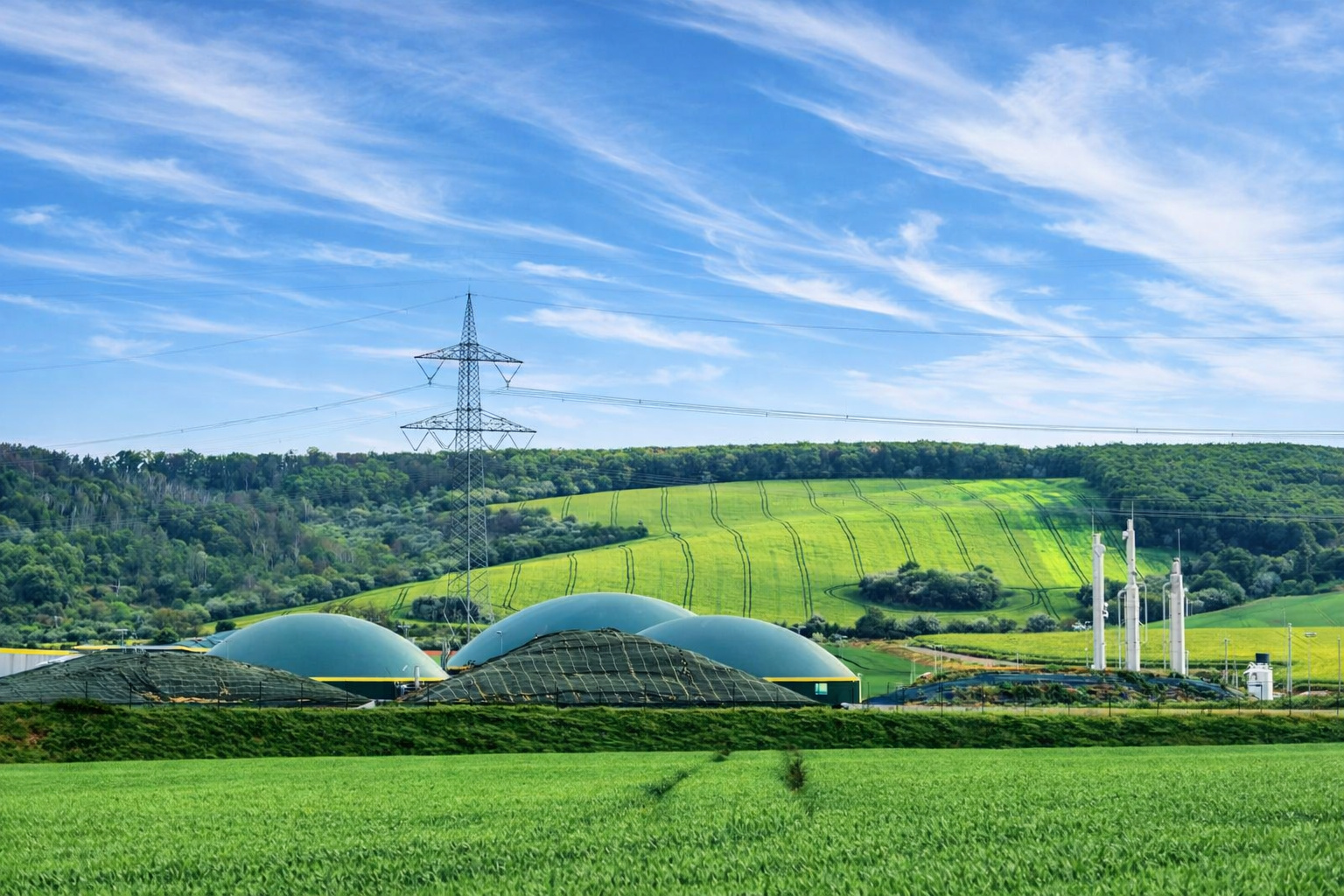
Specialists and authorities in the energy sector meet in Paraná to outline strategies for the advancement of biogas in the energy matrix, focusing on the replacement of diesel and the sustainable autonomy of national agriculture.
Foz do Iguaçu hosts this week one of the most strategic meetings for the future of renewable fuels, where the advancement of biogas in the energy matrix is at the center of technical and political discussions.
The Southern Brazilian Biogas and Biogas Forum brings together engineers, investors, and public managers to discuss how Brazil can transform agricultural waste into a clean and highly profitable energy source.
The event takes place at a crucial moment, as the federal government and the private sector seek viable alternatives to reduce dependence on natural gas and fertilizer imports. Currently, Paraná and the South of the country lead the installation of technological plants that convert animal waste into high-purity fuel, consolidating biogas as the “caipira pre-salt.”
-
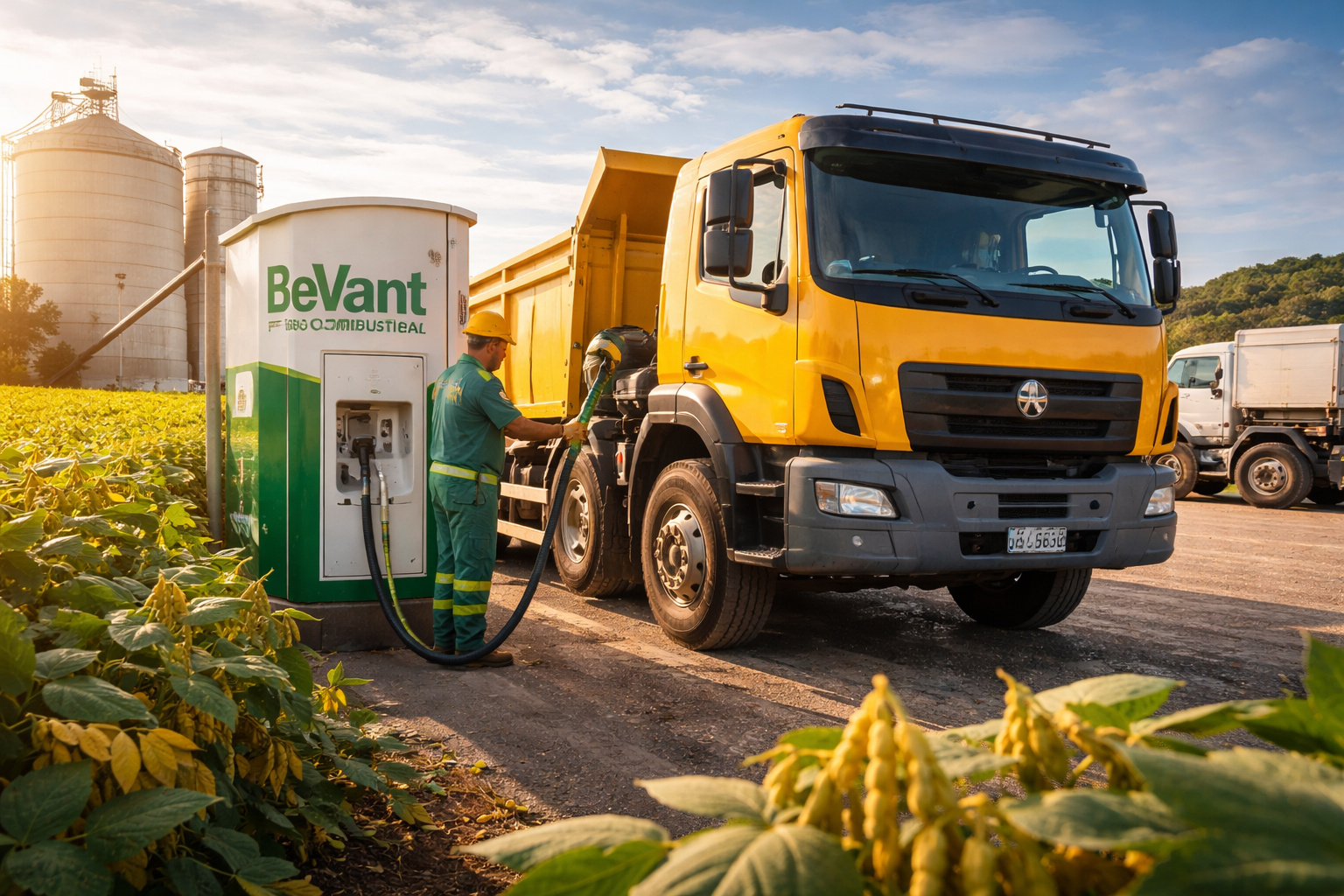
As diesel prices soar due to conflicts in the Middle East, a Brazilian city decides to test a little-known biofuel that promises to completely replace fossil fuel without adaptation and could change the future of energy in the country.
-
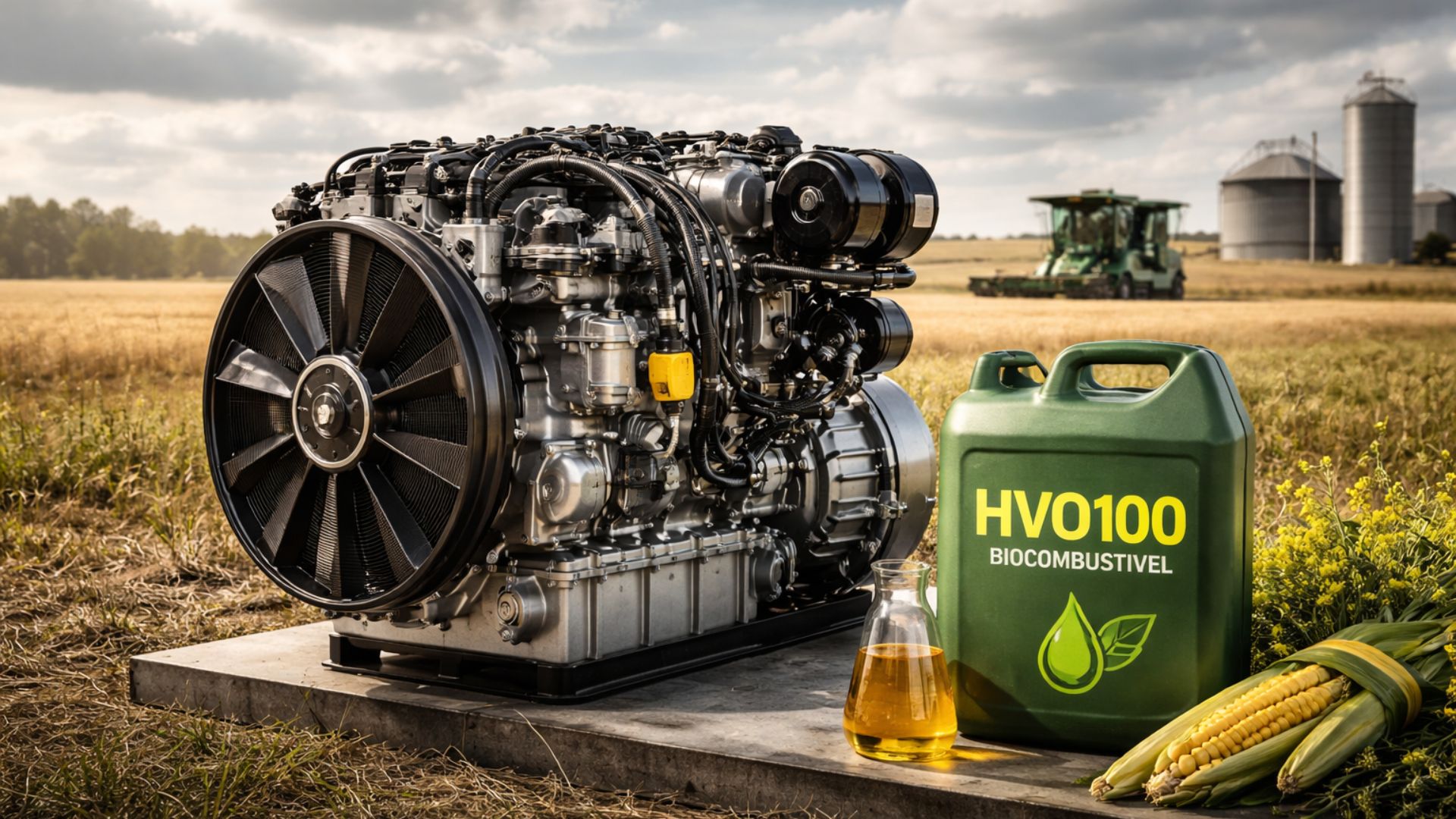
Innovation with biofuel engines transforms agribusiness by replacing diesel without the need for major adaptations, ensuring energy efficiency and helping to reduce dependence on oil.
-
Used Cooking Oil Transforms Into Kerosene: How 1 Million Tons of Used Fat Are at the Center of an Aviation Fuel Market That Could Attract Over $1 Trillion in Investments, Already Fuels Planes with Up to 80% Lower Emissions, and Triggered a Global Competition for This Waste

-
Middle East War Drives Up Methanol Prices and Threatens Global Biodiesel Production, Triggering Warning for Biofuels Industry and Agricultural Market


Market expectations indicate that this renewable source can meet a large part of the industrial and heavy transport demand in the coming decades, ensuring energy security and sustainability for Brazilian agriculture, which already accounts for a massive share of the national GDP.
The socioeconomic impact of the advancement of biogas in the energy matrix
The discussion about the advancement of biogas in the energy matrix gains traction due to its enormous potential for value generation in the interior of Brazil. Unlike other sources that depend on specific climatic conditions or large reservoirs, biogas arises from the processing of abundant organic matter, such as corn residues, sugarcane, and pig farming waste.
For the rural producer, this technology means transforming an environmental liability into a valuable financial asset. By installing biodigesters, the farm stops spending on waste disposal and starts producing its own fuel for tractors and trucks, in addition to generating electricity for daily operations.
The infrastructure market is closely watching this movement, as the decentralized production of biogas requires the construction of new sustainable corridors and local distribution networks.
It is estimated that the expansion of this production chain will attract investments exceeding R$ 10 billion in the next five years, generating qualified jobs in regions that previously only exported raw materials.

The civil and mechanical engineering sector is already seeing a rise in demand for professionals specialized in the assembly of biogas purification plants, highlighting that the energy transition acts as a driver of social mobility and regional development in the South and Midwest.
Purification technology: The leap from biogas to biogas
One of the highlights of the forum in Foz do Iguaçu addresses the technical evolution that allows for the advancement of biogas in the energy matrix with safety and efficiency. While raw biogas contains impurities and has lower calorific power, biogas undergoes a rigorous purification (upgrading) process, where the methane content reaches levels above 95%.
This purified fuel has almost identical physical-chemical characteristics to fossil natural gas, allowing its direct use in combustion engines without the need for complex adaptations. Brazilian technology has already reached a level of maturity that allows these plants to operate with high automation and low maintenance costs.
Technology companies present in Foz do Iguaçu new filtration membranes and compression systems that reduce transportation logistics costs. The biogas can be compressed into cylinders (CNG) or even liquefied (LNG), facilitating delivery to industries that are far from traditional pipelines.
This “interiorization” of gas is essential for Brazil to reduce carbon emissions in freight transport, replacing polluting diesel with a renewable source that emits up to 90% less greenhouse gases. Technological innovation, therefore, acts as the necessary bridge between the abundance of organic waste and the consumer market thirsty for cheap and clean energy.
Environmental sustainability and the circular economy in the field
The relevance of the advancement of biogas in the energy matrix goes beyond engineering limits and reaches the heart of environmental preservation. The energy sector points out that biogas is one of the rare energy sources that presents a negative carbon balance in certain production cycles.
By capturing methane that would be naturally released by the decomposition of waste, a gas 25 times more harmful than CO2 for the greenhouse effect, and transforming it into fuel, the system cleans the atmosphere. Additionally, the byproduct of biodigestion, known as biofertilizer, returns to the fields as a nutrient-rich fertilizer, replacing imported chemical fertilizers.
This circular economy model strengthens the resilience of Brazilian agriculture in the face of global supply crises. In Foz do Iguaçu, dairy and pig farmers share success stories where the carbon footprint of their properties has drastically decreased after adopting biogas.


The preservation of springs and soil also improves, as the correct treatment of waste prevents contamination of groundwater. Biogas proves that it is possible to combine high agricultural productivity with strict protection of Brazilian biomes, meeting the increasingly stringent demands of the international market for “carbon-neutral” products.
The strategic role of Itaipu and southern cooperatives
The forum highlights the leadership role of large institutions in promoting the advancement of biogas in the energy matrix. Itaipu Binacional, based in Foz do Iguaçu, invests in research and demonstrative projects that prove the technical viability of renewable fuel in the region.
Through the International Center for Renewable Energies (CIBiogás), the company fosters the creation of agroenergy cooperatives, where small producers come together to produce biogas on an industrial scale. This cooperative model is essential to scale production and ensure that economic benefits reach the base of the productive pyramid.
The agro-industrial cooperatives of Paraná, which rank among the largest in the world, are also accelerating their investments in biogas to decarbonize their logistics fleets. By using biogas produced internally, the cooperatives reduce their operational costs and increase the competitiveness of exported products.
The event in Foz do Iguaçu serves as a business hub where development banks offer specific credit lines for these energy infrastructure projects. The union between large energy producers, strong cooperatives, and cutting-edge technology creates the ideal environment for southern Brazil to become the world’s largest exporter of biogas solutions.
Regulatory challenges and the future of the distribution network
Despite the optimism, the advancement of biogas in the energy matrix still faces regulatory bottlenecks that experts discuss rigorously during the event. The National Agency of Petroleum, Natural Gas, and Biofuels (ANP) has already established quality standards for the fuel, but the sector calls for more agility in licensing processes and tax incentives comparable to those of solar energy.
Another challenge lies in transportation infrastructure. Brazil needs to expand its pipeline network and create refueling stations for CNG/Biogas on the main crop flow highways to enable large-scale diesel replacement.
The future holds a much more dynamic gas network, where biogas injected into the interior of the country complements natural gas from the pre-salt or Bolivia. The trend indicates the creation of “energy islands,” where entire municipalities can become self-sufficient using urban and rural waste to generate gas and electricity.
The infrastructure market predicts that biogas will be the definitive transition fuel for the Brazilian heavy industry, which seeks to escape the volatility of international oil prices. For investors, biogas represents a safe harbor of guaranteed returns and high ESG impact (Environmental, Social, and Governance).

Technical education and the new workforce of green energy
The success of the advancement of biogas in the energy matrix demands a new generation of qualified professionals. The forum in Foz do Iguaçu dedicates spaces for discussion on technical and scientific training in the bioenergy field.
Universities and technology institutes in southern Brazil are already adapting their curricula to train specialists in biodigester microbiology, purification process engineers, and maintenance technicians for compression systems. This specialized workforce is the fuel that will ensure the safe and efficient operation of the hundreds of plants planned for the coming years.
In addition to technical training, the sector invests in education for rural producers. Understanding that farm “waste” has market value requires a cultural shift that the forum helps to promote. Knowledge about the carbon credit market also enters the agenda, as the production of biogas generates certificates that can be traded globally.
Training transforms traditional agriculture into a modern energy powerhouse, where technical knowledge is as valuable as land productivity. Green energy mines are being opened in the field, and Brazilian intelligence leads every step of this process.
The advancement of biogas in the energy matrix as a pillar of national energy sovereignty
The meeting in Foz do Iguaçu makes it clear that the advancement of biogas in the energy matrix is no longer a distant promise, but a thriving industrial reality. Brazil has the largest biomass reserve on the planet and the technical knowledge necessary to convert this potential into wealth and clean energy.
By transforming waste into high-performance fuel, the country protects the environment, reduces logistical costs, and strengthens its sovereignty in the face of uncertainties in the global fossil energy market.
Biogas represents the perfect synthesis between the field and industry, between the tradition of agriculture and the modernity of renewable technology. The record investments and international interest show that the sun, wind, and biomass form the triad of Brazilian leadership in the green economy.
While the world seeks formulas for decarbonization, the interior of Brazil already presents the practical solution. Biogas is not just a gas; it is the fuel that drives social development and the preservation of Brazil for future generations.








Seja o primeiro a reagir!