





 English
  Francês
  Alemão
  Italiano
  Japonês
  Norueguês
  Portuguese
  Spanish
  5 min of reading
  0 comments


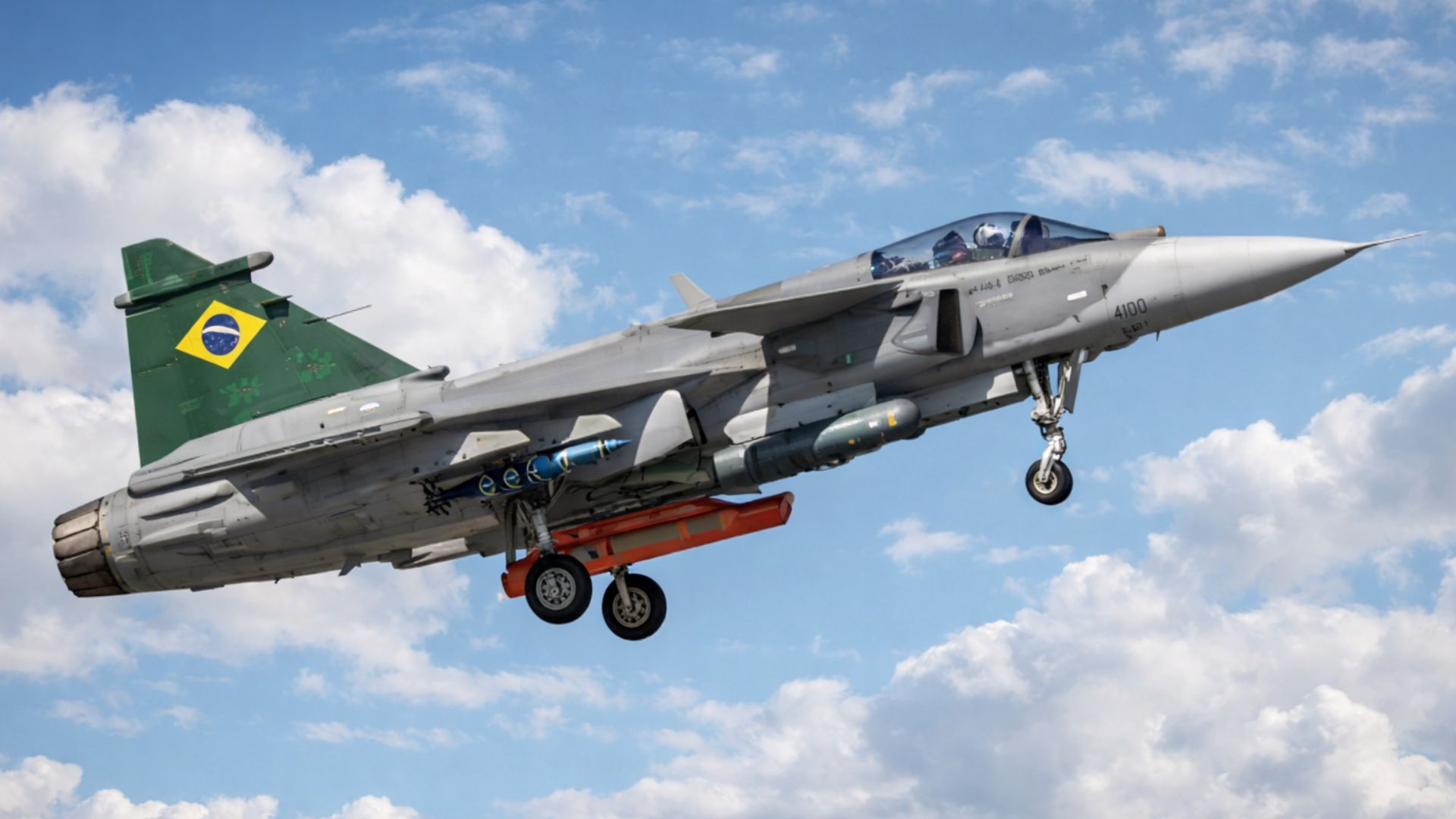
Brazil advances in air defense with national production of the first F-39 Gripen fighter, boosting technology, qualified jobs, and Embraer’s prominence in the strategic aerospace sector
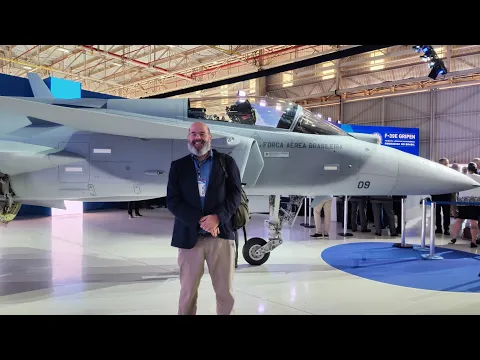
The Brazil has entered a new era by presenting the first F-39 Gripen fighter manufactured in the country under the FX-2 program. The model was unveiled at Embraer’s facility in Gavião Peixoto (SP), during a ceremony attended by civil and military authorities.
This moment represents a strategic milestone for national defense. More than the delivery of a supersonic fighter, the event symbolizes a historic technological leap and the strengthening of the country’s sovereignty in the aerospace sector.
According to an article published by the Brazilian Air Force, the aircraft presented, identified as FAB 4109, is the first produced on national territory. The original schedule anticipated deliveries starting in 2026, but the acceleration demonstrates the progress of the program and the industrial maturity achieved by Brazil.
-
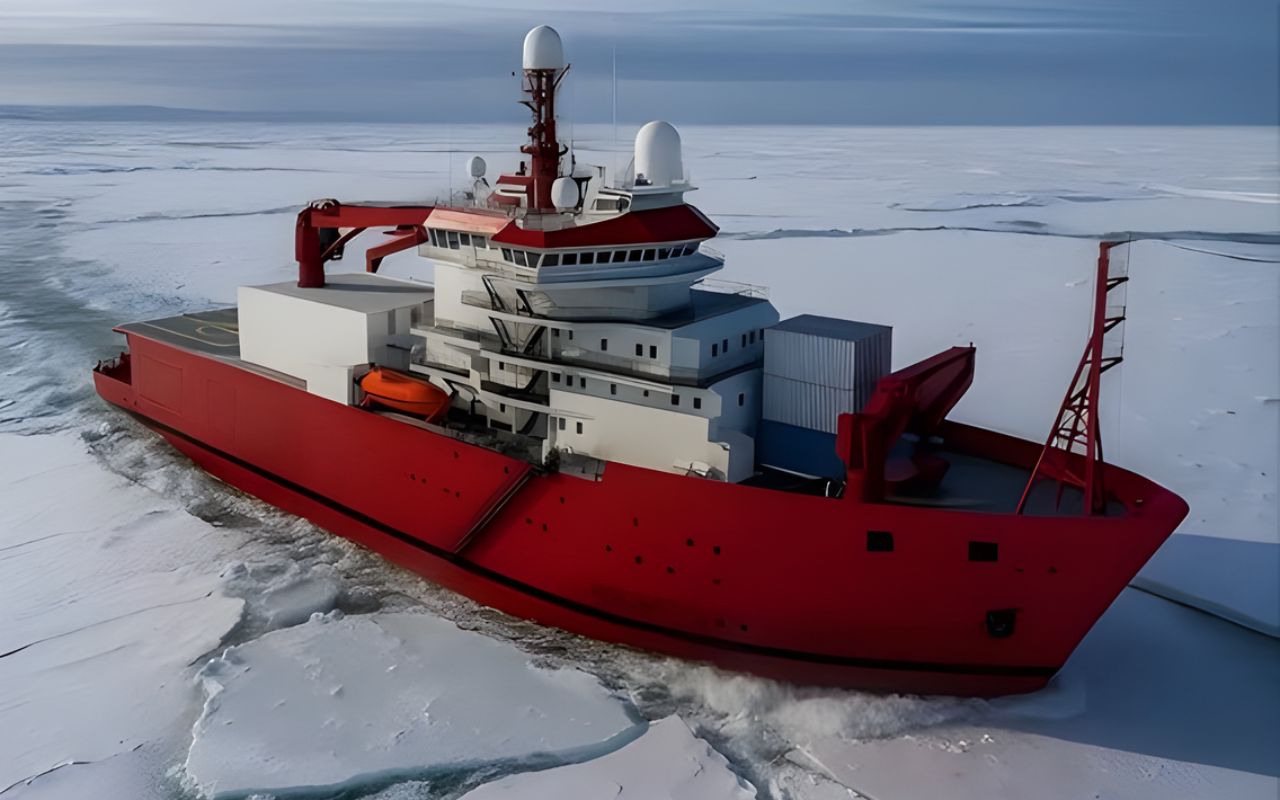
The construction of the Polar Ship Almirante Saldanha is progressing ahead of schedule and strengthens Brazil’s presence in Antarctica; the vessel will be 93 meters long, have a two-month autonomy, and technology to face ice.
-
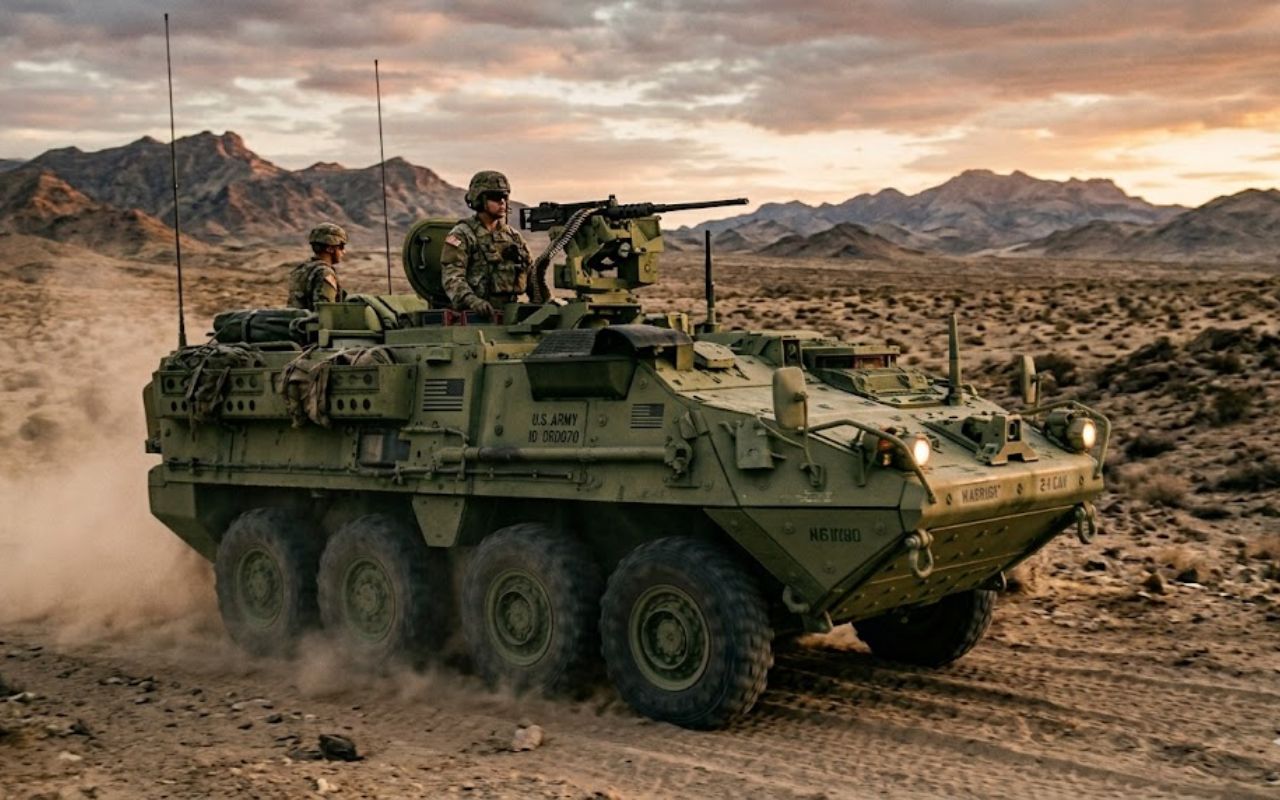
The United States Army has an armored vehicle that reaches speeds of up to 100 km/h, capable of operating normally on different types of terrain and also on asphalt without causing damage; equipped with a 350 hp engine, it can transport up to 9 soldiers — meet the Stryker.
-
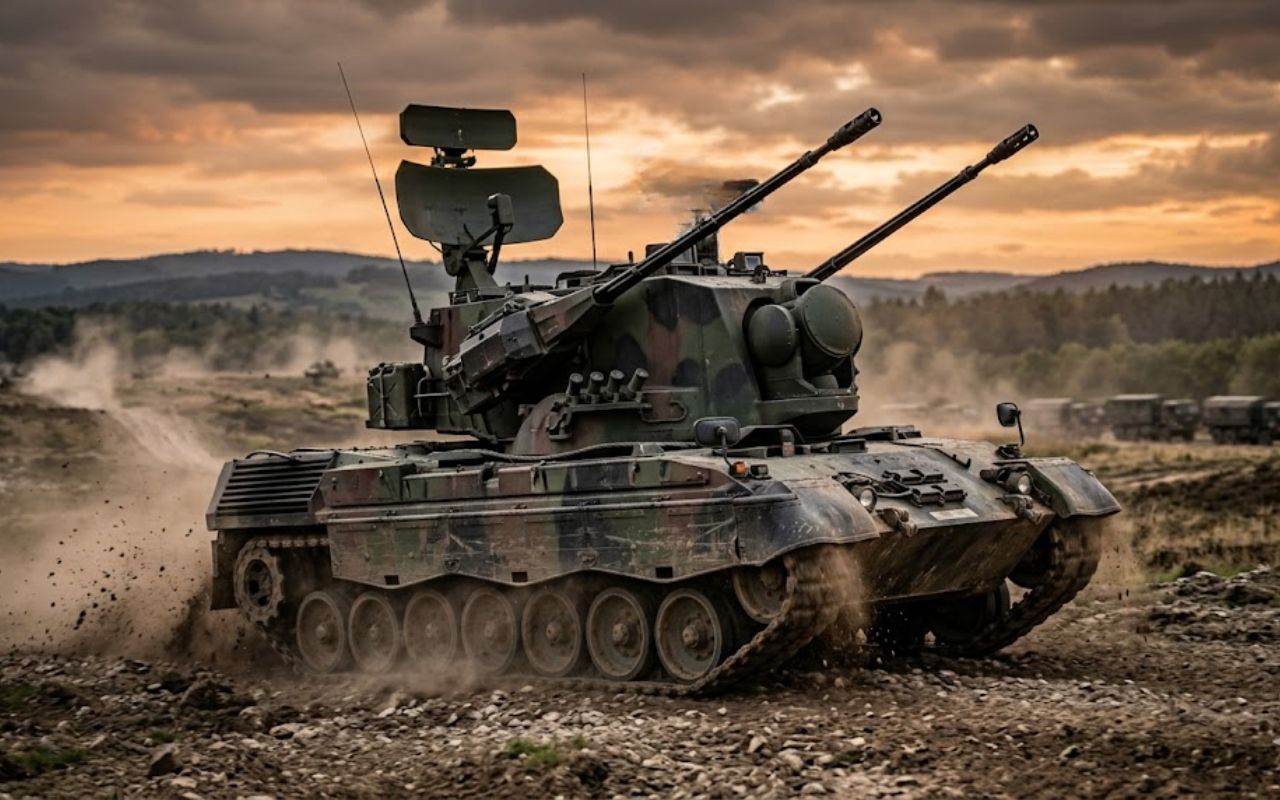
Gepard 1A2: the armored vehicle that fires 1,100 rounds per minute and became a shield against drones in Brazil.
-
The USA has converted four nuclear submarines into “secret underwater bases” capable of launching 154 Tomahawk missiles and carrying 66 SEALs, and now they plan to retire all of them by 2028, with no replacement ready.
First F-39 Gripen fighter expands Brazil’s air power and strategic autonomy
The arrival of the first national fighter elevates the operational level of the Brazilian Air Force. The F-39 Gripen fighter is considered one of the most modern aircraft in operation worldwide, incorporating advanced technologies that enhance airspace defense capability.
This supersonic fighter combines speed, efficiency, and intelligent systems. Among its main differentiators are:
- Next-generation AESA radar
- Integrated electronic warfare systems
- Ability to operate in a network with other aircraft
- High maintenance and operational efficiency
These features make the F-39 Gripen fighter a strategic asset, capable of responding quickly to threats and enhancing surveillance of national territory.
Moreover, local production ensures greater autonomy for Brazil, reducing external dependence and allowing for future upgrades with internal technological mastery.


Embraer and technology transfer boost defense industry in Brazil
Embraer’s participation is crucial for the success of the project. The company leads the final assembly of part of the aircraft and acts as a central link in technology absorption.
Of the 36 aircraft acquired by the Brazilian Air Force, 15 will have final assembly in Brazil. This process goes beyond production, involving knowledge transfer in critical areas such as engineering, system integration, and logistical support.
The program has also consolidated a broad industrial ecosystem. Companies like AEL Sistemas, Atech, and Akaer are directly involved in the development of strategic components.
Among the main industrial gains are:
- Internalization of advanced technology
- Strengthening of the Defense Industrial Base
- Development of national suppliers
- Increased global competitiveness
This movement positions Brazil as one of the few countries capable of producing a supersonic fighter of high complexity outside the country of origin of the project.
First fighter generates jobs and trains highly qualified professionals
The impact of the first F-39 Gripen fighter goes far beyond air defense. The FX-2 program is also notable for its economic and social effects, especially in job creation and professional qualification.
According to project data, about 350 Brazilian engineers were trained in Sweden. This exchange allowed for the direct transfer of knowledge in advanced military aviation technologies.
Additionally, the program has already generated over 12,000 jobs, including:
- 2,000 direct jobs
- 10,000 indirect jobs
These numbers highlight the impact of the F-39 Gripen fighter on the national economy. The project also contributes to retaining talent trained in institutions like the Aeronautics Technological Institute. This way, Brazil reduces dependence on foreign professionals and strengthens its internal capacity for innovation.

Supersonic Gripen fighter redefines operational standards of the Brazilian Air Force
The supersonic fighter Gripen represents a turning point in the operational capability of the Brazilian Air Force. According to the Air Force Command, it is the most powerful combat platform ever incorporated into the institution.
The F-39 Gripen fighter offers greater situational awareness and real-time response capability. Its systems allow integration with different platforms, increasing efficiency in joint operations.
Another relevant point is the reduction of operational costs compared to other aircraft in the same category. This ensures greater availability and efficiency in the use of public resources.
The introduction of the first F-39 Gripen fighter produced in the country also symbolizes the maturity of a long-term strategic decision, which is now beginning to yield concrete results.
Production of the F-39 Gripen fighter projects Brazil in the global defense scenario
With the production of the F-39 Gripen fighter, Brazil takes a prominent position in the international arena. The country becomes the only one outside Sweden to manufacture this aircraft, enhancing its geopolitical relevance.
The initiative strengthens Brazil’s image as a strategic partner in high-tech projects. Furthermore, it paves the way for future exports and international cooperation. The involvement of Embraer and national companies demonstrates the country’s ability to integrate global production chains in highly complex sectors.
This advancement also contributes to the development of technologies with civil applications, extending the project’s benefits beyond the military area.

A technological leap that redefines the future of Brazilian air defense
The presentation of the first national fighter marks a turning point for Brazil. The F-39 Gripen fighter is not just a modern aircraft, but a symbol of technological advancement, autonomy, and industrial capability.
The project brings together essential elements for the strategic development of the country:
- Mastery of critical technologies
- Creation of qualified jobs
- Strengthening of the national industry
- Expansion of sovereignty
More than a supersonic fighter, the Gripen represents the consolidation of a new moment for Brazil. The partnership with Embraer shows that the country is prepared to face technological challenges and compete on a global level.
With this advancement, Brazil not only modernizes its air defense but also builds the foundations for a more independent, innovative, and strategic future.








Seja o primeiro a reagir!