





 English
  Francês
  Alemão
  Italiano
  Japonês
  Norueguês
  Portuguese
  Spanish
  7 min of reading
  0 comments


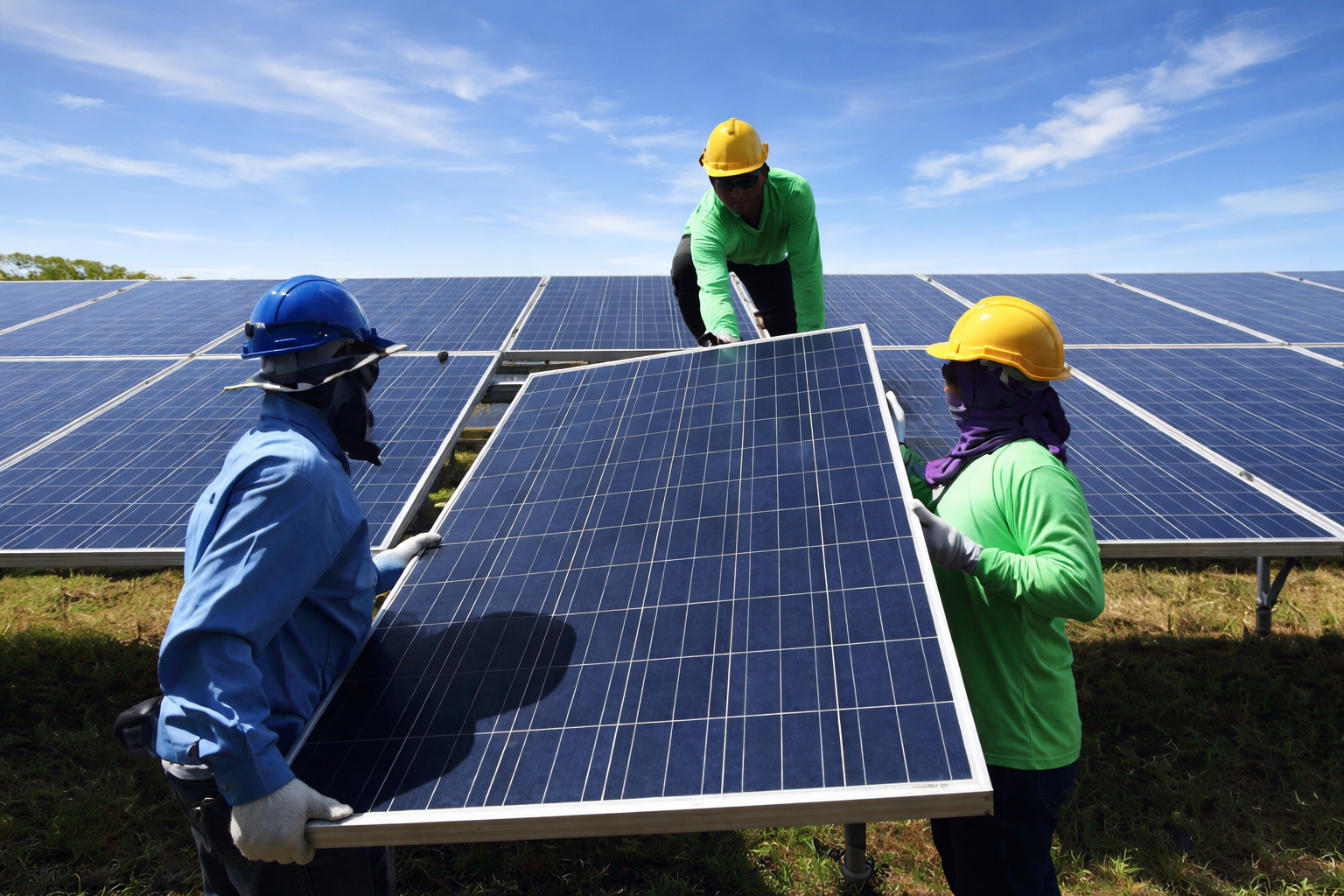
Data from ABSOLAR confirms that the Brazilian photovoltaic sector has surpassed 2 million accumulated green jobs, consolidating solar energy as one of the main pillars of income generation and sustainability in the country.
The solar photovoltaic sector has just achieved an extraordinary feat by registering over 2 million accumulated green jobs in Brazil since the beginning of the technology’s expansion in the country.
According to the latest data from the Brazilian Association of Photovoltaic Solar Energy (ABSOLAR), this volume of jobs reflects the robustness of a production chain that has mobilized over R$ 213 billion in direct investments.
Even in the face of a more retracted market scenario and changes in energy compensation rules, the strength of solar technology keeps the country at the top of global energy transition rankings.
-
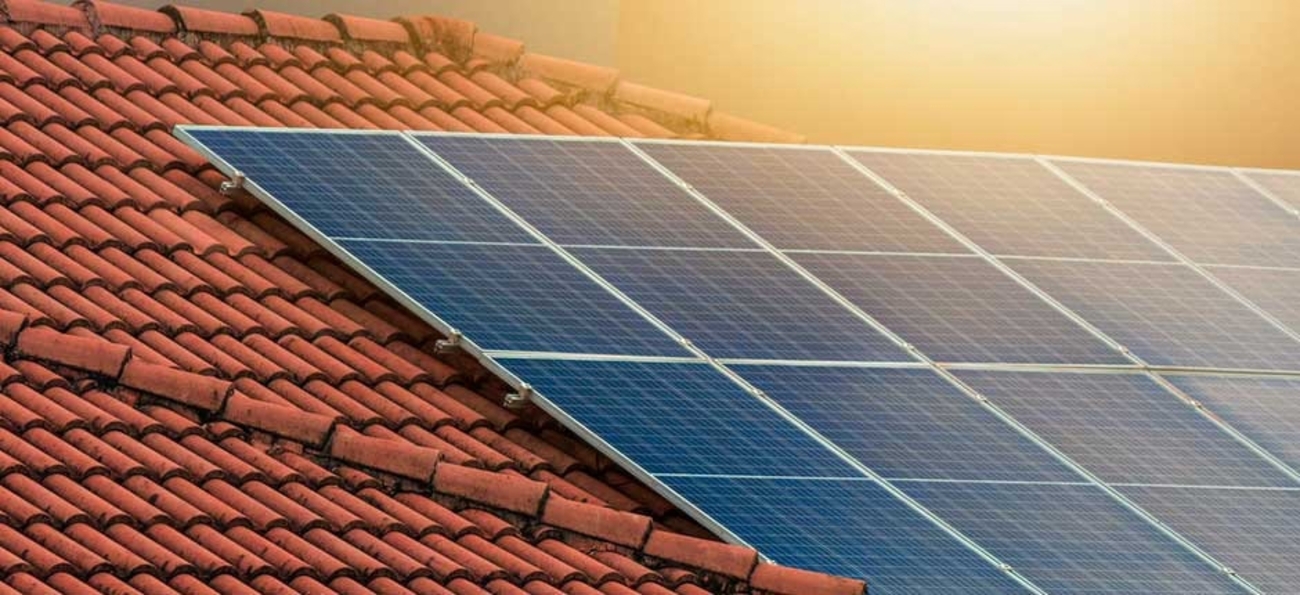
Roraima bets on the sun to escape high tariffs: Amid the energy crisis and price hikes, solar energy is growing in Roraima and transforming consumption in the North region.
-
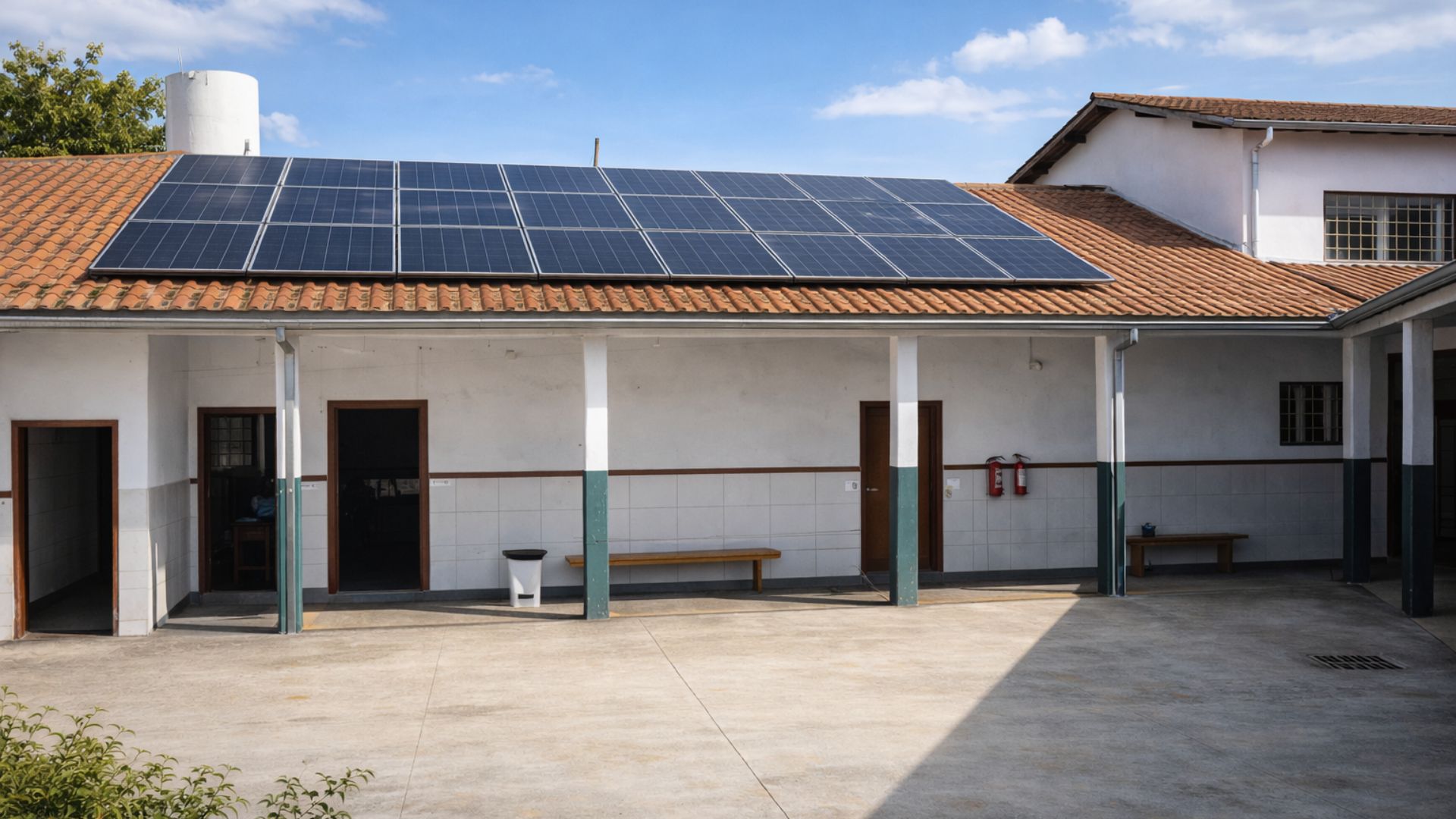
Copel boosts solar energy in Paraná and brings innovation to public schools, promoting savings on electricity bills, energy efficiency, and a direct impact on the quality of education.
-
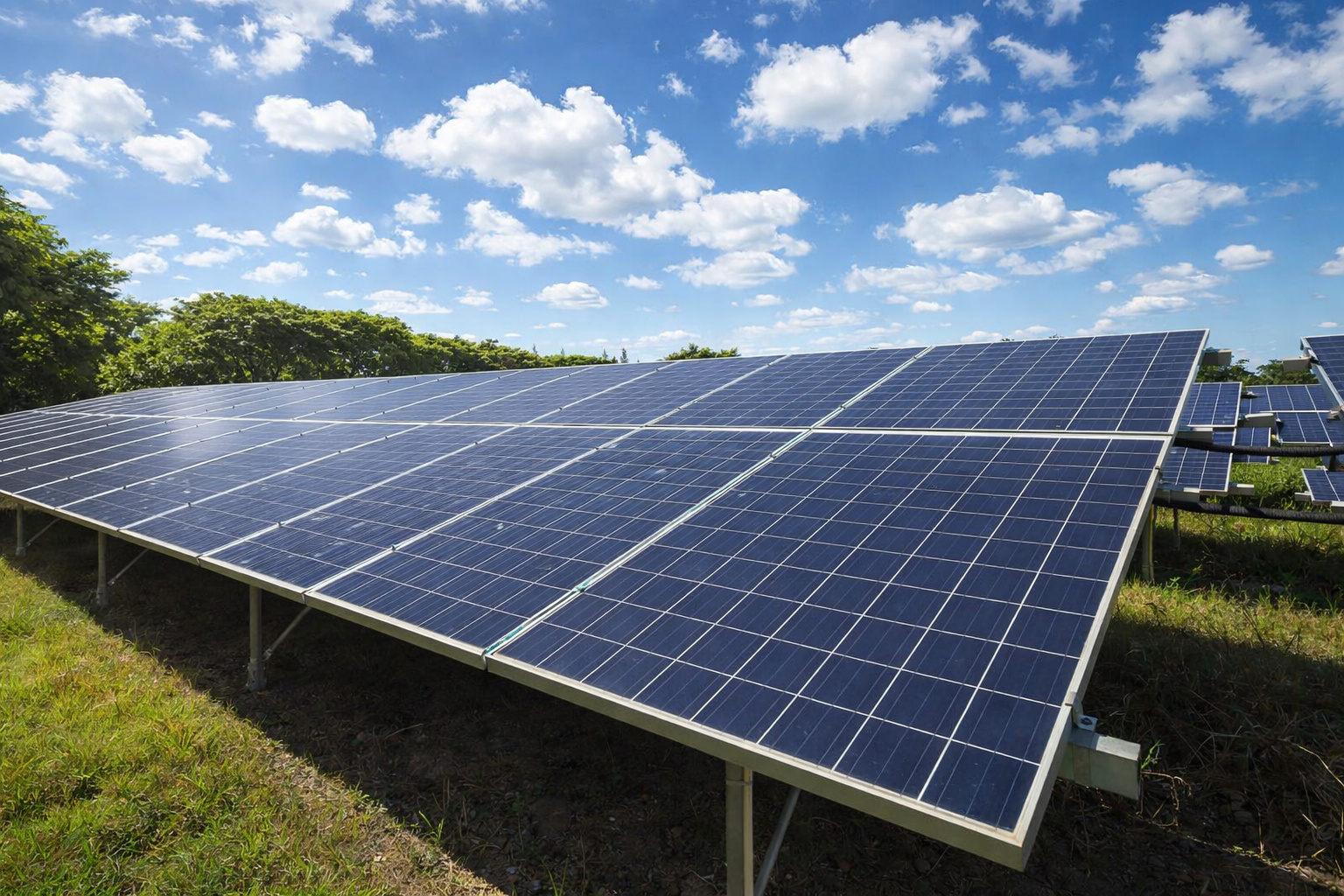
Minas Gerais takes the lead in renewable energy: State surpasses historic mark of 14 GW in solar energy generation in MG and consolidates dominance in the Brazilian electric sector.
-
Minas Gerais transforms solar energy into an economic engine by reaching an unprecedented level, generating jobs, attracting investments, and consolidating national leadership in the production of sustainable clean energy.
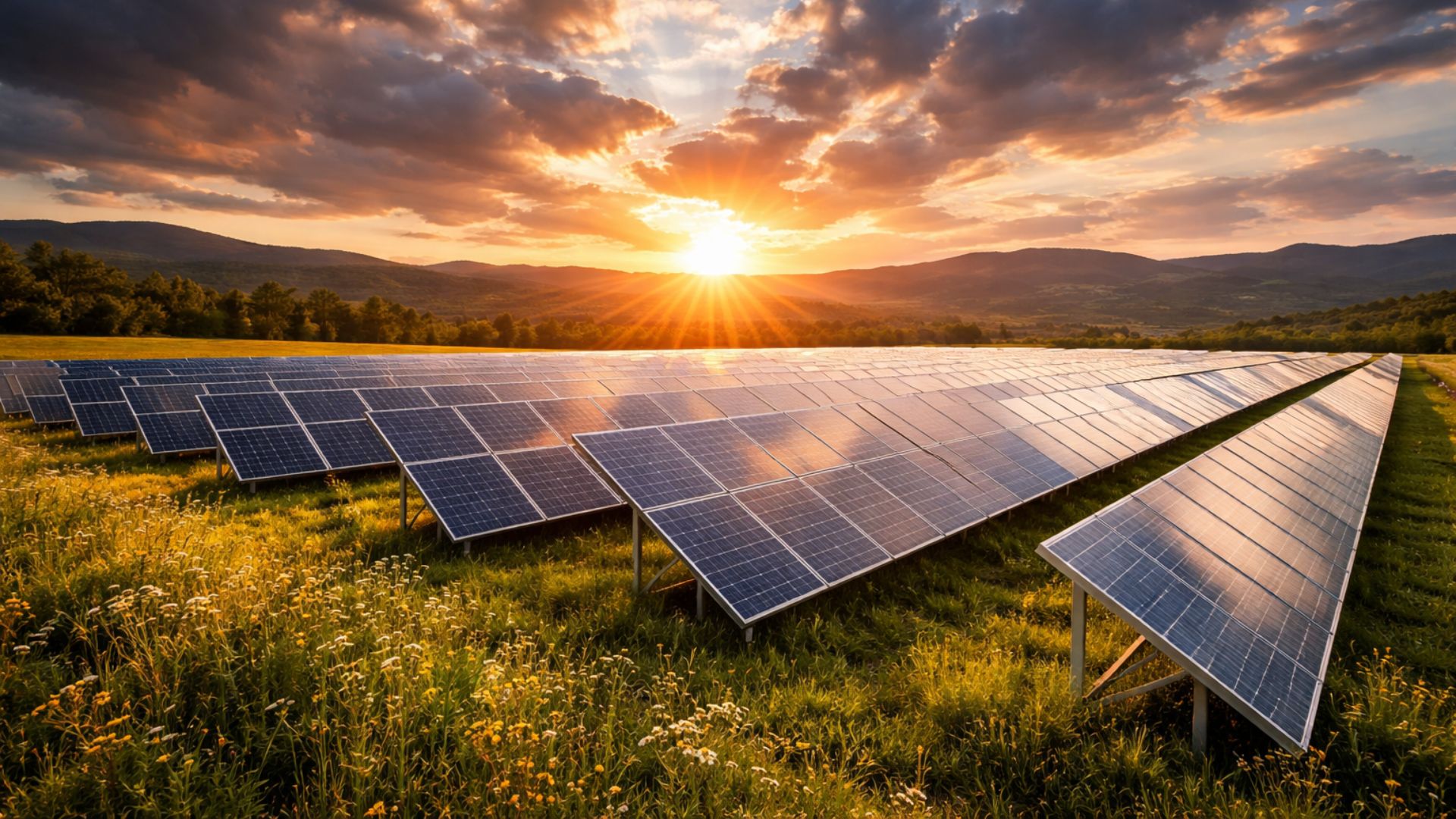

These jobs encompass everything from component manufacturing to installation on residential rooftops, proving that clean energy acts as a high-capillarity social engine. Brazil today occupies prominent positions on the international stage, and the maintenance of these jobs signals investor confidence in the economic viability of solar energy.
The real impact of accumulated green jobs on the Brazilian economy
The mark of 2 million accumulated green jobs represents much more than a statistical figure for the infrastructure sector. This number symbolizes the transformation of the Brazilian labor market, which now absorbs qualified professionals for the low-carbon economy.
Each new gigawatt (GW) of solar power installed in Brazil generates, on average, 25 to 30 new jobs, a higher occupancy rate than traditional fossil fuel industries. These professionals work in all regions of the country, from large urban centers to the most remote rural areas, where solar energy brings development and energy autonomy.
The Brazilian solar sector has already prevented the emission of more than 55 million tons of CO2 into the atmosphere. And this environmental achievement goes hand in hand with financial sustainability. Accumulated investments exceed R$ 200 billion, generating billion-dollar tax revenue for public coffers.

This virtuous cycle ensures that the government has resources to invest in other essential areas, while the population enjoys cheaper and less polluting energy. The resilience of the sector, even in times of high interest rates and tighter credit, demonstrates that solar energy has become a necessity for families and businesses looking to reduce fixed costs.
Distribution of jobs and professional qualification
The diversity of accumulated green jobs draws the attention of market analysts. The solar energy production chain requires professionals with different levels of education. Electrical engineers, designers, installers, maintenance technicians, sales consultants, and logistics specialists make up the workforce that drives the sector, for example.
Professional qualification has become a competitive differential, with various educational institutions and technical training centers offering specific courses for the photovoltaic area. This specialization ensures that Brazil has a prepared workforce for the coming decades of global energy transition.
In addition to direct jobs in installation companies, the solar sector boosts thousands of indirect jobs. The trade of components, transportation of solar panels, and manufacturing of supporting metal structures have grown rapidly to meet national demand.
Many small towns in the interior of states like Minas Gerais, Bahia, and Piauí have seen their local economies revived with the installation of large solar parks. These enterprises hire local workers, stimulate the service sector, and increase the per capita income of neighboring communities, thus creating a positive and lasting social impact.


Challenges of the retracted market and the resilience of the solar sector
Reaching 2 million accumulated green jobs occurs at a time of transition for the Brazilian photovoltaic market. After the implementation of the new legal framework for micro and mini distributed generation (Law 14.300/2022), the sector faced a period of adaptation to the new rules for charging for the use of the electric grid.
In addition, high interest rates have made it difficult for many residential consumers to access financing. However, even with these barriers, the solar sector has shown impressive resilience, maintaining a growth rate that surpasses many other areas of the national economy.
The ABSOLAR emphasizes that solar energy remains the best investment for Brazilian citizens. The reduction in the costs of photovoltaic modules in the international market has helped to balance the scenario, offsetting part of the increase in financing costs.
Today, the payback period remains extremely attractive, ranging from four to five years in most states. This financial viability ensures that the demand for new systems continues to exist, sustaining the maintenance and creation of new jobs throughout the national territory.
Sustainability as a driver of technological innovation
The expansion of accumulated green jobs propels Brazil to the forefront of technological innovation in the southern hemisphere. The country is no longer limited to just importing technology, as Brazilian companies develop monitoring software for plants, new inverter models, and mounting structures adapted to the tropical climate.
This national technological development strengthens energy sovereignty and creates career opportunities for young talents in information technology and data science applied to energy. The integration of solar energy with storage batteries and electric mobility represents the next frontier of this revolution.
Brazil’s environmental commitment gains strength with each new solar roof installed. The sector directly contributes to the goals of the Paris Agreement and helps the country to establish itself as a global environmental power.
Solar energy is a renewable, clean, and silent source that preserves the water resources of hydroelectric plants for times of scarcity. By prioritizing the sun, Brazil diversifies its matrix and reduces dependence on polluting and expensive thermal plants, resulting in a more stable electricity bill for all consumers, regardless of whether they have solar panels at home.
The future of solar energy and the goal of new records in hiring
The outlook for accumulated green jobs in Brazil remains optimistic for the coming years. With the gradual decline in inflation and the expectation of reduced interest rates, the market is expected to regain its accelerated growth pace. The sector’s goal is to double the current installed capacity in the next five years, which will require the hiring of hundreds of thousands of new workers.
Brazil has one of the best solar resources on the planet, and harnessing this potential is just a matter of time and appropriate public policies that ensure the legal security of investments.

Authorities and associations in the sector are working to ensure that solar energy is included in a more strategic way in popular housing plans and public buildings. The installation of photovoltaic systems in schools, hospitals, and housing complexes from the Minha Casa, Minha Vida program can generate enormous savings for the state and low-income families.
This initiative would create a new wave of hiring installers and technicians, spreading the benefits of clean energy democratically and further accelerating the count of workers in the renewable sector.
Social benefits and the democratization of energy in Brazil
The accumulated green jobs bring a paradigm shift in the way Brazilians consume energy. Once seen only as an inevitable cost, electricity supply has now become an opportunity for wealth generation for the consumer themselves.
The growth of solar energy communities and the shared generation model allows people in apartments or small businesses to participate in the profits of clean energy. This generates economic dynamism that directly benefits local commerce, as the money that previously went to paying electricity bills now circulates in the real economy.
The democratization of solar energy also strengthens the agribusiness sector. Rural producers use the technology to pump water, refrigerate production, and keep equipment running at almost zero cost after the system is paid off. This increases the competitiveness of Brazilian products abroad and ensures the maintenance of jobs in the field.
Solar energy has become the definitive efficiency tool for small and medium Brazilian entrepreneurs, who find in the sun the solution to survive economic crises and increase their profit margins.
Accumulated green jobs: The sun as the largest employer of the new industrial era
The mark of 2 million accumulated green jobs is the final testimony that Brazil has found its path to sustainable development. Even in the face of market fluctuations and regulatory challenges, the photovoltaic solar sector has proven to be unstoppable.
The country not only generates clean energy but also builds a new class of qualified professionals who make the nation proud with their technical and environmentally responsible work. Solar energy has ceased to be an alternative technology to become the central pillar of modern Brazilian electrical infrastructure.
The success of solar energy generation on national soil is the result of the resilience of thousands of entrepreneurs who believed in the potential of the sun. While the world moves towards decarbonization, Brazil is ahead with an enviable electrical matrix and a thriving labor market.
The record announced by ABSOLAR is an invitation for new investments to arrive in the country, consolidating our leadership position. The future of work in Brazil is green, and the sun shines brightly for those who choose to invest in the energy that comes from above.









Seja o primeiro a reagir!