





 Portuguese
  English
  Spanish
 3 min of reading


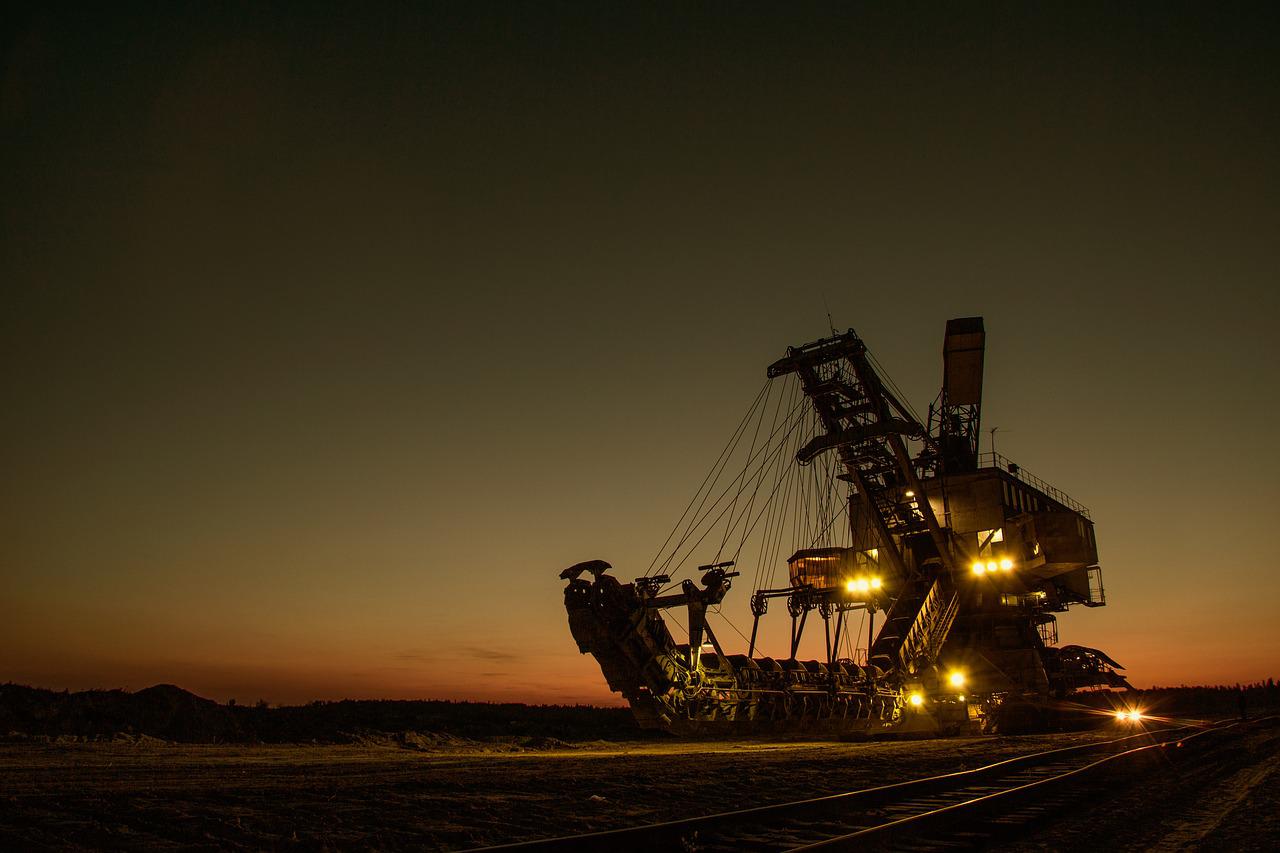
The Mining and Metallurgy Company CBMM Announced a Total Investment of R$ 1.2 Billion for Its Latest Project in Araxá, Minas Gerais, the Construction of a Niobium Processing Plant to Expand the Exploration of the Ore in the Region.
The Brazilian Company for Metallurgy and Mining (CBMM) announced last Wednesday, (06/08), its latest venture in the field, a niobium processing plant in the Araxá region, Minas Gerais. For the construction of the project, the company will invest R$ 1.2 billion, expecting to make the production of the ore even more efficient over the coming years.
New Niobium Processing Plant from CBMM Will Feature an Investment of R$ 1.2 Billion for Construction Works of the Enterprise in Minas Gerais
CBMM is increasingly seeking new growth opportunities in the national mining and metallurgy market and will now invest in the state of Minas Gerais, more specifically in the Araxá region, for the construction of a new niobium processing plant. The company is the world leader in the niobium oxide-based alloy market and will invest R$ 1.2 billion to ensure an efficient production chain in the new enterprise.
The Araxá region, in the state of Minas Gerais, already hosts the company’s industrial complex and will now be the site of the new factory, which construction could start later this year, around the last months. However, the project for the construction of the new niobium processing plant in Minas Gerais still needs to be approved by CBMM’s board to continue being developed. With a total investment of R$ 1.2 billion for the project, the company will gain the capacity to produce an additional 20,000 tons of niobium oxide per year.
-
USA and China compete for Brazil over resources that could be worth trillions — rare earths put the country at the center of a global dispute

-
With 74% of companies facing difficulties in hiring, technicians and engineers in renewable energy are becoming scarce in Brazil and are essential to support the expansion of solar, wind, and green hydrogen projects.

-
After China, it’s now the turn of the USA to ‘secure’ a share of Brazil’s natural resources: the country buys critical rare earths for R$ 3 billion and enters the center of the global technology dispute.
-
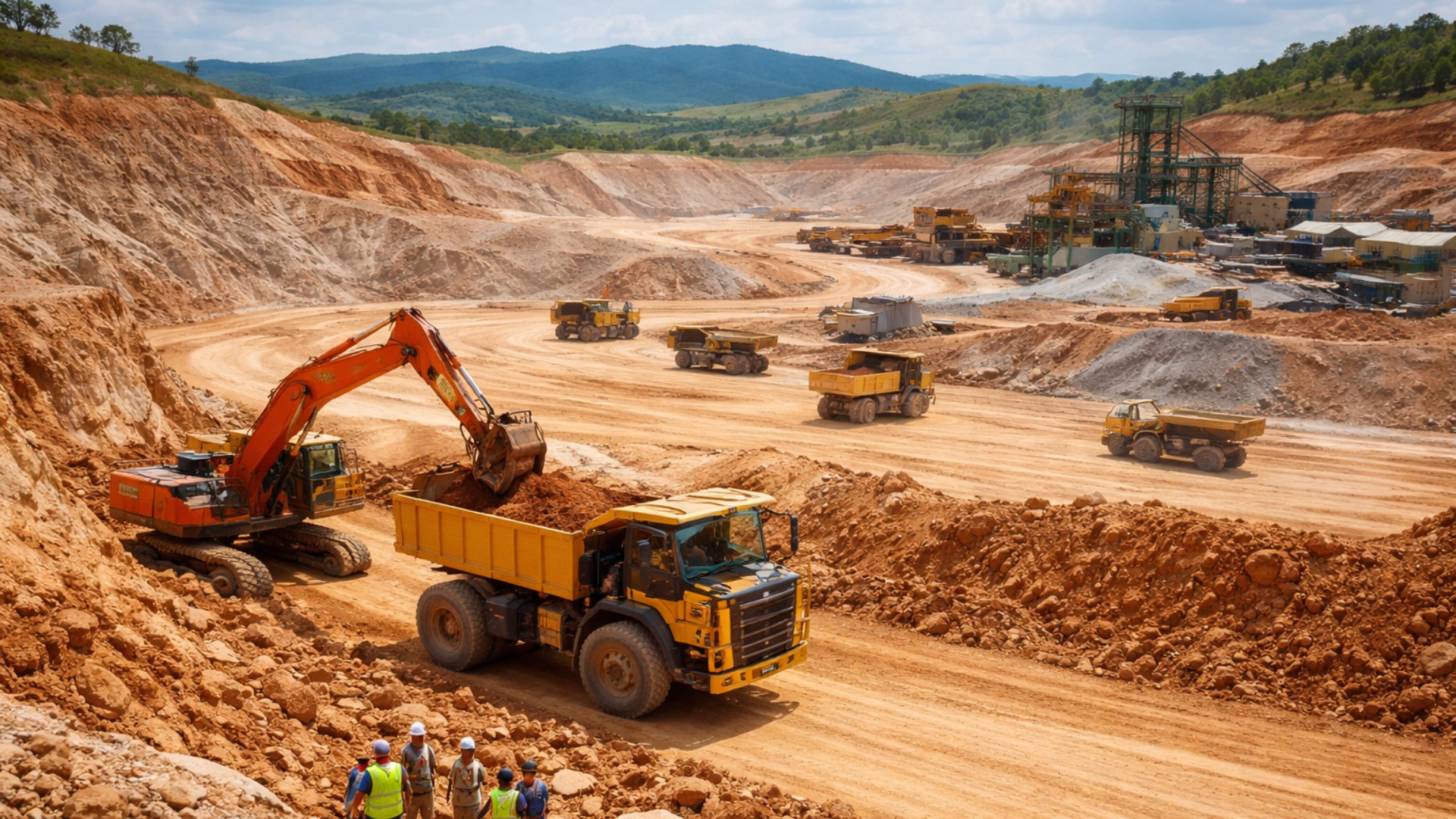
Rare earths are in everything, from cell phones to bullet trains, and what almost no one realizes is why they have become the target of such a delicate global war.
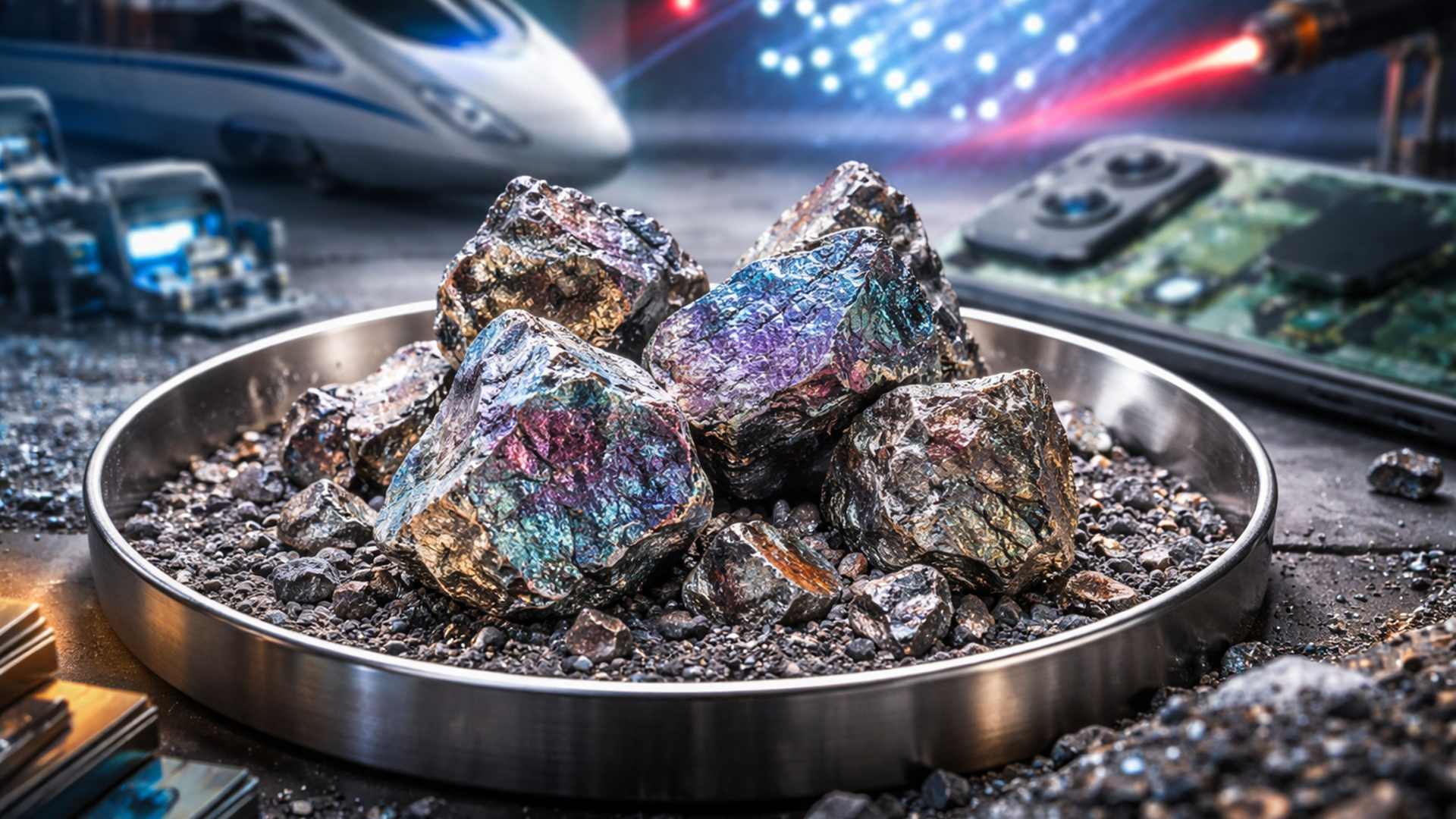

This is a product increasingly sought after in the (inter)national market, given its various noble applications, such as in the manufacturing of electric batteries, which are being widely used in the pursuit of energy transition in nations around the world.
Finally, CBMM highlighted that the company’s plan is designed for 2030 and the application in electric batteries for cars and other vehicles will represent 35% of the business. Thus, a total investment of R$ 8 billion will be required over the next 8 years for this to happen.
New Niobium Factory Will Be Essential for Brazilian Company to Expand Businesses Focused on Electric Battery Production Through Ore Processing
CBMM’s new bet for the state of Minas Gerais, with the construction of the niobium factory, is the commercialization of the product for use in electric batteries over the coming years. In the company’s business portfolio, the most advanced project is a partnership with Toshiba, which has already conducted tests with automotive customers in Japan and Brazil, where VW Trucks is evaluating its use in electric buses.
Thus, Eduardo Ayrosa Ribeiro, president of CBMM, commented on the current focus with the construction of the new factory and the contract with Toshiba, highlighting: “In this partnership, we are negotiating with customers, and commercial-scale production will be accelerated from 2025 onwards. Our focus is niobium products, using the company’s long-term ore reserve. In the new scenario, we could have three more oxide factories, each producing 20,000 tons, two for sure.”
Now, CBMM continues to await the project’s approval from the company’s board to begin the construction plan for the new niobium processing plant and hopes to finalize the approval by the end of this year.








Seja o primeiro a reagir!