





 English
  Francês
  Alemão
  Italiano
  Japonês
  Norueguês
  Portuguese
  Spanish
  5 min of reading
  0 comments



Brazilian soybeans had limited gains even with the appreciation of soybean oil in Chicago and the rise of oil in the global market, because higher diesel prices, pressured freight, and China’s requirements reduced producers’ profits during the harvest of the 2025/2026 crop.
Brazilian soybeans registered a limited impact from the international rise caused by tensions in the Middle East, at a time of more intense harvesting of the 2025/2026 crop and greater caution in negotiations. Although the rise in oil helped sustain prices in Chicago, the increase in diesel and freight costs reduced the positive effect for producers in Brazil.
The movement in the international market was driven by the appreciation of soybean oil on the Chicago exchange, considered the main reference for global commodity prices. This rise, under normal conditions, would open up space for greater gains for Brazilian producers, as soybeans follow an international price formation.
However, in the assessment presented in the pre-market, the rise did not fully reach the domestic market. Part of the gain was offset by the increase in diesel oil, which raised transportation costs in a country where the flow of production mainly depends on road transport.
-
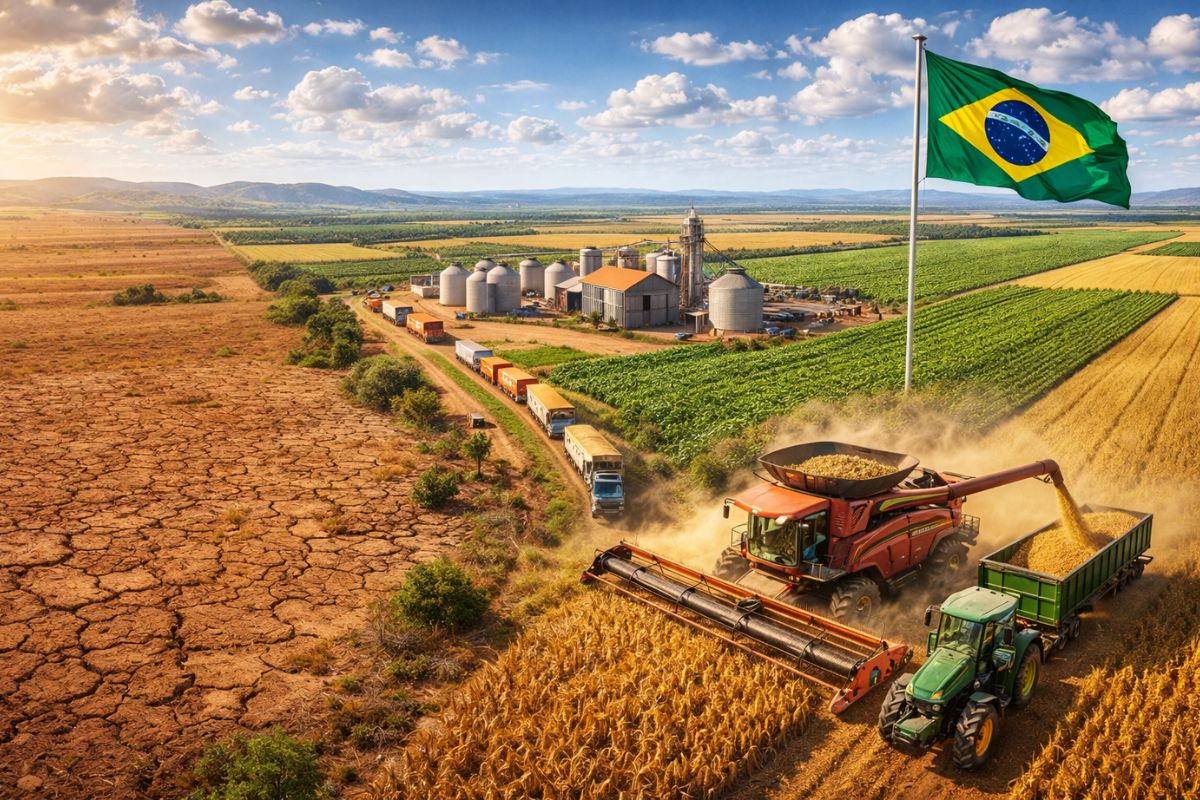
Forgotten region becomes a powerhouse in the heart of Brazil, transforming unproductive lands into fortune and making MATOPIBA the new billion-dollar agricultural empire that almost no one saw being born.
-
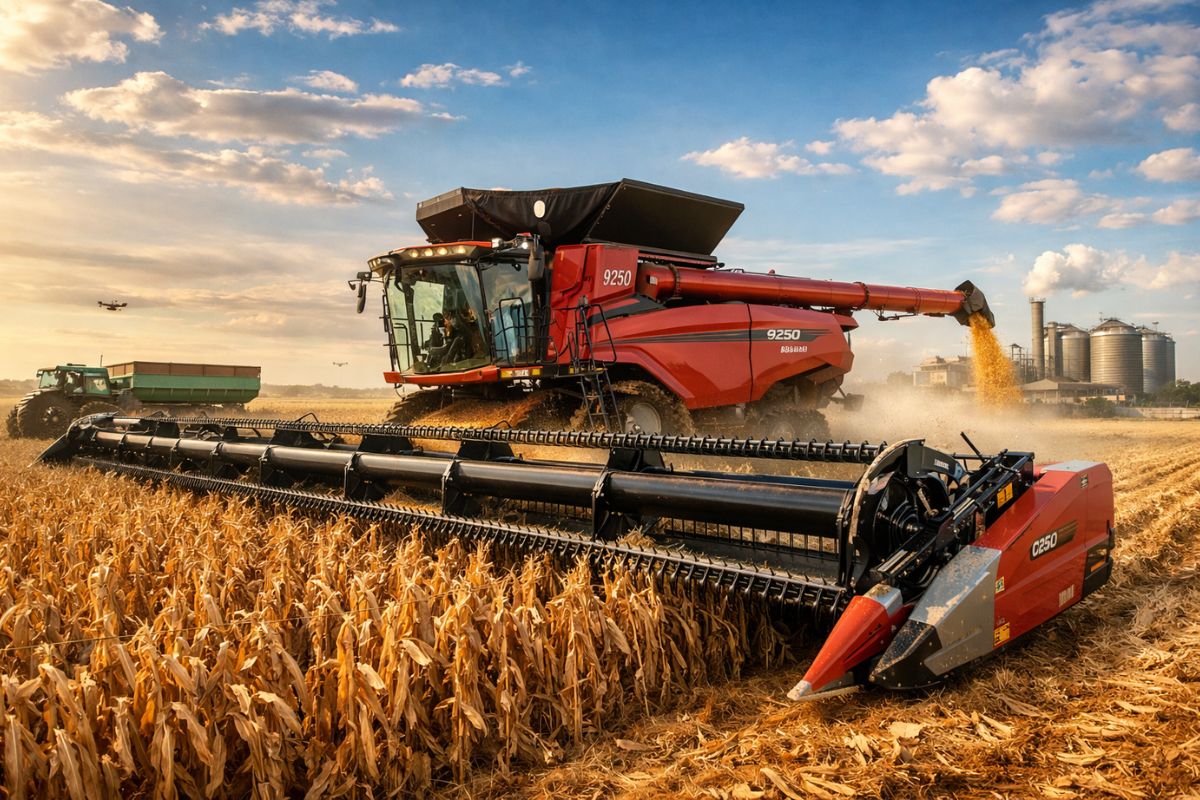
With a 775 hp engine, the world’s largest axial combine harvester arrives in Brazil, promising to harvest more in less time with advanced automation and the capacity for platforms up to 61 feet.
-
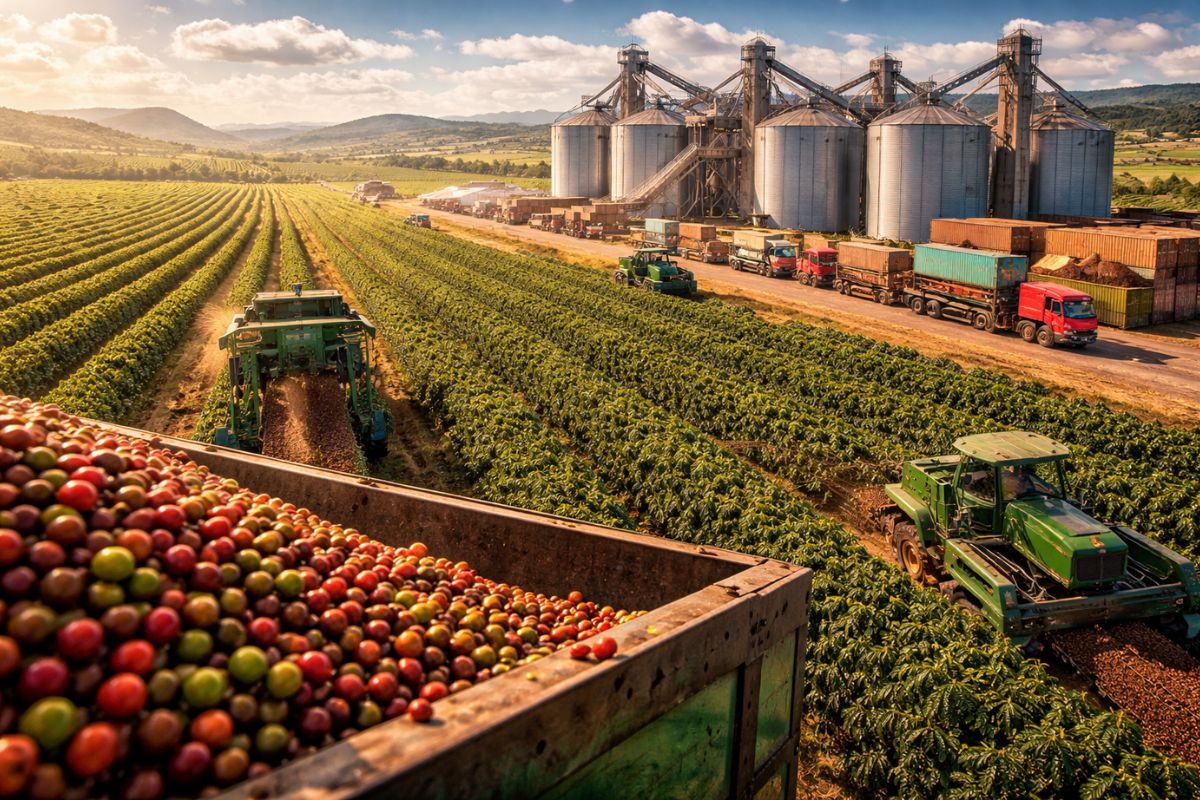
With 18 million feet, giant farms, and 2.2 million sacks per year, a mining group is building a coffee empire in Brazil with heavy mechanization, giant silos, and exports to various continents.
-
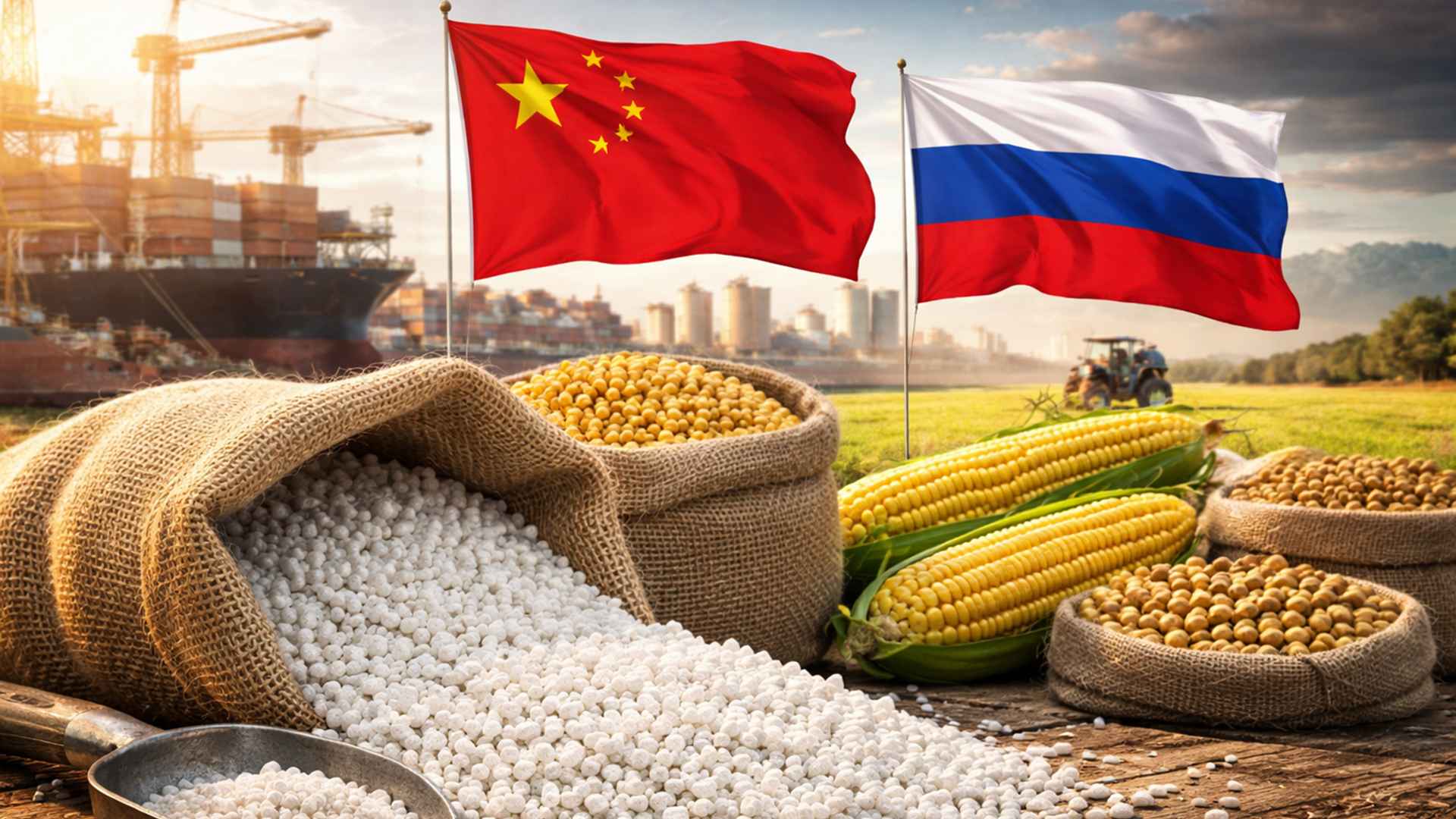
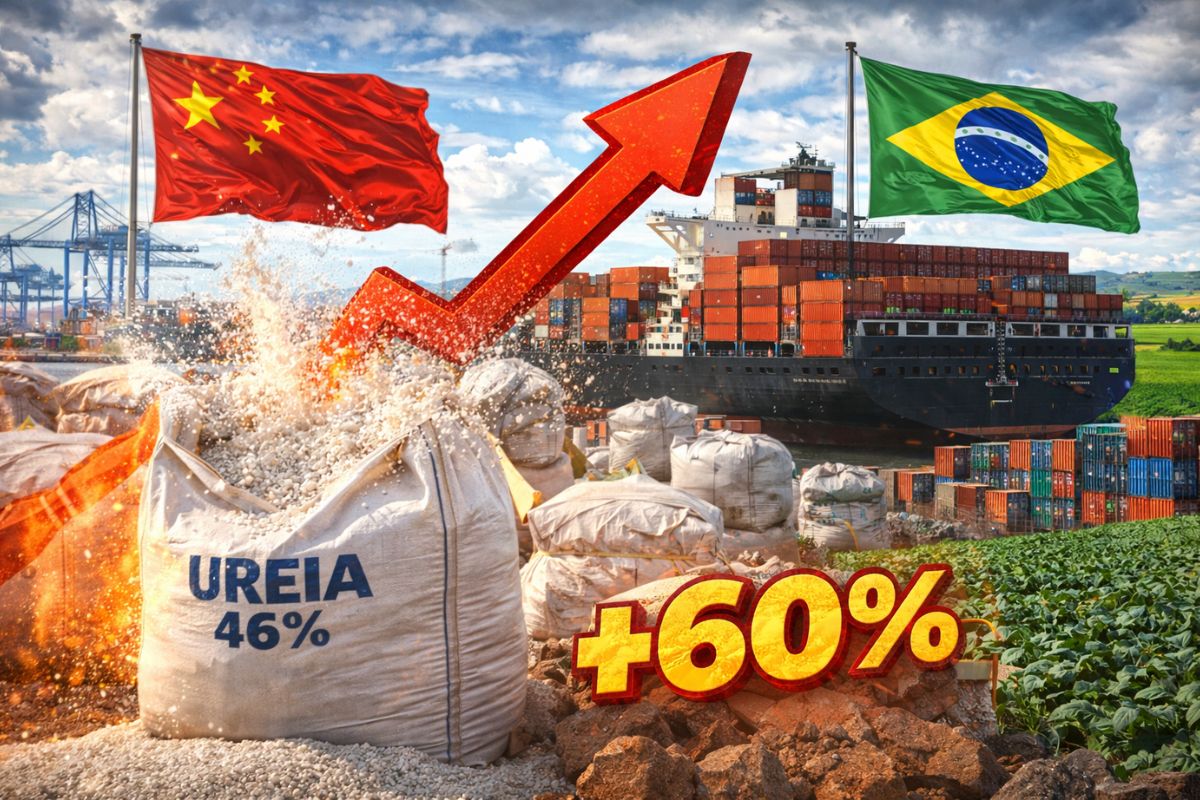
China and Russia suspend fertilizer exports, prices soar, and Brazil is already at real risk of shortages in the fields.

Brazilian soybeans had limited gains in the domestic market
Since March 1st, soybean oil has accumulated an appreciation of 5.58%, while the grain increased by 0.49%, about 0.5%. In Brazil, this movement caused the sack to rise by around R$ 3 at ports, with Paranaguá registering an increase of approximately 3% in the month up to March 20th.
Even with this increase, the pass-through to producers was restricted. This occurred because the increase in freight costs ended up consuming part of the international appreciation observed during the same period.
The logistical impact was highlighted as one of the main factors to explain this difference between the external and internal markets. A large part of the soy produced, especially in Mato Grosso, is transported by truck to the ports of Santos in São Paulo and Paranaguá in Paraná.
On this route, diesel has a direct impact on cost formation. With the tension in the international oil distribution chain and the risk of shortages linked to the war between the United States and Israel against Iran, fuel prices rose and pressured transportation costs.
Rise in diesel prices reduced part of the producer’s gains
The appreciation of soybean oil in Chicago was attributed to the effects of the crisis in the oil market. As soybean oil reacted in the main reference exchange for the commodity, the grain also gained support in the international scenario.
This movement, however, occurred at the same time that diesel oil became more expensive. In practice, part of what could have been converted into gains for Brazilian producers was offset by the increased costs necessary to move the crop.
The assessment made in the program was that one factor ended up compensating the other within the Brazilian internal account. Thus, the producer saw soybean prices rise, but not to the extent that could have occurred if logistical costs had remained stable.
The scenario is even more sensitive because the country is in the period of greatest intensity of the harvest. In a phase where the volume transported increases, any change in diesel and freight weighs more on the profitability of operations.
China’s requirements also slowed negotiations
In addition to the effect of diesel, negotiations for the 2025/2026 crop also faced another hurdle. Part of the Brazilian cargo was held up after China began to demand stricter controls regarding the presence of seeds, weeds, and pests in the shipped soybeans.
The Chinese concern was linked to the entry of these materials into its territory and the risk of causing biological or ecological imbalance. In light of this situation, trading companies and firms involved in international trade reduced the pace of business to understand how the situation would be resolved.
This slowdown hit the market at a decisive moment for commercialization. With less clarity about the flow of exports, the environment became more constrained and reinforced the cautious stance of the involved agents.
According to the report presented, there was progress in discussions between Brazil and China. The understanding included the prospect of increased oversight on Brazilian cargo to prevent the presence of these materials and allow the resumption of the commercialization of part of the soy that had been held up.
Producer faces uncertainty about returns and planning
The assessment made in the pre-market was that the Brazilian producer faces a difficult environment to interpret. This occurs because the international rise does not fully reach the domestic market and is still competing with pressured costs and frequent fluctuations.
It was also highlighted that there is a large supply in the current period, while global demand shows signs of weakening. This set helps explain why prices fluctuate and why there is no direction considered simple to predict.
In the previous week, soybeans had already retreated on the Chicago exchange due to expectations that a conversation between Xi Jinping and Donald Trump could be postponed amid the geopolitical scenario. The comment made in the program was that the trajectory of prices has varied as new news emerges, making the environment even more unstable.
In 2024, Brazil had benefited from a movement of more direct Chinese demand. Now, the reading is that it is not trivial to point to where prices in Chicago are headed or how this will reach Brazilian producers.
This uncertainty weighs heavily just when farmers need to harvest, sell, pay costs, and make decisions for the next cycle. In addition to the pressure from freight and price volatility, producers also deal with expensive credit in Brazil and the need to plan the next harvest amid instability.
The program also highlighted that Brazil accounts for 56% of global soybean exports. In this context, any change in the international environment, demand, or trading rules has the potential to affect Brazilian soybeans and the pace of sales abroad.
Without a clear direction for prices and in the face of rapidly changing variables, the prevailing stance remains one of caution. For the producer, the moment is to monitor the market day by day to understand what the actual returns of this harvest will be.









Seja o primeiro a reagir!