





 Portuguese
  English
  Spanish
  5 min of reading
  310 comments


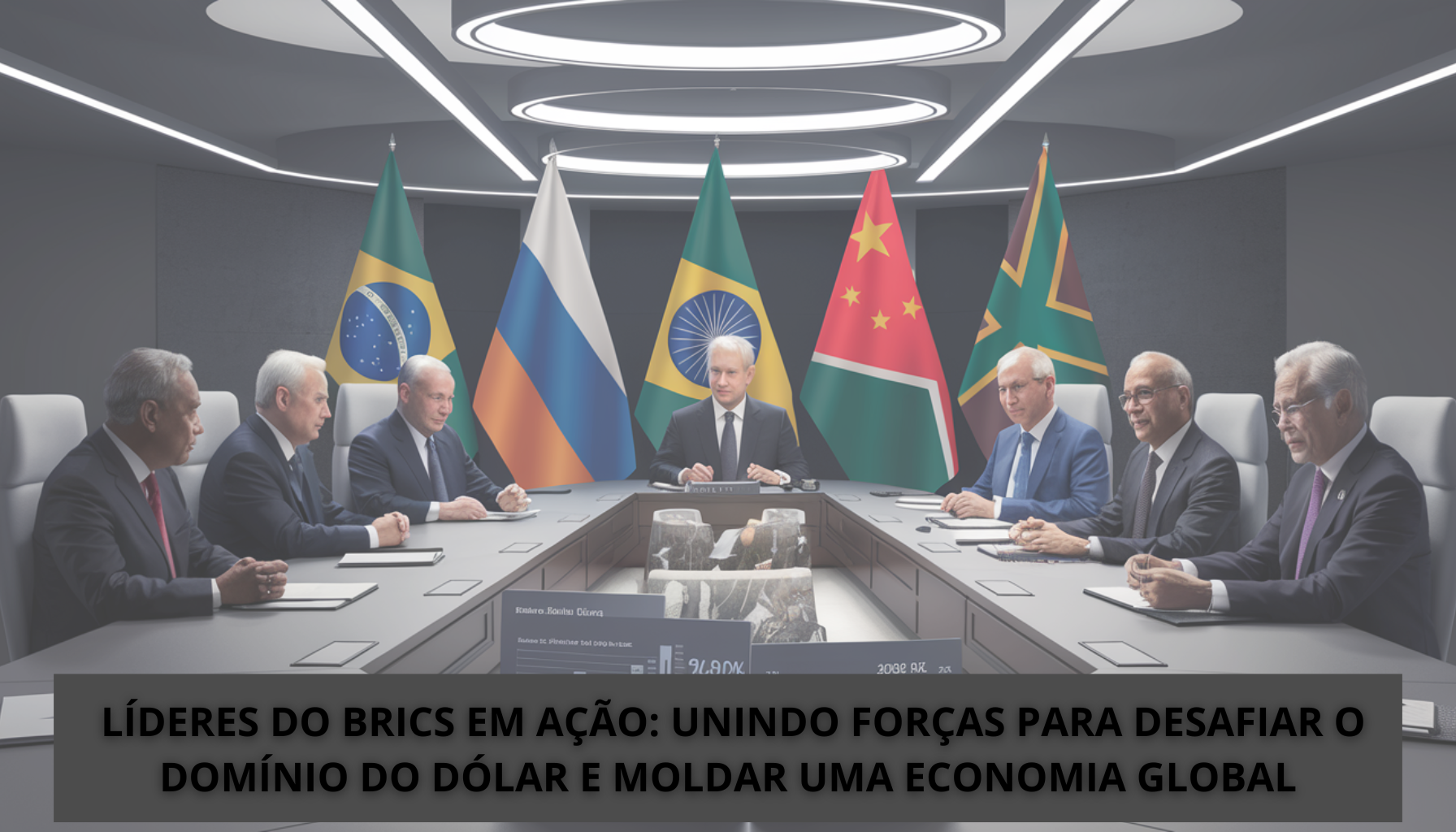


BRICS Challenges The Global Financial System! With New Members Like Saudi Arabia And Iran, The Bloc Expands Its Influence, Promoting Alternatives To The Dollar And A Multipolar Economic System. Brazil Takes On A Leading Role, Balancing Relationships Between BRICS And The West.
In Recent Decades, BRICS, Initially Composed Of Brazil, Russia, India, China, And South Africa, Has Become A Central Force In Global Geopolitics And Economics.
But What Seemed To Be Just An Emerging Group Is Now Consolidating As A Potential Alternative To The Western Financial Model, Symbolized By The Hegemony Of The US Dollar.
With The Recent Inclusion Of New Members Like Saudi Arabia, Iran, And The United Arab Emirates, BRICS Is Taking On Unprecedented Prominence.
-
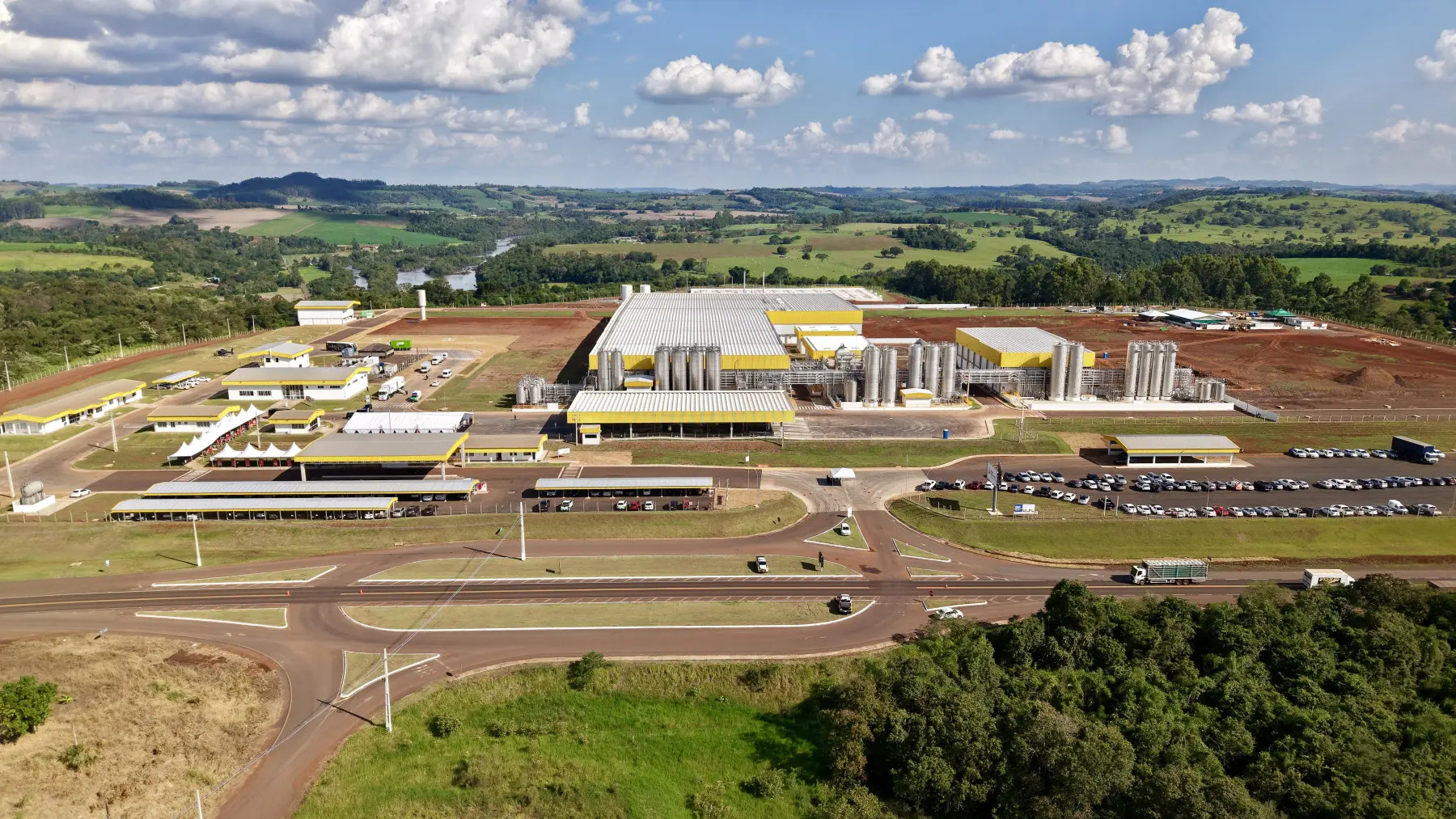
With an investment of R$ 612 million, a capacity to process 1.2 million liters of milk per day, Piracanjuba inaugurates a mega cheese factory that increases national production, reduces dependence on imports, and repositions Brazil on the global dairy map.
-
Brazilian city gains industrial hub for 85 companies that is equivalent to 55 football fields.

-
Peugeot and Citroën factory in Argentina cuts production by half and opens a layoff program for more than 2,000 employees after Brazil drastically reduced purchases of Argentine vehicles.

-
A Brazilian city gains a factory worth R$ 300 million with the capacity to process 200 thousand tons of wheat per year, a mill of 660 tons/day, silos for 42 thousand tons, and an industrial area of 276 thousand m².


This Movement Sparks Debates About Transforming The Global Economic System, Challenging Established Structures Like The IMF And The World Bank.
Behind This Expansion Lies A Central Question: Will BRICS Be Able To Lead A Global De-dollarization Movement And Reformulate The Foundations Of International Trade?
The Role Of BRICS In The Global Economic Scenario
BRICS Officially Emerged In 2009 During A Summit In Yekaterinburg, Russia, Aimed At Promoting Sustainable Economic Growth Among Its Members.
Initially Limited To Four Nations—Brazil, Russia, India, And China—The Group Expanded In 2010 With The Entry Of South Africa, Solidifying The Name BRICS.
In The Following Years, The Bloc Gained Relevance, Particularly By Addressing Issues Related To Economic Alternatives To The Western Model And The Creation Of A Multipolar Financial System.
Today, The Member Countries Represent About 31.5% Of Global GDP And Over 40% Of The World’s Population.
According To CNN Brasil, In 2023, BRICS Reported An Economic Growth Rate Above The Global Average, Driven By The Expansion Of Internal Markets And Increased Exports
Despite Uneven Economic Growth Among Its Members, BRICS Has Become A Cohesive Force In Discussions About Global Inequality, Sustainability, And Financial Autonomy.
De-dollarization: A Step Toward Autonomy
One Of The Most Debated Points In BRICS Meetings Over The Past Few Years Has Been The So-Called “De-dollarization”.
This Movement Aims To Reduce Dependence On The US Dollar In International Transactions And Create Alternatives That Protect Member Countries From External Economic And Political Instabilities.
Currently, The Dollar Dominates About 88% Of Global Transactions, According To Data From The Bank For International Settlements (BIS).
This Monopoly Provides The United States With Disproportionate Influence Over Global Trade And The Financial System, Allowing Severe Economic Sanctions, Such As Those Imposed On Russia After The Invasion Of Ukraine.
As An Alternative, BRICS Has Promoted The Use Of Local Currencies In Bilateral Transactions. For Example, Brazil And China Already Use The Yuan In Some Of Their Trade Agreements, Particularly In The Agricultural And Commodities Export Sector.
Additionally, The New Development Bank (NDB), Known As The BRICS Bank, Finances Infrastructure Projects Without Relying Exclusively On The Dollar.
Dilma Rousseff, President Of The NDB, Highlighted During The Last Summit Of The Bloc: “The Use Of The Dollar As A Weapon Against Emerging Countries Is Unacceptable. We Need A New Global Financial Governance.”
Brazil And BRICS: A Delicate Balance
For Brazil, BRICS Represents A Unique Opportunity To Diversify Its Economic Partnerships And Strengthen Its Global Presence.
In 2023, The Country Exported Over US$ 70 Billion To China, Solidifying It As Its Main Trade Partner. This Relationship, According To CNN Brasil, Has Been Crucial For The Growth Of The Brazilian Agribusiness.
However, The Approach To BRICS Is Not Without Challenges. Brazil Needs To Balance Its Relationships With The West, Particularly With The United States And The European Union, To Avoid Diplomatic Conflicts.
The Dependence On The North American Market Remains Significant, Especially In Sectors Such As Manufacturing And Technology.
Robson Gonçalves, An Economist At FGV, Explains: “Being In BRICS Does Not Mean Antagonizing With The West, But Rather Expanding Our Options.”
Brazil Should Seek A Leadership Role In Diplomacy, Remaining Neutral In Geopolitical Conflicts.”
The Inclusion Of New Members: More Strength Or More Divergences?
The Expansion Of BRICS In 2024 Brought New Challenges And Opportunities. With The Entry Of Countries Like Saudi Arabia And Iran, The Bloc Adds Robust And Strategic Economies, Especially In The Energy Sector.
However, The Diversity Of Interests Among Members May Hinder The Coordination Of Joint Policies.
While China And India Have Gigantic Economies And Conflicting Regional Interests, Smaller Countries Like South Africa And Brazil Seek Balance Between Their Domestic Agendas And International Cooperation.
Roberto Dumas, An Economics Professor At Insper, Comments: “The Success Of BRICS Will Depend On Its Ability To Align Diverse Interests Around Common Goals. The Governance Of The Bloc Will Be Essential.”
Geopolitics And The Role Of BRICS In The Multipolar World
In Addition To Economic Issues, The BRICS
Also Influences The Global Geopolitics. In An Increasingly Polarized World, With Rising Tensions Between The United States And China, The Bloc Positions Itself As A Strategic Counterbalance To Western Powers.
For Example, Russia Sees BRICS As An Opportunity To Escape Sanctions Imposed By The West And Strengthen Its Relationships With Emerging Countries.
Meanwhile, China Uses The Bloc To Expand Its “Belt And Road” Initiative, Promoting Infrastructure And Trade Around The World.
Brazil: Leader Or Supporting Role?
For Brazil, BRICS Is A Platform To Reinforce Its Foreign Policy Of Multilateralism And Pacifism. The Country’s Presence In The Bloc Allows For More Favorable Bilateral Agreements And The Ability To Influence Global Decisions, Especially In Forums Like The G20 And The UN.
The Future Of BRICS: Challenges And Opportunities
The Success Of BRICS Will Depend On Its Ability To Overcome Internal And External Challenges. Among The Main Obstacles Are:
- Economic Inequality Among Members.
- Lack Of A Common Currency, Making Financial Integration Difficult.
- Geopolitical Pressures, Especially Among China, India, And The West.
Despite This, The Bloc Has Significant Opportunities, Such As The Creation Of An Alternative System To SWIFT, Used For International Financial Transactions, And The Increase Of Investments In Infrastructure And Technology.
BRICS Is Just Beginning Its Journey Toward A New Global Governance.
Can BRICS Truly Transform The Global Economic System Or Is It Doomed By Internal Limitations?







BRICS JÁ ERA CHINESADA COMUNA.
O principal elemento que mantém o dólar americano como moeda global é a força militar americana que não aparece nas notícias, mas é muito relevante, embora China e Rússia estejam trabalhando para ultrapassa-la.
Por enquanto, a guerra é somente de narrativas e especulações financeiras, mas somente a guerra mundial resolve o impasse.
O Brasil, se não fosse a sua relevância no agro, seria um mero coadjuvante, porque em outros setores, principalmente bélico é inexpressivo, pois vem sendo sucateado a quase trinta anos.
Bora estudar história e ver o que o socialis mo e comuni smo tem.