





 Português
  Inglês
  Espanhol
  3 min de leitura
  0 comentários


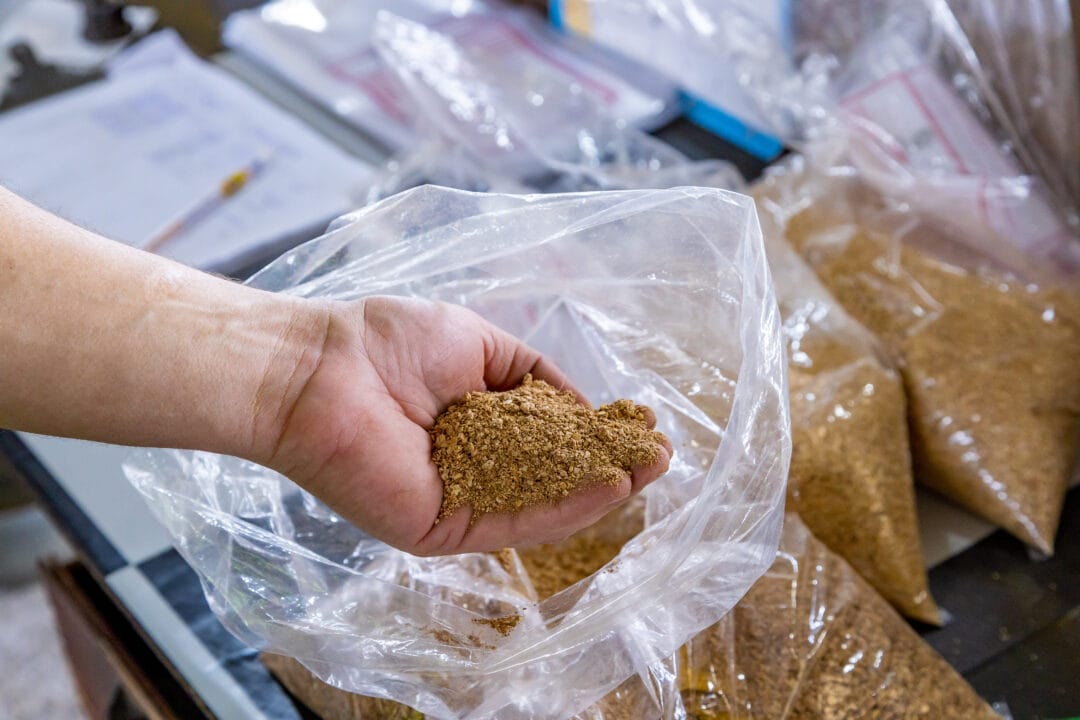
Unprecedented Service in the Market Measures From the Production of Agricultural Inputs to Commercialization and Promotes Sustainable Practices in the Agricultural Sector
Bureau Veritas, a global leader in Testing, Inspection, and Certification (TIC), is responsible for auditing the PRO Carbono Commodities, Bayer’s pioneering program for measuring the carbon footprint in soybean production in Brazil. Bayer and Embrapa developed a calculator, adapted for tropical climates, to measure the carbon footprint at all stages of the production chain. “Producing more with less while regenerating more” is Bayer’s vision for agriculture. The goal is to provide greater transparency and sustainability in the production of agricultural inputs by quantifying and ensuring traceability of the entire process, from the use of inputs such as seeds and fertilizers, fuel consumption in field operations and logistics, to delivery to traders, converting each contribution to CO2 equivalent.
“Minimizing the effects of global warming and being more sustainable are demands that are increasingly linked to all sectors, especially agriculture. The trend is for companies to prefer suppliers with the least possible carbon emissions aligned with the technologies developed that are essential for auditing the PRO Carbono Commodities program and ensuring the effectiveness of the measurement,” says Andressa Lisboa, Director of Certification and Auditing at Bureau Veritas.
Bayer’s program measures the carbon footprint and guarantees traceability of the entire grain production process as well as proposing intervention plans with actions that help to reduce carbon emissions, while contributing to the restoration of cultivated areas. The existing calculators were developed for temperate climates, the new program innovates by capturing much of the primary data in an automated manner, through digital solutions, revealing that the average CO2 emissions of participating producers are lower than the average Brazilian footprint reported in international databases. According to Andressa, the differentiator of the calculator developed by Bayer and Embrapa is to take into account the differences in agriculture practiced in tropical areas like Brazil, considering, for example, soil behavior, management types, crops, and the number of harvests in a year, instead of relying on climate and soil references from Europe and the USA that do not correspond to our reality.
-
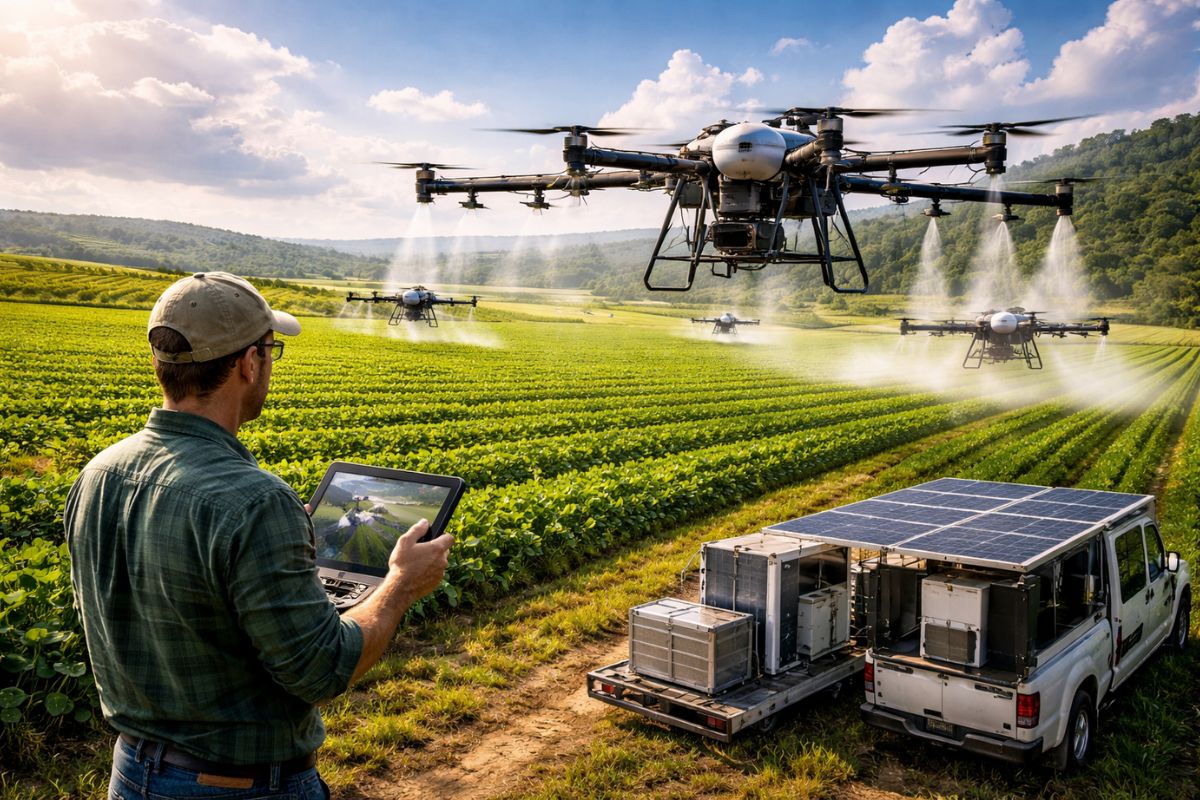
Alone, the producer applies 7,400 hectares with the T100 drone in an optimized structure, replaces the generator with a silent battery, and demonstrates how technology reduces costs, increases productivity, and even challenges the uniport in the field.
-
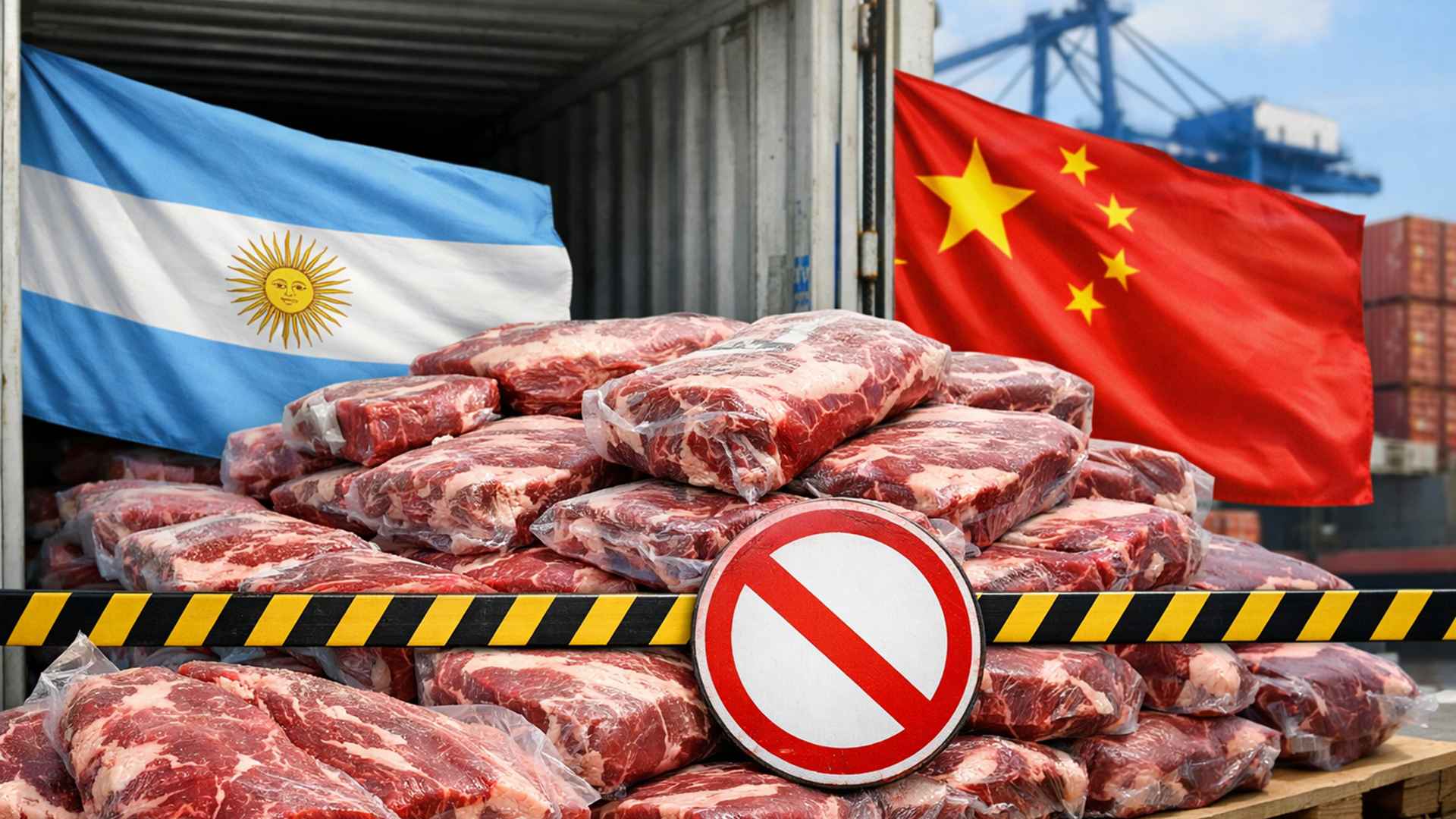
China banned the export of 22 tons of meat from Argentina.
-
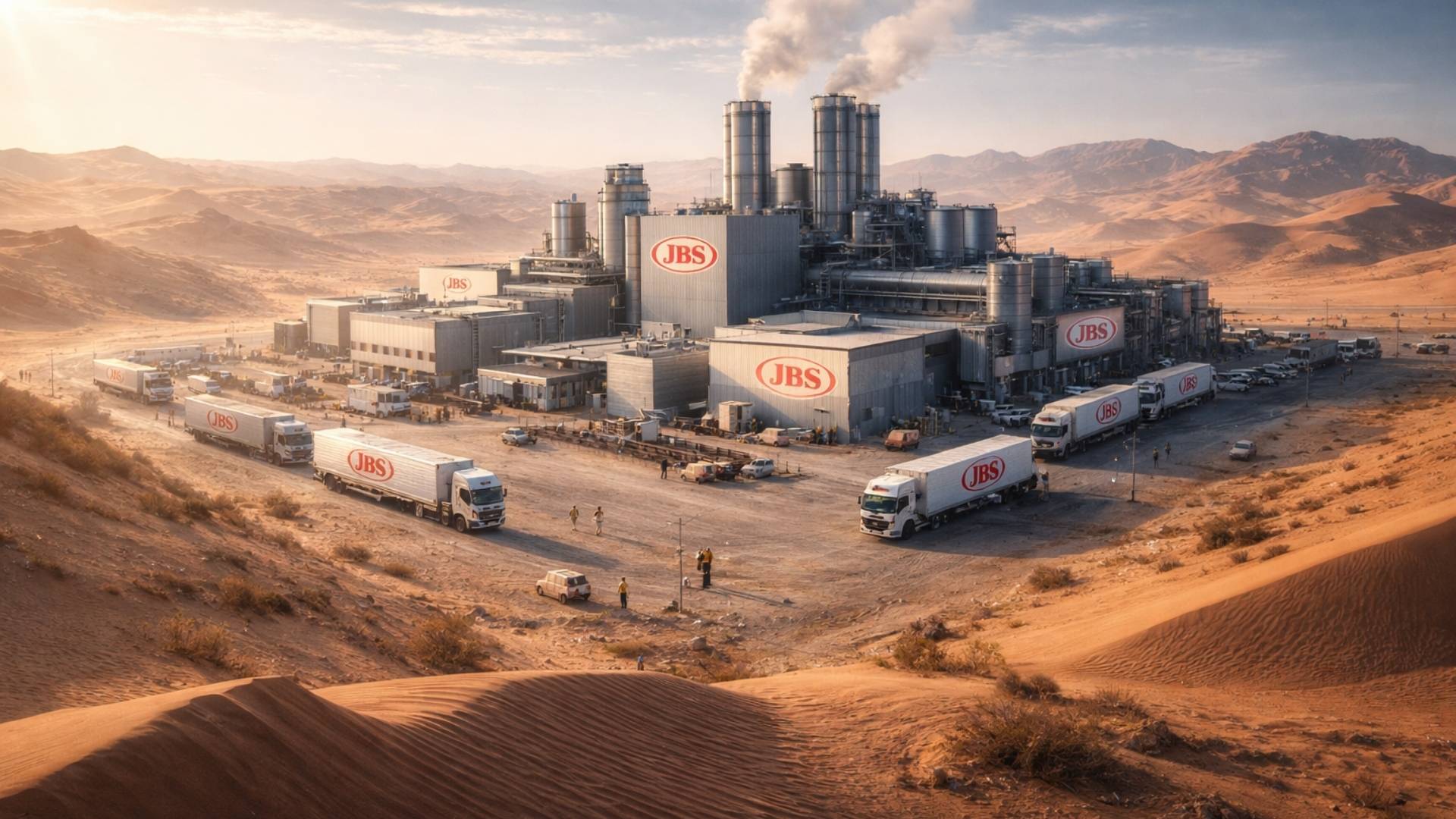
JBS, founded by the Batista brothers, continues to conquer the world: entrepreneurs built a ‘factory in the desert’ creating 3,000 jobs.
-
With only 1% of Brazil’s territory, Santa Catarina has built one of the most competitive industrial parks in the country, with 64,000 companies, nearly 1 million jobs, and a growth rate of 5.3% while the national industry is practically stagnant.


Initially applied to soybeans, the methodology has the potential to also be expanded to other crops. The basis of the calculation is similar for commodities, but each crop has different needs and specificities, therefore, the entire process is adaptable.
About Bureau Veritas Group
With a global revenue of €5.7 billion, Bureau Veritas is a world leader in Testing, Inspection, and Certification (TIC). Founded in 1828, the Group is present in 140 countries, serving more than 400,000 clients. There are 80,000 employees located in over 1,600 offices and laboratories worldwide, including more than 6,000 professionals in Brazil. Bureau Veritas offers a complete portfolio of services and innovative solutions to ensure that assets, products, infrastructure, and processes meet quality, health and safety, environmental protection, and social responsibility standards and regulations.









Seja o primeiro a reagir!