





 Portuguese
  English
  Spanish
  4 min of reading
  5 comments


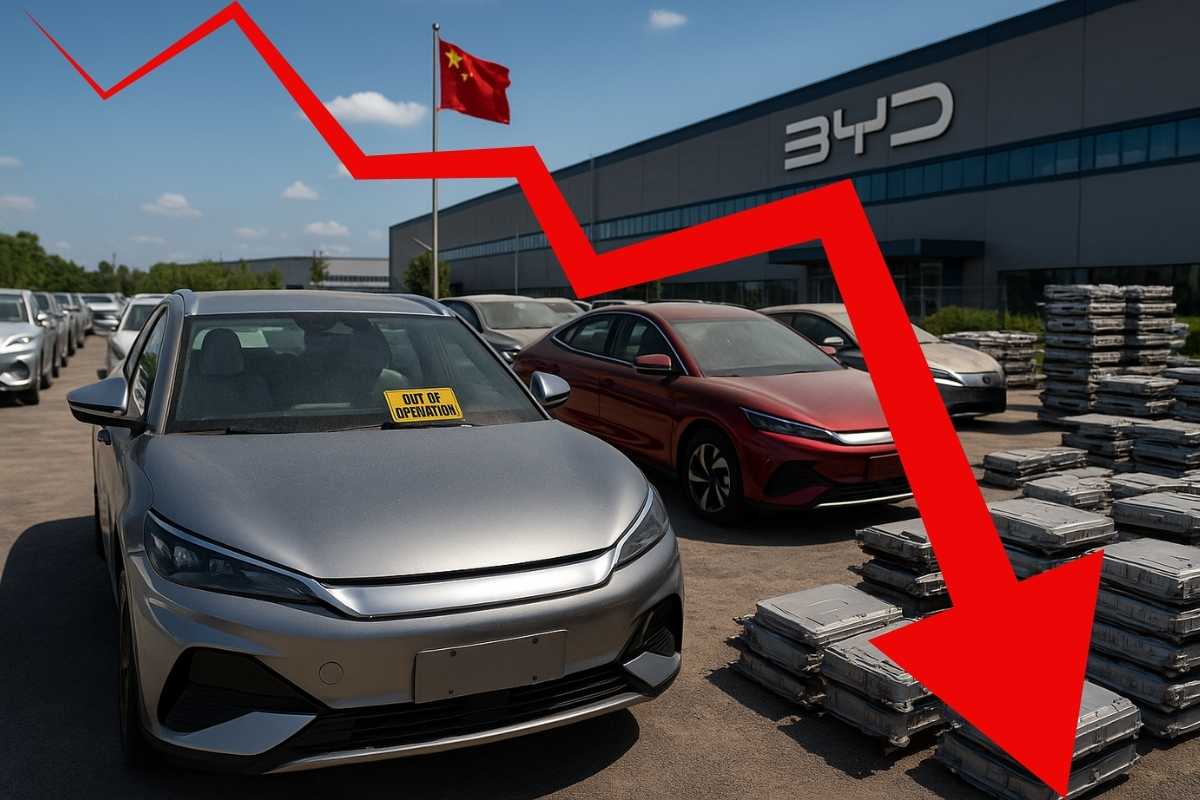


According to Economist Fernando Ulrich, BYD’s warning exposes a structural imbalance that could lead electric automakers to forced consolidation in the world’s largest market.
BYD has sounded the alarm for electric automakers in China by projecting a wave of bankruptcies with the end of aggressive promotions. For Ulrich, the end of discounts, combined with years of overinvestment and subsidies, creates unsustainable pressure on margins and accelerates the cleansing of the sector.
The scenario described by Ulrich is part of an excess capacity situation and intense competition. Even with advanced technology and competitive prices, the electric automaker sector in China faces high inventory, low profitability, and a dependence on incentives that, in practice, masked operational weaknesses.
Who Sounds the Alarm and Why It Matters
BYD’s vice presidency stated that the market will need to eliminate many manufacturers after the end of the price war.
-
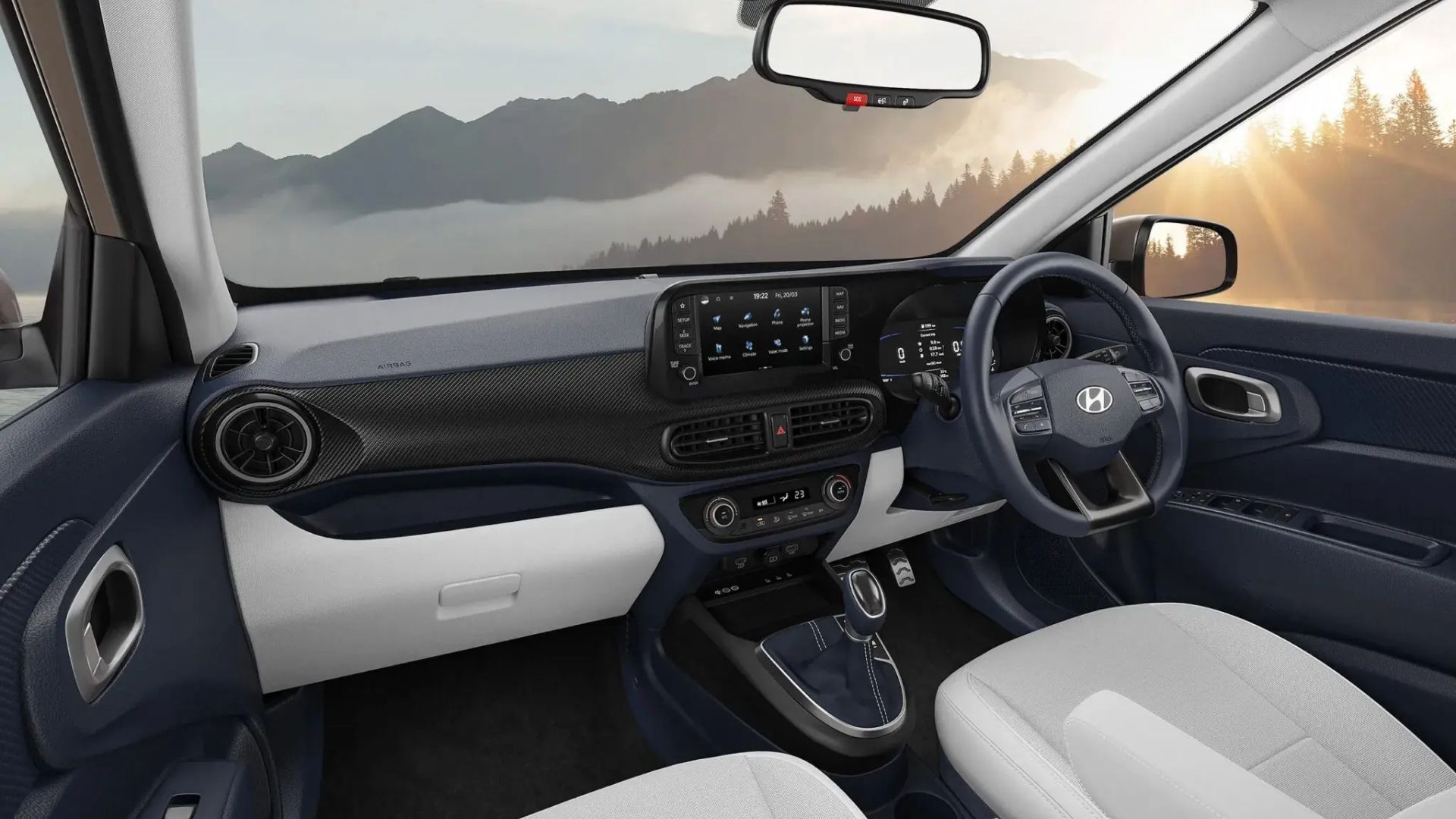
For R$ 32,000, a brand new Hyundai car is a rival to the Kwid with a 1.2 engine producing 82 hp, 6 airbags as standard, multimedia with wireless Android Auto, up to 391 liters in the trunk, and a refreshed look for 2026 in India.
-
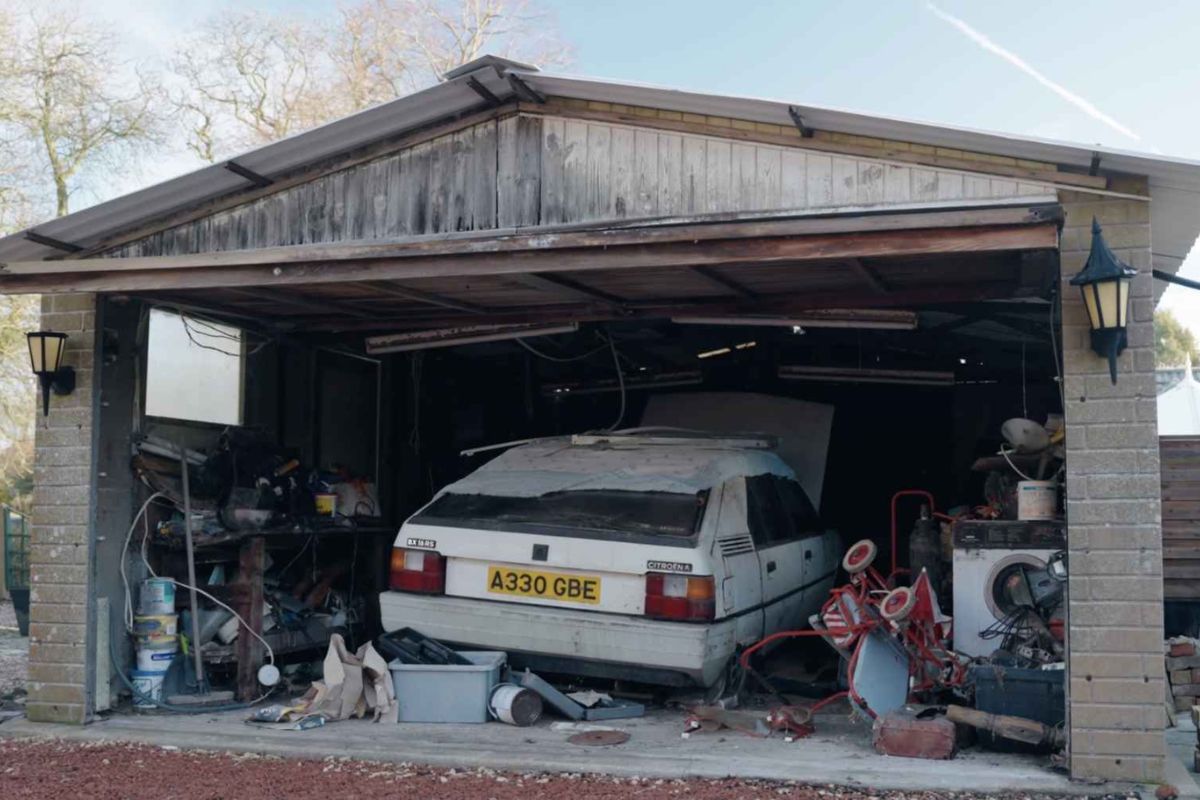
He bought a new car in 1983, locked it in the barn in 1988, and no one opened the door for 38 years until the family discovered what was stored inside and realized it looked like something out of a movie.
-
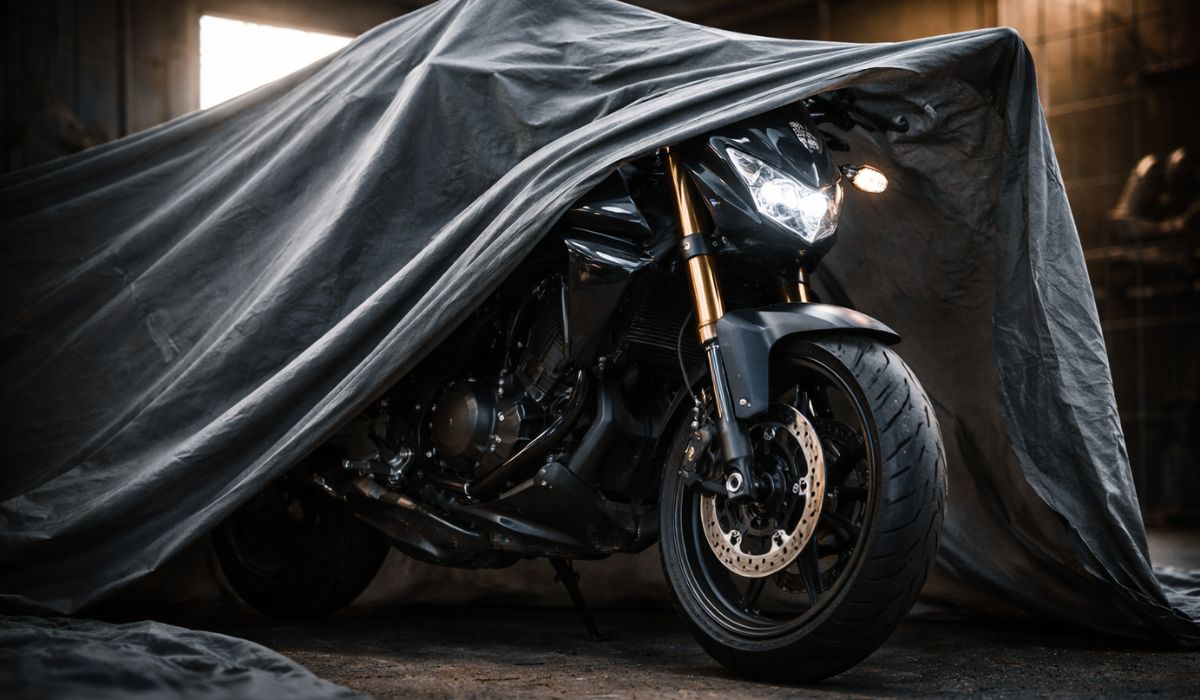
A 250cc motorcycle that can reach 560 km with a 14-liter tank, features disc brakes on both wheels and is among the most well-known in Brazil.
-
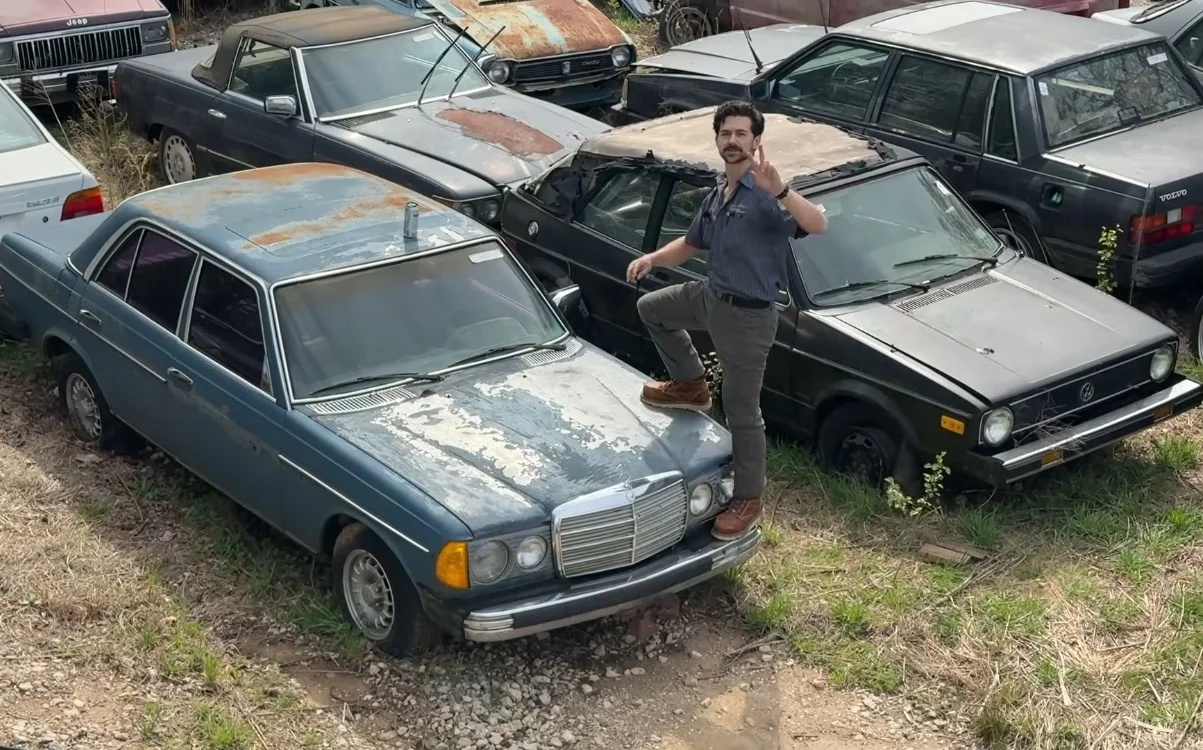
Man finds over 200 rare cars abandoned on a lot and tries to do the impossible in 8 hours with a surprise at the end.

Ulrich stresses that the cut in discounts removes the main lifeline for dozens of smaller brands, reducing customer traffic and sales conversion in an already saturated environment.
For the economist, BYD’s message is significant because it comes from a global leader in electric vehicles.
When the biggest winner of the competition suggests drastic slimming, the reading is that the phase of indiscriminate expansion is over.
Ulrich interprets the move as a step towards a more rational market, albeit painful in the short term.
How Much Is the Excess and Where Does It Appear
The sector hosts an unprecedented volume of competitors.
Ulrich cites estimates that 129 brands sold electric or hybrid vehicles in China, but only about 15 are expected to be viable by 2030, according to projections from consultancies mentioned in the discussion.
This indicates a profound natural selection, with direct impacts on employment, supplier networks, and dealerships.
The excess is not only in the number of brands.
The installed capacity would be sufficient to produce approximately double the 27.5 million vehicles manufactured last year, a clear mismatch between supply and demand.
At the same time, China already sells more than 7 million electric vehicles per year, with Chinese brands accounting for about 69% of sales in the country, which shows industrial dominance but does not guarantee widespread profitability.
Why Public Policy Distorted the Market
Ulrich emphasizes that years of subsidies, targets, and directed credits boosted production, but not always real demand.
Local governments offered cheap land and benefits to attract factories, tying production and revenue targets.
The result was a race for volume, not profit, with collateral effects on distribution.
In stores, only a minority of dealerships operates in the black, according to surveys cited by Ulrich in the analysis.
There are reports of practices to accelerate inventory turnover, such as recording vehicles as sold to meet targets and unlock factory bonuses.
This dynamic pressures prices, erodes margins, and creates the illusion of commercial traction in segments where it does not exist.
What Changes with the End of Discounts
With the government restricting aggressive promotions, several brands lose their main lever to compete on price.
For Ulrich, the end of the price war increases the likelihood of consolidation, as those who relied on permanent cuts will see a drop in volume and greater difficulty covering fixed costs.
At the same time, a sudden shock is unlikely. Ulrich notes that local governments tend to sustain strategic companies for longer, which may prolong the market cleanup for years.
Still, the vector is clear: fewer players, more capital discipline, and a focus on profitability.
Impacts for Brazil and the Consumer
Brazil is already feeling the wave. Ulrich notes that Chinese brands dominate electric vehicle sales in the country, with a share close to 92% of new purchases in this segment.
This pressures traditional rivals and keeps aggressive offers in the short term, benefiting those seeking price and a robust technological package.
On the other hand, the uncertainty surrounding consolidation in China raises questions about resale value and depreciation.
If smaller brands exit the game, long-term support may be restricted to stronger manufacturers.
Ulrich recommends evaluating service networks, warranty, and the consistency of the importer before making a deal, especially for newly launched models.
Is It Worth Investing in Electric Automakers Now

For automotive sector investors, Ulrich sees a cycle of natural selection. Leaders with scale, battery integration, and access to capital are likely to emerge stronger.
For individual buyers, the total cost of ownership remains the central criterion, considering entry price, maintenance, insurance, charging infrastructure, and potential depreciation.
In the economist’s view, those prioritizing immediate savings may benefit from current offers, as long as they choose established brands.
Meanwhile, those thinking long-term should prefer manufacturers with a global portfolio, structured after-sales network, and consistent history of software and parts updates.
BYD’s alert, interpreted by Fernando Ulrich, indicates that the cycle of unchecked expansion of electric automakers has entered an adjustment phase.
The end of discounts highlights the need for profit and should accelerate mergers, exits, and restructuring.
For Brazil, prices remain competitive, but the purchasing decision requires attention to the solidity of the chosen brand.
Do you agree with the reading that consolidation is inevitable in the short term, or do you think local governments will keep many brands alive for years? In your opinion, which electric automakers have the best chance of staying on top and why? Share how you decide between aggressive pricing and long-term security in the comments.









Estou muito contente com meu BYD SONG PRO
Que vergonha a Byd querendo quebrar seu irmãos.
O site click Petroleo e Gás kkkkk Muita credibilidade.