





 Portuguese
  English
  Spanish
  3 min of reading
  22 comments


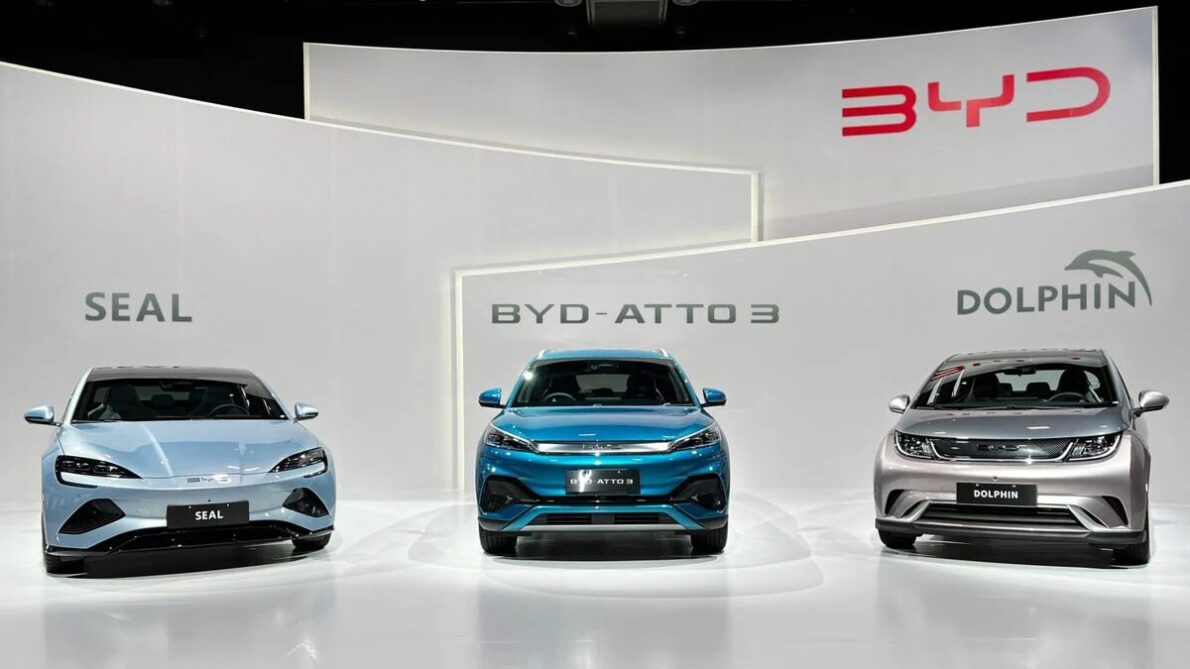

The Chinese Auto Manufacturer BYD Evaded R$ 1 Billion in Taxes with a Maneuver of Importing Electric Vehicles. This Strategy Not Only Consolidated Its Leadership in the Brazilian Market but Also Raises Questions About Competition Among Manufacturers and the Dynamics of Taxes, While Its New Factory in Bahia Prepares to Start Operations Soon.
Did you know that a simple import strategy can result in billion-dollar savings for a manufacturer?
The Chinese manufacturer BYD managed to avoid paying R$ 1 billion in taxes in Brazil, and the reason behind this maneuver could change the landscape of electric vehicles in the country.
By bringing forward the importation of electric vehicles during the first semester of 2024, BYD not only escaped high taxes but also positioned itself as the market leader in Brazil.
-
OMODA & JAECOO grows in Europe in 2026 with an integrated strategy of sales, innovation, local production, and technological advancement in the United Kingdom, Italy, and Spain.

-
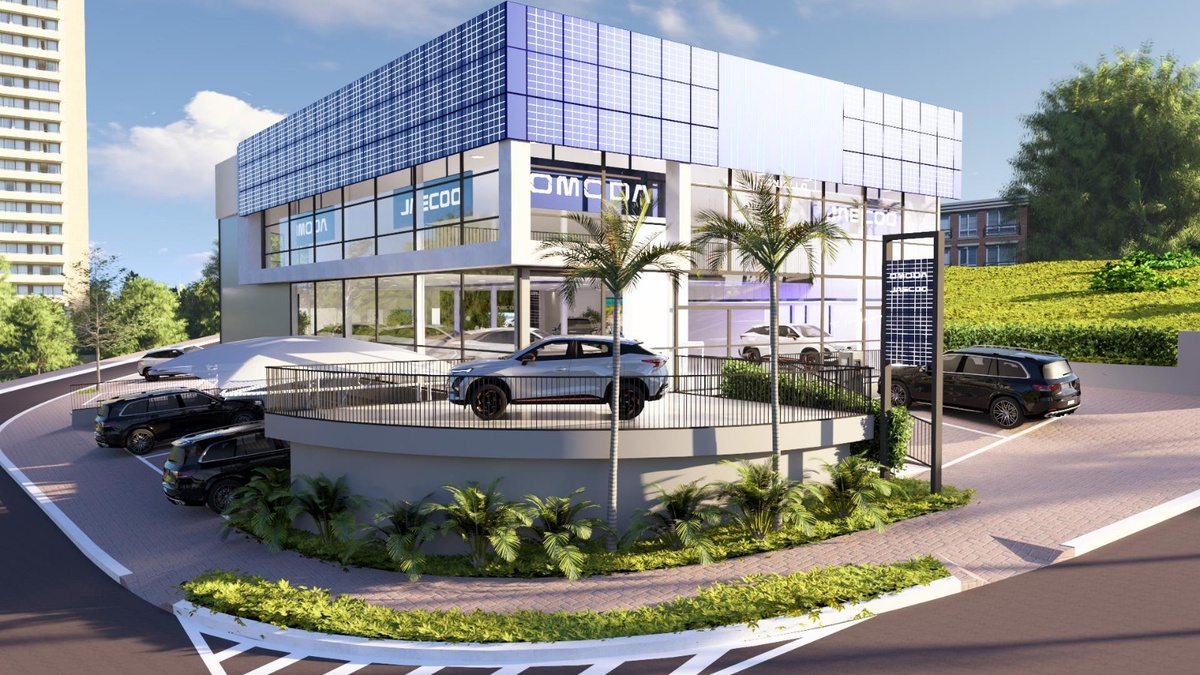
OMODA & JAECOO expands after-sales service in Brazil with competitive maintenance, a 7-year warranty, and high availability of parts for technological SUVs.
-
OMODA & JAECOO appoints Alessandra Souza as executive marketing director in Brazil and accelerates brand expansion with a focus on innovation, networking, and hybrid portfolio.

-
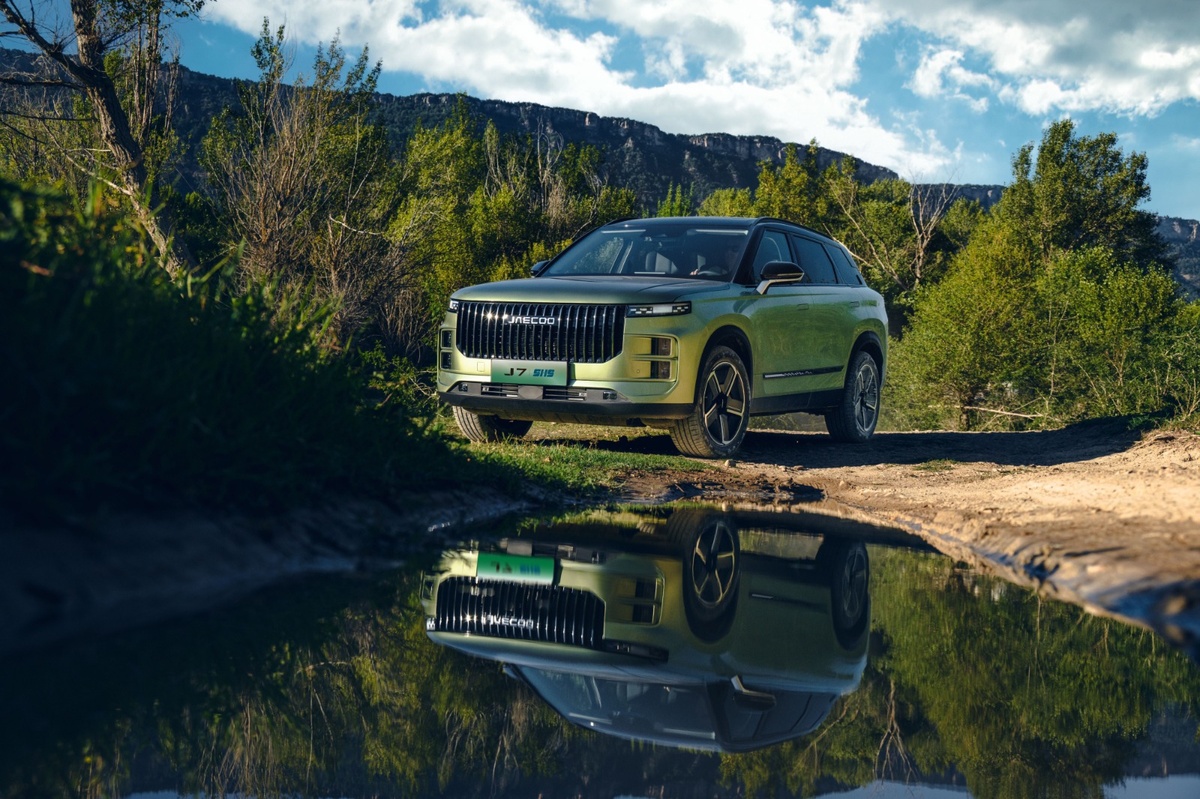
Jaecoo 7 with super hybrid SHS system exceeds 1,200 km of combined range with a 1.5 turbo engine, high-density battery, and intelligent energy management.

Growth of Electric Vehicle Imports
According to the newspaper O Globo, the import of electric vehicles grew 931% in the first semester of 2024 compared to the same period the previous year. This significant increase resulted in a total of R$ 5.4 billion in imports.
BYD, which stands out in this scenario, was responsible for almost 90% of this volume, with the importation of 114 thousand vehicles. The manufacturer has become a reference in the segment, consolidating its presence in the Brazilian market.
Sales on the Rise
In the last month, 13,254 hybrid and electric vehicles were sold in Brazil, resulting in a total of 122,548 units sold from January to September. This represents a growth of 113% compared to the same period the previous year.
BYD has become the leader in the electric vehicle sector and ranks 10th in overall licensing volume in Brazil. Excluding sales to rental companies, the Chinese manufacturer rises to 8th place.
BYD’s Early Import Strategy
Alexandre Baldy, Senior Vice President of BYD in Brazil, explained that the early importation ensured a sufficient volume of vehicles to sustain sales until the operation of the company’s new factory in Bahia.
The factory, located in the Camaçari hub, will begin operations in December and is expected to operate at full capacity in the first semester of 2025.
This strategy aims to prevent price increases for consumers, which could impact demand for its products.
BYD’s Distribution Logistics
Currently, BYD’s vehicles are distributed in centers located near strategic ports, such as those in Espírito Santo, Suape (PE), and Santa Catarina, avoiding the use of the Santos Port.
Baldy states that the stocked volume is “much lower” than what competitors have reported, which demonstrates the manufacturer’s confidence in its ability to meet demand.
Complaints from Traditional Manufacturers
However, this maneuver did not come without controversy. The high volume of electric vehicle imports generated complaints among traditional manufacturers.
Márcio Leite, president of Anfavea, stated that the massive importation of vehicles is making it difficult to introduce necessary parts and components for local production, causing a bottleneck in port operations.
Pressure on the Government
In response to this situation, Leite used this argument to request the government to advance the tax rate of 35% for 100% electric cars.
The gradual increase in taxes started in January at 10%, rising to 18% in July, with a forecast to reach 35% in July 2026. This strategy aims to balance the competitive conditions in the Brazilian automotive market.
With its strategic maneuvers, BYD not only stands out in the electric vehicle market but also raises questions about the dynamics of taxes and competition among manufacturers.
How do you see the impact of this BYD strategy on the future of electric vehicles in Brazil?









Brasileiro e ****..gosta de se foder mesmo…só fazer o L…
Temos nesse exemplo dois problemas. O primeiro é a dependência e subserviência a China. Segundo é a desindustrialização da economia brasileira. Nossos políticos, qualquer deles, só pensam neles, não tem projeto para nação, e não tem a menor ideia do que isso significa. Nossos empresários vivem pendurados nas benesses do governo e nos privilégios. Não investem recursos próprios, tudo é financiado, não investem em tecnologia e não apoiam a educação. Estamos perdendo nossa nação para os chineses, para o crime organizado e até para para os “influencer’s”, fúteis e vazios.
Esse sistema de taxar elétrico beira o ridículo…em vez do governo taxar pq não obriga a instalação de X pontos por mês de pontos de recarga? O meio ambiente agradece ao eletrico e uma pena pelo loby das montadoras dominar Brasília e não falarem a mesma língua pensando em nós.