





 English
  Francês
  Alemão
  Italiano
  Japonês
  Norueguês
  Portuguese
  Spanish
  3 min of reading
  0 comments


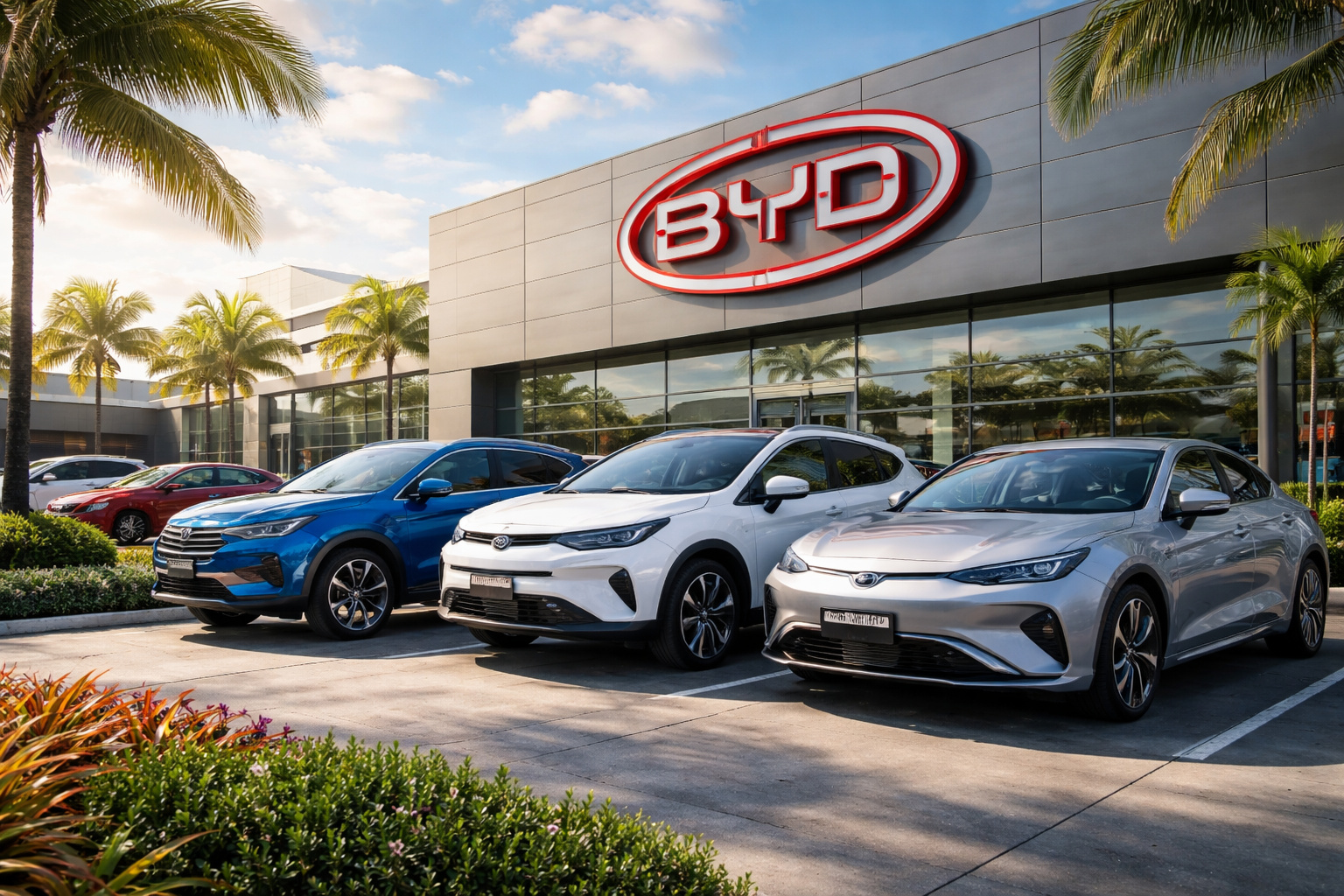
BYD’s Journey Combines Industrial Strategy, Technological Domination, and Government Support, Factors That Explain Its Growing Presence on Brazilian Streets.
A global industrial transformation has started to directly influence the Brazilian automotive market in recent years.
The Chinese automaker BYD, founded in 1995 by Wang Chuanfu, transitioned from the mobile phone battery sector and established itself as a worldwide leader in electric and hybrid cars.
This advancement, which gained momentum especially from 2022 in Brazil, results from long-term planning, productive integration, and strategic industrial policies.
This movement did not occur suddenly but was the consequence of decisions made over almost three decades.
Industrial Origin and Strategic Expansion
Initially dedicated to the production of rechargeable batteries in Shenzhen, the company became, in the early 2000s, the largest Chinese producer in the segment.
This growth occurred amidst the global expansion of mobile phones and laptops, which increased the demand for lithium batteries.
In 2003, Wang Chuanfu acquired the state-owned automaker Xi’an Qinchuan Automobile for 32 million dollars, a decision that marked the definitive entry into the automotive sector.
Despite the immediate drop in shares on the Hong Kong Stock Exchange, the strategy remained.
In 2005, the BYD F3 sedan surpassed 1 million units sold in China, consolidating the company’s new phase.
Electrification and International Recognition
In 2008, the company launched the F3DM, considered one of the first plug-in hybrid sedans produced on a commercial scale.
In the same year, Warren Buffett’s Berkshire Hathaway invested about 230 million dollars for a 10% stake in the company.
This investment enhanced BYD’s international credibility.
Although in 2011 Elon Musk publicly questioned the brand’s potential, the scenario changed over the following decade.
In 2023, Tesla began using BYD’s Blade LFP batteries in Model Y versions produced in Europe, demonstrating a new dynamic of cooperation.
-
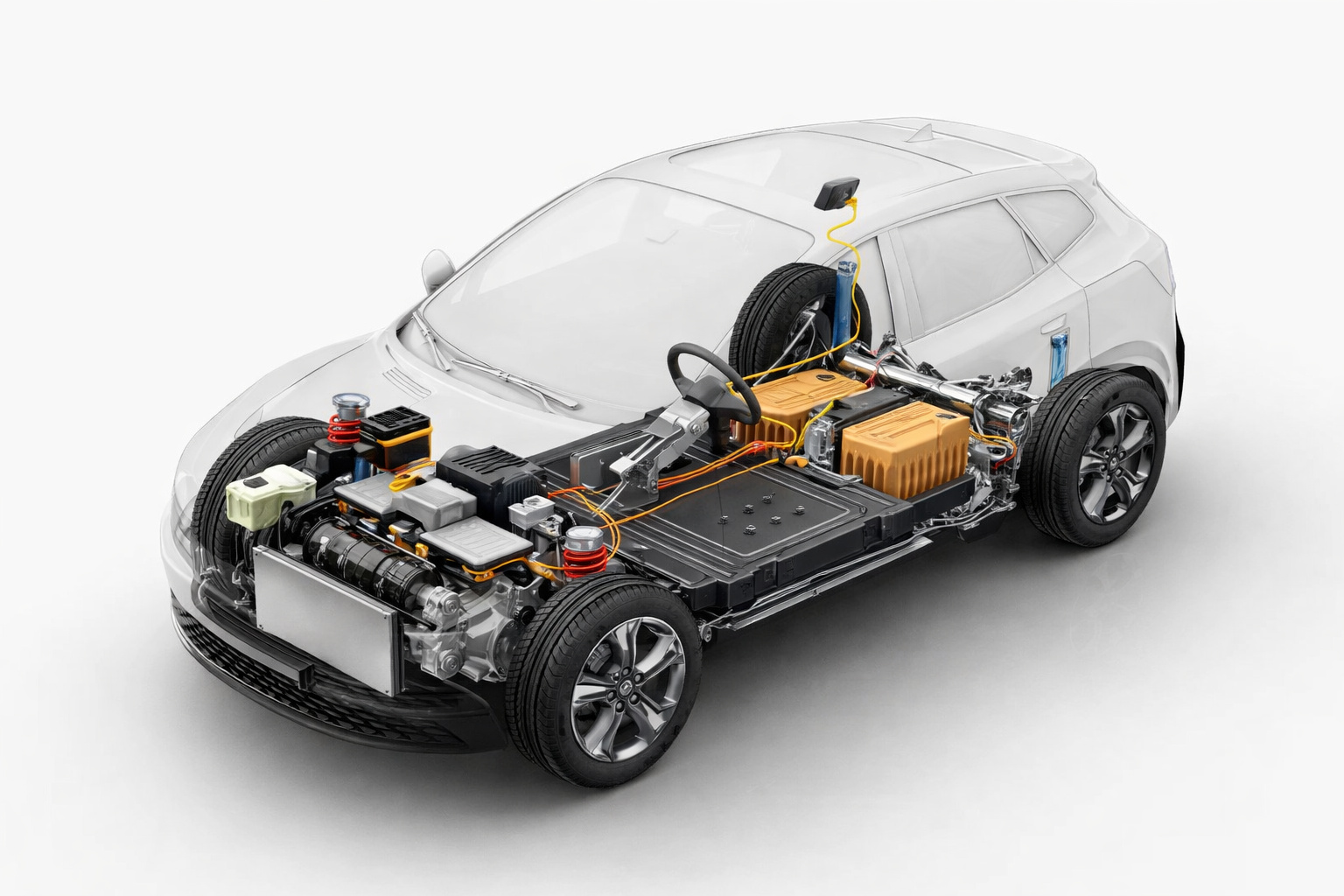
China Surprises Automotive Industry With Battery That Promises Electric Car Able to Run Up to 1,000 km Without Recharge
-
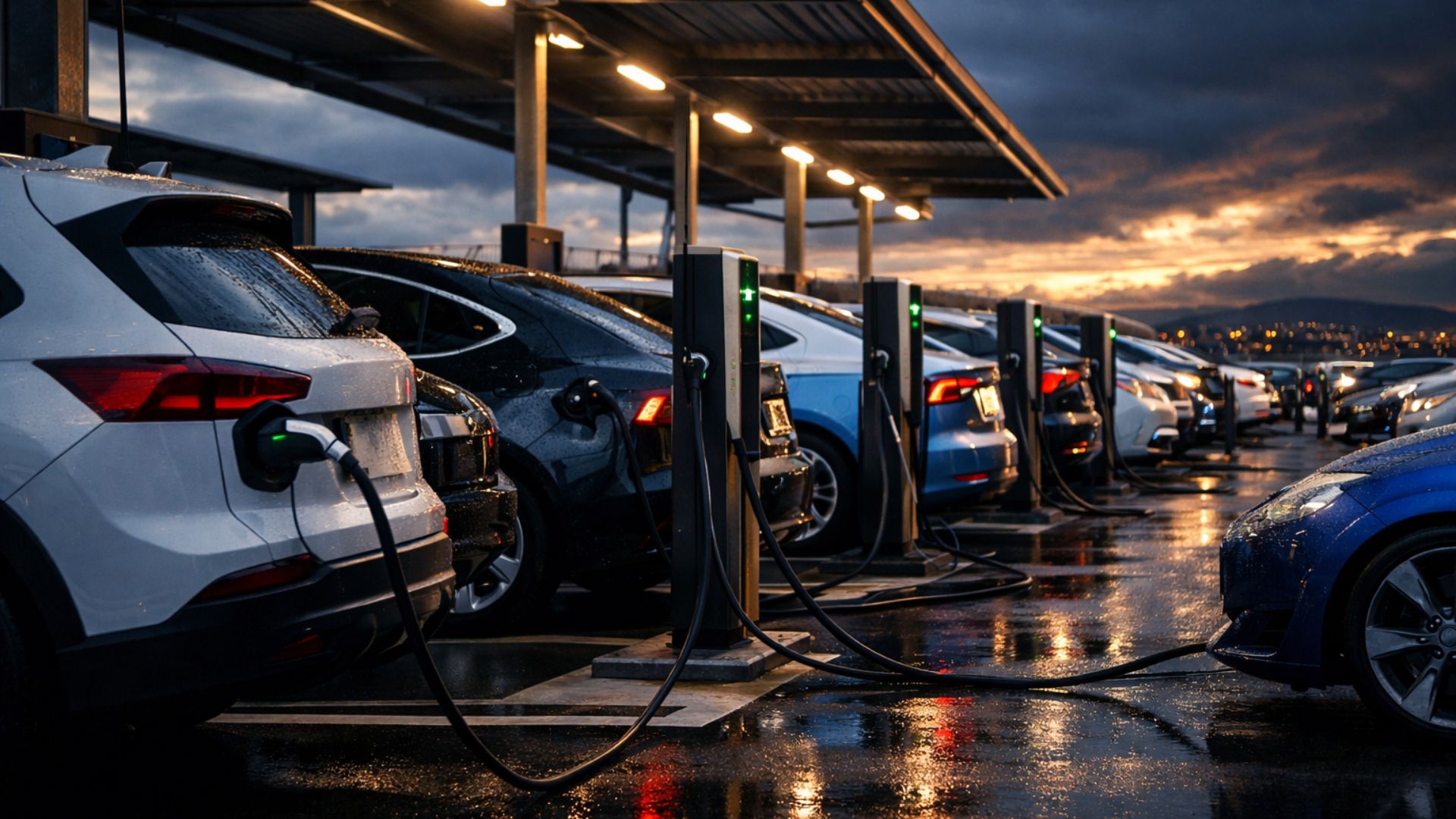
Electric Cars Make Progress in Brazil in 2026 and Promise to Reduce Drivers’ Costs with Cheaper Energy, While Infrastructure Grows Slowly Across the Country
-
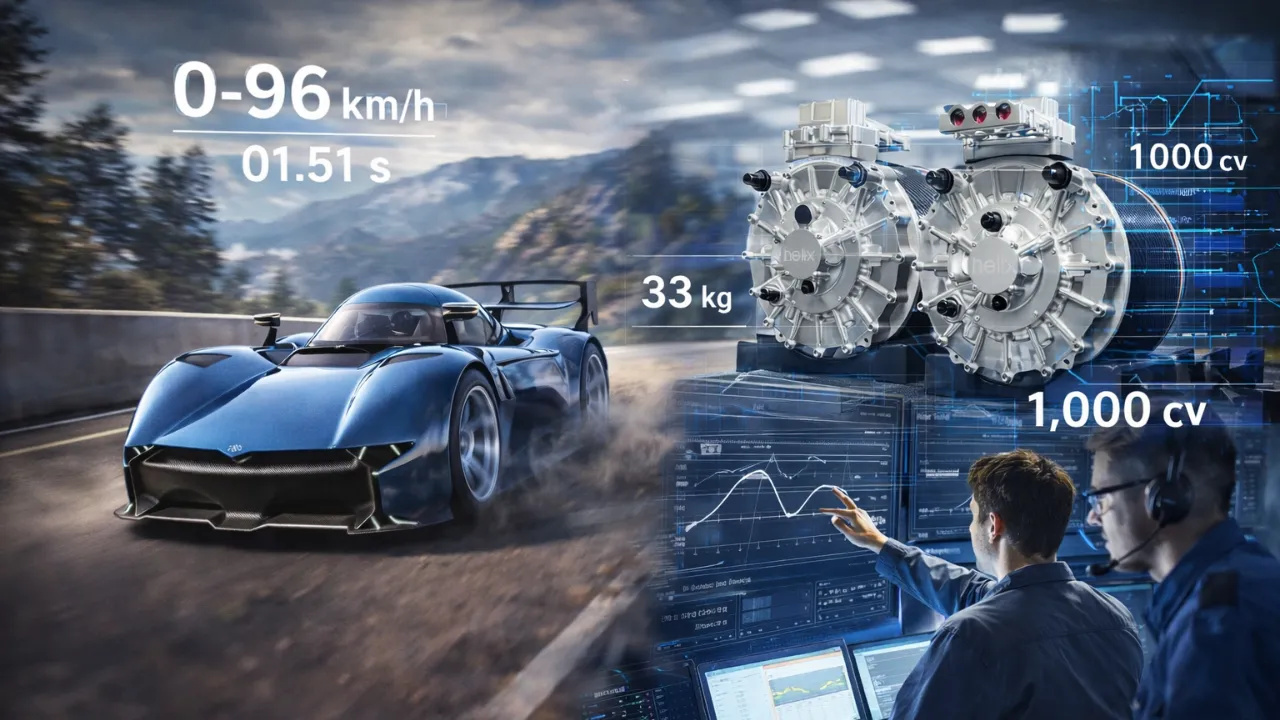
This Helix Electric Motor Weighs Only 33 Kg and Turns the McMurtry Spéirling Into a Compact 1,000 Hp Missile That Takes Just 1.5 Seconds to Reach 100 Km/H
-
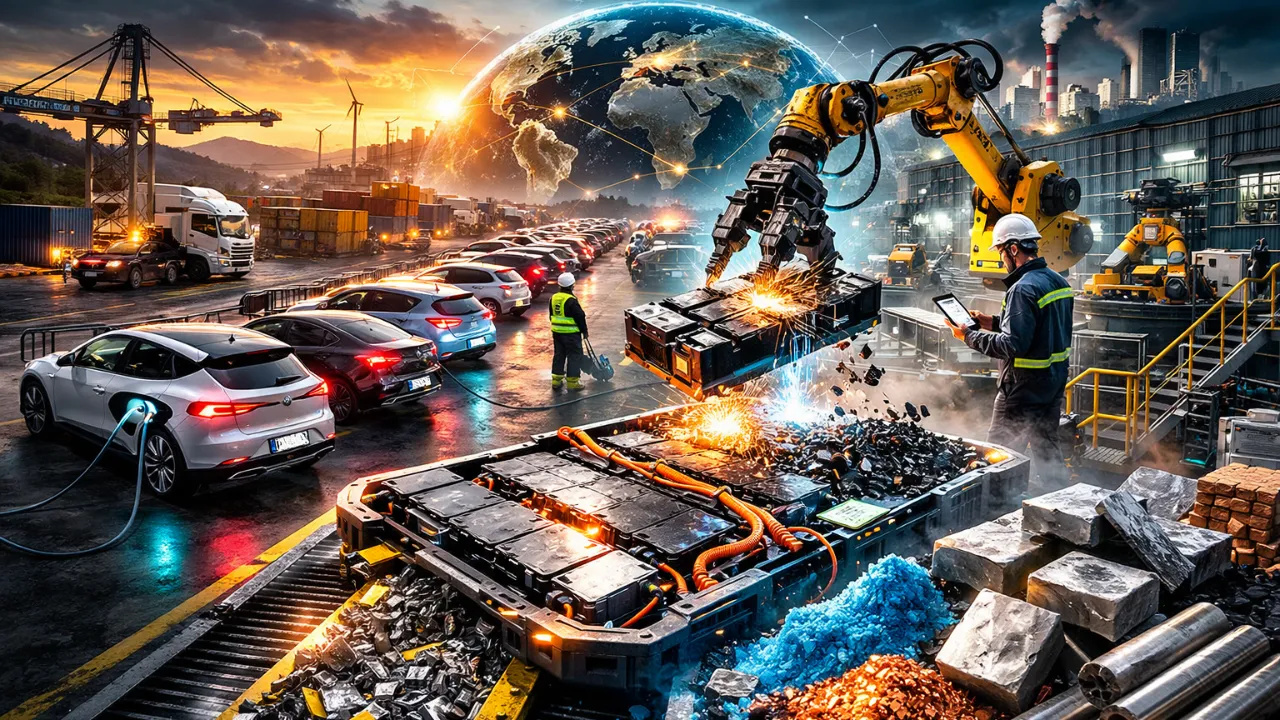
Recycling Electric Car Batteries Becomes The New “Urban Mine” And Opens A Global Race For Lithium, Nickel, And Cobalt — Whoever Dominates Now Could Control A $70 Billion/Year Market By 2040


Blade Battery and Vertical Integration
The Blade battery, officially introduced in 2020, utilizes lithium iron phosphate (LFP) chemistry.
The company released piercing tests showing thermal resistance and absence of combustion, reinforcing the safety proposition.
Additionally, BYD operates in a vertically integrated manner.
It manufactures cells, semiconductors, vehicles, and controls part of the international logistics with its own fleet of ships.
This integration reduces external dependencies and enhances competitiveness.
Entry into Brazil and Industrial Investments
BYD’s presence in Brazil began in 2015, with an electric bus chassis factory in Campinas and a battery unit in Manaus.
The progress gained new momentum in 2023 when the company announced investment in the Camaçari industrial complex in Bahia, the former Ford plant that closed in 2021.
The project foresees three production units focused on electric vehicles, buses, and battery material processing.
While the industrial structure is being organized, the company increased imports of electric and hybrid vehicles from 2022.
This movement raised questions from traditional automakers established in the country.
In light of the debate, the federal government established transitional rules for imports with temporary exemptions and a gradual return of the tax rate up to 35% by 2027.
State Support and Dependency Debate
The growth of BYD is associated with the Chinese industrial planning initiated in the 2000s.
According to public statements by Wang Chuanfu, the government treated the electric vehicle sector as strategic for the country’s economic future.
This model includes incentives, financing, and coordinated industrial guidelines.
At the same time, criticisms arose.
In 2022, the China Labor Watch organization published a report with accusations about working conditions in Chinese factories, allegations denied by the company.
Consumer Market or Production Hub?
In 2023, the Dolphin model became the best-selling electric car in Brazil within a few months, indicating consumer acceptance.
The combination of competitive pricing, proprietary technology, and network expansion boosted sales.
However, the debate remains open.
Experts discuss whether Brazil will solidify a robust industrial hub or predominantly act as a consumer market for foreign technology.
The answer will depend on industrial policies, productive investments, and the established counterpoints over the coming years.
What Should Be a Priority for Brazil: Strengthening Its Own Automotive Technological Chain or Strategically Integrating into the New Global Dynamics of Electric Mobility?









-

-

-

5 pessoas reagiram a isso.