





 Português
  Inglês
  Espanhol
  4 min de leitura
  8 comentários


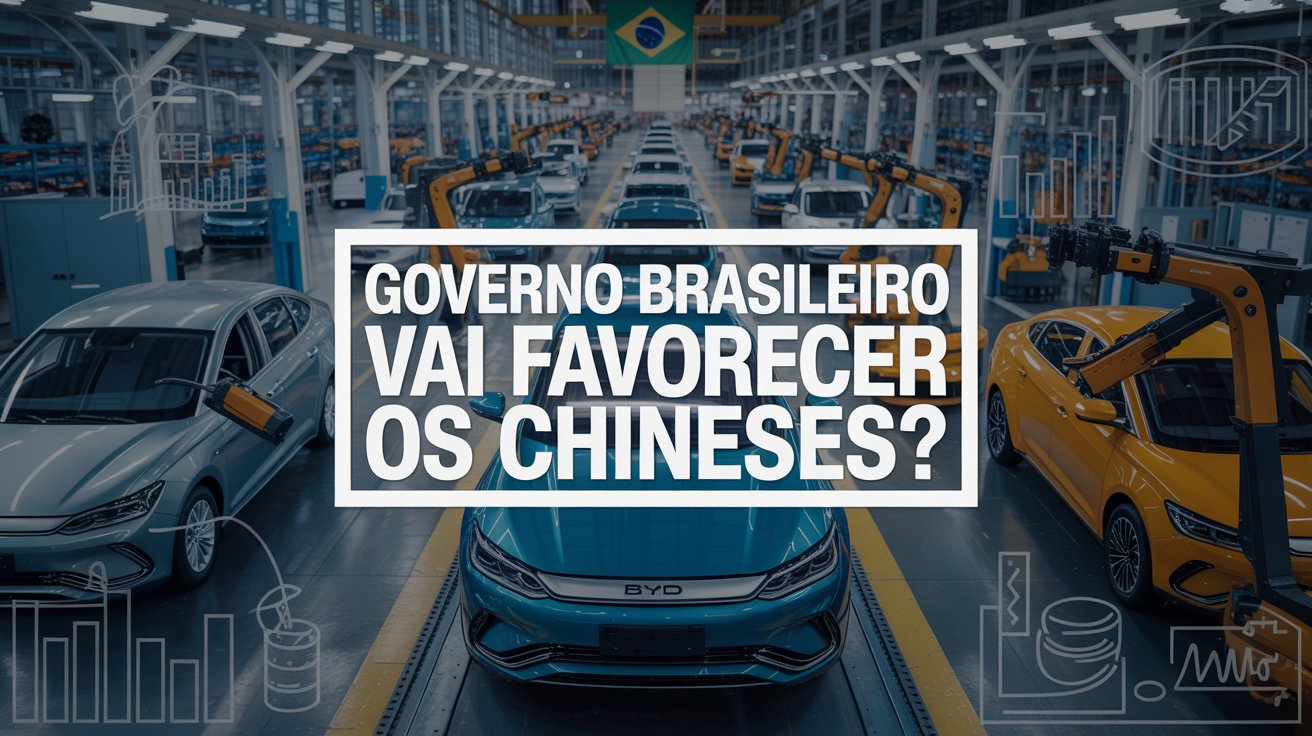


Brazilian Government Decision On Taxes May Alter The Scenario Of The Automotive Industry In The Country, After BYD’s Request To Facilitate The Import Of Chinese Vehicle Kits. Measure Is Discussed Amid The Expansion Of The National Electric Sector.
The Brazilian government is assessing measures that may benefit the automotive industry from China in Brazil following a formal request from the automaker BYD, a Chinese company that has expanded its operations in the country in recent months.
This Monday (28), the portal Brasil 360 revealed that the Executive Management Committee of the Foreign Trade Chamber (Gecex-Camex) — an agency that brings together representatives from 11 ministries of President Luiz Inácio Lula da Silva’s administration — will hold an extraordinary meeting to decide on requests that, if approved, may reduce taxes on imported vehicles under the kit regime.
The meeting occurs two days before the start of the 50% tariffs on Brazilian products announced by the U.S. government under President Donald Trump.
-
Brazilian city gains industrial hub for 85 companies that is equivalent to 55 football fields.

-
Peugeot and Citroën factory in Argentina cuts production by half and opens a layoff program for more than 2,000 employees after Brazil drastically reduced purchases of Argentine vehicles.

-
A Brazilian city gains a factory worth R$ 300 million with the capacity to process 200 thousand tons of wheat per year, a mill of 660 tons/day, silos for 42 thousand tons, and an industrial area of 276 thousand m².
-
Havan will leave the shopping mall in Blumenau to inaugurate something that the chain has never done before: a megastore in half-timbered style in the Historic Center of the city, which is expected to be completed in May and change the landscape of local retail.


According to sources cited by national newspapers, there is no direct relation between the date of the meeting and the implementation of the new U.S. tariffs.
Reduction Of Taxes For Electrified Vehicles
The main request under consideration is from BYD, which has asked the federal government to reduce the import tax rate on the so-called SKD (Semi Knocked Down, semi-assembled vehicles) and CKD (Completely Knocked Down, fully disassembled vehicles) kits.
Currently, the tax on SKD kits for electric cars is 18%, and for CKD kits, it is 20%.
BYD’s proposal is to reduce these percentages to 5% for electric vehicles and 10% for hybrids, aiming to align the Brazilian regime with that of other strategic markets where the company operates.
Presence And Expansion Of BYD In Brazil
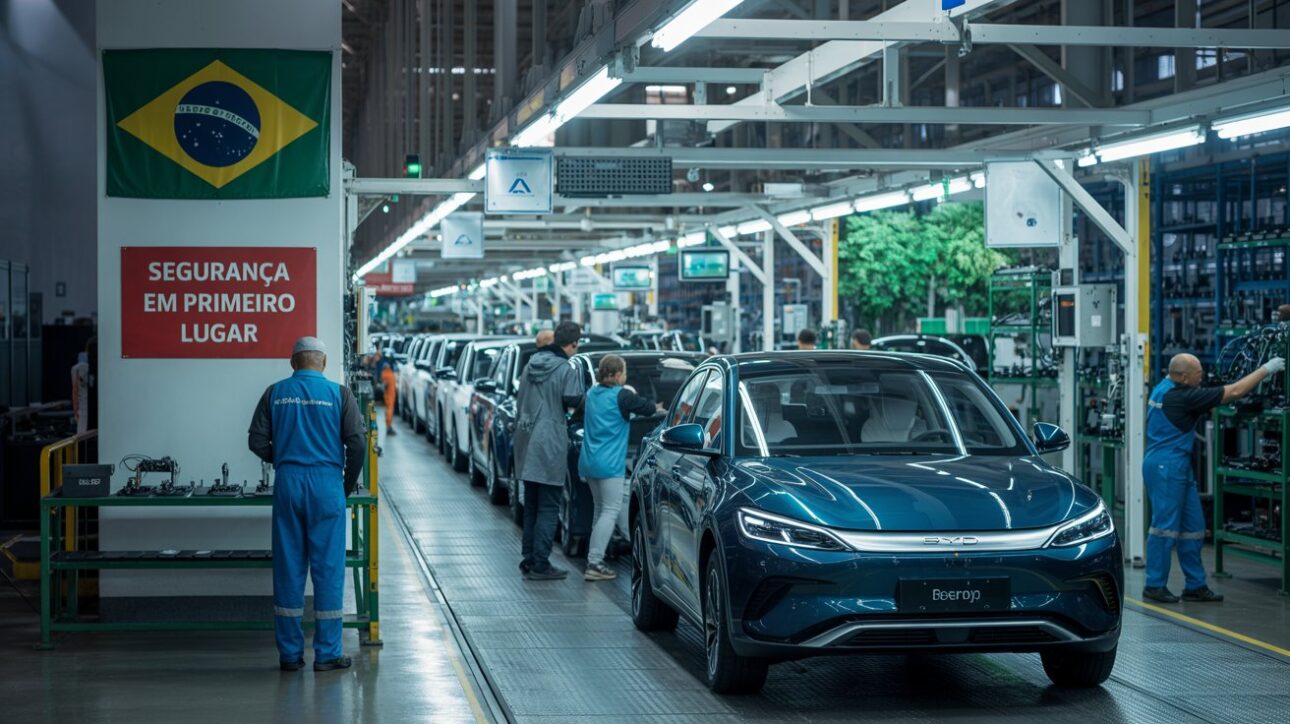
BYD’s presence in Brazil has been growing significantly since June 2025, when the company began operations in Camaçari, Bahia.
The industrial complex installed in the location is expected to be officially inaugurated in August, with the presence of President Lula already confirmed.
According to recent statements from the Executive head, BYD is responsible for promoting “a revolution in the Brazilian automotive industry,” especially by investing in electricity-powered vehicles and hybrid systems.
The company’s strategy in the country consists of importing nearly finished vehicles from China, which are finalized in Brazil using CKD and SKD kits.
This model allows for accelerating the supply of new electrified models in the national market and optimizing the local manufacturing structure. However, the move is not without criticism.
Reaction Of The National Industry
The National Association of Motor Vehicle Manufacturers (Anfavea) expressed its opposition to the flexibilization of tax rates for imported kits.
In communications sent to the Vice President and Minister of Development, Industry, Commerce, and Services, Geraldo Alckmin, and to the Chief Minister of the Civil House, Rui Costa, the entity warned of the possible negative impacts of the measure on local production.
For Anfavea, reducing the rates could compromise the competitiveness of factories already established in Brazil, especially in light of the reindustrialization incentive policy advocated by the government.
Advancement Of The Electrified Vehicle Sector
Currently, the national automotive industry is undergoing a transformation, with an increase in the participation of electric and hybrid vehicles.
Data from the National Federation of Motor Vehicle Distribution (Fenabrave) shows that, by July 2025, sales of electrified cars exceeded 60,000 units, a 30% increase compared to the same period of the previous year.
The arrival of new automakers and the technological advancement of the sector tend to intensify competition in the Brazilian market, which today hosts factories from large groups such as Volkswagen, General Motors, Stellantis, Honda, and Toyota.
Economic Impact In Bahia
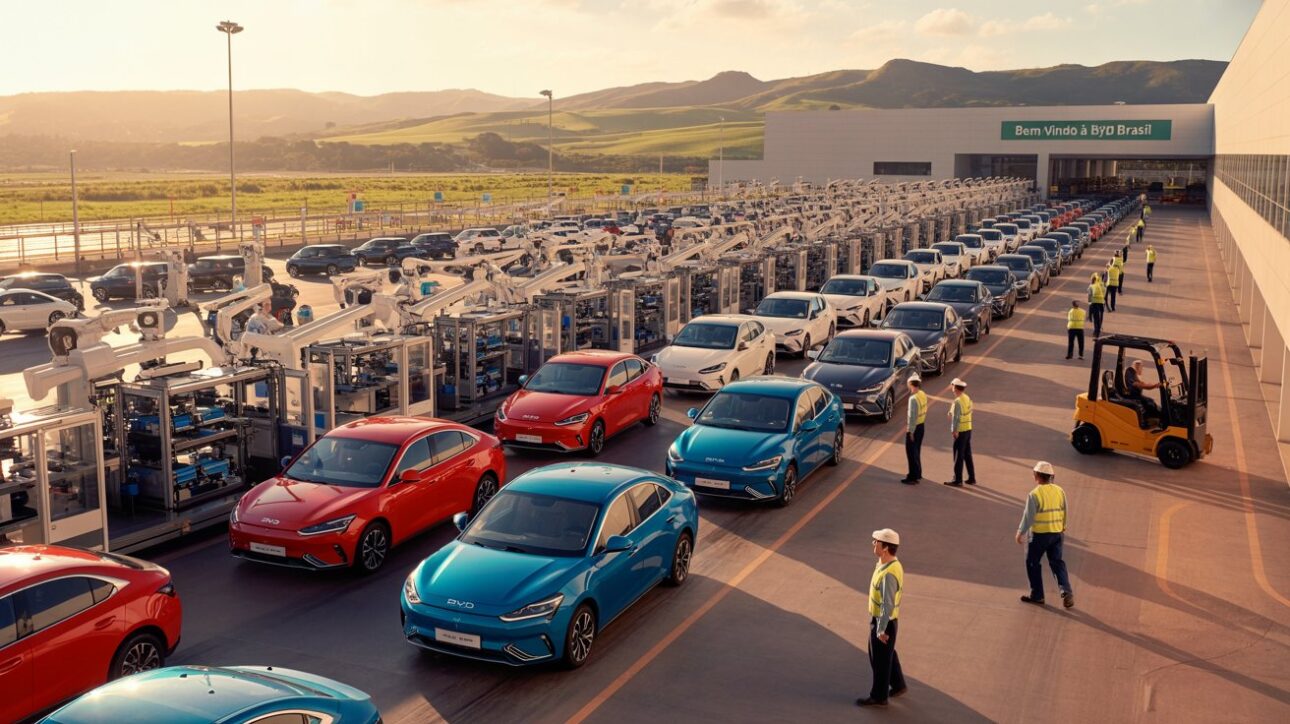
Bahia, chosen by BYD to host its new industrial hub, has been undergoing an economic restructuring since the closure of Ford’s operations in Camaçari in 2021.
Chinese investment is seen as crucial for generating jobs and restoring the dynamism of the local automotive sector.
The state government, led by Jerônimo Rodrigues, has reiterated support for the project, highlighting the potential for innovation and sustainability of BYD’s factory.
Debate On Incentive Policies And Trade Liberalization
The policy of incentives and tariffs in the automotive sector, however, remains a topic of debate among various economic and political actors.
Brazil has historically adopted protectionist policies to foster the local industry, but, in light of increasing pressure for electrification and trade liberalization, discussions about reducing taxes for foreign manufacturers have gained traction.
According to experts, such measures could attract international investments and accelerate the modernization of the national fleet, but they also present challenges for internal productive balance.
Global Influence Of The Chinese Automotive Industry In Brazil
The advancement of Chinese automakers in Brazil, such as BYD, reflects the global movement of the automotive sector, where Asian companies have expanded their presence in major Western markets.
China leads the global production of electric vehicles and exports cutting-edge technologies to different continents.
In the Brazilian scenario, this phenomenon pressures traditional manufacturers to invest in innovation and energy efficiency.
Do you believe that the reduction of taxes for BYD can boost innovation and jobs in Brazil or will it intensify unfair competition with the national industry?








Na minha opinião, o governo federal tem que atuar com responsabilidade no que diz respeito a redução de impostos às empresas A ou B, porque isto pode impactar na **** produtiva nacional.
SIM. Acredito que reduzir impostos, vamos atrair mas investimentos de empresas estrangeiras, aumentando a concorrência interna, resulta em oferta de veículos mais tecnológicos e qualidade superior e melhores preços.
A empresa está se estabelecendo no Brasil, e no meu ponto de vista deve ter um certa flexibilidade em poder trazer materiais que ainda não podem ser produzidos na planta, bem como aqueles dos quais o Brasil ainda não pode fabricar. Implantar uma fábrica ainda mais automobilística demanda tempo e se esta tem a possibilidade de poder se firmar importando os materias necessários para que possa se estabelecer com segurança e poder já começar amortizar seus investimentos deve ser encorajada, claro que deve haver um cronograma de desenvolvimento para que o máximo do que seja necessário seja produzido no Brasil ou seja adquirido de fabricantes nacionais.