





 Portuguese
  English
  Spanish
  3 min of reading


The Purpose of Cade’s Board is to Check for Possible Impacts and Irregularities of the Privatization of Refineries and Their Contracts with Petrobras. The Agency Will Verify if Crude Oil Prices Are Being Increased for the Privatized Facilities.
New Directions for the Brazilian Refining Sector for This Friday, (03/17). The technical area of the Administrative Council for Economic Defense (Cade) requested more details about the contracts of Petrobras with the Mataripe (BA) and Reman (AM) refineries and Clara Camarão (RN). The agency’s goal is to verify irregularities in the prices of crude oil sold to the privatized assets, as there are rumors of favoritism toward the refineries of the state company in this buying and selling process.
Petrobras Contracts with Privatized Refineries for the Sale of Crude Oil Will Be Reanalyzed by Cade After Possible Irregularities in Prices
The technical team at Cade deemed the current information about Petrobras’s contracts with some of its former refineries, now privatized, in the national fuel market to be insufficient.
Rumors about favoritism toward the company’s own assets regarding crude oil prices are causing new discussions within the agency.
-
Brazilian giant expands borders in the Southeast: Petrobras confirms new oil discovery in ultra-deep waters in the pre-salt of the Campos Basin.

-
Alert in the global energy market: Severe tropical cyclone hits the coast and disrupts gas production at major plants in Australia, threatening global supply.

-
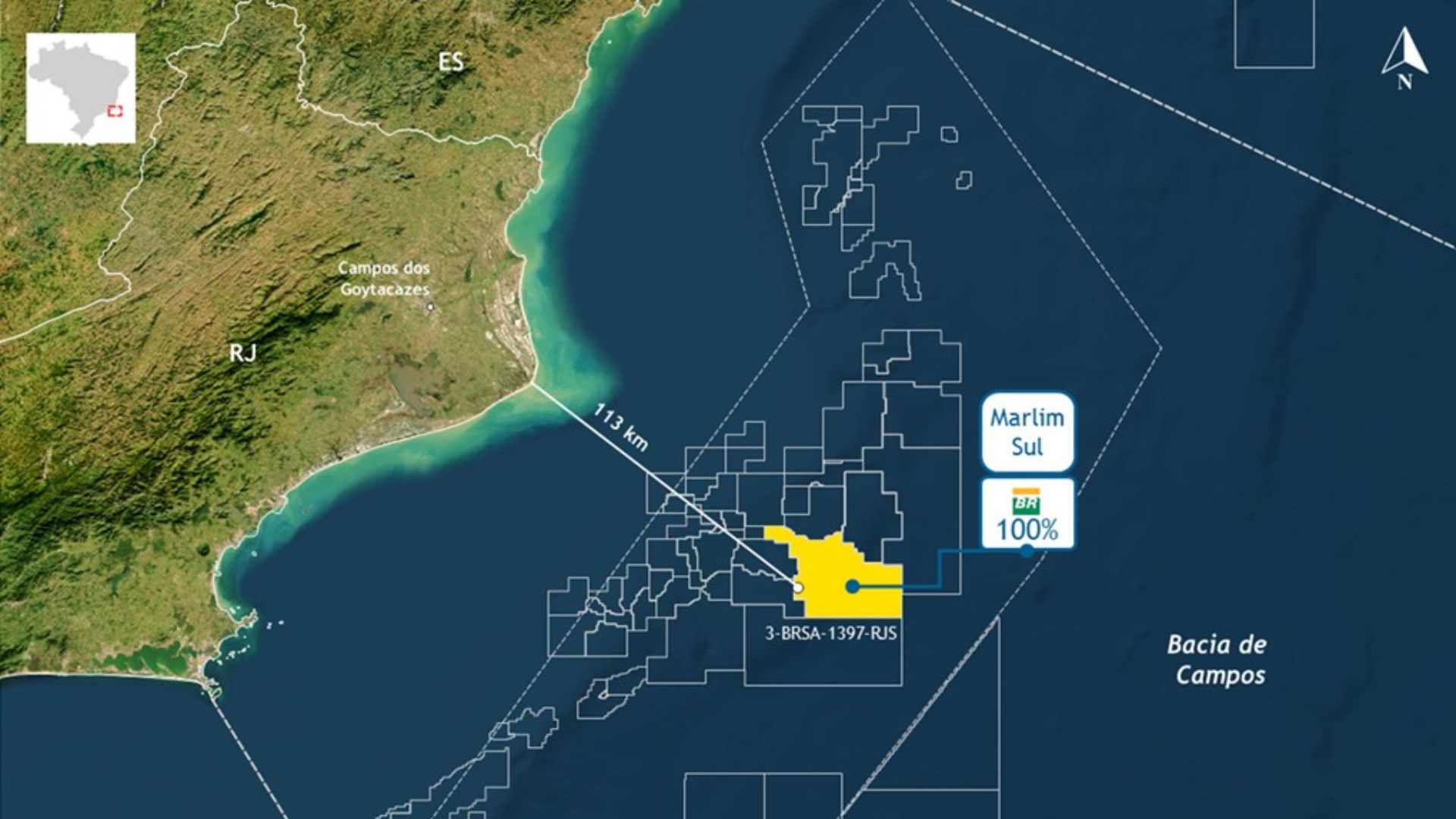
Petrobras finds high-quality oil in the pre-salt at 113 km from RJ and reignites expectations about strategic reserves in the Campos Basin.

-
Ocyan opens registrations for startups focused on innovation in the oil and gas sector and will select projects for Innovation Day with the support of Nexio.


The recently privatized Mataripe (BA) and Reman (AM) refineries, in addition to the Clara Camarão (RN) Refinery, which is currently undergoing negotiations for sales, are the assets in question being analyzed by the agency.
Cade’s analysis aims to verify whether the state-owned oil company is selling crude oil cheaper to its assets while privatized refineries receive the product at a higher price.
This is a problem that has been highlighted in the national fuel market, particularly by the Mataripe Refinery in Bahia.
The process at Cade was initiated in 2022 at the request of fuel distribution companies to analyze the prices of fuels sold by the Mataripe Refinery, as well as to assess whether the price of crude oil sold by Petrobras to this refinery was compatible with the price provided to the company’s own refineries and the export price.
The agency has already completed the analysis regarding the prices of derived products but continues the investigation into the supply of crude oil.
In addition to the request to Petrobras for more information on the contracts, Cade requested a statement from the National Agency of Petroleum (ANP) regarding the current situation.
Even with Sale Contracts for Refineries, Petrobras Still Holds Significant Power Over the Sale of Crude Oil to National Companies
In 2019, Petrobras signed a TCC with Cade to enhance competitiveness in the refining market, committing to sell eight refineries and increase competition.
Prior to this, the company held nearly all the national crude oil processing capacity. Today, independent refineries supply about 20% of the national fuel demand, while another 60% is met by the state-owned company’s refineries, and the remaining 20% is imported.
Now, the Mataripe Refinery accuses Petrobras of violating the TCC in a new process at Cade that investigates possible anticompetitive practices. The refinery requested to be included as an interested third party in the process but had its request denied by the agency.
Acelen claims that broad and fair access to national crude oil for national refiners is the main condition for building a competitive environment in refining, attracting investments to the sector, and ensuring the country’s energy security.
What remains for the fuel market and, especially, for the privatized refineries, is to await Petrobras’s next steps regarding the Cade process.









Seja o primeiro a reagir!