





 English
  Francês
  Alemão
  Italiano
  Japonês
  Norueguês
  Portuguese
  Spanish
 4 min of reading
  0 comments


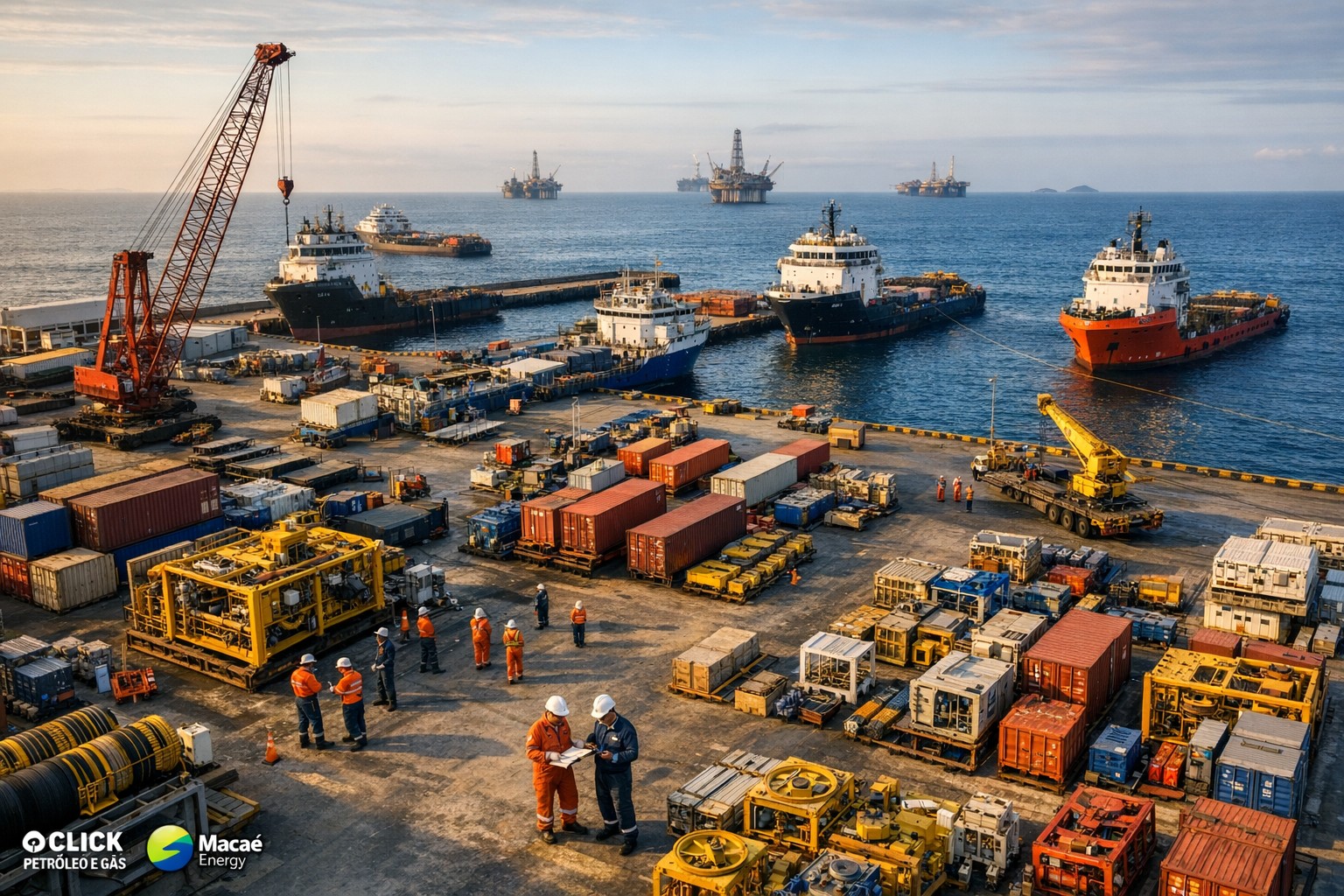
Market Demands, Technical Requirements, and New Procurement Processes Must Redefine the Relationship Between Operators and Suppliers in the Energy Sector
The strengthening of the oil, gas, and energy industry’s supply chain will be one of the central themes of Macaé Energy 2026, an event that will take place from March 17 to 19, 2026, at the Jornalista Roberto Marinho Convention Center in Macaé, bringing together executives, specialists, and companies from the energy sector’s production chain.
The theme Supply & Procurement is gaining increasing relevance at a time when the Brazilian offshore industry is expanding, driven mainly by the growth of pre-salt production and the increase in investments from operators working in the country.
According to data released by the National Agency of Petroleum, Natural Gas, and Biofuels (ANP), Brazilian oil and gas production surpassed 4.3 million barrels of oil equivalent per day in 2024, consolidating Brazil among the top ten energy producers in the world.
-
The largest South American oil company, Petrobras, is preparing for a historic leap in production with new FPSO platforms and the expansion of refining — projects that could add up to 900,000 barrels per day and strengthen Brazil’s energy security.
-
Billions of barrels in the Equatorial Margin could double Amapá’s oil production in Brazil and attract companies from the Campos Basin.

-
Mature Fields Take Center Stage and Are Expected to Generate New Opportunities in the Oil and Gas Sector
-
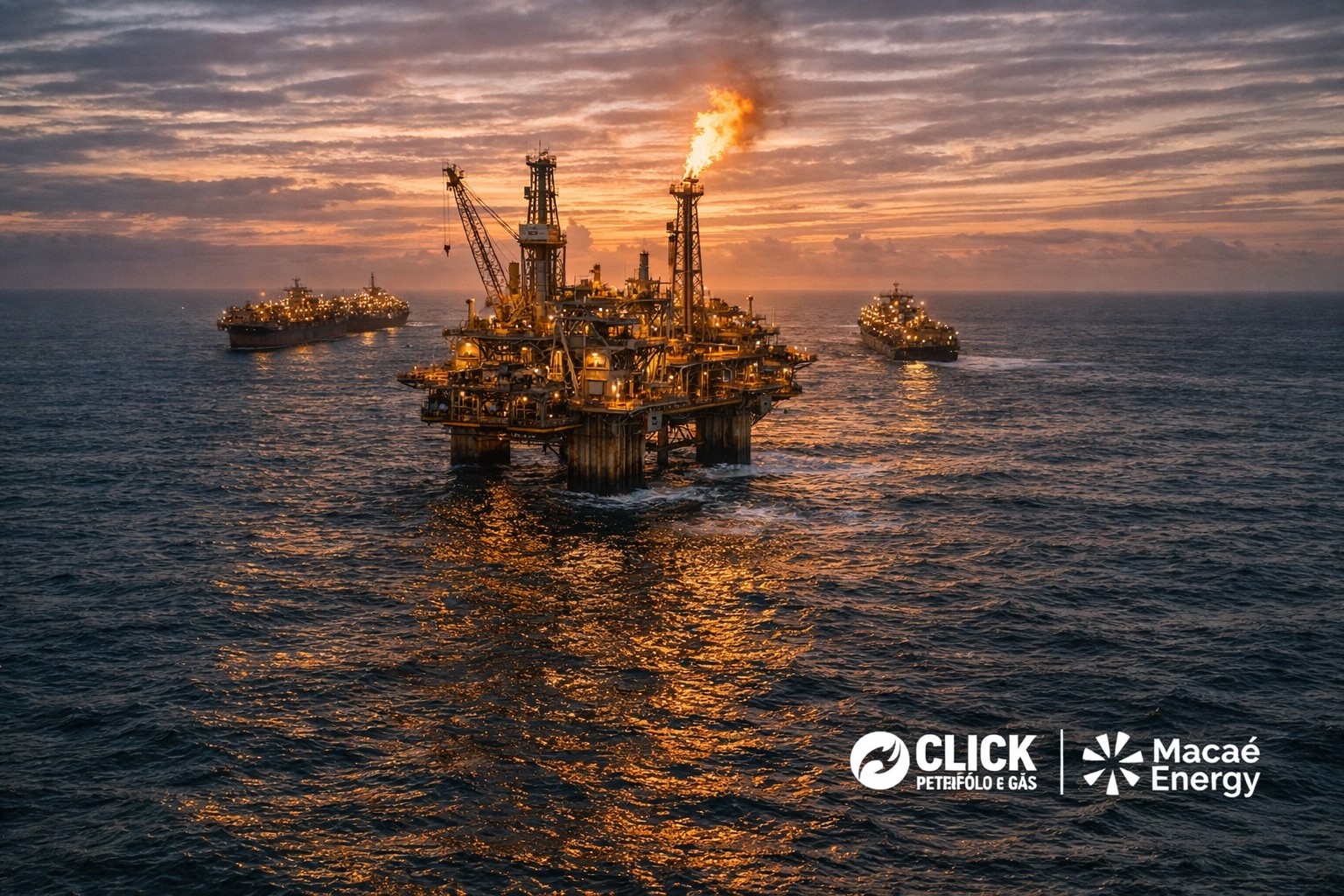
Offshore And New Investment Opportunities Will Be At The Center Of Discussions At Macaé Energy 2026


This increase in production has a direct impact on the supply chain, increasing the demand for equipment, specialized services, and technological solutions for offshore operations.


Billion-Dollar Investments Increase Demand for Suppliers
The expansion of the supply chain is directly linked to the investments planned by the operators working in Brazil.
According to the Petrobras Strategic Plan 2024–2028, released in November 2023, the company plans to invest around US$ 102 billion by 2028, with approximately US$ 69 billion allocated to oil and gas exploration and production.
A large portion of these investments involves contracting services and equipment related to activities such as:
• construction and integration of FPSO platforms
• subsea systems and subsea equipment
• offshore industrial maintenance
• maritime logistics and port support
• engineering and inspection services
In addition to Petrobras, other relevant operators such as Equinor, PRIO, Shell, TotalEnergies, and Petrogal Brasil have also expanded their activities in the country, increasing the demand for qualified suppliers.
According to a survey by the Brazilian Institute of Oil and Gas (IBP) published in 2024, the oil and gas supply chain in Brazil involves more than 30,000 supplier companies, responsible for a significant share of industrial jobs in the country.
Technical Requirements and Certifications Are Becoming Increasingly Demanded
With the increasing complexity of offshore projects, the technical requirements demanded by operators have also become more stringent.
Supplier companies wishing to operate in the sector must meet a series of technical standards and international certifications.
Among the most common requirements demanded by operators are:
• quality certifications such as ISO 9001
• environmental certifications such as ISO 14001
• occupational safety certifications such as ISO 45001
• compliance with technical standards from ANP, IBP, and IADC
Furthermore, many operators use digital platforms for supplier registration and qualification to assess technical capacity, contract history, and safety standards.
According to data from the IBP, companies that meet the technical requirements of the offshore industry can access a market that generates over US$ 50 billion per year in Brazil.
Digitalization Transforms Procurement Processes
Another important trend discussed in the sector is the digitalization of procurement and service contracting processes.
Major operators have adopted digital procurement systems, vendor management platforms, and data-driven solutions to make processes more efficient and transparent.
This model allows for greater traceability of contracts, reduced operational costs, and increased competitiveness among suppliers.
In addition, initiatives such as programs for business rounds and meetings between operators and suppliers have been used to bring companies closer and expand contracting opportunities.
Opportunities Network Connects Operators and Suppliers
During the Macaé Energy 2026, one of the highlights will be the Opportunities Network initiative, promoted by Firjan, which aims to connect large companies in the energy sector with suppliers in the production chain.
In the 2025 edition, the program held over 300 business meetings between operators and supplier companies, demonstrating the potential for generating new contracts and strategic partnerships.
For the 2026 edition, anchor companies such as:
• Petrobras
• Transpetro
• Baker Hughes
• TBG – Brazilian Transporter of Bolivia-Brazil Gas Pipeline
are already confirmed. The expectation is that the meeting will further enhance the business environment and strengthen the supplier chain that serves the Brazilian energy sector.
Macaé Continues as a Hub of the Offshore Supply Chain
Historically, the city of Macaé has established itself as one of the main centers of the supply chain for the Brazilian offshore industry.
Located in the Campos Basin, responsible for a large portion of the national oil production over the past decades, the city hosts operational bases, logistics centers, engineering companies, and specialized suppliers.
According to data from the City Hall of Macaé released in 2024, more than 1,200 companies directly or indirectly linked to the oil and gas sector operate in the municipality, reinforcing its role as a strategic hub of the energy industry.
Debates like those that will take place at Macaé Energy 2026 help strengthen this production chain by bringing together operators, suppliers, and institutions in the sector.
How to Participate in Macaé Energy 2026
Professionals, companies, and interested parties who want to follow discussions about the future of the energy industry can participate in the event by registering on the official event website.
Registration for Macaé Energy 2026 can be done directly through the official event website: https://macaeenergy.com.br/
The event will take place from March 17 to 19, 2026, bringing together specialists, executives, and companies from the oil, gas, and energy sectors to discuss market trends, business generation, and opportunities for the Brazilian energy industry’s production chain.









-

-

2 pessoas reagiram a isso.