





 Portuguese
  English
  Spanish
 3 min of reading
  0 comments


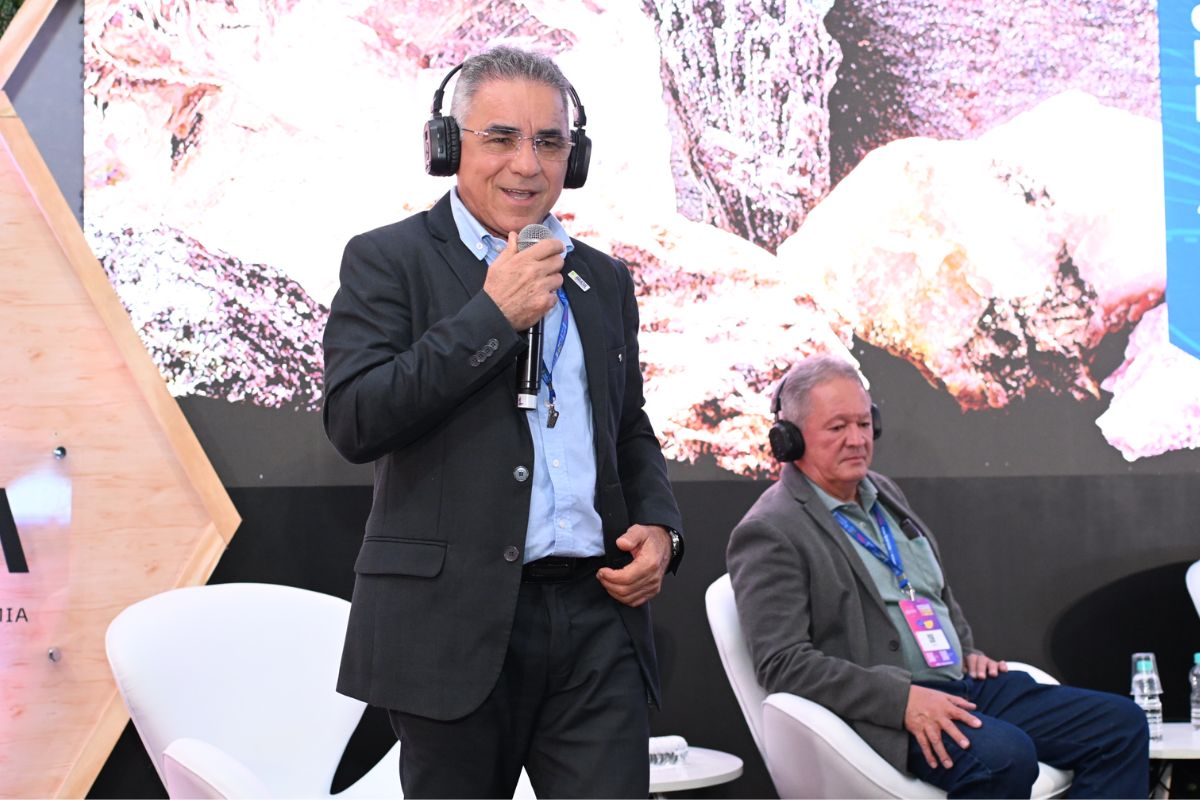
During The 80th Week of Engineering and Agronomy, the Brazilian Geological Service Highlighted Research That Strengthens The National Production Chain and Drives Sustainability and Mineral Innovation in The Country
The actions of the Brazilian Geological Service (SGB) have been standing out for strengthening the national production chain, especially in the mineral and agricultural sectors.
During the 80th Official Week of Engineering and Agronomy (SOEA), held in Vitória (ES), the SGB presented strategic projects that integrate science, innovation, and sustainability, according to an article published.
The Director of Geology and Mineral Resources, Valdir Silveira, emphasized at the event the importance of understanding the Brazilian territory and its mineral potential to drive economic growth and attract structural investments.
-
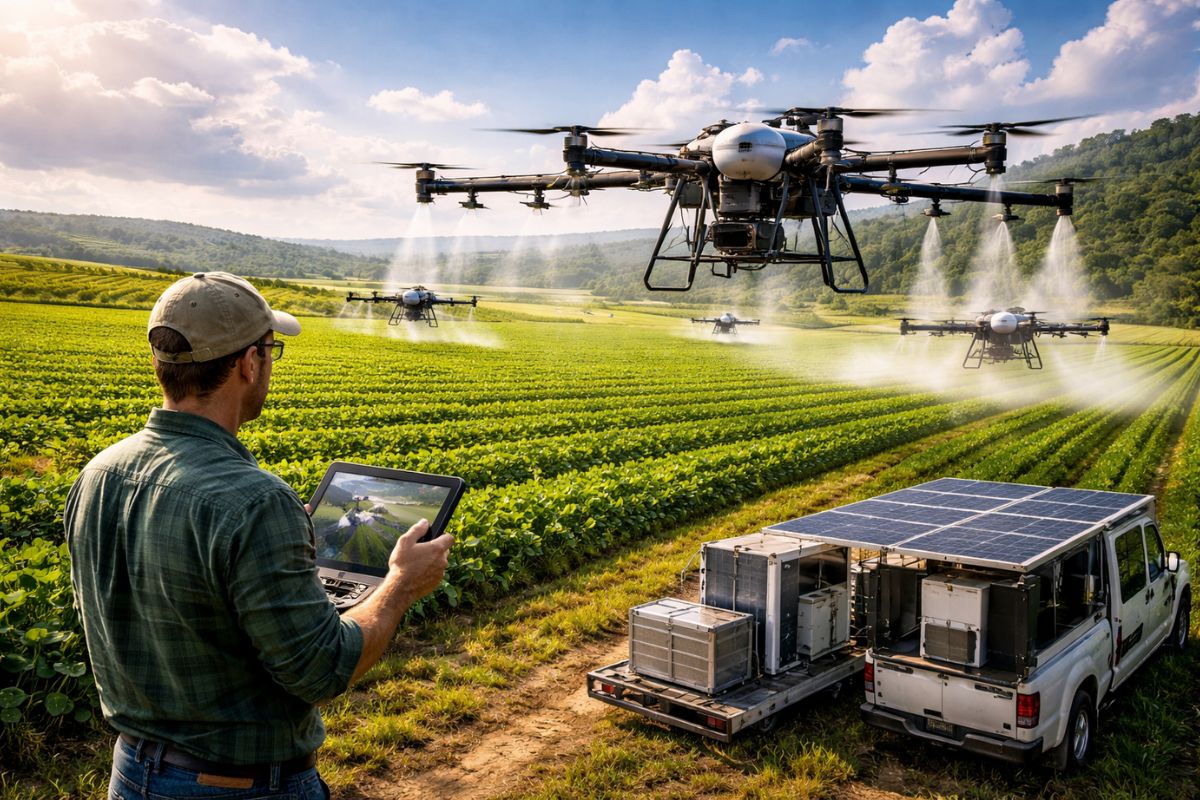
Alone, the producer applies 7,400 hectares with the T100 drone in an optimized structure, replaces the generator with a silent battery, and demonstrates how technology reduces costs, increases productivity, and even challenges the uniport in the field.
-
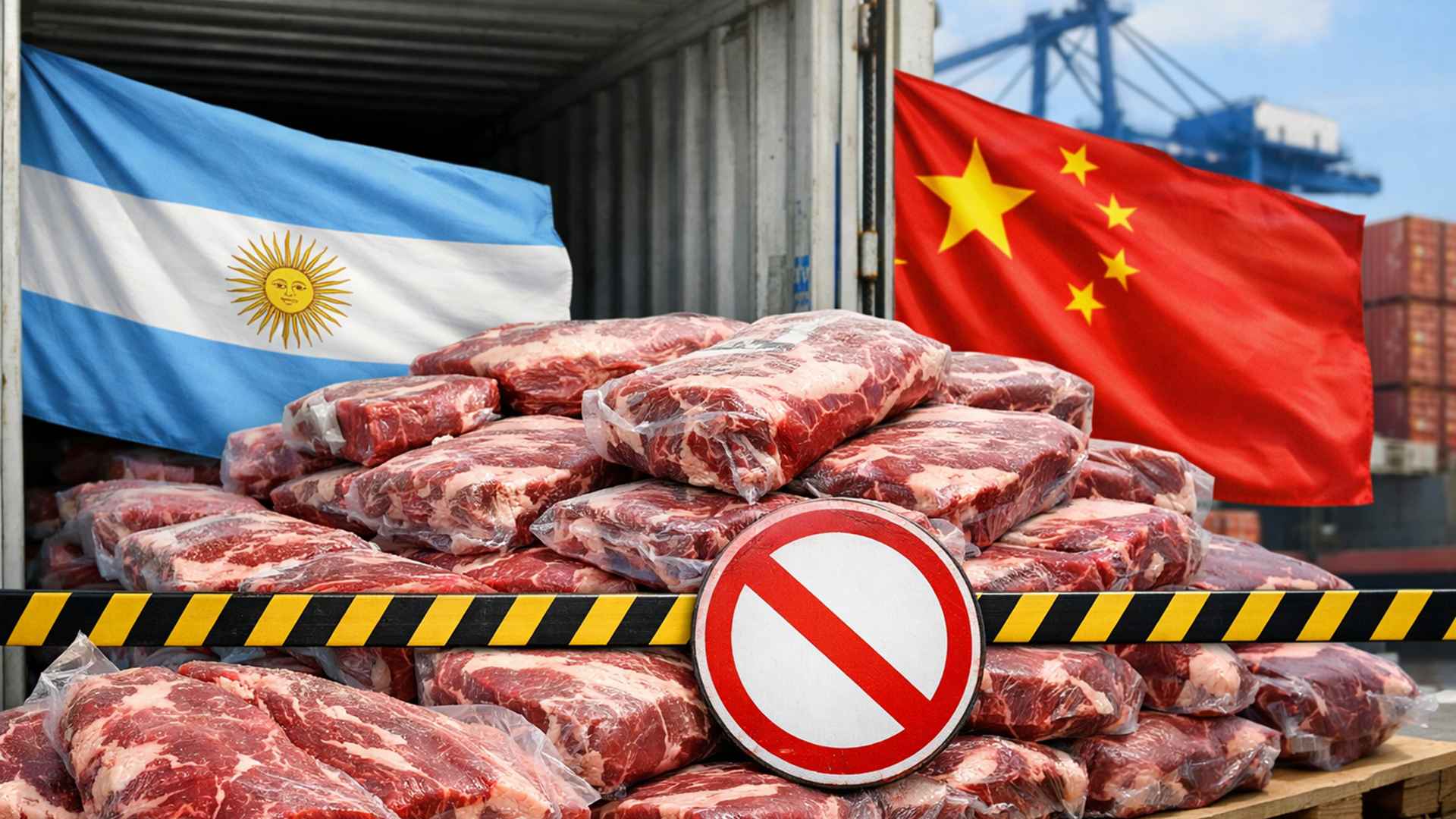
China banned the export of 22 tons of meat from Argentina.
-
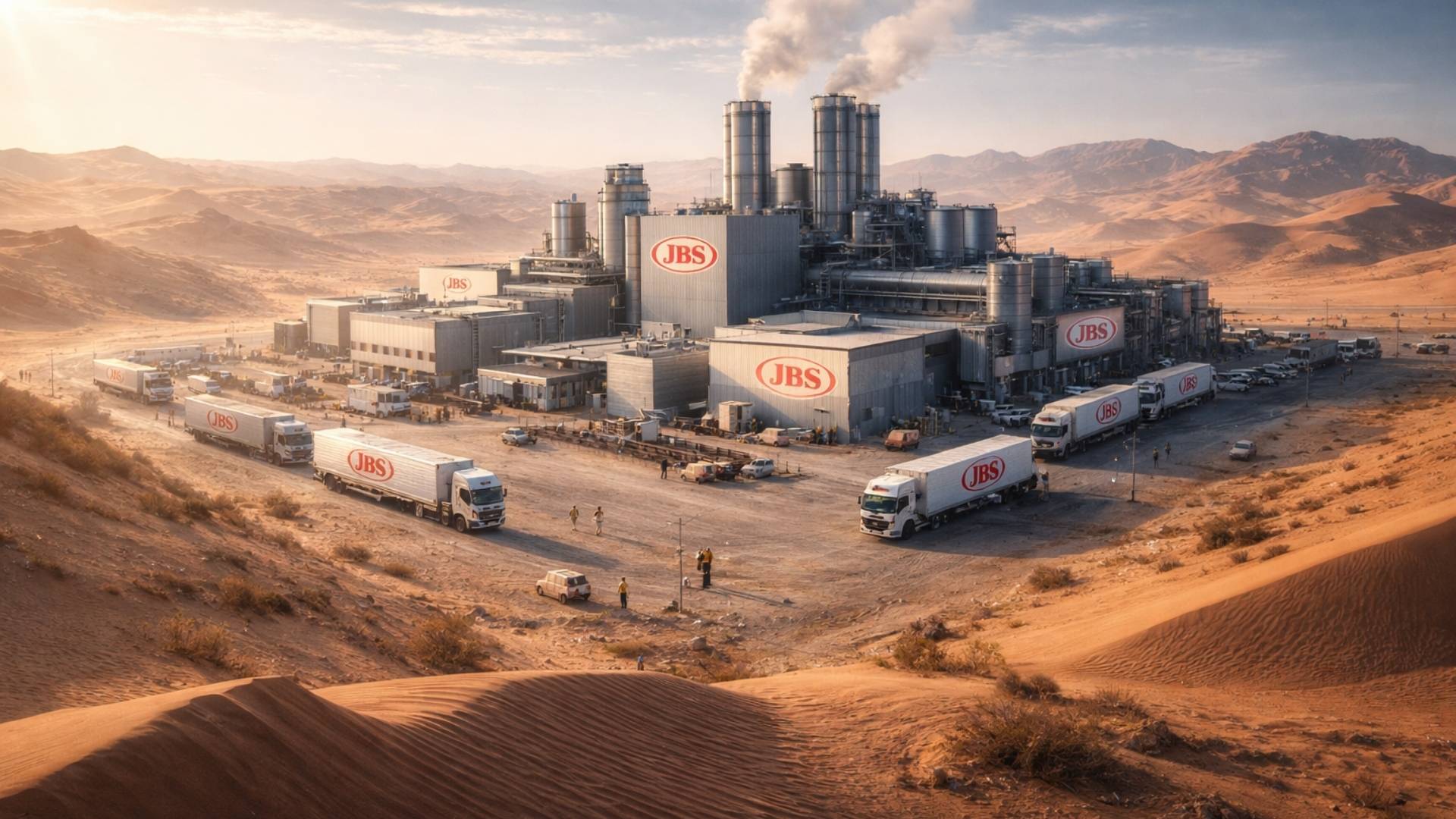
JBS, founded by the Batista brothers, continues to conquer the world: entrepreneurs built a ‘factory in the desert’ creating 3,000 jobs.
-
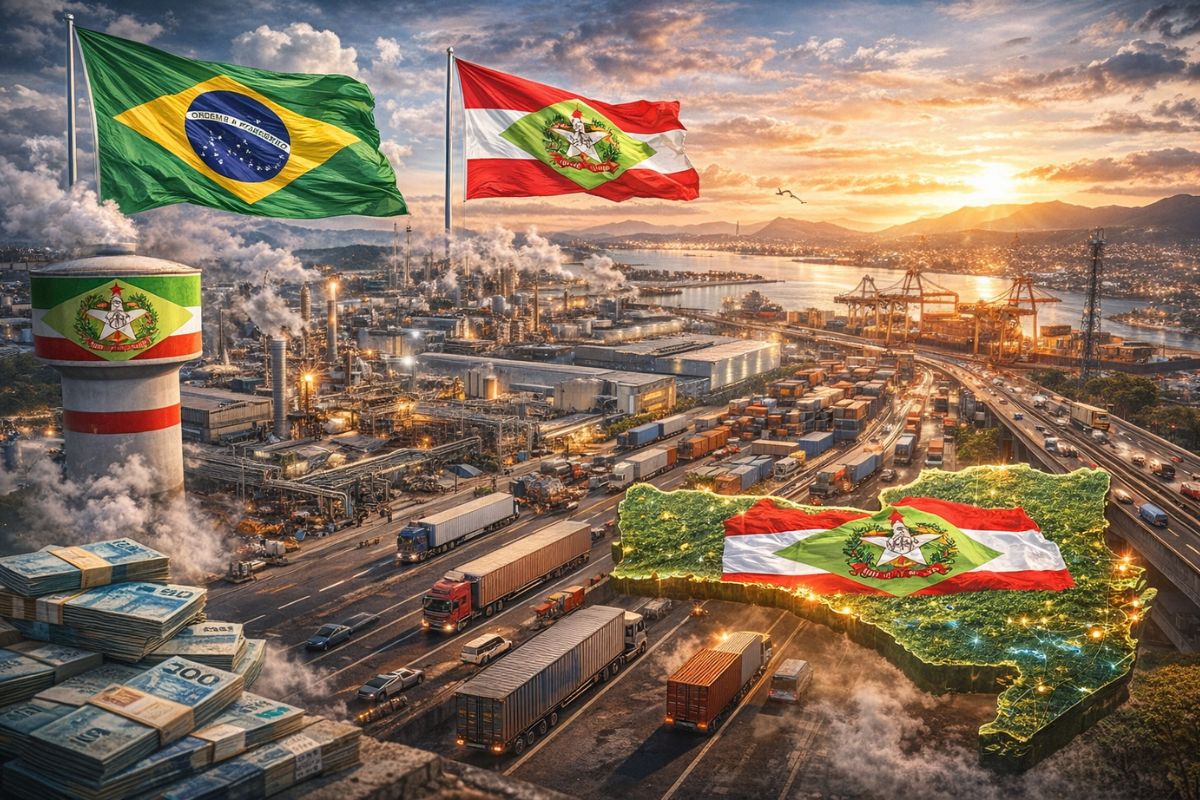
With only 1% of Brazil’s territory, Santa Catarina has built one of the most competitive industrial parks in the country, with 64,000 companies, nearly 1 million jobs, and a growth rate of 5.3% while the national industry is practically stagnant.

The lecture given by Silveira on the last day of October 8 focused on the role of research organizations in geology and mining in strengthening agriculture.
According to him, the SGB is the main federal agency responsible for national geological mapping and for generating technical information that supports productive sectors and the rational use of mineral resources.
This integration between mining and agribusiness is essential to ensure competitiveness in an increasingly dynamic global market.
Geological Innovation and Sustainability Drive The National Production Chain in Agribusiness
The research presented at SOEA aligns with guidelines such as the National Mining Plan 2030 (PNM 2030), the Multi-Year Plan of the Union (PPA 2024-2027), and the Decadal Plans for Geological Mapping (2025-2034) and Mineral Resource Survey (2026-2035).
These programs guide the SGB in formulating policies that reduce knowledge gaps and risks of mineral exploration, making Brazil more attractive to investors.
The work coordinated by Silveira and his team also directly contributes to the agricultural sector, as the intelligent use of mineral resources, such as correctives and natural fertilizers, strengthens the soil and increases productivity.
This synergy between geology and agriculture is one of the pillars of productive sustainability and ensures greater technological autonomy and international competitiveness for the national production chain.
Environmental Research and Waste Management Expand The National Production Chain and Stimulate Innovation in The Amazon
Another highlight of the 80th SOEA was the lecture by geologist Homero Reis de Melo Júnior, held on October 9, in the panel “Strategies and Innovations for the Eradication and Supervision of Dumpsites in the Brazilian Amazon.”
The researcher presented solutions aimed at the proper selection of sites for landfills, contributing to environmental management practices that support municipalities and reduce ecological impacts.
These initiatives reinforce the SGB’s commitment to sustainable public policies and to strengthening the national production chain, promoting a balance between economic development and environmental preservation.
By integrating technology, planning, and social responsibility, the research of the SGB consolidates Brazil as one of the protagonists in sustainable mineral and agricultural production.
The coordinated action among geologists, engineers, and public managers highlights the transformative potential of science applied to the management of natural resources.
Thus, the SGB reaffirms its strategic role in building a solid, innovative economy committed to the future of the national production chain.








Seja o primeiro a reagir!