





 English
  Francês
  Alemão
  Italiano
  Japonês
  Norueguês
  Portuguese
  Spanish
  5 min of reading
  0 comments


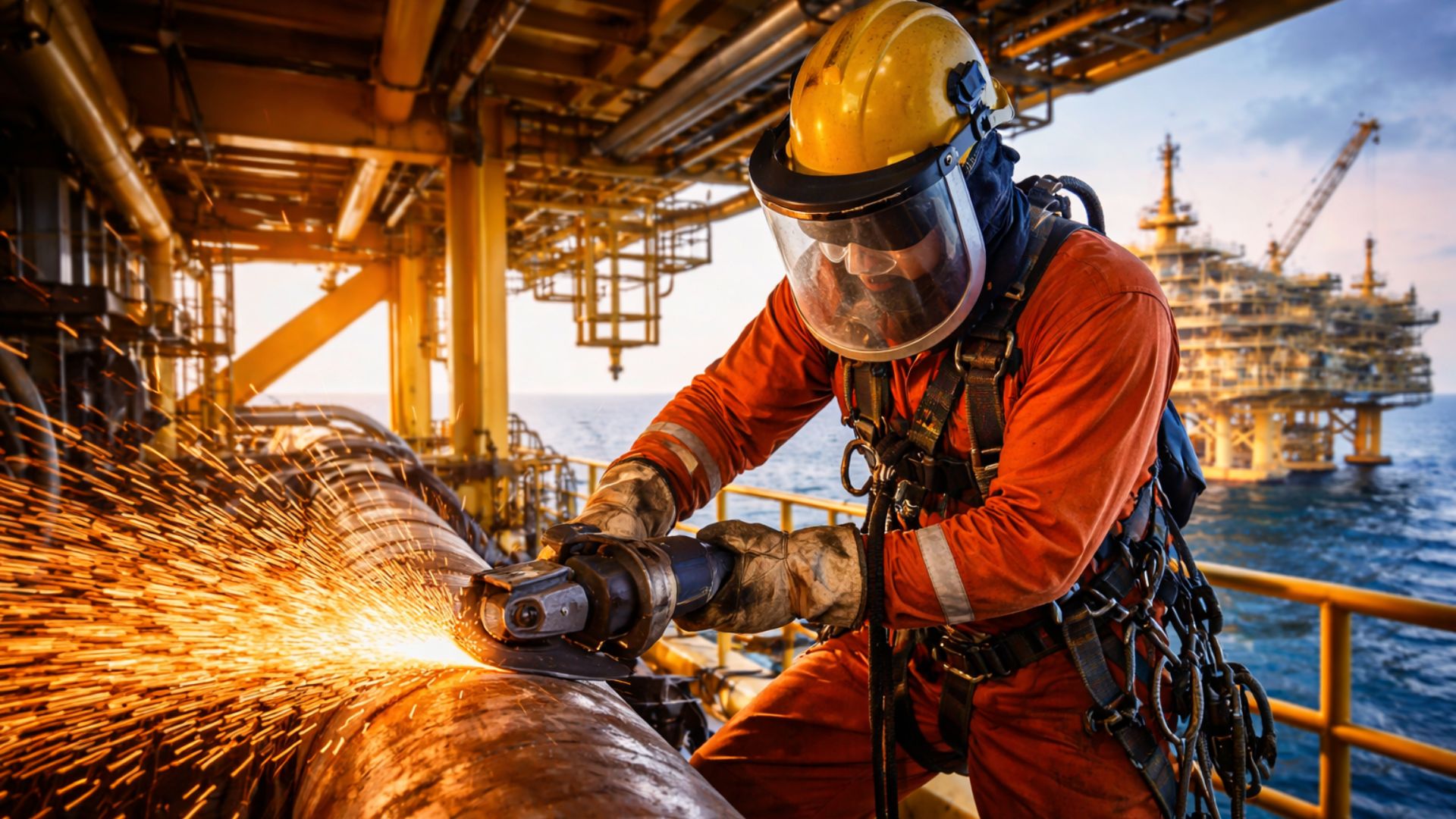
The Offshore Profession Is Thriving in Brazil, Driven by Demand in the Oil and Gas Sector. The Offshore Boilermaker Works on Complex Metal Structures and Earns Above-Market Salaries.
The offshore profession of boilermaker occupies a strategic position in the oil and gas sector in Brazil. In a scenario of increasingly complex maritime operations, this professional has become essential to ensuring the structural integrity of platforms, ships, and floating production units.
According to a publication from the Market Monitor this Sunday (8), high salaries, which can reach R$ 17,000 per month, reflect not only the shortage of qualified labor but also the inherent risks, prolonged isolation, and extreme working conditions at sea.
Offshore Profession and Its Importance in the Oil and Gas Sector
From the outset, it is crucial to highlight the central point: the offshore boilermaker is a highly valued professional in the Brazilian offshore industry, as they work directly on operational safety and production continuity. Without this specialist, structural failures could halt high-cost activities and jeopardize the entire production chain of the oil and gas sector.
-
Constellation opens an offshore position with a 14×14 schedule for those who want to work onboard in Rio das Ostras (RJ) with great benefits.
-
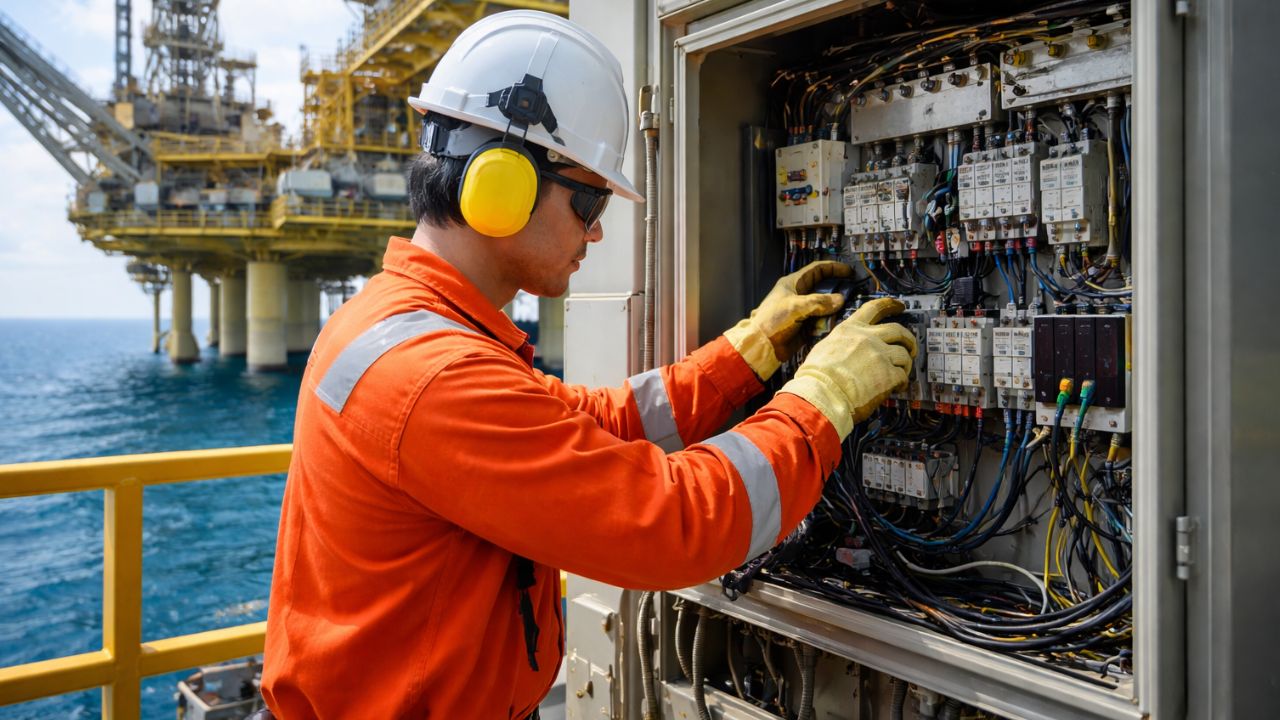
Oceânica Announces Offshore Vacancy on 14×14 Schedule for Electrical Technician in Rio de Janeiro
-
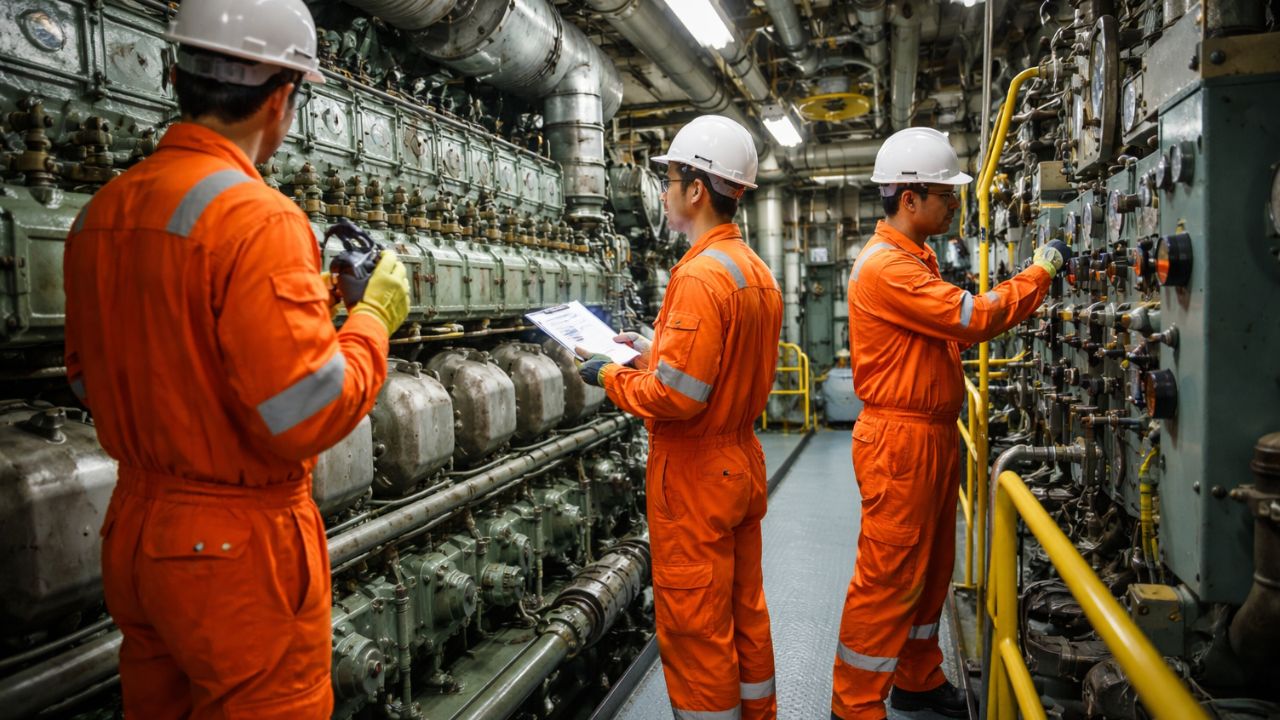
Offshore Position for Engine Room Fourth Officer with 28×28 Rotation in Rio de Janeiro
-
With Announcement for ROV Course in Partnership with Zen, Rio das Ostras Aims to Transform Technical Qualification into Real Jobs in the Competitive Offshore Market
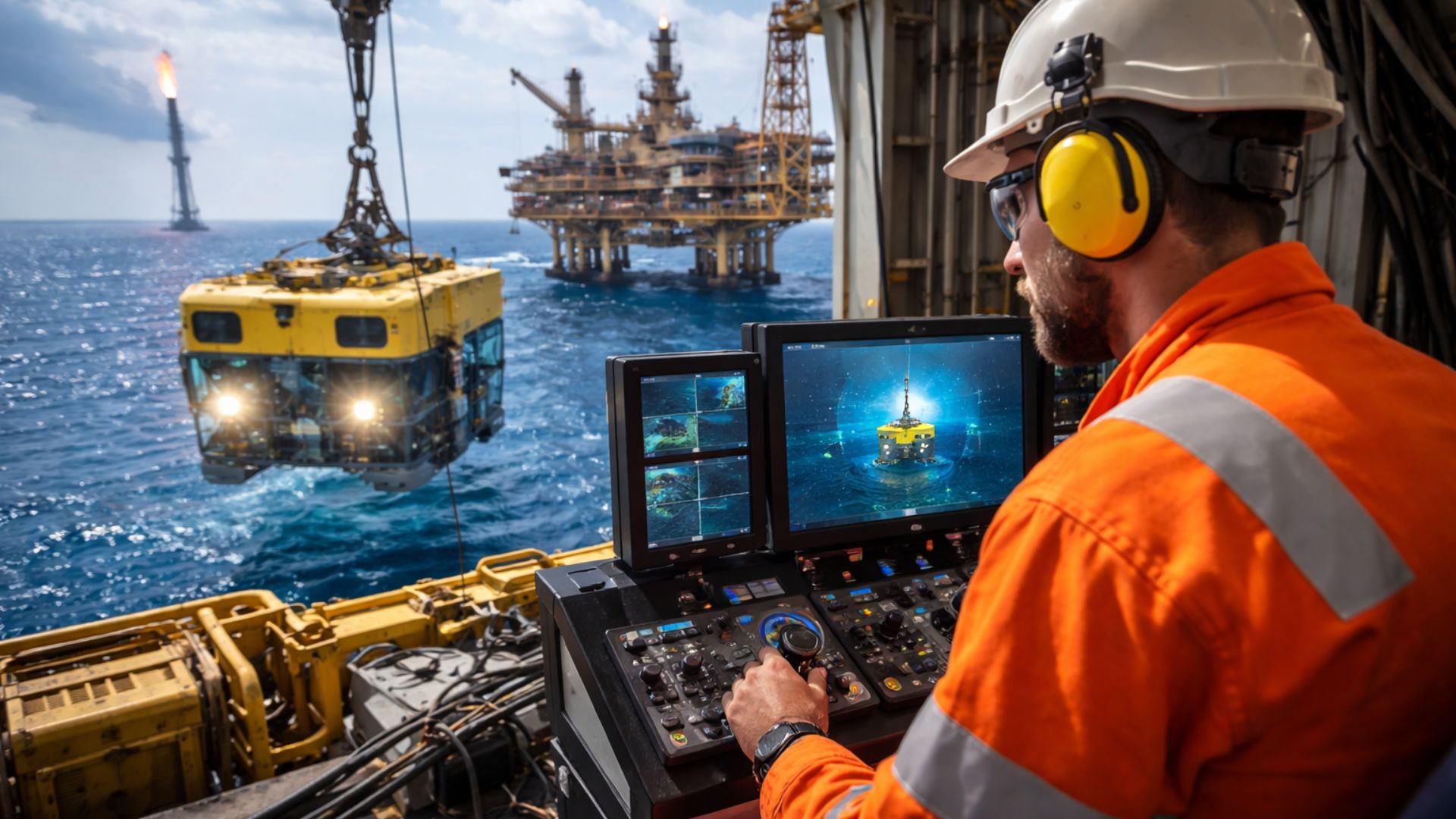

The offshore profession encompasses all activities carried out in maritime environments, such as oil platforms, FPSOs, and drilling rigs. Within this context, the offshore boilermaker plays a critical role by working directly with large metal structures that support essential equipment, tanks, and systems for operations.
In the oil and gas sector, these structures are continuously exposed to sea spray, constant vibrations, high temperatures, and accelerated wear and tear. Therefore, maintenance must be rigorous, frequent, and executed with a high technical level. The offshore boilermaker ensures that these structures maintain their strength and functionality over time.
What the Offshore Boilermaker Does on Maritime Platforms
The offshore boilermaker is involved in the manufacturing, assembly, maintenance, and repair of heavy metal structures. Their main activities include layout, cutting, shaping, and assembling steel plates used in tanks, pipelines, supports, and support structures.
It is a job that requires physical strength, precision, and constant attention to detail. Many tasks are performed in hard-to-reach locations or confined spaces within the platforms, which increases the complexity of operations. Additionally, daily exposure to intense heat and high noise levels demands resilience and proper physical condition.
Within the oil and gas segment, any structural failure can lead to million-dollar losses. Therefore, the offshore boilermaker is considered a key professional in preventing accidents and production interruptions.
Why Are the Salaries of Offshore Boilermakers So High?
The salaries paid to professionals in this field are among the highest in the heavy industry in Brazil. This level of remuneration exists to compensate for a combination of critical factors: operational risk, technical responsibility, and extreme working conditions.
In addition to the base salary of the category, the offshore boilermaker receives mandatory additional payments, such as hazard pay, insalubrious work pay, and confinement pay. These additions directly impact the final amount received each month, significantly raising the total remuneration.
Another relevant factor is the work schedule. The onboard routine typically requires 12-hour shifts for long periods at sea. Few professionals can adjust to the isolation and distance from family, which reduces the supply of qualified labor and keeps salaries at high levels.


Average Salary in the Offshore Boilermaker Profession in Brazil
The salary of the offshore boilermaker varies according to experience level, certifications, and the size of the hiring company within the oil and gas sector. Considering common market practices, the estimated average salary is as follows:
- Junior Offshore Boilermaker: between R$ 4,000 and R$ 7,000;
- Pleno Offshore Boilermaker: between R$ 8,000 and R$ 12,000;
- Senior Offshore Boilermaker: between R$ 13,000 and R$ 17,000 or more.
These amounts include benefits and bonuses common in the offshore profession. Experienced professionals with a good safety and technical performance record can reach R$ 17,000 per month at the top of their careers, especially when overtime and productivity bonuses are paid.
Mandatory Requirements to Work as an Offshore Boilermaker
Entering the offshore profession requires more than practical experience gained in conventional industrial environments. The sector is highly regulated, and required documentation is rigorously checked by oil and gas companies.
Among the main requirements are:
- Vocational course in Boilermaking or Mechanics;
- CBSP certificate, which addresses basic safety on platforms;
- HUET training, focused on escaping submerged aircraft;
- NR-33 certifications for working in confined spaces;
- NR-35 certification for activities at heights.
The absence of any of these certifications makes embarkation impossible, regardless of the professional’s practical experience. Therefore, technical training and proper documentation are essential steps for anyone wishing to enter this career.

How the Embedded Routine Works in the Offshore Profession
The routine of the offshore boilermaker follows a specific schedule, usually 14 days onboard followed by 14 days of rest on land. During the time at sea, the professional remains fully confined in the unit, following strict rules of discipline and safety.
Work is carried out using heavy personal protective equipment (PPE) constantly, such as thermal suits, helmets, gloves, and safety boots. Extreme heat is a daily reality, especially in the internal areas of the platforms. Therefore, strategic breaks and constant hydration are part of operational protocols.
Proper rest is essential, as fatigue can compromise attention. In the oil and gas industry, any mistake can result in serious accidents, making focus and discipline indispensable elements of the offshore routine.
Physical and Psychological Challenges of the Offshore Boilermaker
Despite the attractive salaries, the career presents significant challenges. Prolonged isolation, distance from family, and intense interaction with the same team require emotional balance and psychological maturity.
Physically, the wear and tear is also high. Handling heavy metal structures, along with adverse environmental conditions, demands resilience and constant health monitoring. Therefore, companies in the offshore sector prioritize disciplined, resilient professionals committed to safety.
Job Market and Demand in the Offshore Oil and Gas Sector
Brazil has one of the largest offshore operations in the world, driven by the exploration of the pre-salt. This scenario keeps the offshore profession in demand and ensures a continuous need for qualified offshore boilermakers.
As long as the production of oil and gas remains a strategic pillar of the Brazilian energy matrix, the need for structural maintenance will stay high. This sustains good salaries, professional stability, and recurring opportunities, especially for those who invest in continuous qualification.
Why the Career of Offshore Boilermaker Remains Highly Valued
The offshore boilermaker profession combines technical demands, physical effort, and high responsibility. In return, it offers above-average salaries, professional recognition, and access to major projects in the oil and gas sector.
For those equipped with technical preparation, physical endurance, and the ability to adapt to the offshore environment, this career represents a solid and financially advantageous opportunity in Brazil. It is a challenging path, but highly rewarding for professionals seeking growth and stability in one of the most strategic sectors of the national economy.









Seja o primeiro a reagir!