





 English
  Francês
  Alemão
  Italiano
  Japonês
  Norueguês
  Portuguese
  Spanish
  4 min of reading
  0 comments


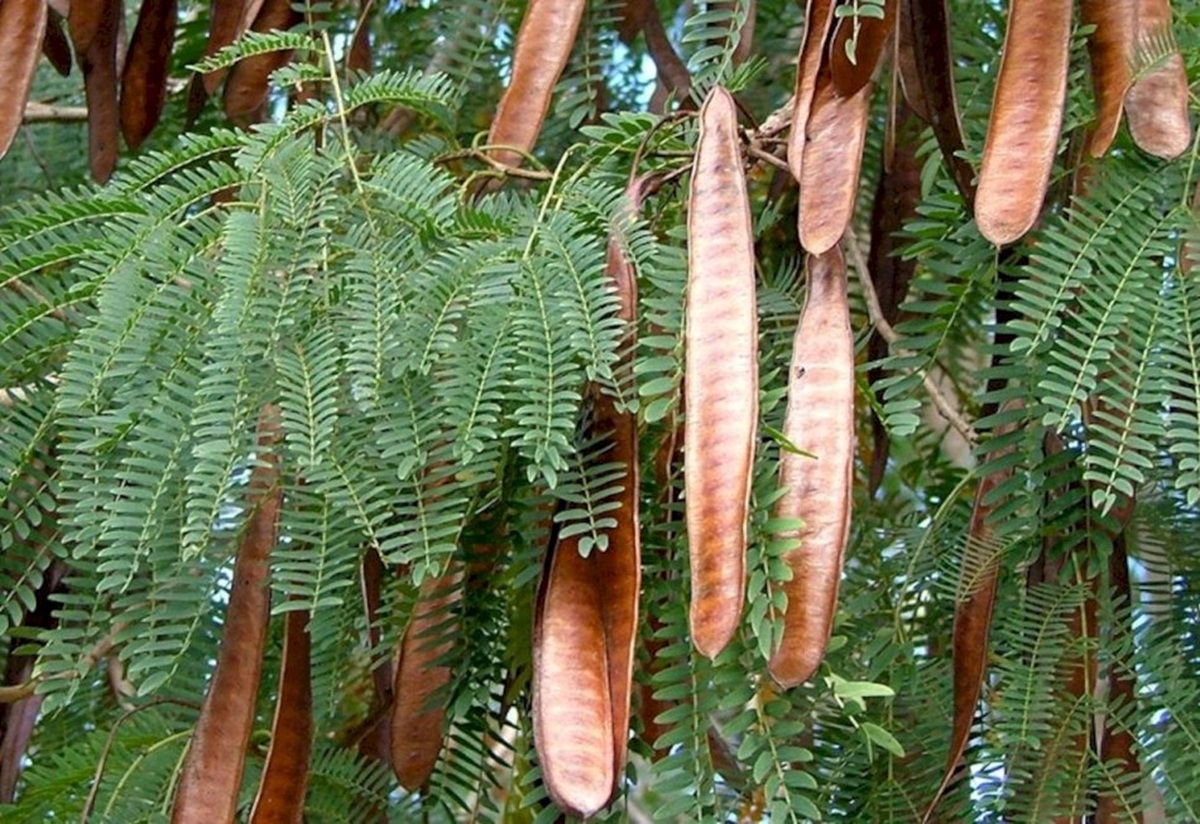
Bill 4760/25 That Addresses Leucaena Control Advances in the House of Representatives After Approval in the Agriculture Committee. The Proposal Establishes Rules for Management and Progressive Eradication of the Invasive Species, Associated With Environmental Impacts in Pastures, Riparian Forests, Coastal Vegetation, and Savannah Areas
The Agriculture, Livestock, Supply and Rural Development Committee of the House of Representatives approved the Bill 4760/25, which establishes rules for the control, management, and progressive eradication of leucaena in Brazil, a species considered invasive in agricultural areas and natural ecosystems.
The proposal was analyzed by the committee responsible for issues related to rural production and the development of the agricultural sector.
The approved text establishes guidelines aimed at addressing the expansion of leucaena (Leucaena leucocephala), a species classified as an exotic invasive plant within national territory.
-
The Senate approves a bill that criminalizes misogyny, hatred, or aversion towards women, and includes the crime in the Racism Law with a penalty of up to 5 years.

-
Chamber Approves Bill That Allows Pepper Spray for Women Over 16 and Imposes Strict Rules for Purchase, Possession, and Use as Self-Defense

-
Asset Division: Know What Cannot Be Divided in Case of Divorce

-
Bank Employee Creates Online Account in Name of Client Who Died Months Earlier, Diverts Over R$ 385 Thousand in Electronic Transfers, and Is Sentenced to 15 Years in Prison in San Salvador After Scheme Discovered That Started in August 2021


The rapporteur for the matter, Deputy José Medeiros (PL-MT), recommended the approval of the project after assessing the impacts of the plant’s presence in rural areas. According to the legislator, leucaena has shown negative effects when it establishes itself uncontrolled in agricultural environments and pastures.
According to Medeiros, the legume has begun to raise environmental concerns due to how it interferes with the dynamics of different ecosystems.
He stated that the damages caused by the expansion of leucaena are evident in various regions where the species has spread.
Leucaena Expansion in Agricultural and Natural Areas
During the analysis of the project, the rapporteur highlighted that the presence of leucaena can compromise natural vegetation regeneration processes.
The legislator stated that the plant competes directly with native species and modifies important soil characteristics.
According to José Medeiros, the competition caused by leucaena alters successional processes and modifies the nutrient regime of the environment.
He also emphasized that the species interferes with soil structure, which amplifies the environmental impacts associated with its spread.
The rapporteur declared that the expansion of the plant represents a growing challenge for rural production areas and natural environments. In the assessment presented during the project’s processing, the negative effects outweigh any potential benefits associated with the species.
Proposal Seeks to Prevent Leucaena Expansion
The author of the proposal, Deputy Otto Alencar Filho (PSD-BA), stated that the central goal of the project is to prevent the advance of leucaena in Brazilian territory. According to him, the measure seeks to preserve native ecosystems and avoid environmental alterations caused by the species.
Among the environments that may be affected by the plant’s expansion are coastal vegetation, riparian forests, and savannah areas. According to the legislator, these ecosystems are vulnerable to the presence of leucaena.
Otto Alencar Filho explained that the plant was originally introduced in Brazil for productive purposes. Leucaena has been used as forage and also in initiatives aimed at recovering degraded soils.

Studies Indicate Leucaena Impacts on Biodiversity
According to the author of the project, scientific studies and official reports have pointed out the effects of the species on biodiversity. Documents produced by the Ministry of the Environment and IBAMA have identified leucaena’s capability to compete with native plants.
The studies cited by the legislator also indicate that the presence of the species causes alterations in the ecosystems where it establishes itself. These changes occur mainly due to how leucaena establishes and expands in different environments.
For Otto Alencar Filho, the observed impacts require an institutional response aimed at environmental protection. The deputy stated that the situation demands preventive and corrective measures to address the effects of the plant.
Next Steps of the Leucaena Proposal
After the approval in the Agriculture Committee, Bill 4760/25 will move on to new stages of processing in the House of Representatives. The proposal will still be analyzed by other committees responsible for issues related to the environment and legislation.
The text will go through the Committees on Environment and Sustainable Development and Finance and Taxation. It will then be evaluated by the Committee on Constitution, Justice, and Citizenship.
The analysis will occur in a conclusive manner, a procedure that allows for approval without a vote in the plenary if there is no appeal. To become law, the project still needs to be approved by the House of Representatives and subsequently by the Federal Senate.










Seja o primeiro a reagir!