





 Portuguese
  English
  Spanish
  4 min of reading
  5 comments


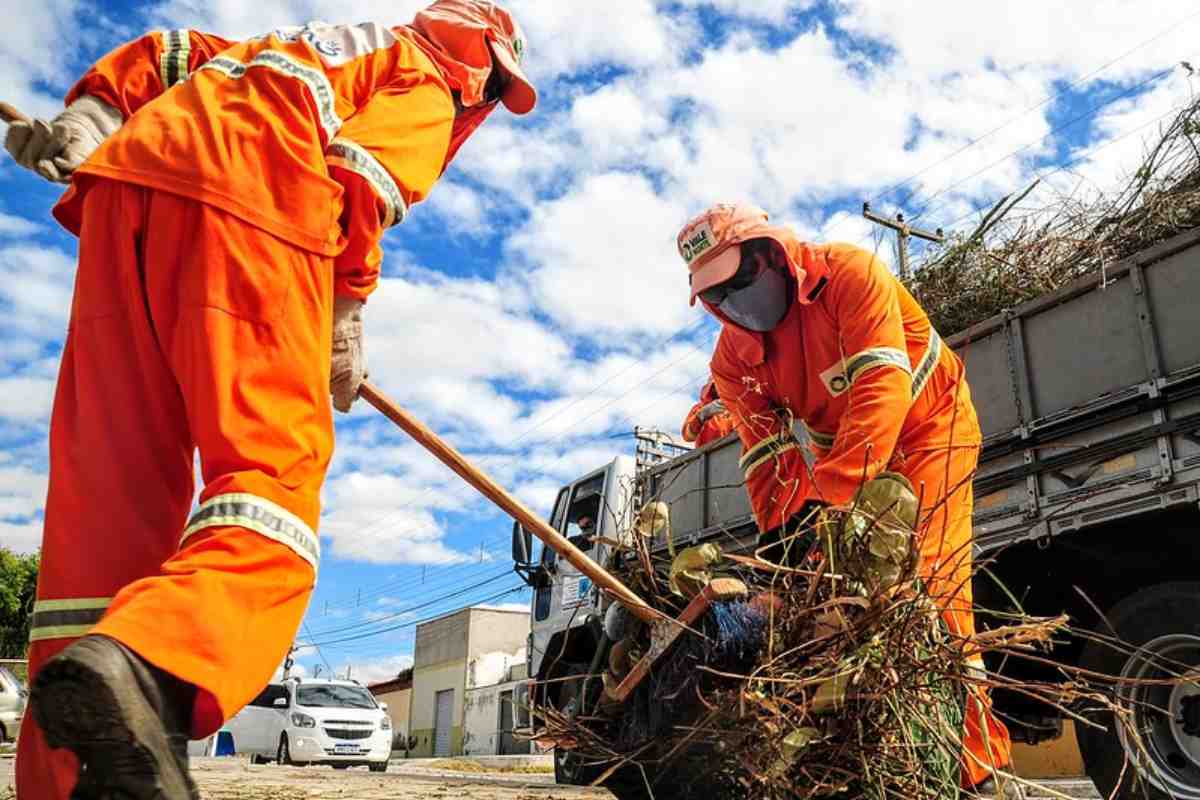


Proposal Approved by the CCJ in Conclusive Character Sets National Minimum Wage of R$3,036 for Garis, Defines 6-Hour Workday, Maximum Additional for Insalubrity, Food Voucher, Basic Basket, Health Plan, and Foresees Annual Impact of R$5.9 Billion on Municipalities, with Partial Support from the Social Fund if Also Approved by the Senate.
The Chamber of Deputies’ Committee on Constitution and Justice and Citizenship approved the national minimum wage of R$3,036 for garis and other urban cleaning workers, in a project that establishes a 6-hour daily work schedule and maximum insalubrity additional throughout the country.
The text, a substitute proposed by the Labor Committee for Bill 4146/20, presented in 2020 by then-deputy Mara Rocha and other parliamentarians, was approved in conclusive character and is heading to the Senate, unless there is an appeal to the Plenary, projecting a billion-dollar impact on municipal budgets if it becomes law.
Who Will Be Entitled to the Wage and What Changes in the Routine of Garis
According to the text approved by the Committee on Constitution and Justice and Citizenship, the national wage of R$3,036 for garis will apply to workers engaged in sweeping services, collection of waste in public places, waste packaging, and forwarding to landfills or recycling establishments, meaning for the base of urban cleaning in Brazilian cities.
-
The Senate approves a bill that criminalizes misogyny, hatred, or aversion towards women, and includes the crime in the Racism Law with a penalty of up to 5 years.

-
Chamber Approves Bill That Allows Pepper Spray for Women Over 16 and Imposes Strict Rules for Purchase, Possession, and Use as Self-Defense

-
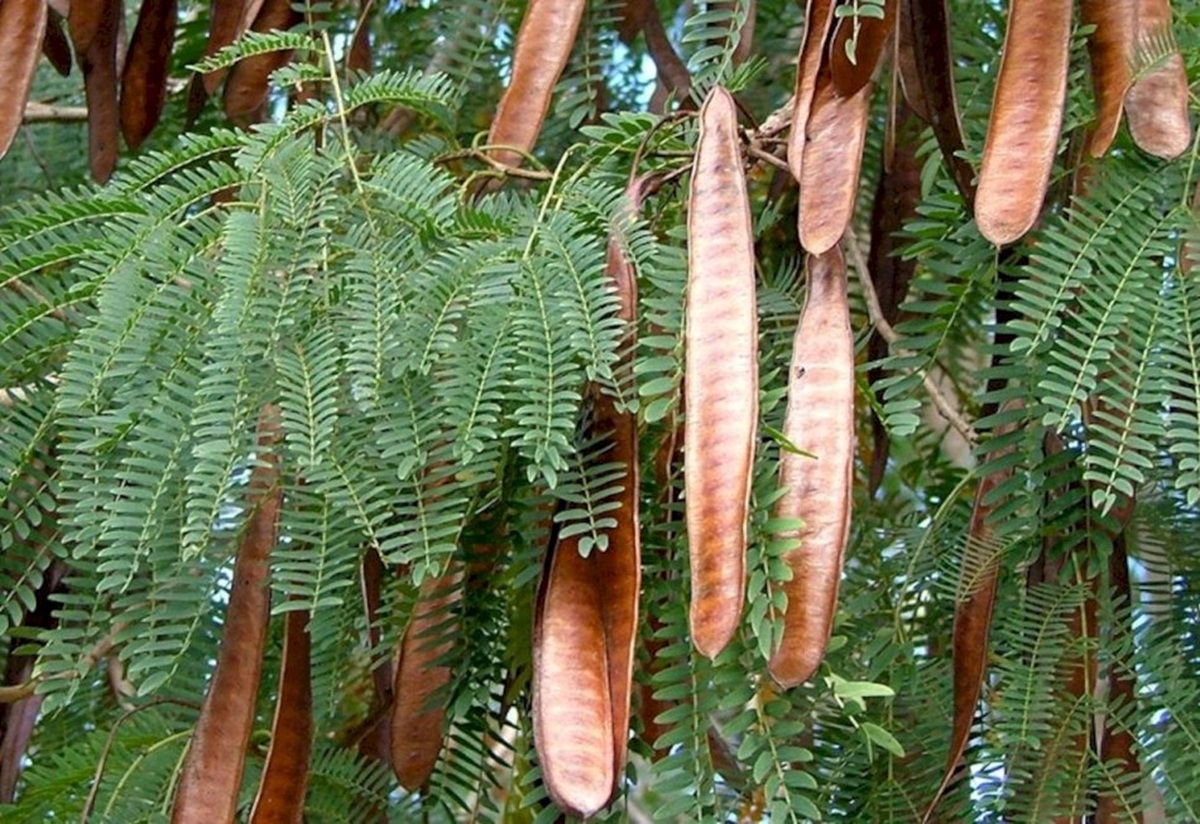
Chamber Approves Law to Combat Leucaena, Fast-Growing Plant That Dominates Land and Threatens Native Species in Various Regions of the Country
-
Asset Division: Know What Cannot Be Divided in Case of Divorce


The proposal seeks to standardize the minimum remuneration of these professionals throughout the national territory, covering roles that, although known by different names in municipalities, involve activities directly related to the cleaning and maintenance of public areas.
With the unified wage, the goal is to reduce disparities among workers who perform similar tasks in different regions.
6-Hour Workday, Maximum Insalubrity, and Special Retirement
The project defines that the workday must be 6 hours daily and 36 hours weekly, a rule that will apply to the urban cleaning workers covered by the proposal.
The definition of a specific workload seeks to harmonize the daily physical effort of these activities with minimum health protection conditions.
In addition to the wage amount, the text guarantees a maximum insalubrity additional, equivalent to 40% of the salary for workers involved in waste collection and the maintenance of public areas. For those covered by the General Social Security Regime, special retirement will be guaranteed when there is exposure to conditions that harm health or physical integrity, recognizing the inherent risk of urban cleaning functions.
Food Benefits and Health Plan outside of Remuneration
Another important point of the project is the provision for food vouchers, a monthly basic basket, and a health plan for the workers covered.
These benefits must be defined in collective bargaining or agreements, allowing unions and employers to adjust details according to the reality of each region and category.
The text also establishes that these funds will not be included in the worker’s remuneration, meaning they will have a nature distinct from the salary established by the wage.
In practice, the national minimum wage of R$3,036 for garis becomes the base salary, while food vouchers, basic baskets, and health plans serve as mandatory supplements, collectively negotiated but without direct incidence on the salary calculation.
Fiscal Impact of R$5.9 Billion and Use of the Social Fund
The National Confederation of Municipalities estimates that adopting the wage and associated rights could generate a fiscal impact of R$5.9 billion per year for the municipalities.
The calculation considers the set of municipalities that employ urban cleaning workers and would need to adjust salaries and benefits to comply with the new rules set forth in the proposal.
To mitigate this impact, an amendment was approved in the CCJ that authorizes the Union to allocate resources from the Social Fund to help municipalities pay the national minimum wage for essential urban cleaning workers.
The text, however, emphasizes that these transfers must not harm the allocations from the Social Fund designated for education, shielding this area from potential cuts to cover new personnel expenses.
Reporter, Involved Committees, and Next Steps Until it Becomes Law
At the recommendation of the reporter, Deputy Leur Lomanto Júnior, from União Brasil in Bahia, the CCJ approved the substitute from the Labor Committee for Bill 4146/20, authored by the licensed deputy Mara Rocha, from Acre, and other parliamentarians.
Amendments for adequacy from the Committee on Finance and Taxation and the CCJ itself were also accepted, adjusting legal and budgetary aspects of the text.
Since the project was approved in conclusive character, it will go directly to the Federal Senate, unless there is an appeal for a vote in the Chamber of Deputies’ Plenary.
In your opinion, is the national minimum wage of R$3,036 for garis sufficient to recognize the importance of those who keep the cities clean every day?







Acredito que como o Deputado Federal Fred frisou na CCJC o Piso ainda é pouco perto do trabalho dos Garis, mas a valorização e reconhecimento já são de grande valia, além do aumento do Piso Salarial, o que não resolve todos os problemas, mas alivia.
é pouco mas já é um começo tomara que não demore porque o que eles ganham pra o que eles fazem é pouco
Tem que ser pra ontem porque os garis ganham muito pouco pelo que eles fazem.