





 Portuguese
  English
  Spanish
  4 min of reading
  0 comments


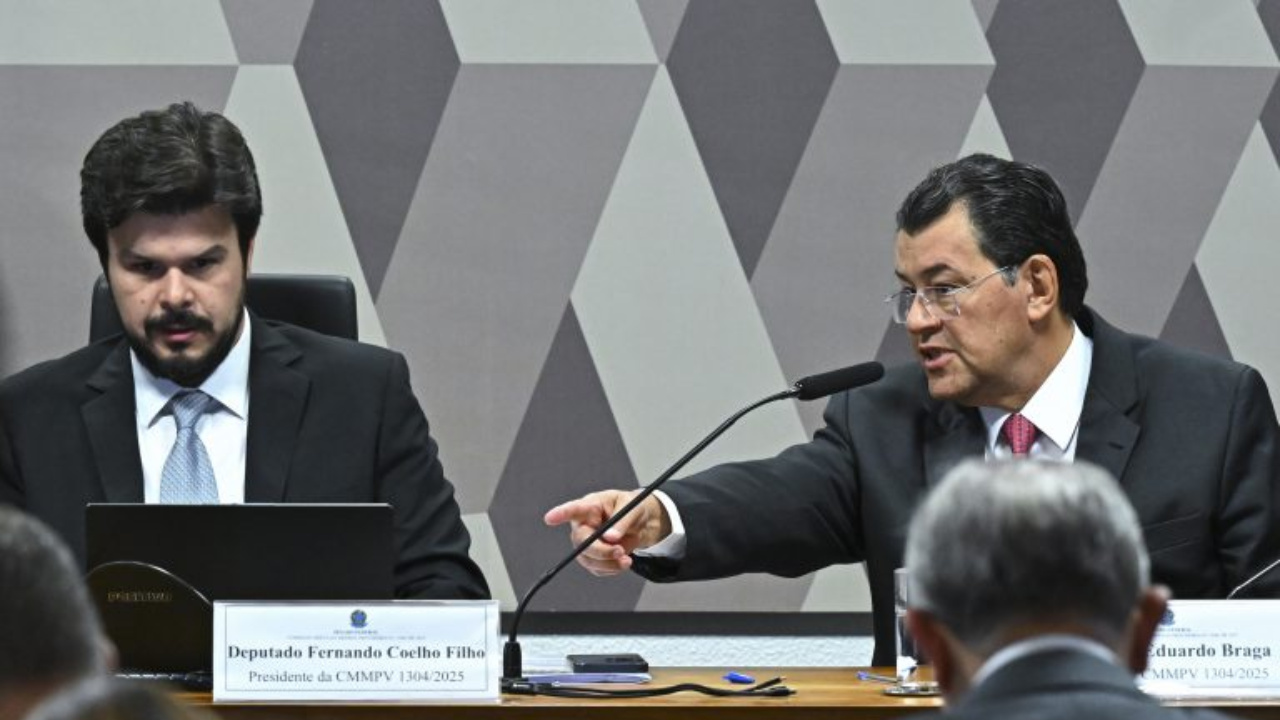
After Intense Political Articulation and Mobilization of Business People and Parliamentarians, the Chamber of Deputies Approved MP 1304 Without the Fee of R$ 20 per 100 kWh for Solar Energy Microgenerators, Ensuring Relief to the Sector and Preserving Thousands of Jobs in the Country.
In a victory considered historic by advocates of clean energy, the Chamber of Deputies approved Provisional Measure 1304/2025 without the provision that foresaw the creation of an additional fee on the microgeneration of solar energy. The initial proposal, presented in the report by Eduardo Braga (MDB-AM), provided for the charging of R$ 20 for every 100 kWh generated, which generated a strong reaction from business people and parliamentarians from various regions of the country.
This fee, which became known as a “jabuti” inserted at the last minute in the text, represented a direct threat to the growth of distributed solar energy — a modality in which consumers produce electricity through panels installed on residential rooftops, businesses, and rural properties. After intense political and technical pressure, the provision was removed before the final vote.
Political Pressure Was Decisive for the Removal of the Fee
According to representatives of the sector, mobilization began as soon as the proposal for charging was disclosed. In Ceará, where the distributed generation segment is responsible for thousands of jobs, business people and parliamentarians united to ensure the exclusion of the item.
-
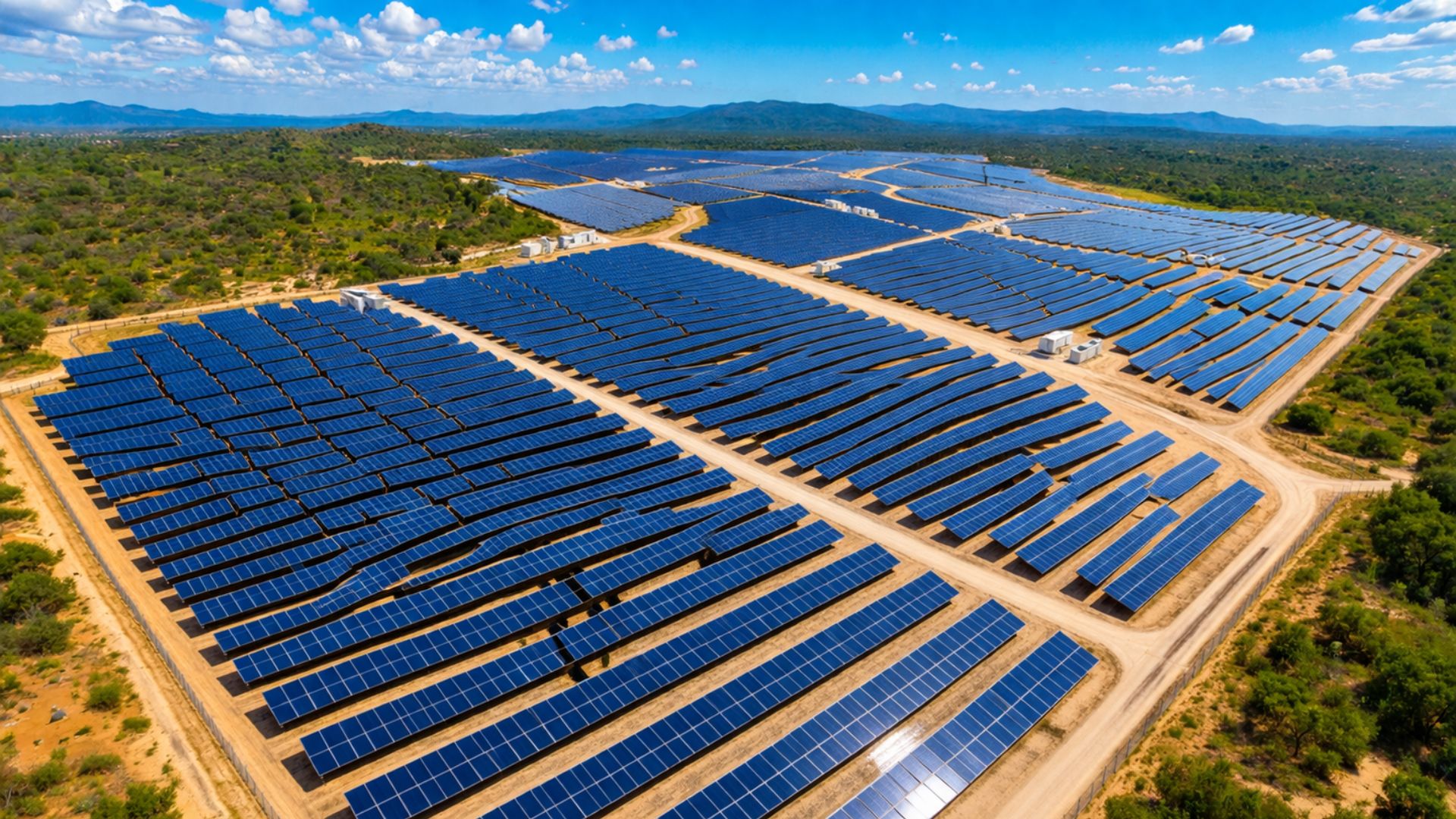
The Sol do Agreste Photovoltaic Complex begins operations in Pernambuco and accelerates the expansion of solar energy in Brazil, directly impacting the reduction of emissions and strengthening the sustainable energy matrix.
-
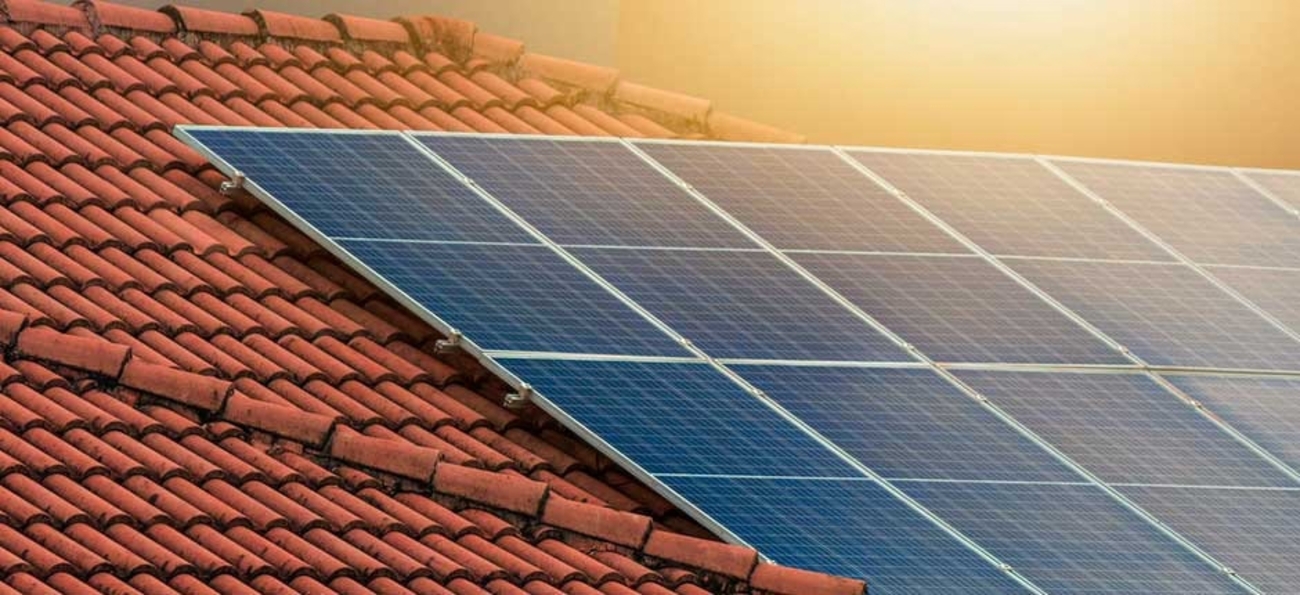
Roraima bets on the sun to escape high tariffs: Amid the energy crisis and price hikes, solar energy is growing in Roraima and transforming consumption in the North region.
-
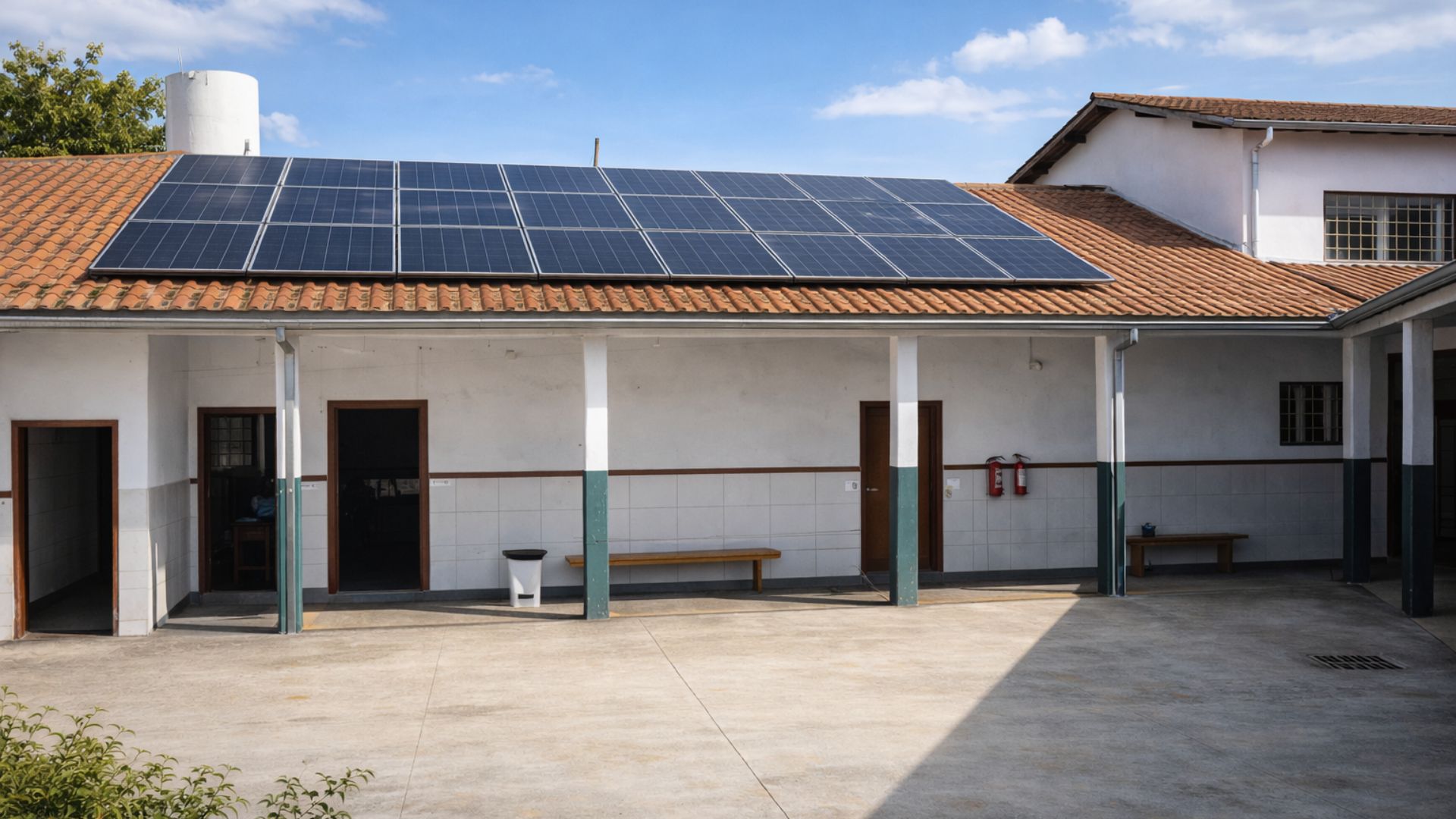
Copel boosts solar energy in Paraná and brings innovation to public schools, promoting savings on electricity bills, energy efficiency, and a direct impact on the quality of education.
-
Brazil reaches historic milestone in solar energy: Sector surpasses 2 million accumulated green jobs and generates billions in the national economy even under market pressure.
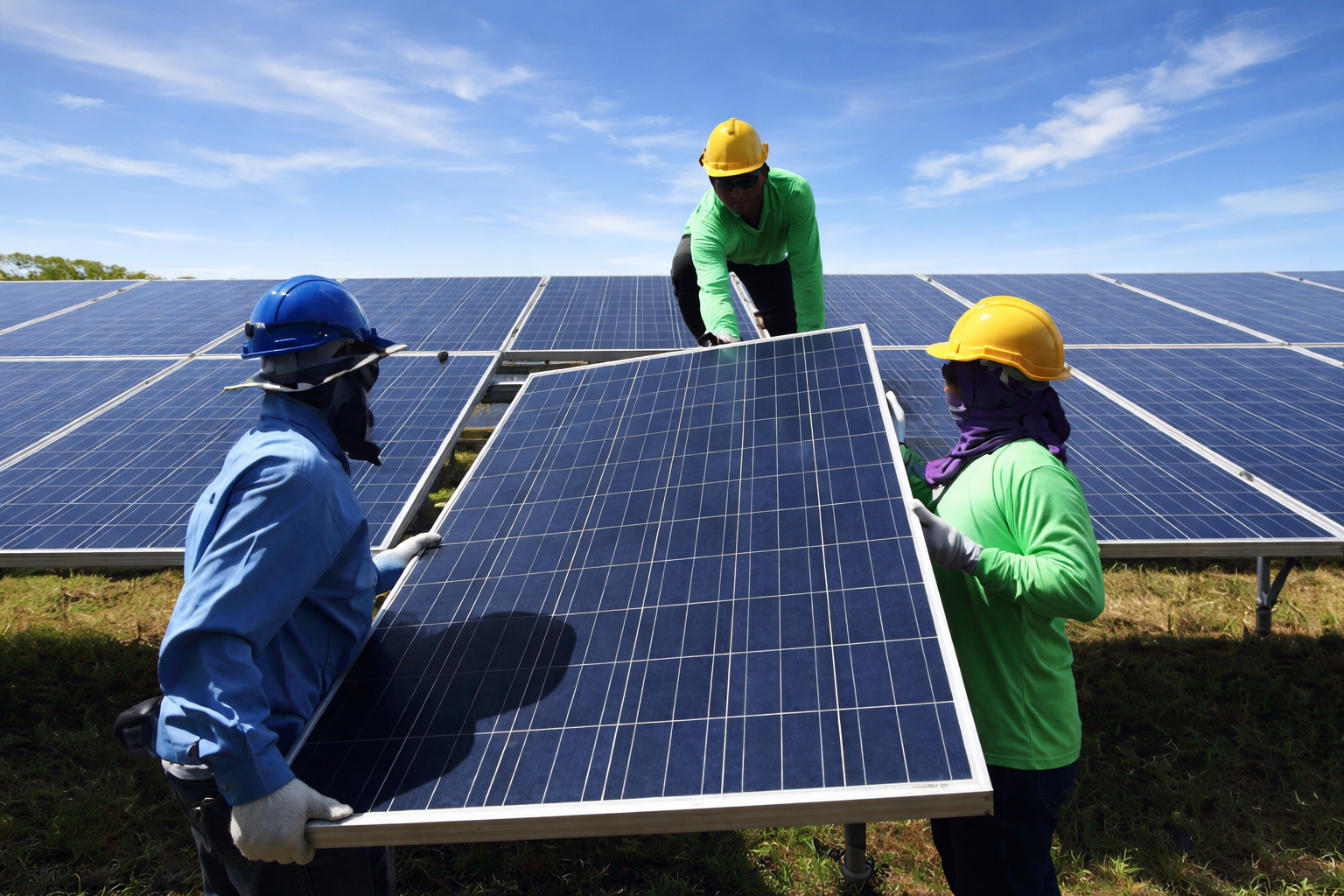

“We were very anxious about the sector and especially about the thousands of jobs generated in Ceará. Our sector remains very strong,” said Lucas Melo, president of the Cearense Front for Distributed Generation.
Parliamentarians from different parties and ideological spectrums also worked together. Among the names that stood out in the articulation are senators Cid Gomes (PDT-CE) and Eduardo Girão (Novo-CE), in addition to federal deputies Danilo Forte, André Fernandes, Domingos Neto, and Dayany Bittencourt. State deputies such as Romeu Aldigueri, Bruno Pedrosa, Renato Roseno, and Alcides Fernandes also participated in the mobilization.
Coronel Assis Led Resistance in the Federal Chamber
In the Chamber, deputy Coronel Assis (União-MT), vice-leader of the opposition, played a fundamental role in the removal of the considered “abusive” fee. The parliamentarian emphasized that the provision of MP 1304 would be detrimental both to those who generate their own energy and to the development of the sector.
“The exclusion of this provision guarantees that citizens who cannot install solar panels in their apartments or commercial establishments can generate energy elsewhere and use it in their home or business, without suffering the infamous charge of R$ 20 for each 100 kWh produced,” Assis stated.
According to him, the decision preserves energy freedom and ensures the continuity of a sector that is essential for Brazil. “We are talking about people and companies that invested, took out loans, and in addition to having to pay for this investment, they would still have to pay this fee that the Lula government wanted,” he criticized.
Solar Energy Is a Driver of Jobs and Sustainability in Brazil
Data from the Movimento Solar Livre reinforce the economic and social impact of solar energy. Currently, the sector generates over 1.5 million direct and indirect jobs and benefits 6.9 million consumer units, which represents 21 million Brazilians. In addition, there are projections that the number of jobs could reach 3.2 million by 2030, consolidating Brazil as a power in clean energy.
Coronel Assis emphasized that, in addition to environmental gains, solar energy is strategic for the economy. “The solar energy sector represents the consolidation of clean, sustainable production that places Brazil in a strategic position to drive the economy,” he declared.
The retreat of the Chamber was interpreted as a sign of political maturation and recognition of the importance of the energy transition in the country. The measure also avoids negative impacts on investors and consumers who invested in their own energy generation.
The president of Petrobras did not comment on the topic, but the episode reinforces how solar energy has become one of the most strategic sectors of the national energy matrix. The decision comes on the eve of the COP 30, an event that will place Brazil at the center of global discussions on sustainability, energy transition, and environmental innovation.






-

Uma pessoa reagiu a isso.