





 Portuguese
  English
  Spanish
  5 min of reading
  0 comments


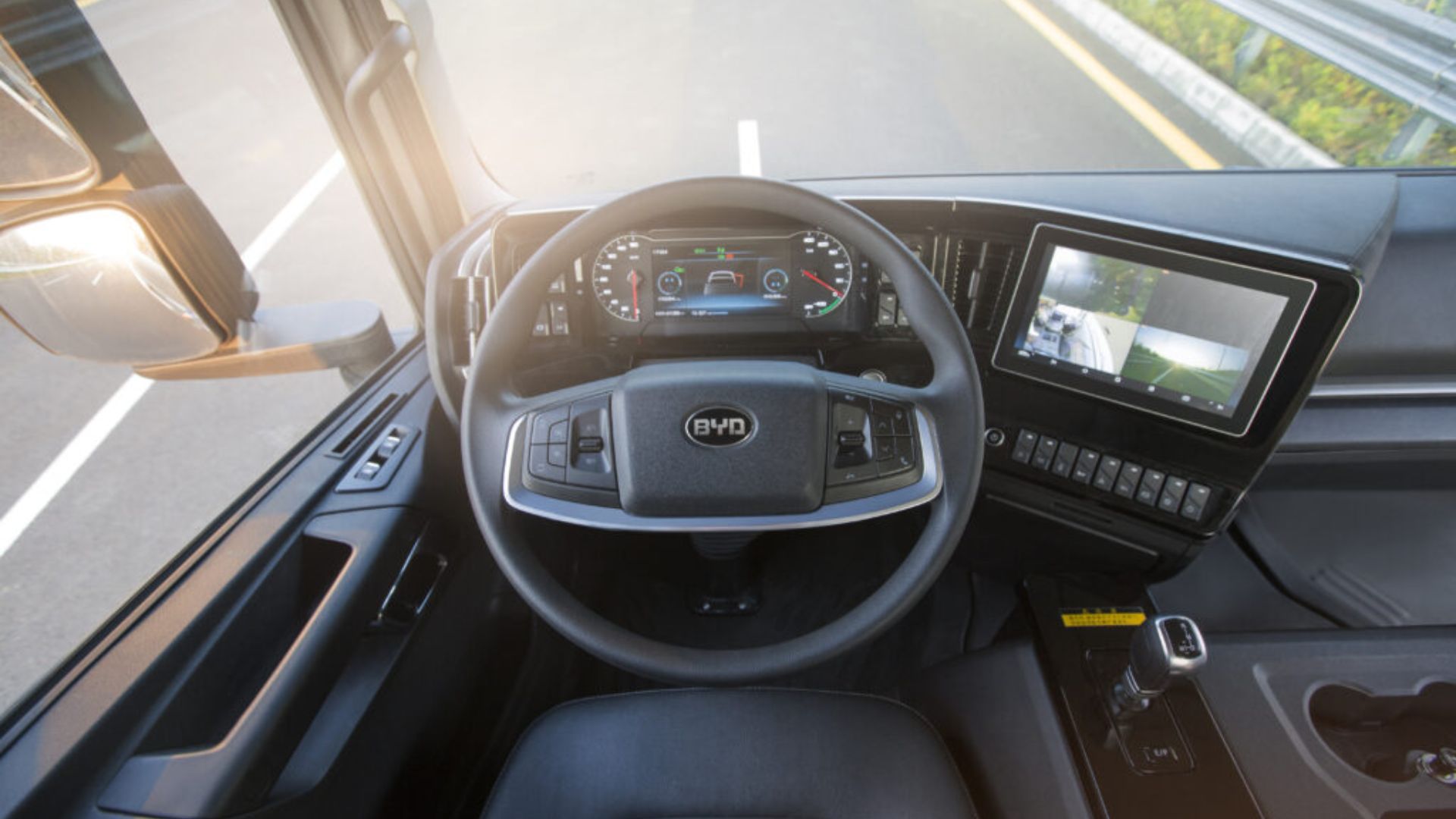
BYD’s Electric Model Promises to Transform Freight Transport in Brazil, Combining Low Operating Cost, Zero Emission of Pollutants, and Advanced Technology Developed to Reduce Expenses and Increase the Efficiency of Commercial Fleets.
For decades, freight transport in Brazil has been closely tied to diesel, a fuel that still dominates the sector and defines a significant part of the national logistics economy.
The idea of an electric truck seemed unfeasible given the vast distances, lack of charging infrastructure, and high technological costs.
But this perception began to change with the arrival of BYD, a Chinese manufacturer that has been expanding its presence silently in the country.
-
Friends have been building a small “town” for 30 years to grow old together, with compact houses, a common area, nature surrounding it, and a collective life project designed for friendship, coexistence, and simplicity.

-
This small town in Germany created its own currency 24 years ago, today it circulates millions per year, is accepted in over 300 stores, and the German government allowed all of this to happen under one condition.

-
Curitiba is shrinking and is expected to lose 97,000 residents by 2050, while inland cities in Paraná such as Sarandi, Araucária, and Toledo are experiencing accelerated growth that is changing the entire state’s map.

-
Tourists were poisoned on Everest in a million-dollar fraud scheme involving helicopters that diverted over $19 million and shocked international authorities.

While public attention focused on electric cars, the brand began operating emission-free trucks with almost silent operation in various Brazilian cities.
These vehicles started with discreet urban operations and today are part of commercial fleets, marking a significant shift in the transport sector.
From Cell Phone Battery to Leadership in Electric Mobility
In the 1990s and 2000s, China was known for copying foreign products, but a young chemist, Wang Chuanfu, chose to take a different path.
He founded BYD (Build Your Dreams) in Shenzhen, with the aim of developing lithium-ion batteries, which were still expensive and not well mastered at the time.
These batteries became essential for the global expansion of cell phones, allowing BYD to grow as a supplier for brands like Motorola and Nokia.
In 2003, the company made a strategic leap by purchasing the automaker Xi’an King Xuan Automobile, combining battery expertise with automotive production.
Two years later, it launched the F3DM, one of the world’s first plug-in hybrids, which could run on electricity or gasoline.
The definitive turning point occurred in 2008, when investor Warren Buffett acquired 10% of the company, boosting its valuation and consolidating the brand in the global market.
The Era of Electric Commercial Vehicles
With advances in technology, BYD began investing in the electrification of buses and trucks.
The creation of the Blade Battery, launched in 2020, marked a milestone by offering more safety, durability, and efficiency.
This innovation made it possible to manufacture electric trucks with enough range and power to compete with diesel models.
Before arriving in Brazil, BYD tested its solutions in Israel and Thailand, countries that quickly adopted electric models due to the cost advantage and simplicity of maintenance.
Subsequently, the brand expanded its strategy to Latin America, with Brazil as the primary focus.
Arrival in Brazil and First Tests
BYD’s official entry into the country occurred in 2015, with a factory for electric bus chassis in Campinas (SP).
Two years later, the company inaugurated a unit focused on photovoltaic modules, reinforcing its plan to create a complete clean energy ecosystem.
The debut of electric trucks occurred with a partnership with Corpus Saneamento, in Indaiatuba (SP), for nighttime waste collection.
The project, started in 2016, demonstrated efficiency and silence in urban operations.
The ET8A model, launched in 2018, consolidated success by processing up to 16 tons of waste per shift, without noise and without gas emissions.
In addition to collection, BYD implemented the “Nights and Day” concept, in which the remaining energy from the batteries after nighttime use is reused to power the internal systems of garages.
The positive experience attracted new companies and inspired the development of more robust vehicles.
ET5 and ET18: The New Electric Generation
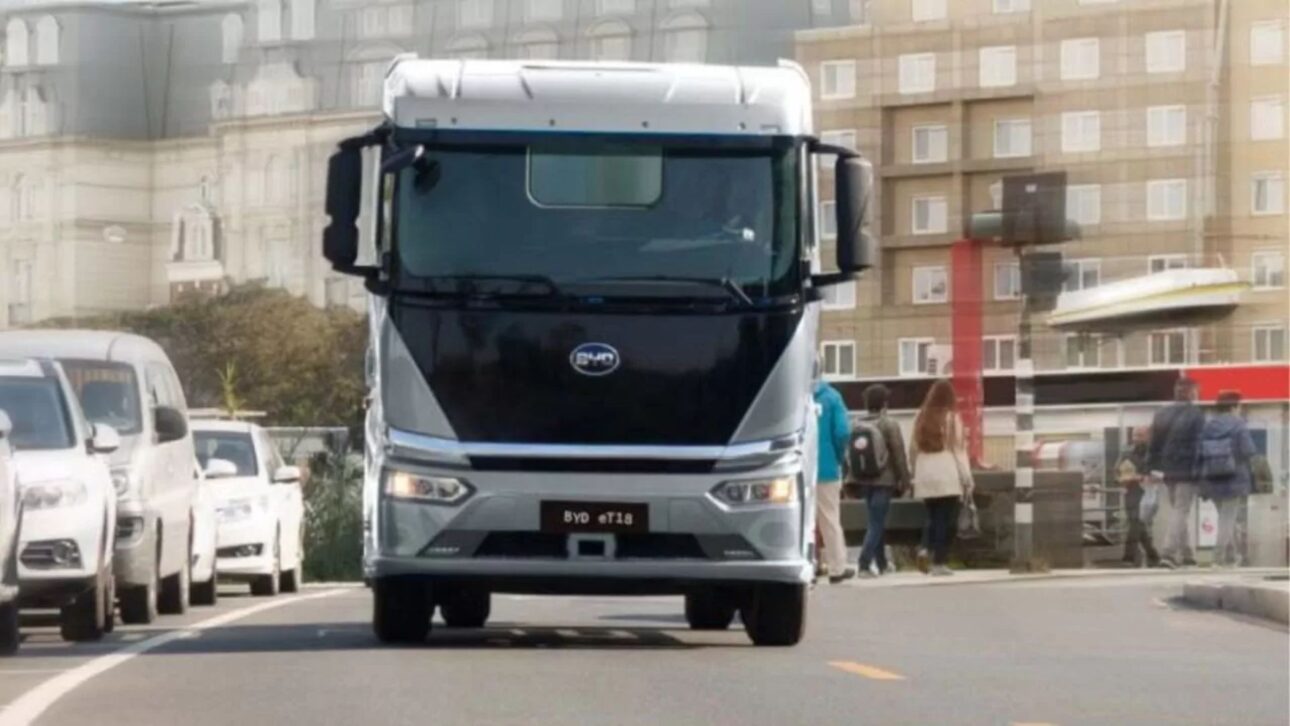
The expansion of the electric line brought the ET5, aimed at light urban deliveries, and the ET18, for heavy operations.
The ET5 has a 197-horsepower motor, a range of 185 km, and a full charge in under two hours.
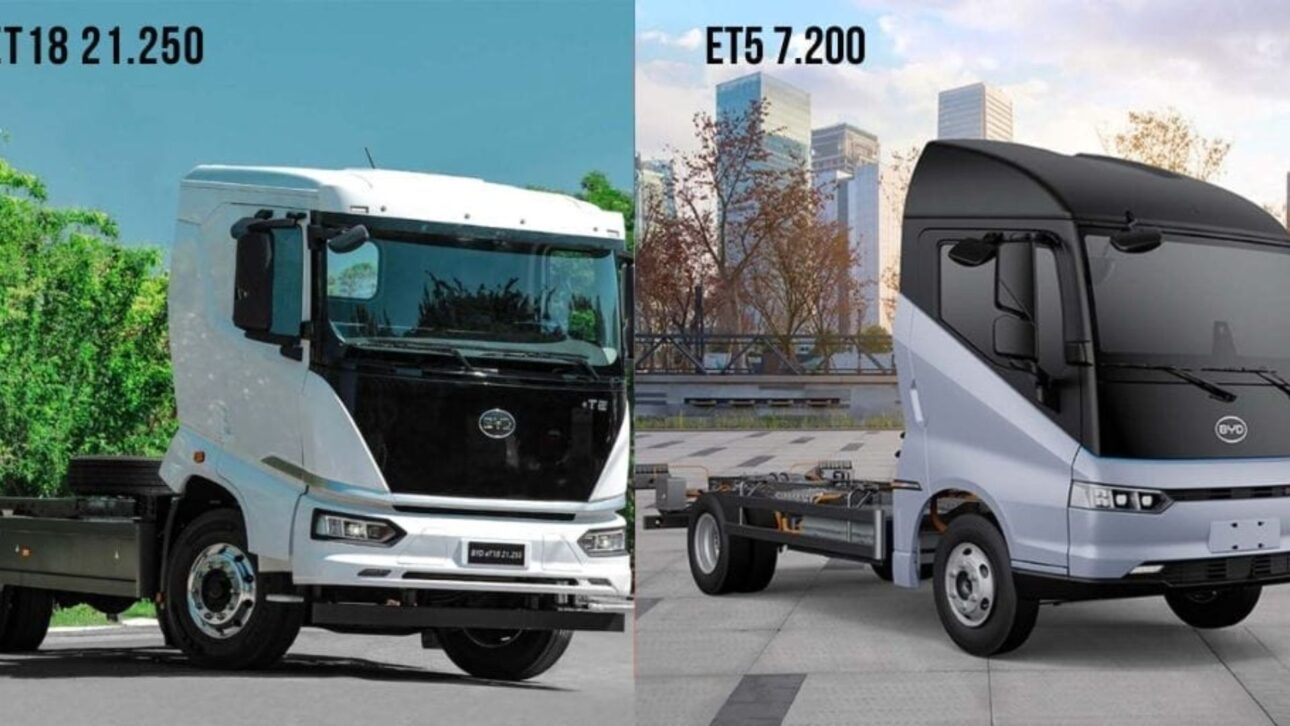
With a gross weight of 7 tons and a payload capacity of up to 3.9 tons, it has become popular in last-mile and refrigerated logistics.
The ET18 is the highlight among the brand’s electric trucks.
With a 21-ton GVW and capacity for 13.3 tons of payload, it is designed for beverage distribution and large-volume waste collection.
The motor delivers 245 horsepower, with an average range of 165 km and rapid charging in approximately one hour.
Each ET18 unit avoids over 130 tons of CO₂ per year, equivalent to the work of about a thousand trees over two decades.
The ET5 also shows impressive numbers, reducing about 107 tons of annual emissions.
These figures demonstrate the direct impact of electrification on the urban transport sector.
Economics and Operating Cost
The main differentiator of BYD’s electric trucks lies in the low cost per kilometer driven.
According to the company, the ET5 consumes about R$ 0.46 per km, considering the national average electricity tariff.
A light diesel truck, in a similar operation, exceeds R$ 1.00 per km, not counting fuel volatility.
With an average of 70,000 km annually, savings reach R$ 38,000 per year and exceed R$ 200,000 in five years, just in fuel costs.
The maintenance cost is significantly lower, since electric motors do not require oil changes, clutches, or complex cooling systems.
The reduction in moving parts also increases uptime and reduces downtime in the shop.
BYD expects that the local production of the Blade Battery in Manaus will further reduce logistics and import costs.
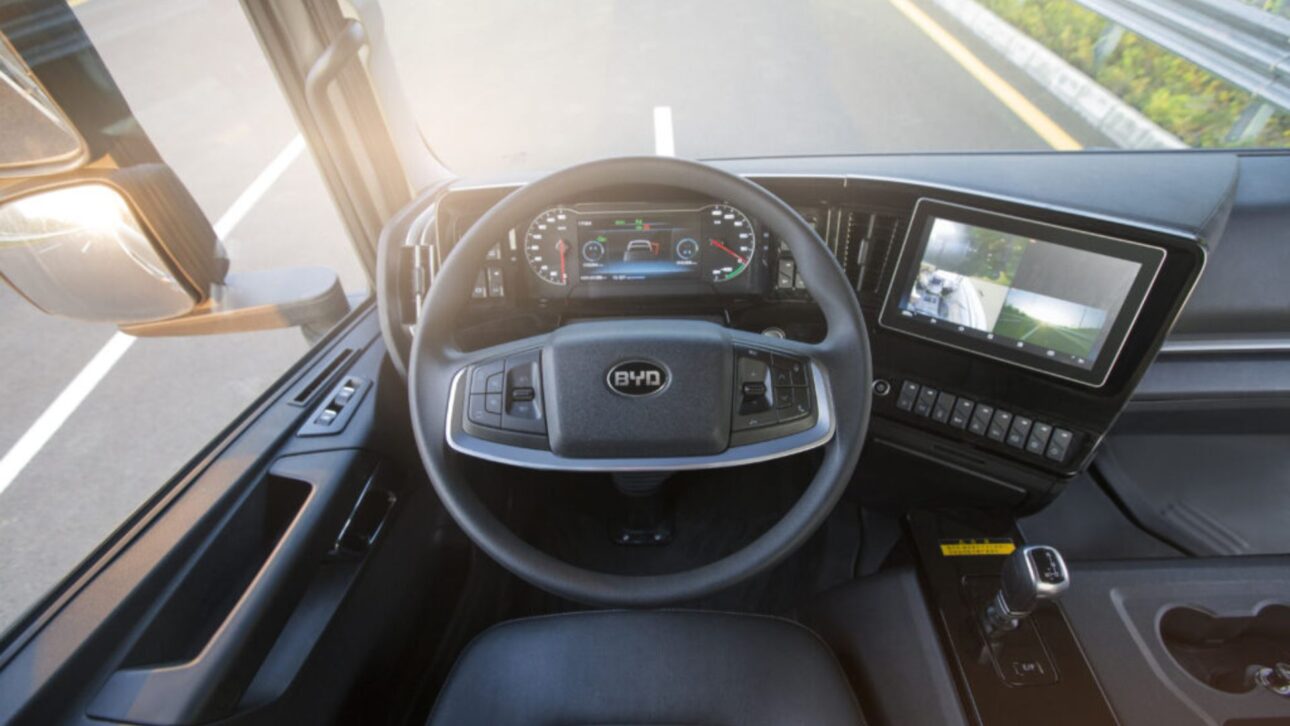
New versions of the ET18 with extended range of 350 km and weight reduction of 100 kg are in development.
Challenges and Next Steps in the Country
Despite advances, the main obstacle to the expansion of electric trucks in Brazil is the charging infrastructure.
Compatible charging stations are still concentrated in major centers, hindering intermunicipal and interstate operations.
Nonetheless, BYD continues to invest in the country and prepares for new launches, such as the ET23, aimed at beverage distribution.
The model is already operating in Mexico in partnership with Coca-Cola FEMSA and is set to arrive in the Brazilian market in 2025, after local approval.
The factory in Camaçari (BA), built in the old Ford complex, will be the largest production center for BYD outside of China, with an estimated investment of R$ 5 billion.
The project is expected to generate about 20,000 direct and indirect jobs and will also house a research and development center in Salvador, focused on technological adaptation to the national market.
As the country slowly advances in fleet electrification, BYD solidifies its role as a reference in sustainable mobility, integrating vehicles, batteries, and clean energy generation.
With reduced consumption, silent operation, and simplified maintenance, the ET18 emerges as a milestone in Brazil’s energy transition.









Seja o primeiro a reagir!