





 English
  Francês
  Alemão
  Italiano
  Japonês
  Norueguês
  Portuguese
  Spanish
  4 min of reading
  0 comments


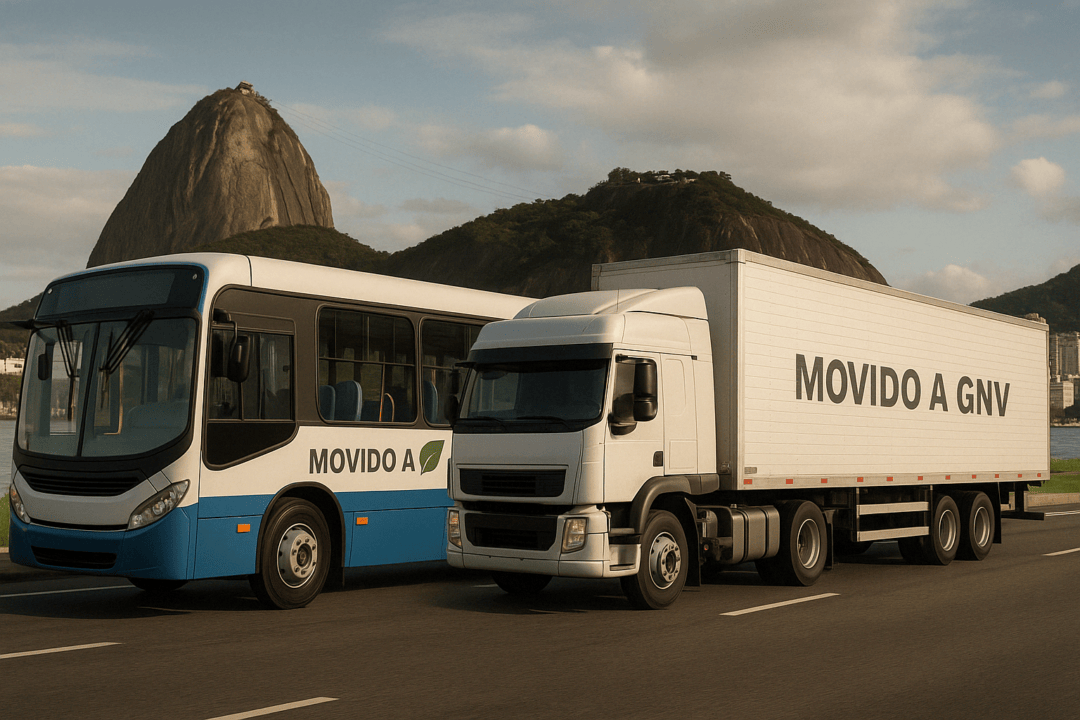
Natural Gas Gains Prominence in Decarbonizing Road Transport with New Investment Phase from Naturgy
During the event “The Strength of Oil from Rio de Janeiro”, held on April 10, 2025, Naturgy, the main distributor of natural gas in the state, reinforced its strategic role in the energy transition. The focus now is on expanding the Sustainable Corridors, a project that promotes the use of CNG (compressed natural gas) in heavy vehicles, such as trucks and buses.
The initiative aims to broaden the reach of clean mobility and, consequently, reduce emissions in cargo transport and urban mobility.
According to Giselia Pontes Sereli, commercial director of Naturgy, natural gas already plays an essential role in replacing highly polluting fuels, such as diesel, fuel oil, and LPG.
-
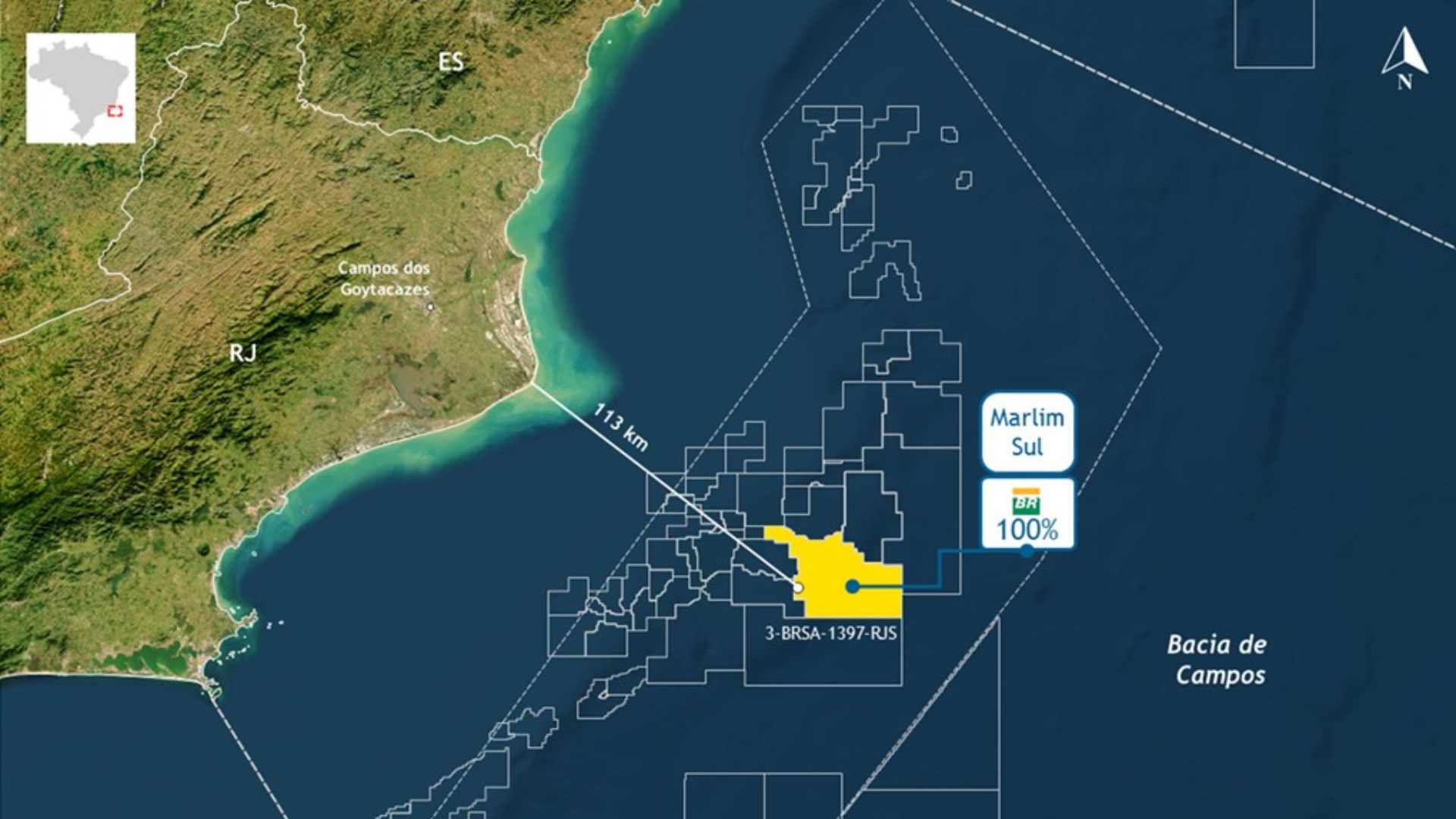
Petrobras announces new oil discovery in the pre-salt of the Campos Basin and reinforces Brazil’s prominence with high-quality reserves that can increase production and energy revenues.
-
Alert in the fuel market: Analysts and a former director of ANP warn that oil prices may worsen in the coming months due to global instability.

-
Ocyan brings executives and digital solutions to Macaé Energy 2026 and highlights offshore expansion with Nexio and a new base in Macaé.
-
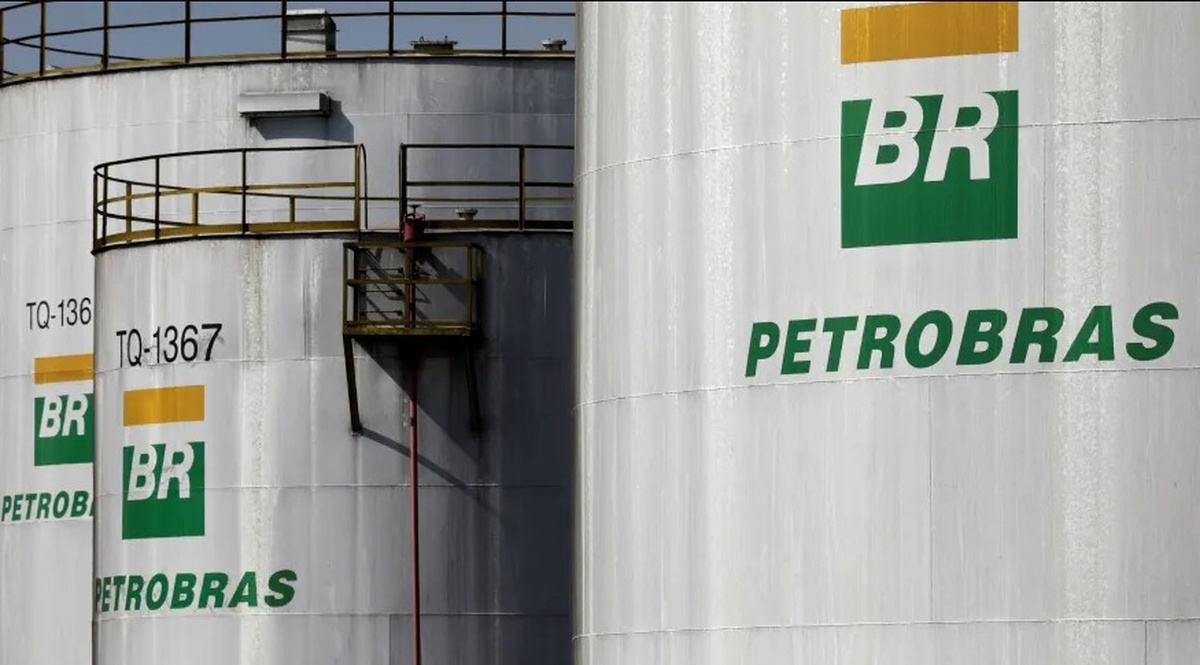
Petrobras advances 4.6% with rising oil prices and the dollar, reigniting the debate on macro risks, pricing policy, and fiscal impact in Brazil.

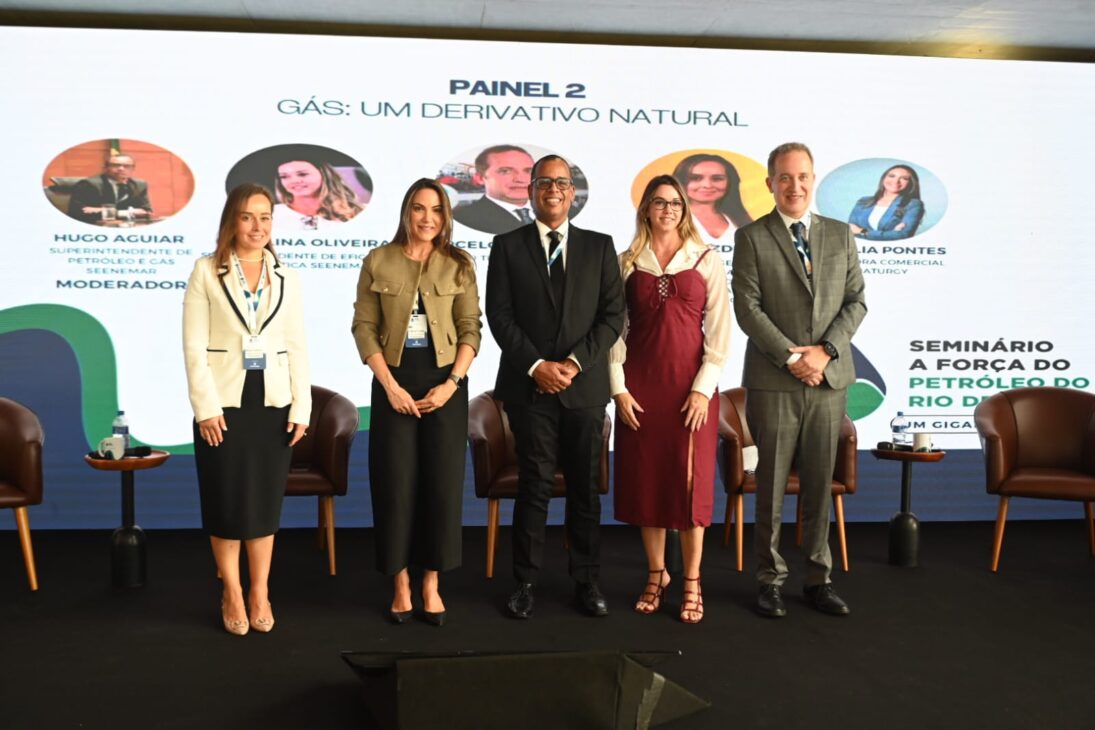
“Rio de Janeiro is already a reference in the use of CNG, with 20% of the light vehicle fleet fueled by this fuel. Now, we will also advance with heavy vehicles,” highlighted the executive, signaling the new phase of the project.
Infrastructure Expansion Will Integrate Southeast and Reduce Emissions
Currently, Naturgy already distributes more than 3 million m³ of CNG per day in the state of Rio. However, the company wants to go further. Therefore, it plans to invest R$ 700 million in infrastructure in the interior of Rio de Janeiro over the next two years.
Part of this investment will be directed to the creation of 16 new Sustainable Corridors, which will connect the state to the main highways linking to Espírito Santo, Minas Gerais, and São Paulo.
This advancement is based on the success of the country’s first corridor, which was implemented in Rio de Janeiro itself. This was only possible thanks to the already existing natural gas network infrastructure.
Furthermore, Giselia stated that the project ensures supply autonomy, allowing CNG-powered vehicles to travel freely along these interstate routes, thus strengthening sustainable logistics.
Naturgy Modernizes Network for Biomethane and Expands Coverage in the State
The executive also took the opportunity during the panel to highlight the company’s advancements over its 27 years of concession in the state. During this period, Naturgy invested over R$ 11 billion, completely modernizing its structure.
The distribution network tripled, increasing from 2,000 to 6,000 km of network. The number of municipalities served rose from 1 to 43. Meanwhile, the customer base grew from 500,000 to 1.1 million.
Moreover, all this infrastructure has been designed with the future in mind. The current network is already ready to distribute biomethane as soon as production reaches sufficient scale. Currently, natural gas distribution in Rio de Janeiro reaches almost 7 million m³ per day.
Debate on the Future of Gas Reinforces the Strategic Importance of the Sector
The panel “Gas: A Natural Derivative,” where Giselia shared Naturgy’s plans, was moderated by Hugo Aguiar from Seenemar. Other important figures from the sector also participated: Carolina Oliveira (Seenemar), Marcelo Mendonça (Abegás), and Beyza Ozdemir (Karpowership).
During the debate, the experts discussed the role of natural gas as a vector of energy efficiency and guarantee of security in the Brazilian energy matrix.
Organized by the Secretariat of State for Energy and Economy of the Sea, the event reinforces Rio de Janeiro’s commitment to leading the advancement of cleaner and more accessible energy sources.
Naturgy’s participation demonstrates that investments in natural gas and CNG are strategic pillars for a future with less carbon and more regional development.
Sustainable Corridors: Is CNG in Heavy Transport a Viable Solution?
With expanding infrastructure and established technology, CNG for heavy vehicles emerges as an immediate alternative. The proposal reduces emissions in cargo transport without relying on electric solutions that are still unviable for long distances.
Moreover, Naturgy’s bet on expanding the Sustainable Corridors offers operational savings and less environmental impact. As a result, CNG-powered trucks and buses are gaining strength to become leaders in the logistics sector of the Southeast.
The question that remains is: will CNG trucks really dominate the roads in the coming years?









Seja o primeiro a reagir!