





 Portuguese
  English
  Spanish
 5 min of reading
  0 comments


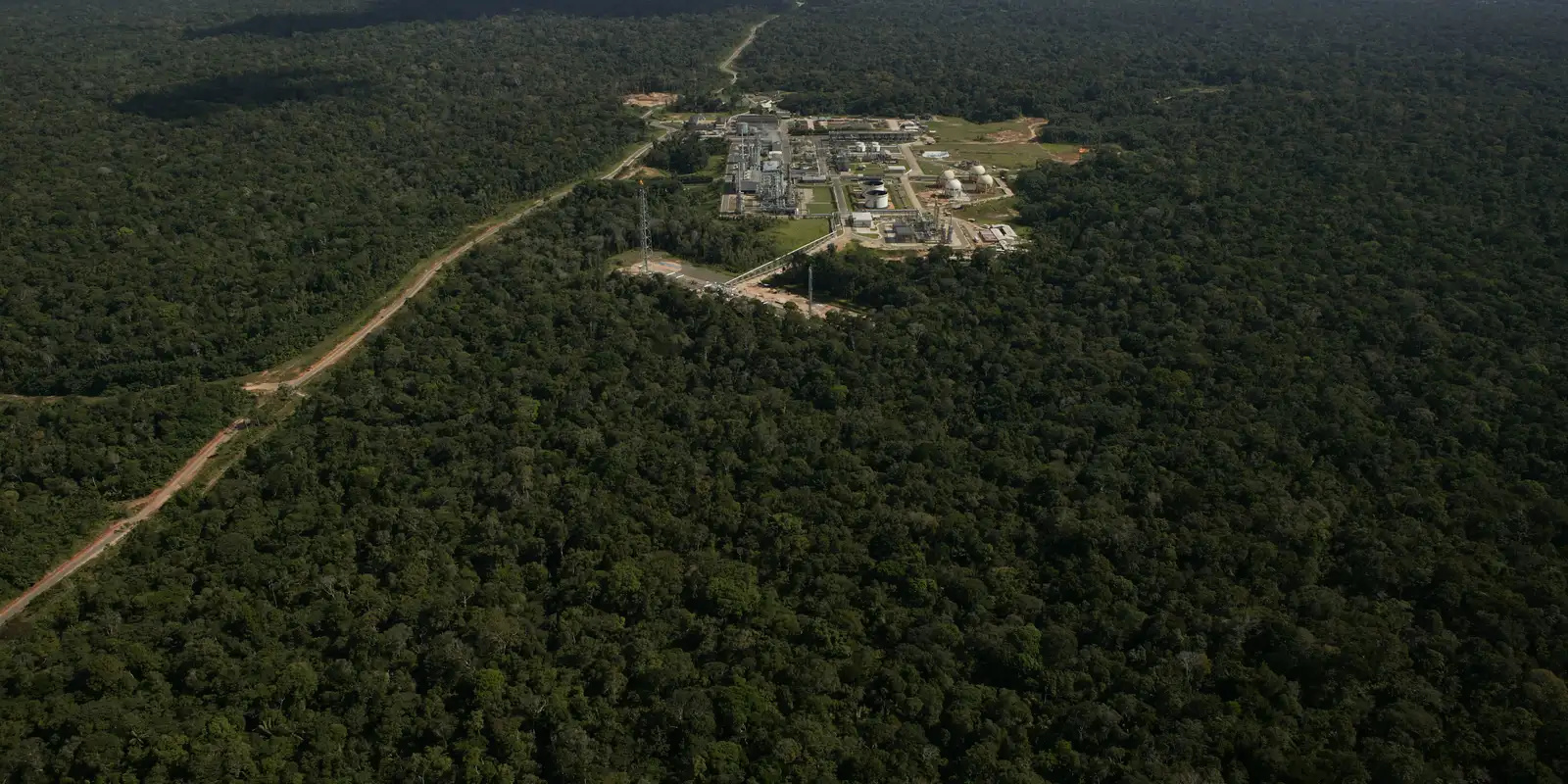
Urucu Field, Operated by Petrobras in Amazonas, Supplies 80% of the State with Natural Gas and Becomes a Model for Energy Operations in a Remote Region.
In the heart of the Amazon rainforest, one of the country’s most strategic natural gas fields continues to operate away from the spotlight — yet plays a fundamental role in supplying energy to the Northern region. The Urucu field, operated by Petrobras since the 1980s, has never been sold, unlike many other state assets in recent years. But this has not prevented it from becoming, through a new logistical and operational strategy, a true energy pillar of Amazonas.
Today, Urucu produces more than 11 million cubic meters of gas per day, supplying about 80% of the entire natural gas demand in the state, thanks to the Urucu–Coari–Manaus pipeline, one of the largest in the Northern region. It is an emblematic case of how a non-privatized asset, but modernized and repositioned, can remain strategic and highly profitable for national infrastructure.
Historic Discovery in the Middle of the Forest
The Urucu field was discovered in 1986, in the Tefé region, within Amazonas, in one of the largest oil and gas provinces ever identified in the Amazon rainforest. Geographically isolated, with extremely difficult access and no nearby consumer market, the field took years to be properly developed.
-
Petrobras evaluates suspension of sales to distributors and considers canceling the cooking gas auction following guidelines from the Federal Government.
-
Lula reveals a masterstroke by Petrobras to undo a deal made by Bolsonaro, which involves the return of an important refinery that currently produces less than half of what was expected and makes Brazil dependent on international diesel.
-
A study confirms that the natural gas sector will reduce greenhouse gas emissions in Brazil by 0.5% and accelerate the energy transition by 2026.

-
Petrobras implements a severe adjustment and confirms a 55% increase in the price of aviation kerosene with a proposal for installment payments for the companies.


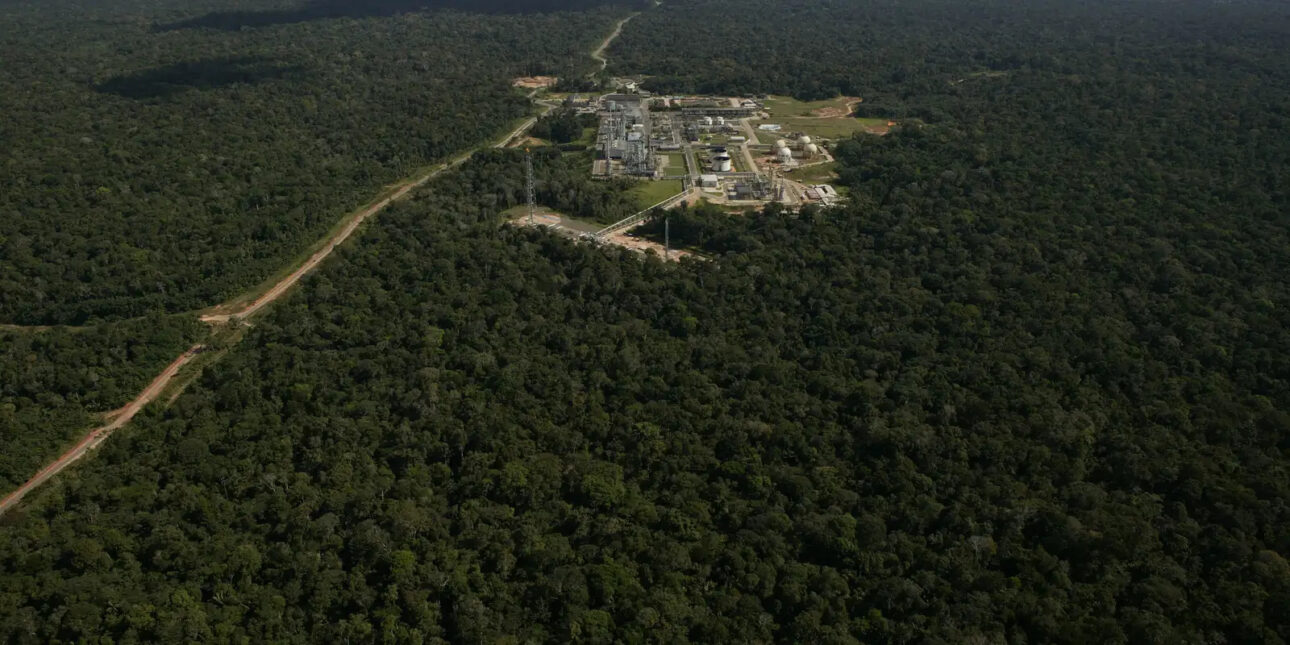
Only starting in the 2000s, with the advancement of the Urucu–Manaus pipeline construction, did gas production gain economic sense. The construction of the infrastructure to transport natural gas through nearly 660 km of forest was a milestone in national engineering.
With it, for the first time, it would be possible to transport the gas produced in the middle of the Amazon to the capital Manaus, continuously and safely supplying homes, industries, businesses, and thermoelectric plants.
The New Cycle: Strategic Repositioning and Focus on Efficiency
Unlike other fields sold during Petrobras’s divestment programs, Urucu remained under direct management of the state. But this did not prevent important structural changes.
In recent years, Petrobras has begun to reorganize its operations in the region, reducing activities in less productive areas, optimizing teams, modernizing equipment, and reinforcing the use of the pipeline as a central transportation channel. The focus shifted to maximize the potential of the province at a lower cost per cubic meter, which brought visible results.
The current production exceeds 11 million m³ of gas per day, according to data from ANP and the state government, representing 80% of all gas consumed in Amazonas. Consequently, the field has established itself as the main energy driver of the region — without relying on external sources or more expensive fuels such as diesel.
Direct Impact of Urucu Gas Field: Thermoelectric Plants, Industries, and Population Supplied
The natural gas from Urucu is primarily used to supply thermoelectric plants in Manaus, ensuring energy supply for millions of people. Additionally, a significant portion of the volume meets the needs of industries, vehicle fleets, and businesses, reducing costs and dependency on energy generated by fuel oil or coal.
Among the main beneficiaries are:
- UTE Mauá 3: natural gas thermoelectric plant with a capacity of 586 MW.
- Condominiums and hospitals in Manaus, which now use piped natural gas as a clean energy solution.
- Urban bus fleet and taxi drivers, benefiting from CNG derived from Urucu gas.
This regional supply represents energy security, price stability, and environmental gain, as natural gas emits fewer pollutants compared to other fossil fuels.
The Logistics of Urucu Gas Field in the Middle of the Forest
One of the greatest achievements associated with the Urucu field is the logistical viability of the operation. The Urucu–Coari–Manaus pipeline, approximately 660 km long, crosses areas of dense forest, rivers, and challenging terrain.
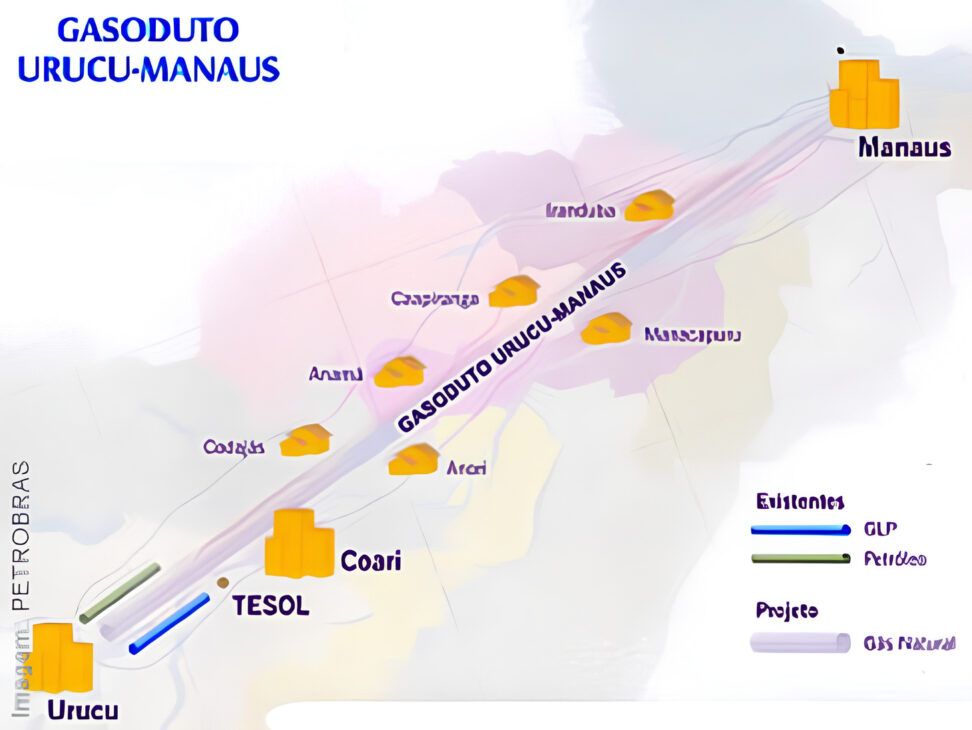
The operation involves:
- Barges and river pipelines in areas where trucks cannot be used.
- Compression and pressure reduction stations at strategic points in the network.
- Remote monitoring for leaks and maintenance using high-precision sensors.
With this infrastructure, gas can travel from the well in the forest to the taps and plants of the state capital in record time, without the need for trucks or imported diesel.
Regional Energy Without Relying on Imports
In addition to the positive environmental impact, the continuous operation of Urucu drastically reduces Amazonas’ energy dependence on imported fuels. Before the consolidation of the field and the pipeline, much of the electric energy in the state came from diesel-powered plants, supplied by ships — which are expensive and polluting.
Today, the model is more efficient, cleaner, and cheaper. In a scenario of international price fluctuations, the presence of a stable local source is strategic for public budgeting and urban planning.
Urucu and the New Vision on “Non-Sold” Assets
While many Petrobras assets have gone through privatization in recent years, Urucu demonstrates that sale is not the only way to revive or enhance strategic operations.
With a more focused management approach, operational adjustments, and investments in efficiency, Petrobras has managed to transform the Amazon gas field into a energy reference without giving up state ownership.
Moreover, the success of this operation can serve as a model for other remote areas of the country, where the logistical challenge is significant, but the energy potential is even greater.
The Urucu field, in Amazonas, is an emblematic example of how planning, infrastructure, and strategic vision can transform an isolated asset into a key piece of the energy matrix of an entire region. Without being sold or privatized, Urucu underwent a silent process of restructuring and modernization, which now ensures 80% of all gas consumed in Amazonas.
While many areas are sold and become profitable under new management, Urucu shows that with the right decisions, state assets can also thrive — and be crucial for the sustainable development of remote regions in Brazil.










-

-

4 pessoas reagiram a isso.