





 Portuguese
  English
  Spanish
  5 min of reading
  0 comments


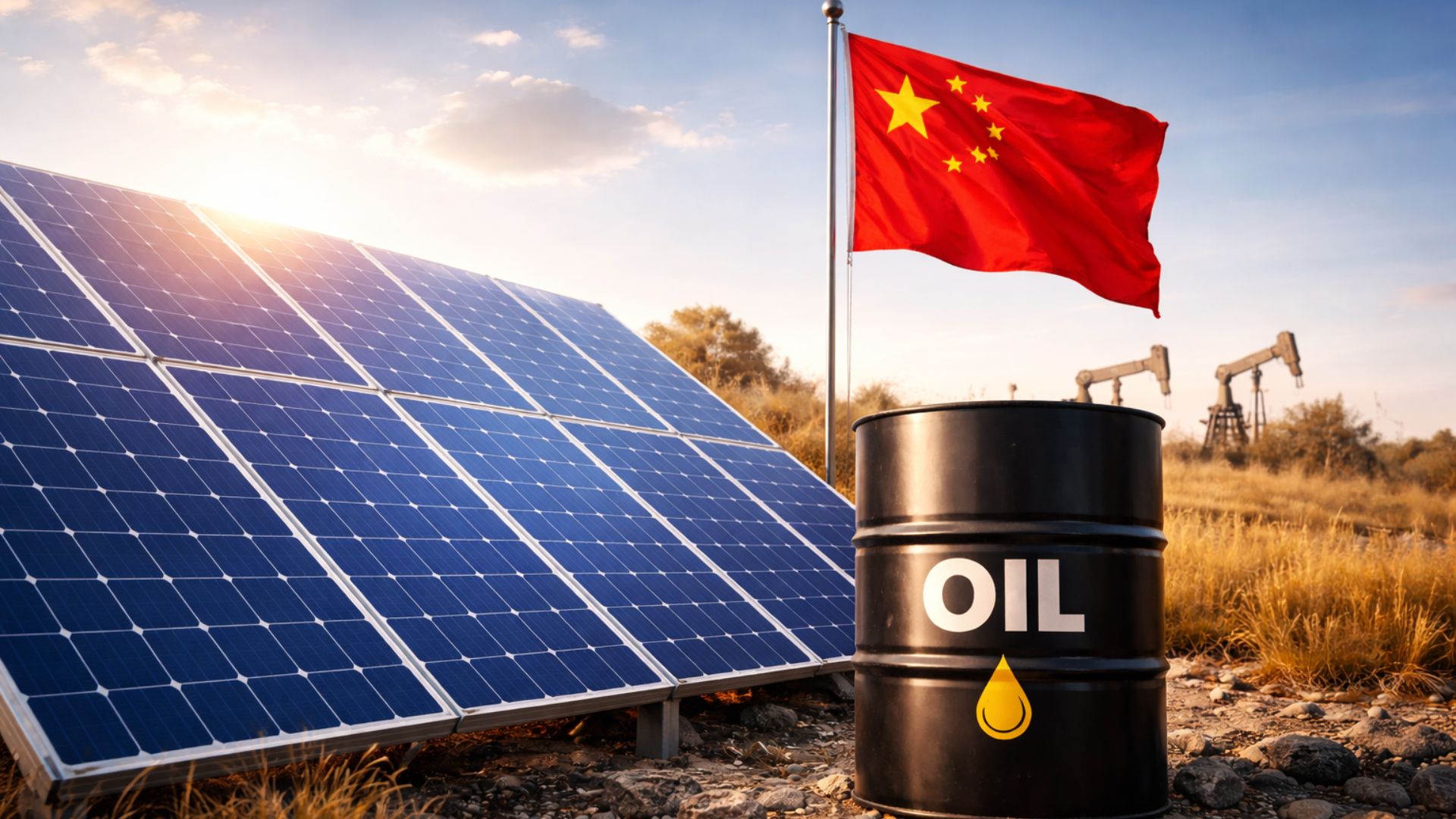
Discover How Tarim Became a Reference by Integrating Solar Energy into a Large Oil Field, Reducing Carbon Emissions, Expanding Green Electricity, and Transforming the Global Energy Industry.
On December 28, as reported by the Chinese state agency Xinhua, the Tarim oil field, operated by PetroChina, surpassed 2 billion kilowatt-hours (kWh) in annual solar energy generation. This data positions the venture as one of the most significant examples of integration between renewable sources and traditional oil and gas assets, reinforcing a new sustainable model within the global energy industry.
The milestone is strategic and symbolic. Located in the Xinjiang Uygur Autonomous Region in northwestern China, Tarim not only retains its relevance as the third largest onshore oil and gas field in the country, but also consolidates itself as a hub for large-scale green electricity production. The initiative directly contributes to reductions in carbon emissions, diversifying the regional electricity matrix and modernizing the energy industry amid a context of accelerated climate transition.
Tarim and the Advancement of Solar Energy in the Oil Field
The Tarim has always held a strategic position in China’s energy security. Located in the Taklimakan Desert, the oil field is known for its extreme operational conditions and the production of oil and gas from ultra-deep reservoirs. In recent years, however, the complex has begun incorporating solar energy as a central part of its operational strategy.
-
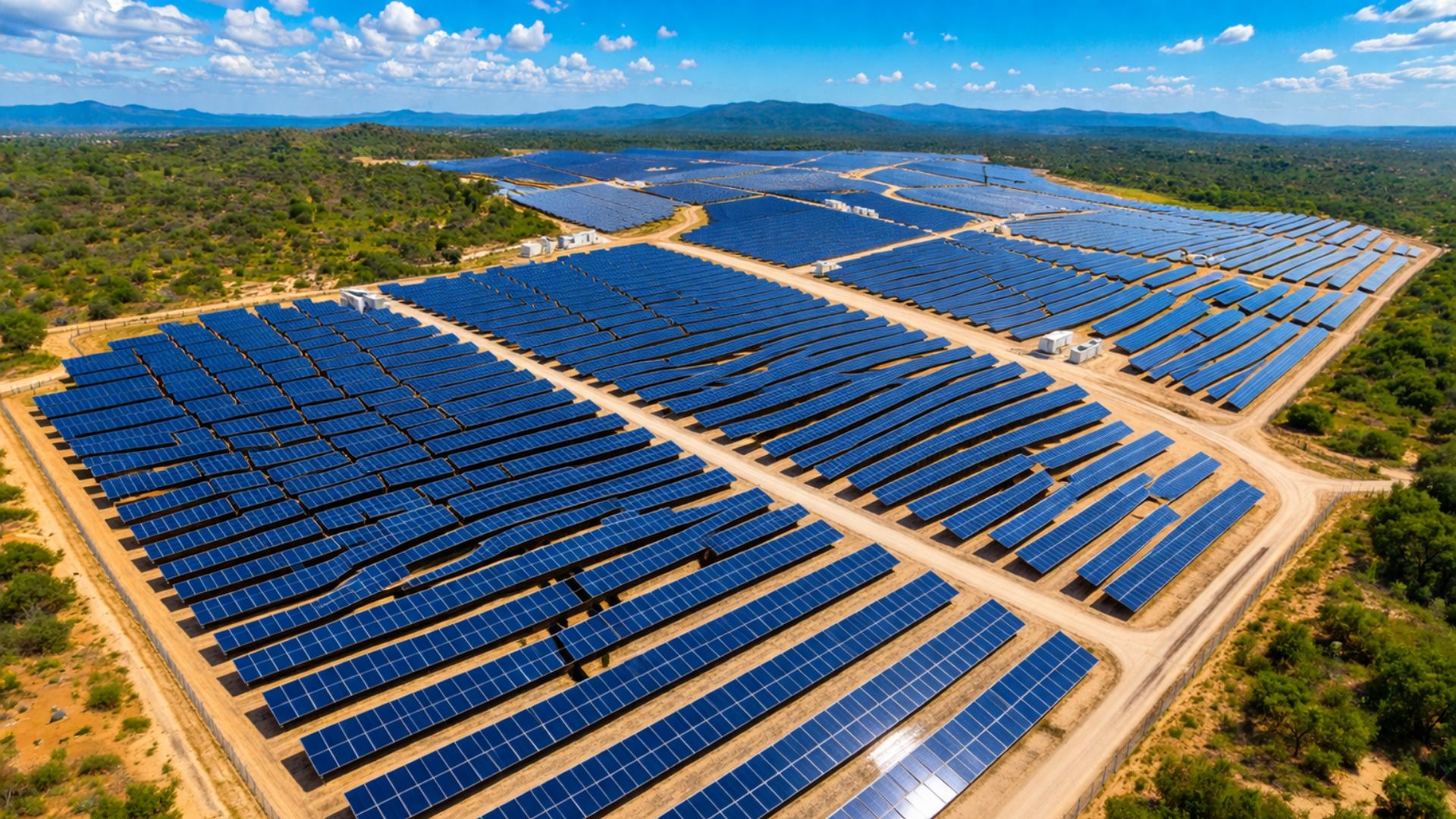
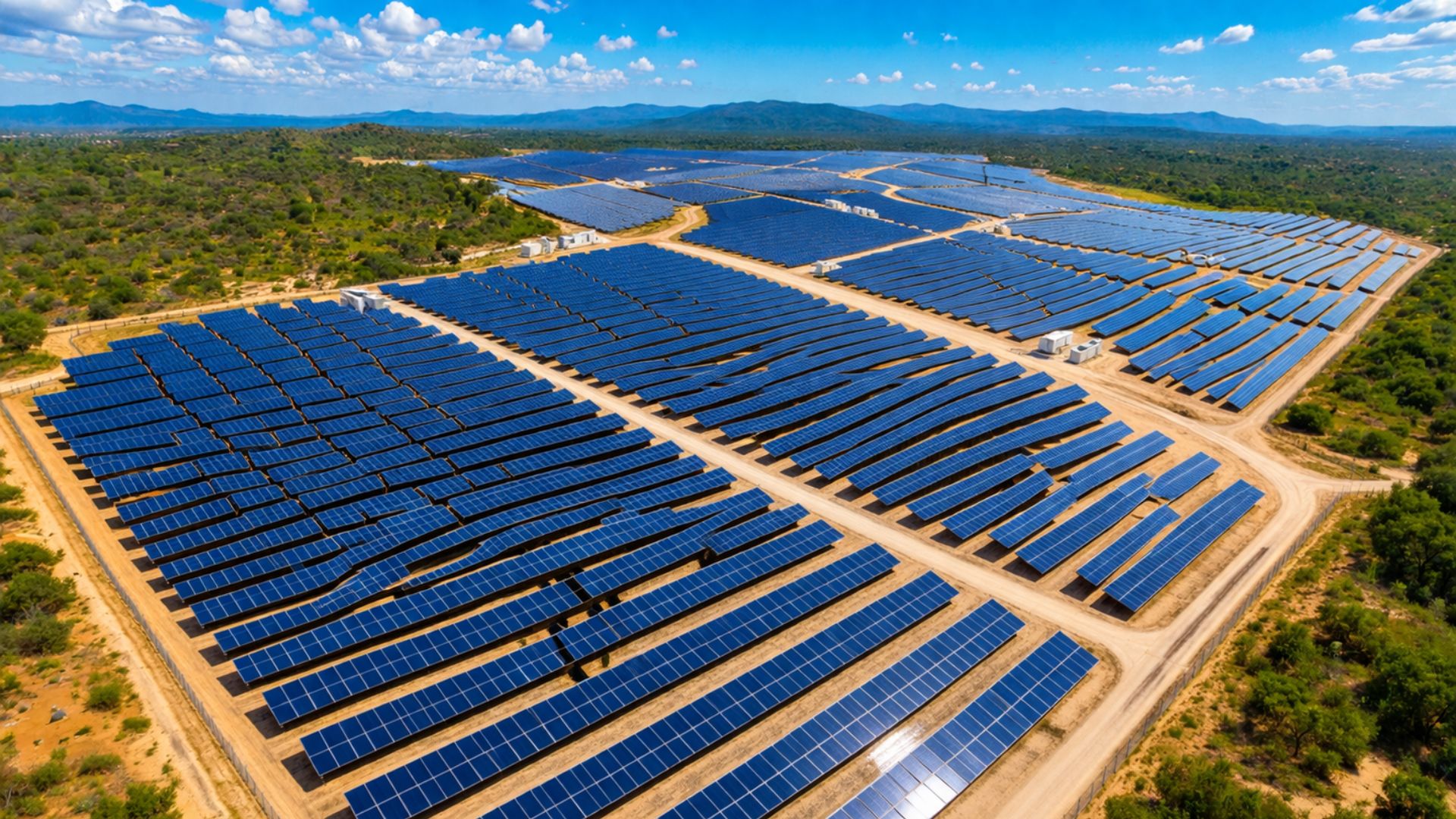
The Sol do Agreste Photovoltaic Complex begins operations in Pernambuco and accelerates the expansion of solar energy in Brazil, directly impacting the reduction of emissions and strengthening the sustainable energy matrix.
-
The Sol do Agreste Photovoltaic Complex begins operations in Pernambuco and accelerates the expansion of solar energy in Brazil, directly impacting the reduction of emissions and strengthening the sustainable energy matrix.
-
Roraima bets on the sun to escape high tariffs: Amid the energy crisis and price hikes, solar energy is growing in Roraima and transforming consumption in the North region.

-
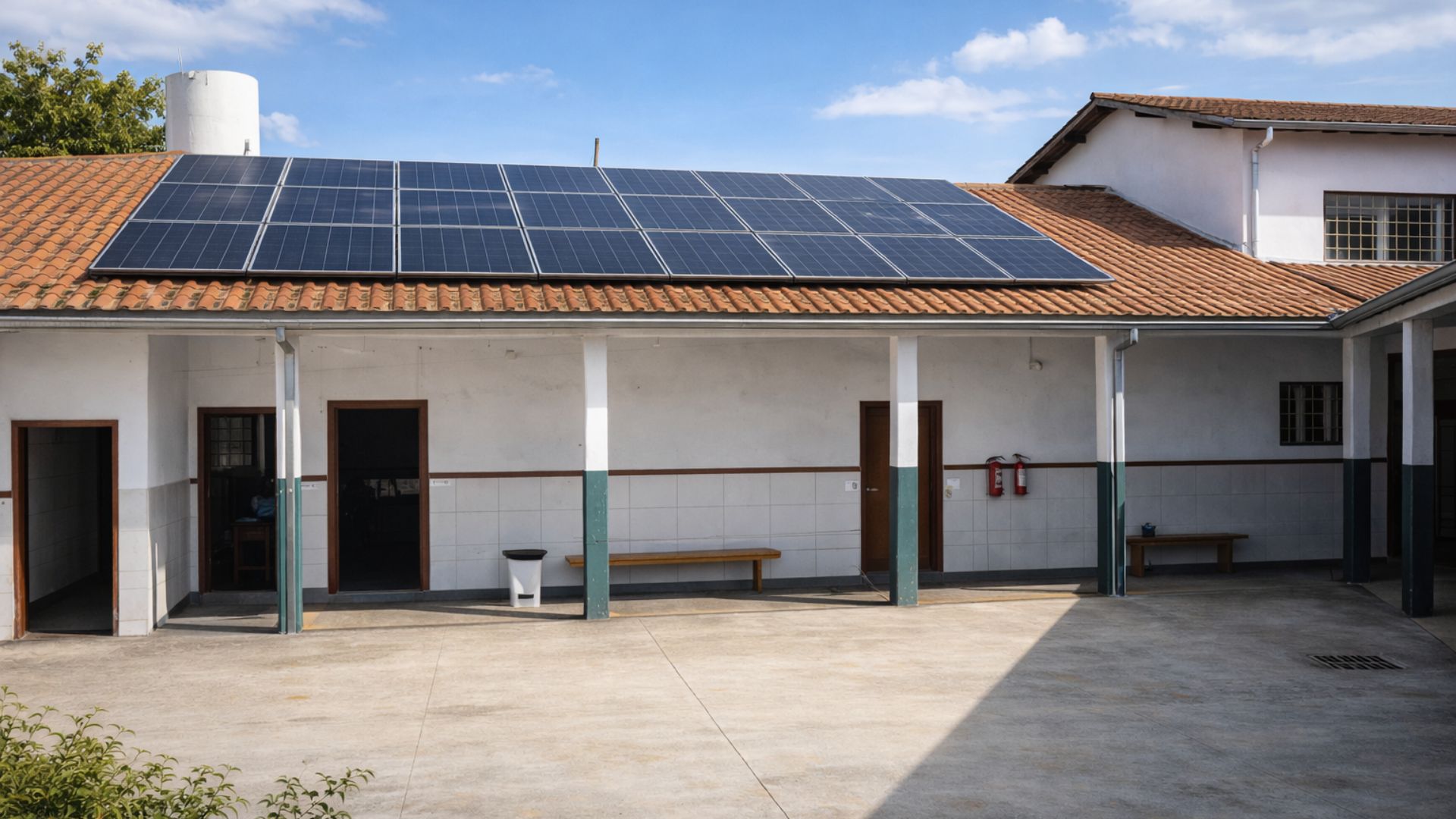
Copel boosts solar energy in Paraná and brings innovation to public schools, promoting savings on electricity bills, energy efficiency, and a direct impact on the quality of education.
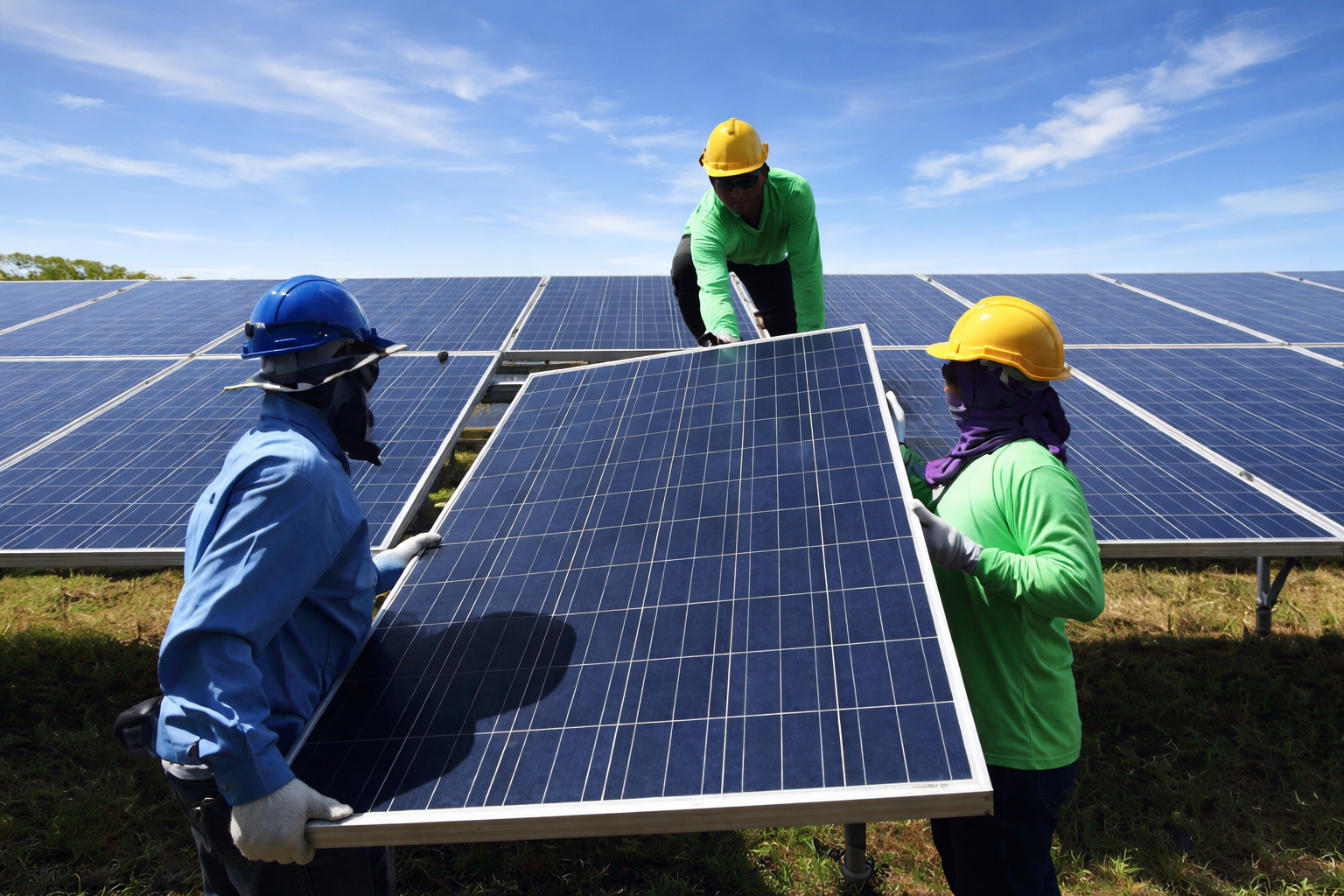
According to Xinhua, the Tarim oil field has completed five centralized solar energy projects, totaling 2.6 million kilowatts of installed capacity. At the same time, 239 distributed photovoltaic projects have been implemented, installed at production stations and individual oil and gas wells, totaling an additional 63 thousand kilowatts.
This hybrid arrangement strengthens energy efficiency, reduces operational costs, and positions Tarim as a reference in innovation within the traditional energy industry.
Tarim Oil Field and the Numbers of Green Electricity
The impacts of solar energy generation at Tarim can be measured objectively. According to Liang Yulei, head of the new energies department at the Tarim oil field, the 2 billion kWh generated annually is sufficient to meet the electricity needs of over 1.8 million people, considering the average residential consumption in China in 2024.
This is a significant volume, especially when associated with environmental benefits. Producing this amount of green electricity is equivalent to replacing approximately 600 thousand tons of standard coal, resulting in a reduction of about 1.07 million tons of carbon dioxide (CO₂) emitted into the atmosphere. This data reinforces the role of the oil field as an active agent in mitigating climate change within the global energy industry.
Solar Energy Integrated into the Traditional Energy Industry
One of the most relevant aspects of the project is how solar energy is utilized. According to Liang Yulei, about 8% of the electricity generated is consumed directly in local oil and gas production operations, reducing reliance on fossil sources to power equipment, stations, and auxiliary systems of the oil field.
The remaining 92% of the electricity is transmitted to the regional power grid, expanding the supply of clean energy to households and external economic activities. This integrated model demonstrates that the energy industry can simultaneously be a producer and consumer of renewable energy, creating more efficient and sustainable cycles.
Additionally, the reduction of internal fossil fuel consumption contributes to decreasing carbon intensity per unit produced, an increasingly relevant indicator in the international energy landscape.
Tarim, Xinjiang, and the Potential of Large-Scale Solar Energy
The choice of Tarim as a solar energy generation hub is not random. Xinjiang is recognized as one of the regions with the highest solar and wind potential in China, due to high solar radiation and the availability of large desert areas.
The Tarim oil field, located in the heart of the Taklimakan Desert, leverages these natural conditions to develop industrial-scale solar projects. The extreme environment, once seen only as a challenge, becomes a strategic asset for the energy industry. This synergy between geography and technology strengthens Tarim’s position as one of China’s main energy transition laboratories.
Ultra-Deep Oil Field and Energy Security
Even with the advancement of solar energy, the Tarim oil field maintains its central importance in the Chinese energy matrix. The complex is the largest ultra-deep oil and gas production base in the country and plays a crucial role in the west-to-east gas transmission project, responsible for supplying densely populated and industrialized regions.
The difference lies in how this production is conducted. By incorporating renewable sources into its operations, Tarim demonstrates that it is possible to reconcile energy security, operational efficiency, and emission reductions, a historical challenge for the energy industry. This balance reinforces the viability of hybrid strategies in large oil fields around the world.
Solar Energy, Decarbonization, and Environmental Impacts
The environmental gains of the project go beyond CO₂ reduction. Replacing coal with solar energy also reduces the emission of atmospheric pollutants associated with fossil fuel combustion, such as sulfur oxides and particulate matter, contributing to improved air quality.
The positive impact is systemic, as it extends beyond the oil field, benefiting urban and rural areas connected to the power grid. This chain effect reinforces the importance of renewable projects integrated into the heavy energy industry.
Tarim as an International Reference for the Energy Industry
The case of the Tarim oil field is beginning to be viewed as a replicable model on a global scale. Large oil fields in arid or semi-arid regions share similar characteristics, such as high solar radiation and established industrial infrastructure.
The adoption of solar energy in these contexts can accelerate the energy transition, without compromising oil and gas production in the short and medium term. Thus, Tarim emerges as a practical reference for modernizing the energy industry in various countries.
A New Sustainable Horizon for the Tarim Oil Field
The advancement of solar energy in the Tarim oil field, with the historic mark of over 2 billion kWh generated, evidences a structural transformation in the energy industry. The project proves that the transition to a low-carbon economy can occur within traditional assets, as long as there is planning, investment, and technological integration.
By reducing emissions, providing green electricity for millions of people, and maintaining its strategic relevance in oil and gas production, Tarim consolidates itself as a symbol of adaptation and innovation. The future of the energy industry lies in hybrid models, and the Tarim oil field stands out as one of the most concrete examples of this new reality.








Seja o primeiro a reagir!