





 Portuguese
  English
  Spanish
  4 min of reading
  3 comments




Panama Canal, One of the Greatest Engineering Feats, Faces Challenges That Threaten Its Operation. This Canal, Responsible for Moving About US$ 270 Billion in Cargo Per Year, Is Going Through an Unprecedented Crisis, Making Its Functionality Increasingly Limited.
Have you ever imagined a world where the Panama Canal, one of the greatest engineering feats, is at serious risk of losing its importance? It may sound like fiction, but this reality is already knocking at the door. The canal, which moves about US$ 270 billion in cargo per year, is facing huge challenges that threaten its efficiency.
And we are talking about an essential route for global trade that saves 20,000 km of travel for ships and reduces transit time by up to two weeks. But, with the water crisis and the absurd growth in maritime traffic, the system is becoming increasingly overloaded.
In the face of this scenario, new alternatives arise – some promising, others somewhat controversial. Will the Panama Canal be replaced? Let’s understand the projects that could completely change the game for global trade.
-
Made from recycled plastic, plastic wood is gaining space in the construction industry because it does not rot, resists moisture, and reduces maintenance costs over the years.

-
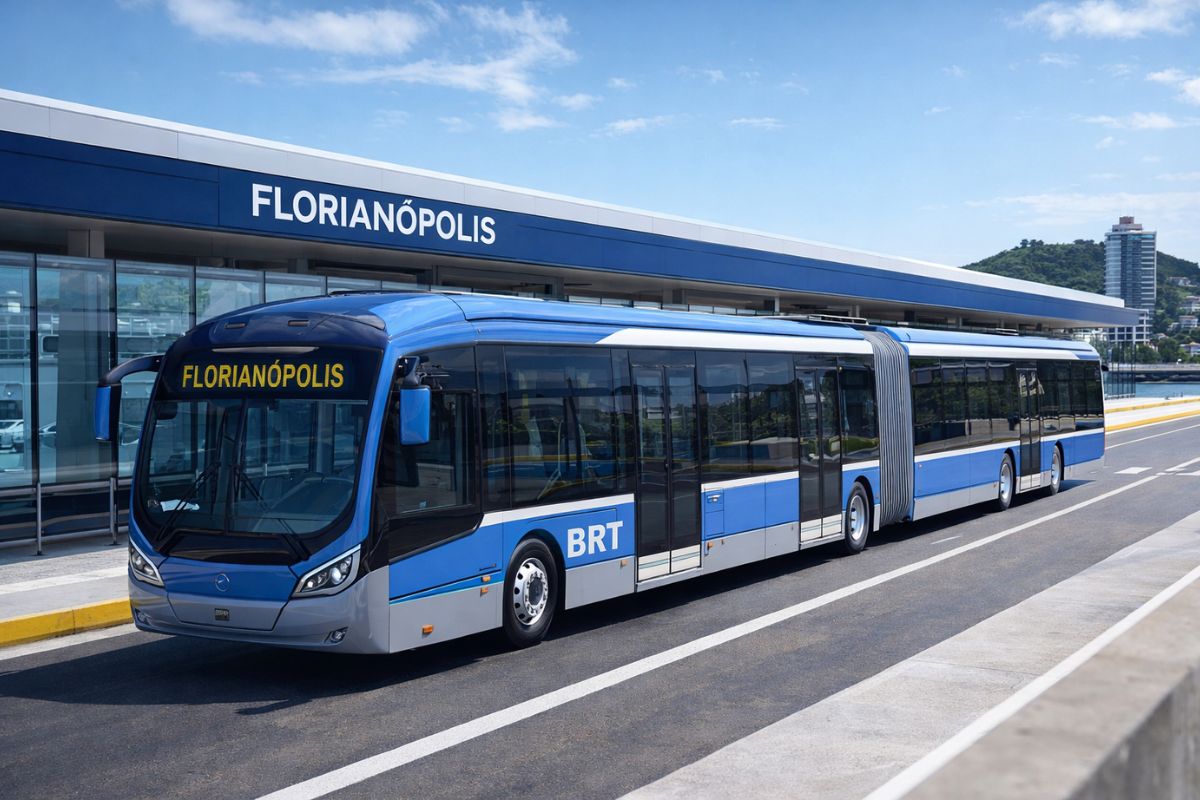
Florianópolis will receive a million-dollar BRT that will begin construction in 2026 with nearly 400 million in funding from the federal government and the Inter-American Development Bank, and the map already shows the routes for the exclusive bus corridors.
-
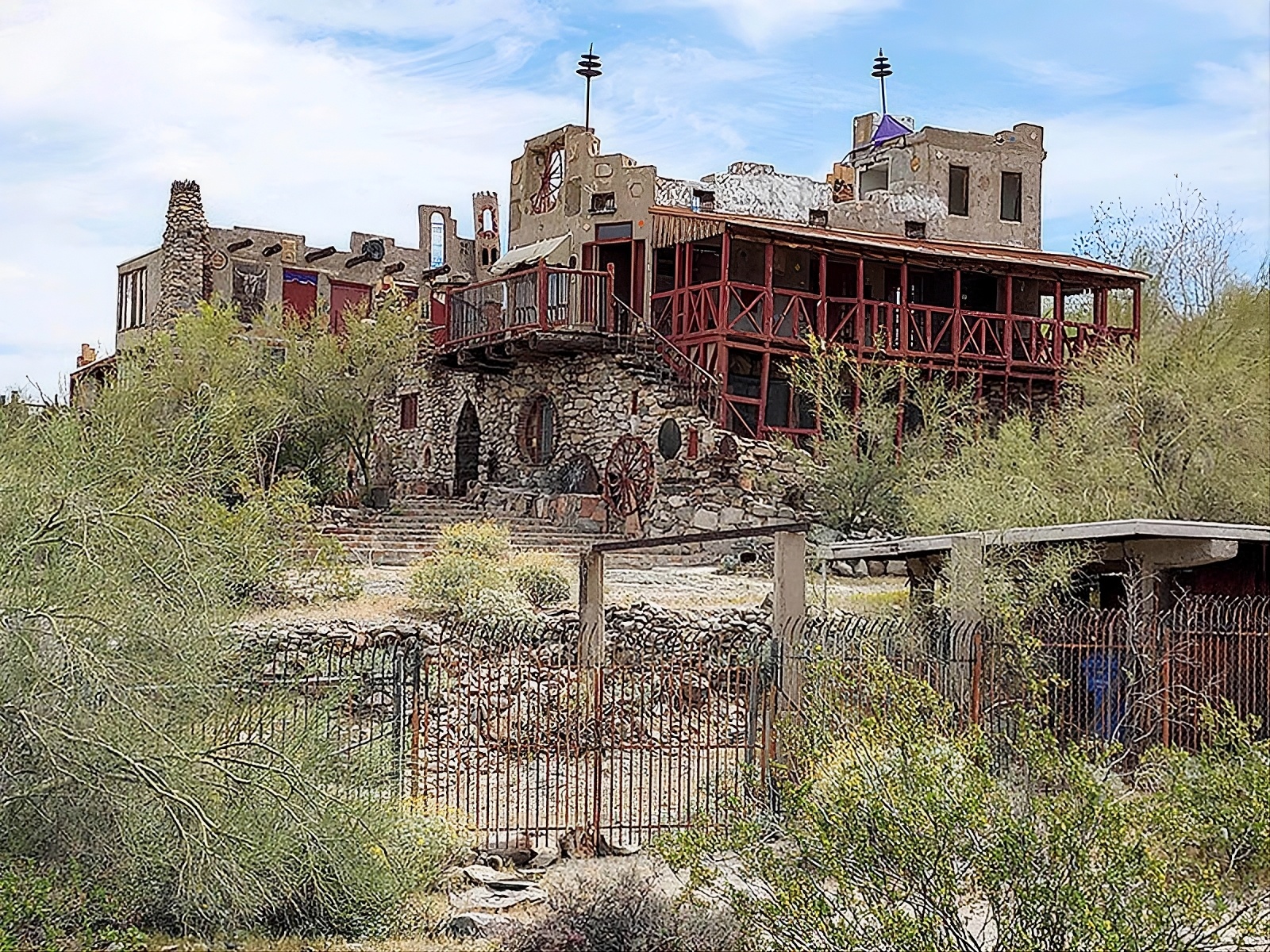
Without a blueprint, without an engineer, and using scrap from the dump, a father spends 15 years building an 18-room castle for his daughter, featuring tram tracks, 13 fireplaces, and over 700 m², which may now be demolished.
-
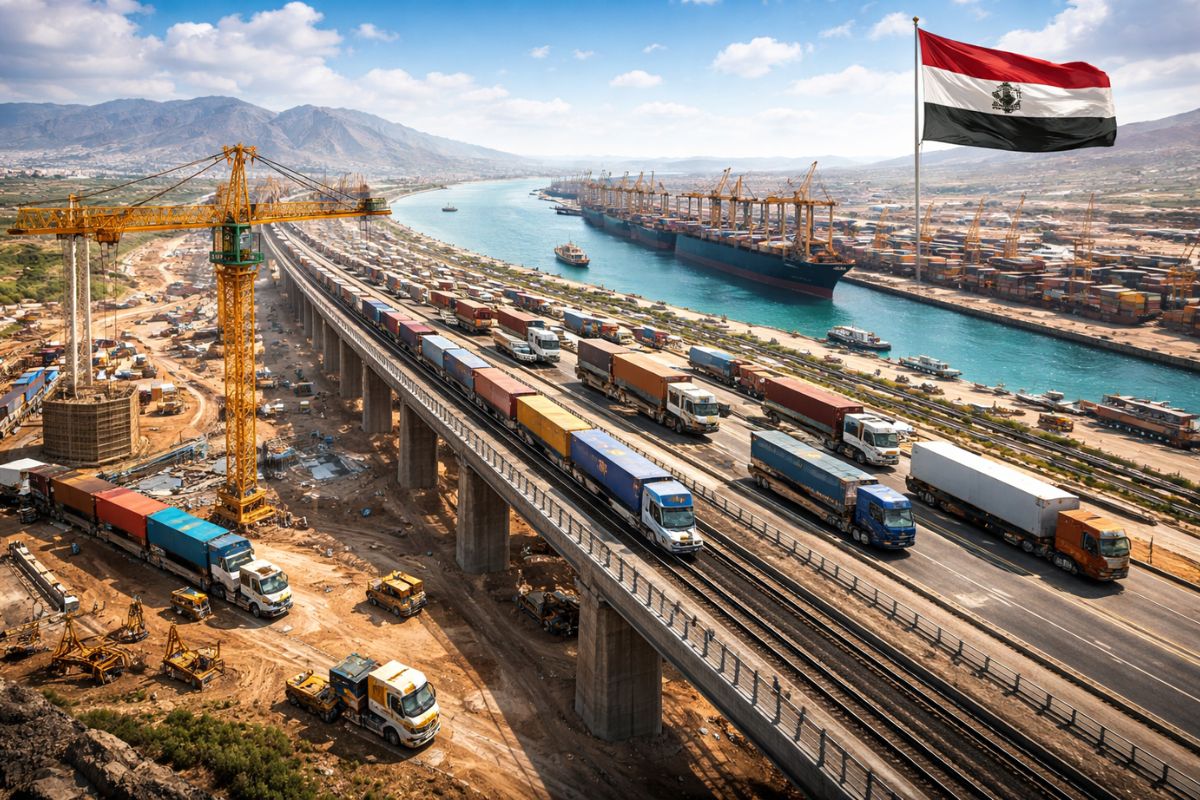
A megaproject worth R$ 89 billion is advancing in Iraq and promises to change the game in global trade by creating a new corridor between Asia and Europe, reducing traditional routes and repositioning the country as a logistics powerhouse.

The Panama Canal and Its Challenges
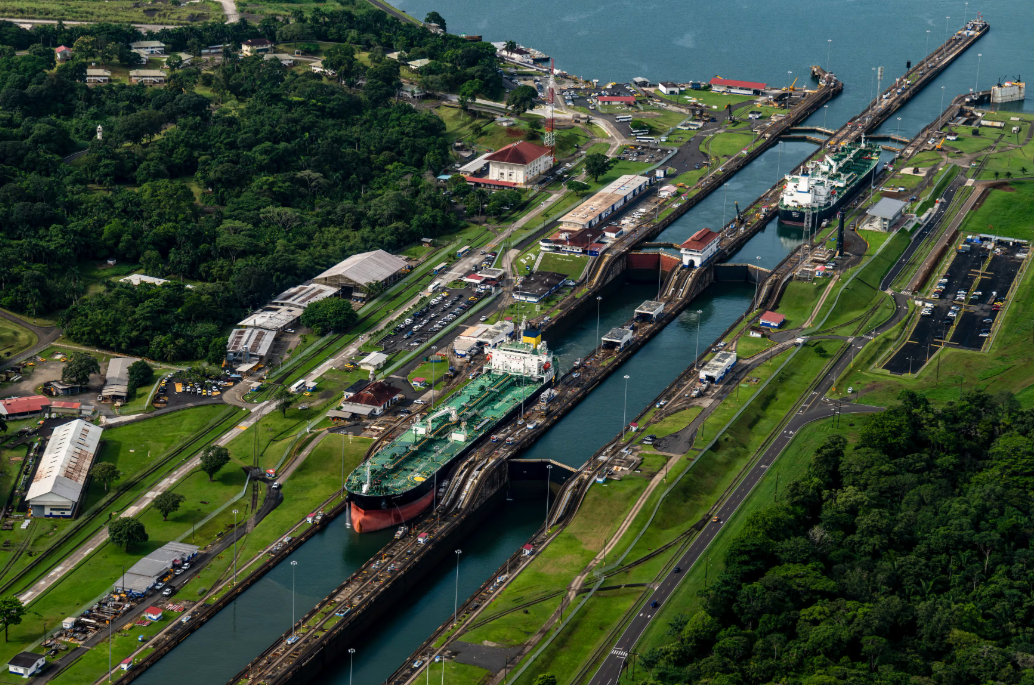
Since its inauguration in 1914, the Panama Canal has revolutionized maritime transport, becoming one of the most strategic routes in the world. But time has passed, and challenges have only increased.
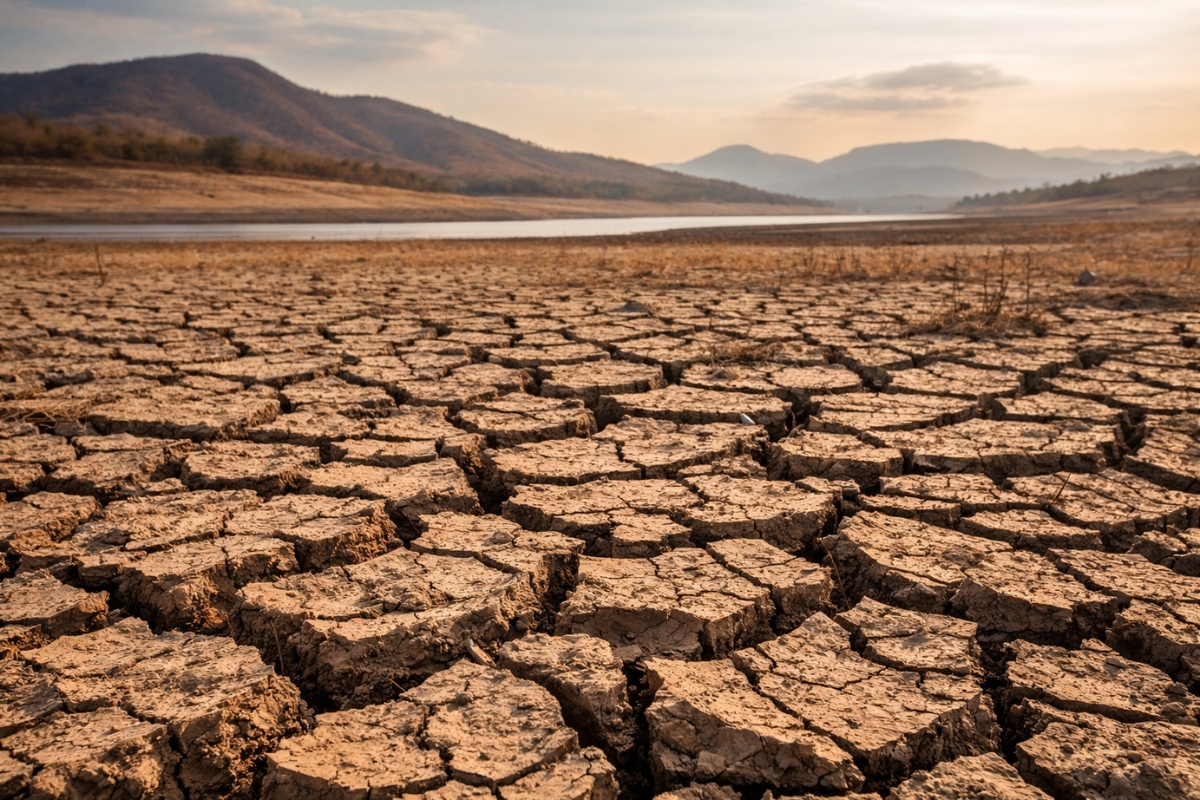
The main problem today is the water crisis. The level of Gatun Lake, which supplies the locks, is dangerously low, which has already forced a reduction in the number of daily crossers. As a result, long lines of ships are forming, and transportation costs are skyrocketing.
To try to tackle this problem, measures such as water recycling from the locks and new technologies to save water resources have been implemented. But let’s face it, with maritime traffic growing more and more, this is far from sufficient.
That’s why alternatives to replace (or at least relieve) the Panama Canal are emerging. And there are projects of all types.
The Main Alternatives to Replace the Panama Canal
If the Panama Canal is having problems, the world needs options. And some of them are already on paper – or rather, in planning stages. Three projects stand out in this competition:
Interoceanic Corridor of Mexico – A modern railway that could be a terrestrial alternative for transporting cargo between the oceans.
Colombia Railway – An ambitious plan to connect the Atlantic and Pacific without relying on locks.
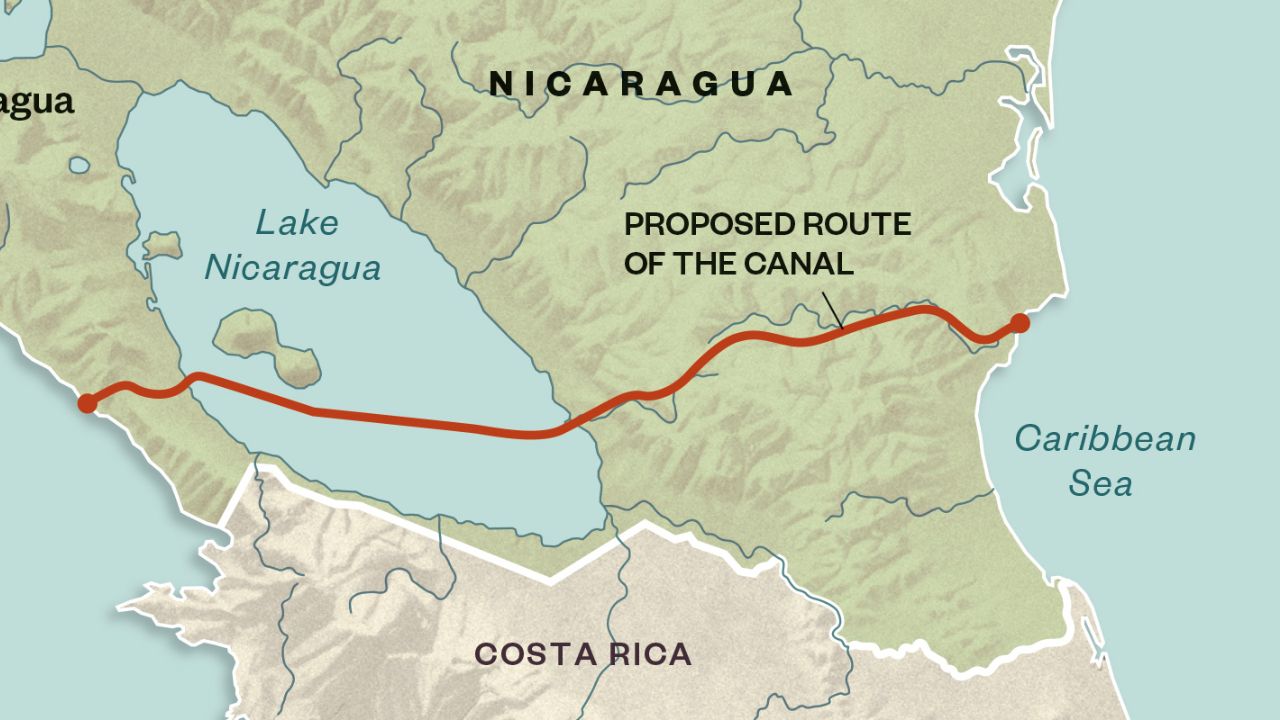
Mega Canal of Nicaragua – A gigantic project promising to be an even larger version of the Panama Canal.
But does any of them really have a chance of succeeding?
Interoceanic Corridor of Mexico
The first option on the table is the Interoceanic Corridor of Mexico, a railway project promising to be a real shortcut between the Atlantic and Pacific Oceans.
The idea here is to replace the canal crossing with a 308 km railway line, connecting the ports of Coatzacoalcos (Gulf of Mexico) and Salina Cruz (Pacific Ocean). Ships would unload their cargo at one port, the trains would transport it to the other side, and voila: cargo in the new ocean.
Advantages:
Less dependence on water, meaning it doesn’t suffer from droughts like the Panama Canal. Reduced waiting time, as ships wouldn’t have to face huge lines. Lower cost than building a new maritime canal, estimated at US$ 7.5 billion.
Challenges:
The success of the project depends on well-adjusted logistics, as the transfer between trains and ships needs to be quick and efficient. Will companies want to invest in this transport model? If the idea takes off, the Panama Canal may gain a heavyweight competitor.
Colombia Railway
Another option on the radar is the Colombia Railway, a project aimed at linking the ports of Cartagena (Atlantic) and Buenaventura (Pacific) by a 240 km railway line.
The goal here is the same: to offer a terrestrial alternative for transporting goods without relying on the Panama Canal.
Main Points:
It is part of a larger plan to reactivate 1,800 km of railways in Colombia. The investment required ranges from US$ 7 to 13 billion. It could boost the country’s economy and create jobs.
But not everything is straightforward.
The railway would pass through ecologically sensitive areas, which could generate environmental conflicts. Some local communities may be affected, requiring complex negotiations. If it works out, Colombia could become a new logistical hub in Latin America.
Mega Canal of Nicaragua
Now, if the idea is to build a new Panama Canal from scratch, the Mega Canal of Nicaragua is the boldest bet of all.
Project Details:
445 km in length, much larger than the 82 km of the Panama Canal. Giant locks to allow the passage of the largest ships in the world. Estimated investment of US$ 64 billion. It sounds incredible, but there are problems.
Challenges:
The project depends on billion-dollar financing, and so far no one knows where all this money will come from. Environmental and social issues raise resistance, as construction could affect local communities and ecosystems.
The involvement of China and allegations of possible money laundering schemes raise doubts about the transparency of the project. If it comes to fruition, the Mega Canal of Nicaragua could dethrone the Panama Canal. But for now, it still seems like a distant dream.








As ferrovias serões uma boas opções desde que os meio ambiente aceita fazê-las
Se fizer ferrovia , ligando a Bahia no Brasil ao porto da Bolívia, Colômbia. Seria um mega projeto e bem mais barato
Ocorre da questão é q o Panamá é controlado pelis eua . Já o da Nicarágua seria paradoxos os demais países do planeta e concorrência seria muito benéfica para todos, menos pros eua