





 Portuguese
  English
  Spanish
  3 min of reading
  0 comments


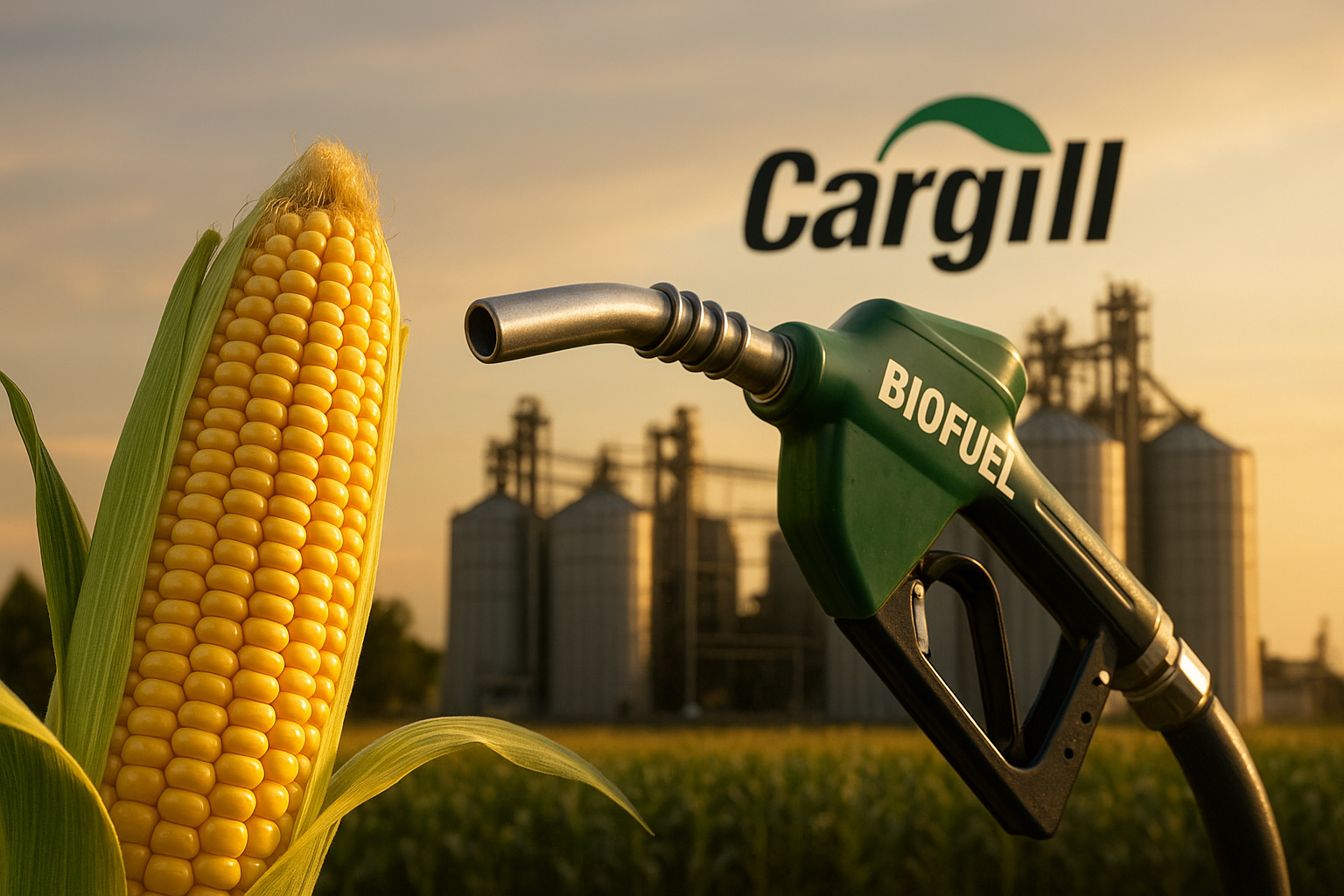
With A Billion-Dollar Investment, Cargill Takes A Decisive Step In The Biofuels Market By Announcing A Mega Corn Ethanol Plant In Goiás, Consolidating The State In The Race For Clean Energy And Strengthening Brazil
Cargill Bioenergia, American multinational, confirmed the construction of a new corn ethanol plant in Cachoeira Dourada (GO). The plant will be integrated with the existing sugarcane processing unit in the municipality.
The company did not disclose official figures, but experts indicate that the investment is expected to exceed R$ 1 billion, considering the size of the project and similar investments made by competitors.
This movement comes amid a race in the sector. São Martinho announced, in the same week, an investment of R$ 1.1 billion to increase its corn ethanol production capacity by 80%. With this, Goiás consolidates itself as a national reference in the billion-dollar competition for clean energy.
-
The Economist states that Brazil has a “secret weapon” against expensive oil and highlights how the country can reduce economic impacts even in international scenarios of high volatility.
-
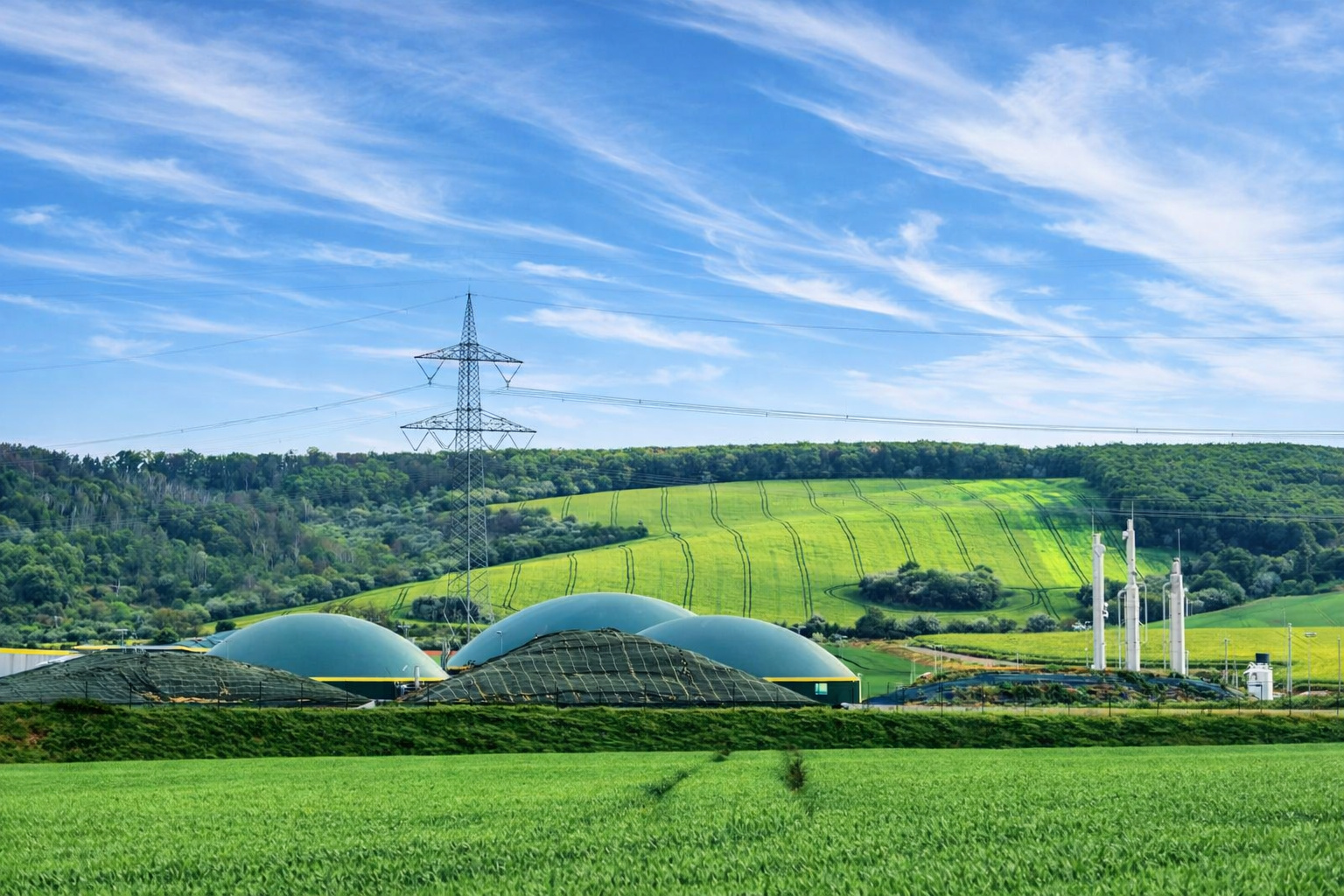
Brazil accelerates decarbonization in the South: International forum in Foz do Iguaçu gathers leaders to discuss the advancement of biomethane in the energy matrix and the potential of “caipira pre-salt.”
-
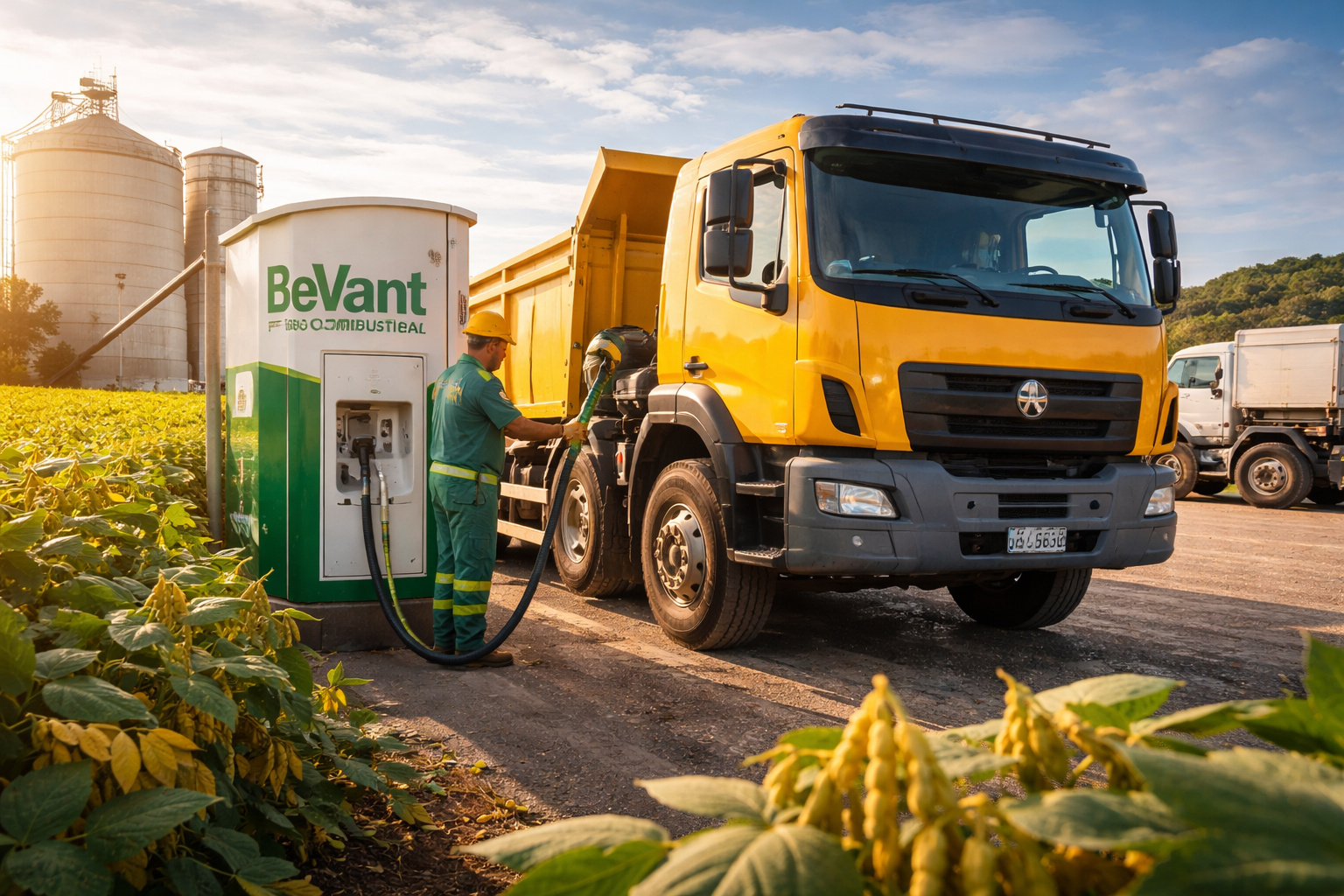
As diesel prices soar due to conflicts in the Middle East, a Brazilian city decides to test a little-known biofuel that promises to completely replace fossil fuel without adaptation and could change the future of energy in the country.
-
Innovation with biofuel engines transforms agribusiness by replacing diesel without the need for major adaptations, ensuring energy efficiency and helping to reduce dependence on oil.
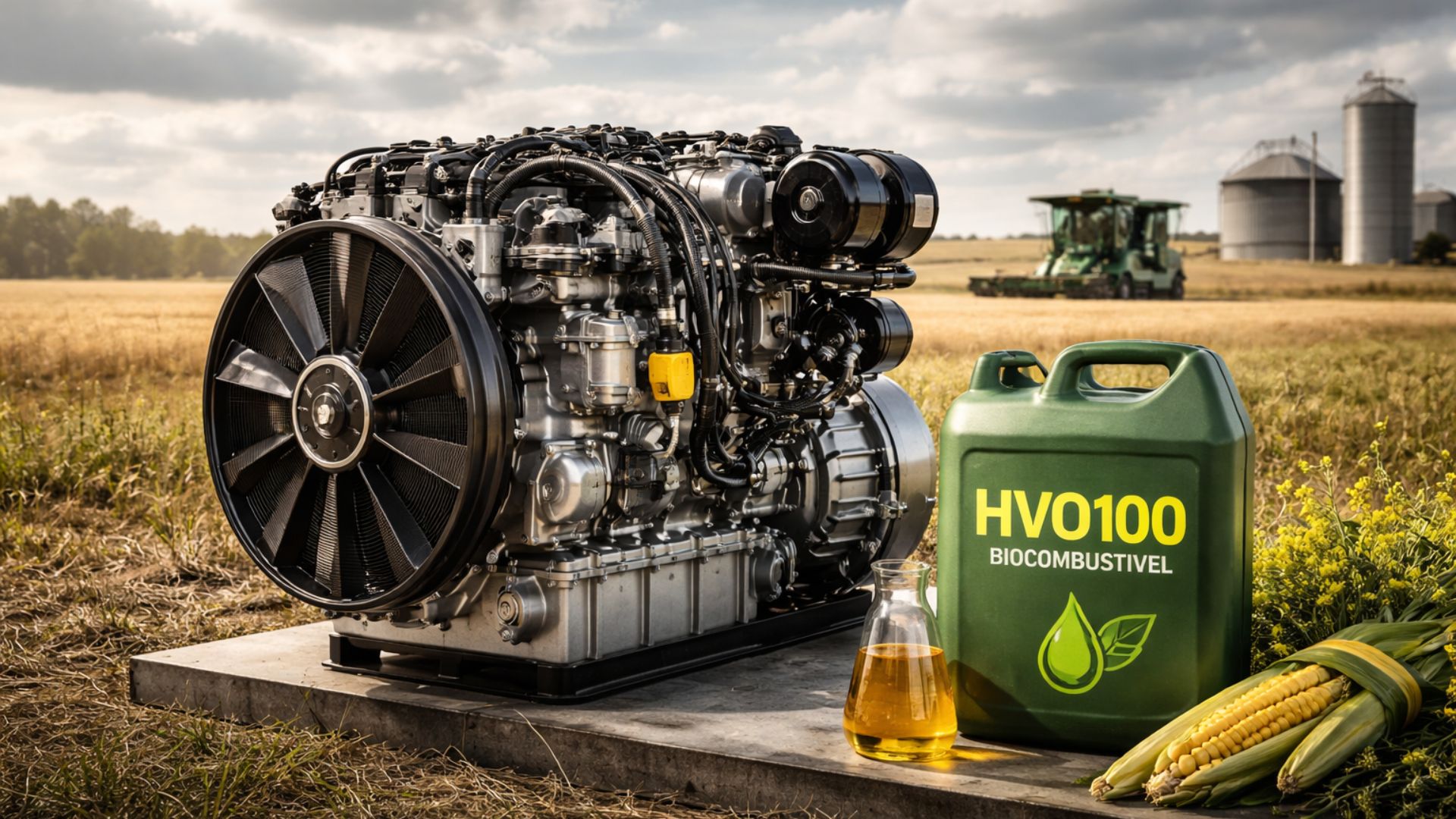

Flex Model Ensures Efficiency And Sustainability In Corn Ethanol Production
The project follows the flex model already adopted by Cargill in Quirinópolis (GO). This format allows for the production of ethanol from both sugarcane and corn, bringing flexibility and efficiency gains for the operation.
Another important point is sustainability. The sugarcane bagasse from the current plant will be used to generate electric energy, sufficient to supply the new corn ethanol unit. This way, the company can reduce costs and optimize the use of biomass.
In an interview, Cargill’s President in Brazil, Paulo Sousa, explained the decision:
“The use of capital to build a sugarcane plant is much higher than for one of corn ethanol. In a country that has a basic interest rate of 15%, the efficient use of capital is more relevant than ever.”
Sousa also reflected on past decisions of the company that there was a certain regret for not having supported, in the past, projects dedicated exclusively to corn.
According to him, the priority now is clear: to expand operations in the corn ethanol segment, without ruling out new strategic opportunities in the biofuels market.
Corn Ethanol Production In Goiás Already Moves Millions Of Tons And Thousands Of Jobs
Currently, the plants controlled by Cargill Bioenergia in Goiás have the capacity to process 9 million tons of sugarcane per harvest and 2 million tons of corn per year. In addition, they generate 800 GWh/year of electric energy and sustain approximately 4,600 direct jobs.
With the construction of the new plant, these numbers are expected to increase even further. Thus, Goiás reinforces its importance as a corn ethanol production hub and ensures greater economic weight for the region.
This advancement is also in line with the Future Fuel Law, which provides for the gradual increase of biodiesel blending into diesel until 2030. For consumers, this means that, in a few years, a significant portion of the fuel that powers vehicles in the country will come from corn.
Brazilian Agriculture In Transformation: Corn Ethanol Reinforces The National Energy Matrix
The announcement of the plant in Cachoeira Dourada reinforces Cargill’s role as a protagonist in the process of diversifying Brazil’s energy matrix. The bet on corn comes in a context of growing demand for biofuels, supported by legislation and the global need to reduce emissions.
Corn ethanol is expected to drive growth in production over the coming years, solidifying its role as a strategic element of the national energy matrix. The grain, previously seen mainly as an agricultural commodity, gains prominence as a source of clean and renewable energy.
Corn Ethanol Places Goiás And Brazil At The Center Of The Energy Transition
The construction of Cargill’s new plant in Goiás is more than just an investment. It represents a structural change in the renewable energy sector in Brazil.
In light of the global search for biofuel sources, Brazil reaffirms its agricultural and industrial strength. The billion-dollar investment from Cargill confirms that corn ethanol will be a key player in the path of Brazil’s energy transition.









Seja o primeiro a reagir!