





 Portuguese
  English
  Spanish
  4 min of reading
  16 comments





Argentina’s Imports Of Brazilian Beef Skyrocketed 724% Between January And July, Reaching US$ 146 Million And 52 Thousand Tons. With Chicken Gaining Space And Beef Still Expensive, Part Of The Protein That Lost Appeal In Other Destinations Finds A Natural Route In The Southern Cone.
Argentina accelerated imports of beef from Brazil between January and July 2025, totaling US$ 146 million in purchases and 52 thousand tons during the period, an increase of 724% in value and 536% in volume compared to 2024. The figures, compiled from Secex, show that the neighboring country opened up more space for Brazilian protein at a time of internal supply rebalancing and price adjustments in the local market.
From a regional perspective, this movement is reinforced by a situation where Brazil already accounts for about a quarter of Argentina’s total imports in 2025, according to Indec. This gain in market share helps explain why purchases of food — and meat, in particular — have become more visible in the statistics since the beginning of the year.
Part of the meat that lost appeal in the U.S. or other destinations finds, in the short term, a natural route in the Southern Cone. The result is a higher Argentine demand for Brazilian protein, an improvement in the capacitiy utilization of slaughterhouses, and a greater diversity of destinations for national exporters.
-
Brazilian city gains industrial hub for 85 companies that is equivalent to 55 football fields.

-
Peugeot and Citroën factory in Argentina cuts production by half and opens a layoff program for more than 2,000 employees after Brazil drastically reduced purchases of Argentine vehicles.

-
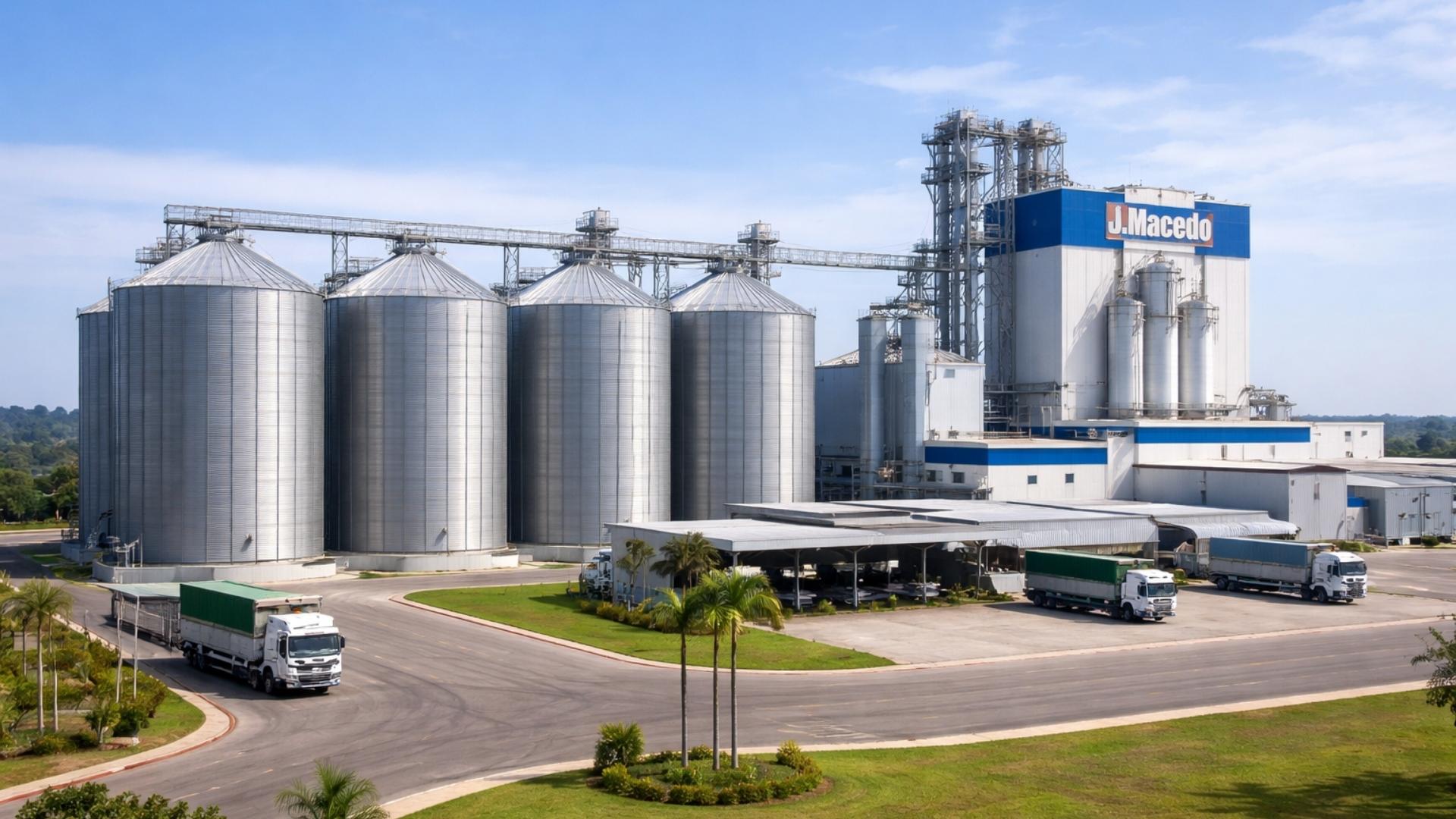
A Brazilian city gains a factory worth R$ 300 million with the capacity to process 200 thousand tons of wheat per year, a mill of 660 tons/day, silos for 42 thousand tons, and an industrial area of 276 thousand m².
-
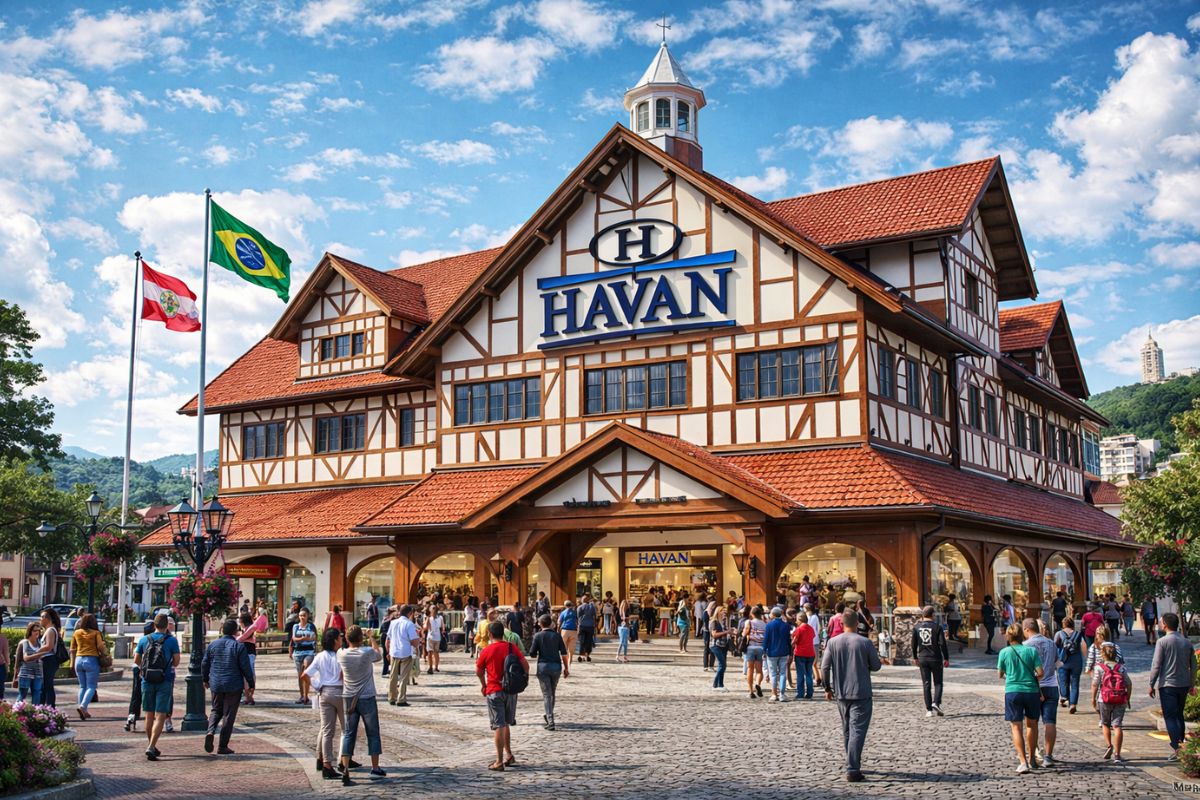
Havan will leave the shopping mall in Blumenau to inaugurate something that the chain has never done before: a megastore in half-timbered style in the Historic Center of the city, which is expected to be completed in May and change the landscape of local retail.

Which Proteins Drive Demand: Chicken, Beef, And Pork
The data by category suggest that the increase is happening in all three proteins. In chicken, Argentine purchases totaled about 13 thousand tons up to July, +528% versus 2024, still a small volume compared to Brazil’s large clients, but sufficient to shift the local supply balance.
In beef, the jump is striking because it started from a very low base. In the first half, Argentina imported around 6.2 thousand tons of Brazilian beef, compared to less than 200 tons a year earlier. In value, purchases of Brazilian beef from January to July reached US$ 25 million, highlighting a tactical rebalancing of supply.
Pork also gained ground. Sector analysis indicates a significant advance for Brazilian pork in the neighboring market in 2025, with accumulated volumes close to 30–32 thousand tons in the first half and the beginning of the third quarter, driven by competitive pricing, sanitary regularity, and short logistics.
For those following the sector, the picture is this: chicken is growing because it replaces and fits the budget; beef serves as a temporary relief for supply; and pork expands its space with attractive relative costs and a very efficient Brazilian chain.
Why Argentina Changed Consumption: Income, Prices, And Internal Supply
The backdrop is in the Argentine shopping cart. In 2024, per capita chicken consumption (≈49.3 kg) surpassed beef consumption (≈48.5 kg) for the first time in decades, a historic milestone associated with high inflation, declining real income, and rising beef prices. In 2025, even with gradual disinflation, the protein swap is still visible — cheaper chicken comes in, beef drops, and pork climbs a few rungs.
This consumption migration adds to a domestic supply pressure from costs and herd adjustments, creating import windows. That’s where Brazil comes in: scale, recognized health, logistical connectivity, and market diversification position Brazilian products as the first option when Argentina needs to replenish stocks or ease prices.
For the Brazilian reader, it’s worth noting that cyclical movements in Argentina often have a quick effect on the statistics of bilateral trade, amplifying or reducing the price effect on the producer and the margin fat of the exporting industry.
Impacts For Brazil And Argentina: Internal Prices, Industry, And Exchange Rate
For Brazil, Argentina’s turnaround is welcome: it helps to soften shocks in traditional destinations, sustain producer prices, and improve plant utilization in a year of challenging international agenda. By diversifying destinations and balancing the protein mix, the industry reduces risks and enhances predictability of cash flow.
For Argentina, the effect is mixed. On one hand, importing more meats helps to temper price spikes and ensure supplies; on the other, it tightens the dollar cash flow and increases dependence on a nearby supplier — though with favorable exchange rates and logistics. With 25% of imports coming from Brazil this year, any exchange rate fluctuation or temporary barrier can impact consumer prices.
In bilateral trade, the 2025 picture shows Argentina increasing purchases from Brazil, while Argentine sales to Brazil have seen periods of year-on-year decline, something typical of moments when domestic demand recovers with support from the regional partner.
What To Watch In The Coming Months: Signals For The Producer And Retail
Keep an eye on the pace of rebalancing the Argentine internal supply. If local slaughterhouses normalize slaughter and costs improve, import pressure may slow down.
Secondly, monitor Secex and Indec’s monthly series. The maintenance of Brazil’s share in Argentine imports and new readings of volume by protein will indicate if the current peak will turn into a new level or a transitory adjustment.
Watch consumer prices. If beef remains expensive compared to chicken, the substitution is likely to persist, sustaining a firm corridor for both Brazilian chicken and pork.
Lastly, it’s worth following the sanitary and logistical agenda. Licensing regularity, predictable freight, and less volatile exchange rate are the ingredients that keep Brazil competitive and ensure stocks for the neighbor.









Os americanos estão fingindo não ver que a Argentina está comprando sene do brasil e vendendo pra eles.
Foi dito na reunião da minerva que eles iriam enviar aos EUA apartir da Argentina! O resto é só defesa de politico! Caiu o Pix !
Os americanos agora compra carne com taxa alta ou com atravessador que não existia antes como Argentina e México. A Argentina está agradecendo mas não entendi até agora porque o norte americano estão enxergando vantagem de pagar quase o dobro pela mesma carne.