





 Portuguese
  English
  Spanish
  4 min of reading
  0 comments


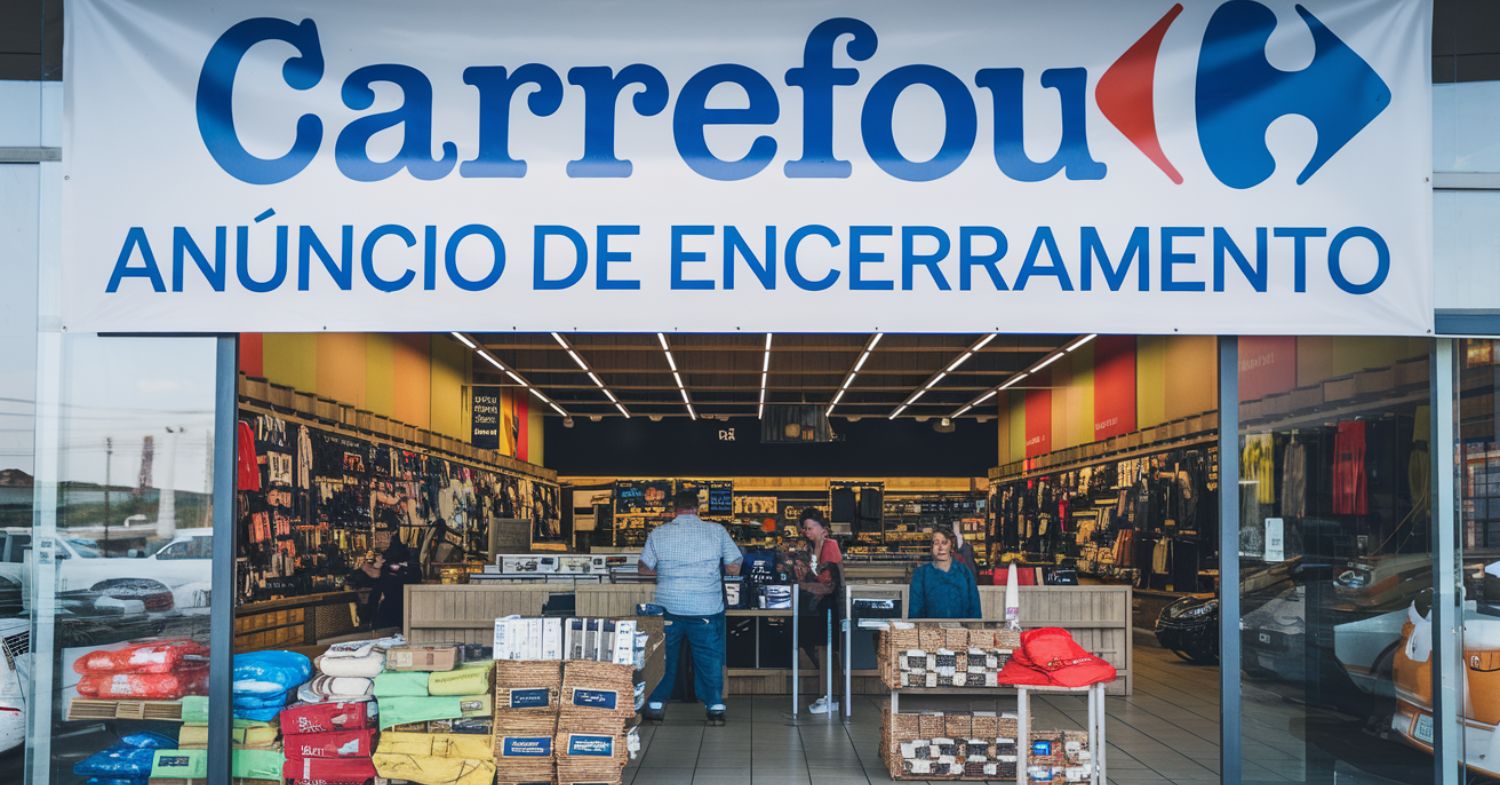
After Two Years of Testing, Carrefour Decides to Discontinue Units in Condominiums; Understand the Reasons and the Impact of This Decision on Retail.
Carrefour surprised customers and residents of condominiums in the São Paulo area and ABC Paulista by announcing the closure of 29 autonomous stores. These units, located within condominiums, were part of a model that the chain tested over the past two years. However, the company decided to discontinue the service, citing changes in business strategy. Continue reading to understand everything about the end of Carrefour’s popular service.
The End of a Popular Service from Carrefour
The autonomous stores of Carrefour were convenient for condominium residents, offering quick access to grocery items without the need for travel. The novelty seemed promising, especially during the pandemic, when proximity and ease of purchase were even more valued.
However, despite the good flow of customers reported by some condominiums, as noted by an affected property manager, Carrefour opted to close this operational format. According to industry experts, the model of autonomous stores is not viable for a large company like Carrefour, which has an annual revenue exceeding R$ 100 billion.
-
Historic bankruptcy of Centauro shocks the market, and the century-old company puts more than 500,000 products, machines, and complete infrastructure up for online auction.

-
New shoe factory in Ceará is expected to create 400 jobs and strengthen the local economy.

-
No one imagined it, but a mixture of sawdust with a mineral that fights fires surprises scientists with a result that changes the course of fire-resistant construction.
-
From empty land to a high-end house, wooden construction uses a lightweight system, metal structure for the foundation, ventilated ceramic cladding, and special windows to create an efficient and comfortable living space throughout the year.

The decision to end Carrefour’s popular service was based on the low profitability of the business model. For an operation as robust as Carrefour’s, the financial return from the autonomous stores did not justify the operational costs involved, leading the chain to reassess its strategy and seek more profitable ways to invest in the market.
Opportunity for Competitors
With the closure of Carrefour stores, other companies began to see opportunities. One such company is Hirota, a supermarket chain that has been operating autonomous stores in condominiums since 2020.
Helio Freddi, director of Hirota, revealed that at least 12 condominiums have already approached the company interested in replacing the units deactivated by Carrefour.
Hirota is taking advantage of the moment to expand its presence in this market niche, offering proposals to occupy the spaces left by the French giant.
“Carrefour’s exit opened doors for us to reinforce our proximity strategy. We are studying each case to ensure we can meet the needs of these condominiums,” Freddi said.
Carrefour Strategy: Focus on Profitability
The closure of Carrefour’s autonomous stores reflects a strategic decision by the company, which seeks to prioritize more profitable operations. The autonomous model requires significant investments in technology, logistics, and maintenance, which can be hard to justify when the returns do not match the financial effort.
Retail experts point out that autonomous stores work better for smaller or specialized chains that can focus exclusively on this model. In Carrefour’s case, diversification into large stores, e-commerce, and wholesale operations seems more aligned with the company’s size and financial priorities.
Reaction of Condominiums
The news of the end of Carrefour’s autonomous stores was a shock for many condominiums. The convenience they offered to residents was an important differentiator, and the sudden exit of the chain left a void to be filled.
A property manager from one of the affected condominiums commented that the autonomous store had a steady flow of customers and that the decision was unexpected. Now, condominiums are seeking alternatives to fill the spaces left by the chain.
The Future of Autonomous Stores
Although Carrefour has decided to abandon this segment, the model of autonomous stores continues to grow in Brazil, especially in specific niches. Chains like Hirota and tech-focused startups see in cashier-less stores an opportunity to serve consumers looking for convenience and speed.
The transition to a more digital and efficient retail is a global trend, but not all formats are suitable for large companies. For smaller networks or startups, autonomous stores can be more viable, as they require less sales volume to become profitable.
For giants like Carrefour, the focus seems to be on operations that can leverage larger volumes and more significant margins, such as wholesale, e-commerce, and large supermarket stores.
A New Chapter for Carrefour and the Market
The closure of autonomous Carrefour stores marks the end of an experiment that, although popular among consumers, proved unsustainable for the retail giant. The decision reflects a search for strategies more aligned with the scale and financial priorities of the company.
As Carrefour reorganizes, smaller networks like Hirota are ready to fill this space and expand their operations. Competition in the autonomous store segment is just beginning, and the market will continue to evolve as companies of all sizes explore new ways to meet consumer needs.
For condominium residents, the expectation remains that new options arrive quickly, maintaining the level of convenience that autonomous stores provide. After all, the quest for practicality and innovation in retail is far from over.








-

-

-

-

-

13 pessoas reagiram a isso.