





 Portuguese
  English
  Spanish
  6 min of reading
  0 comments


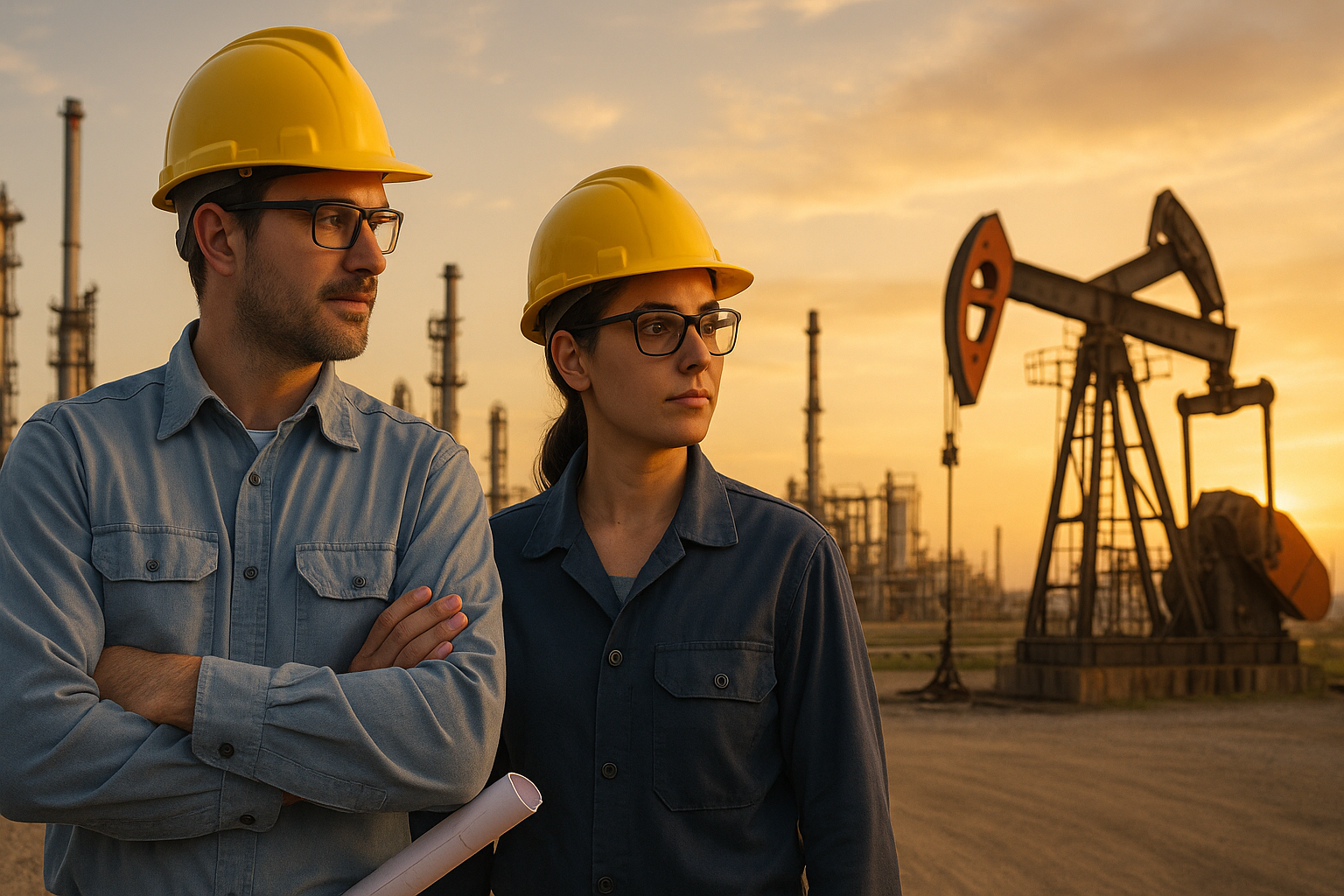
Discover How a Career in Oil and Gas Influences Your Routine, Drives the Economy, and Offers Professional Opportunities in a Strategic Sector, Even with the Challenges of Energy Transition.
The oil and gas career has always sparked interest because it is linked to one of the most influential industries in the world.
Additionally, this sector plays a decisive role in the global economy, in fuel prices, and in people’s daily lives — from electricity generation to the manufacturing of essential products.
However, few truly understand what lies behind this career, how it emerged, and why it remains strategic even with the advancement of renewable energies.
-
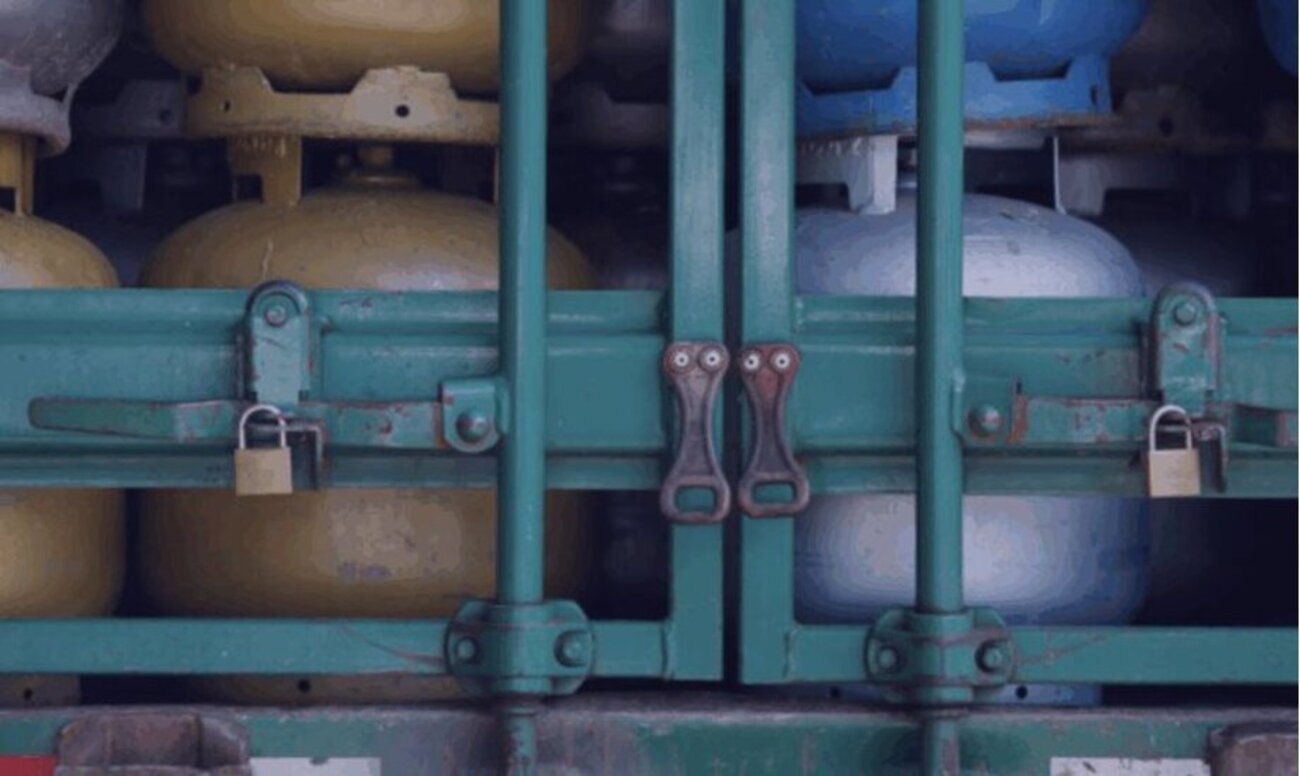
Petrobras evaluates suspension of sales to distributors and considers canceling the cooking gas auction following guidelines from the Federal Government.
-
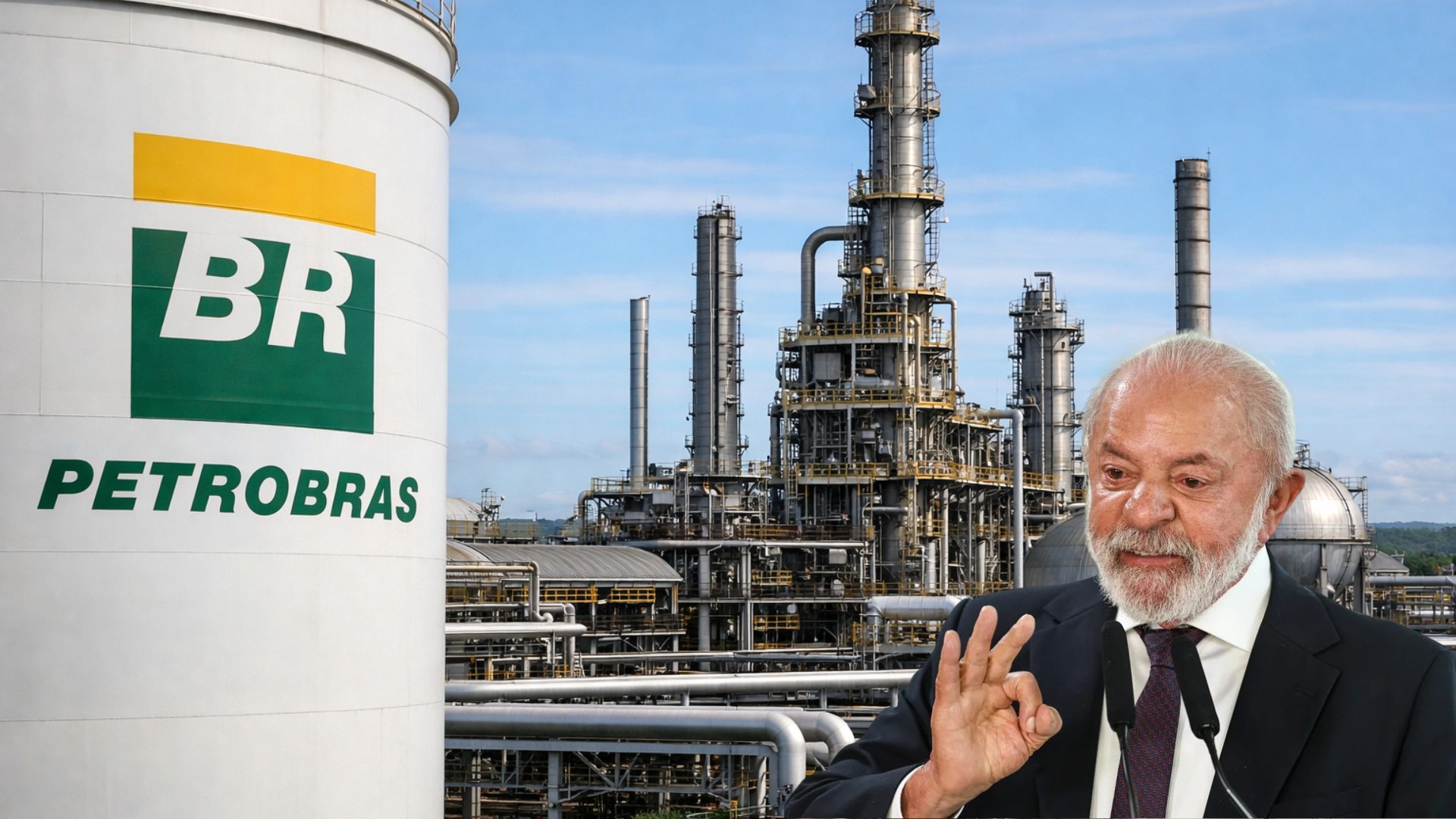
Lula reveals a masterstroke by Petrobras to undo a deal made by Bolsonaro, which involves the return of an important refinery that currently produces less than half of what was expected and makes Brazil dependent on international diesel.
-
A study confirms that the natural gas sector will reduce greenhouse gas emissions in Brazil by 0.5% and accelerate the energy transition by 2026.

-
Petrobras implements a severe adjustment and confirms a 55% increase in the price of aviation kerosene with a proposal for installment payments for the companies.


To understand the impact of the oil and gas career, it is necessary to go back in time and analyze the historical factors that defined this industry.
According to the American Oil & Gas Historical Society, the first commercial oil drilling was conducted in 1859, in Pennsylvania, United States.
This event marked the beginning of the industrial exploration of oil, radically transforming the way humanity obtained energy.
With the discovery of oil, the 20th century saw accelerated growth in the industry, mainly due to the popularization of gasoline-powered automobiles and the increasing energy demand during the two world wars.
According to the historical report from the U.S. Department of Energy, oil became the primary fuel for transportation and industry, driving global economic development.
Furthermore, in the second half of the 20th century, the emergence of the Organization of the Petroleum Exporting Countries (OPEC) in 1960 consolidated oil’s geopolitical role. OPEC influenced global barrel prices, affecting economies worldwide.
Therefore, this historical trajectory shaped the foundations of the global economy as we know it today.
Oil companies became multinational giants, and countries rich in oil reserves gained significant geopolitical influence.
In this context, the oil and gas career became valued not only for its attractive remuneration but also for its strategic relevance.
As a result, professionals in this field began to occupy prominent positions in companies and governments.
How the Oil and Gas Chain Works
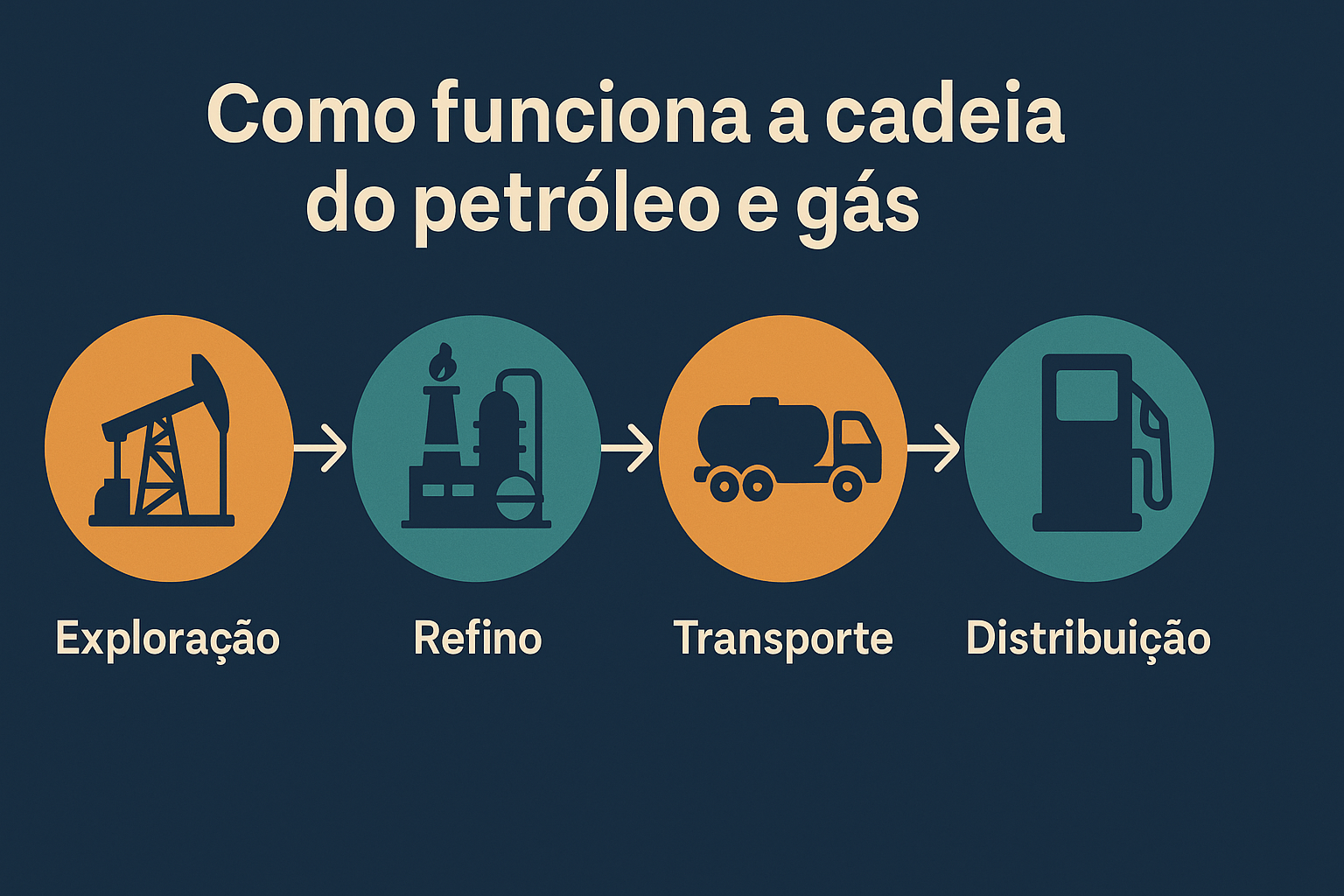
Working in this sector means being part of a complex global mechanism.
This is because engineers, geologists, technicians, operators, environmental analysts, logistics professionals, and administrators work together to enable the exploration, refining, transportation, and distribution of oil and natural gas.
According to the International Energy Agency (IEA), the oil and gas sector generates trillions of dollars and creates millions of jobs worldwide, both directly and indirectly.
In Brazil, the discovery of pre-salt in 2006 brought a new chapter for the oil and gas career.
According to official data from Petrobras, this reserve, located in deep waters of the Atlantic Ocean, began to require cutting-edge technology for exploration and opened many professional opportunities, especially in coastal regions.
Cities like Macaé, in Rio de Janeiro, transformed into hubs of the oil industry, generating direct impacts on the local economy, infrastructure, education, and residents’ income.
However, the influence of this career goes beyond platforms and refineries.
It directly impacts businesses in various sectors, such as transportation, construction, production of plastics, cosmetics, and even food, which depend on oil derivatives in their packaging or industrial processes.
Therefore, understanding this profession is not only of interest to those who wish to work in the field but also to entrepreneurs, business owners, and students seeking to understand the functioning of the modern economy.
Moreover, the demand for oil and gas influences public policies and strategic decisions by governments around the world.
According to the annual report from the Organization of the Petroleum Exporting Countries (OPEC), the oil industry accounted for about 40% of the energy consumed globally in 2023, confirming its current relevance.
Thus, those working in this area do not only deal with technology and production but also with geopolitics and social development.
Opportunities and Demands of the Career
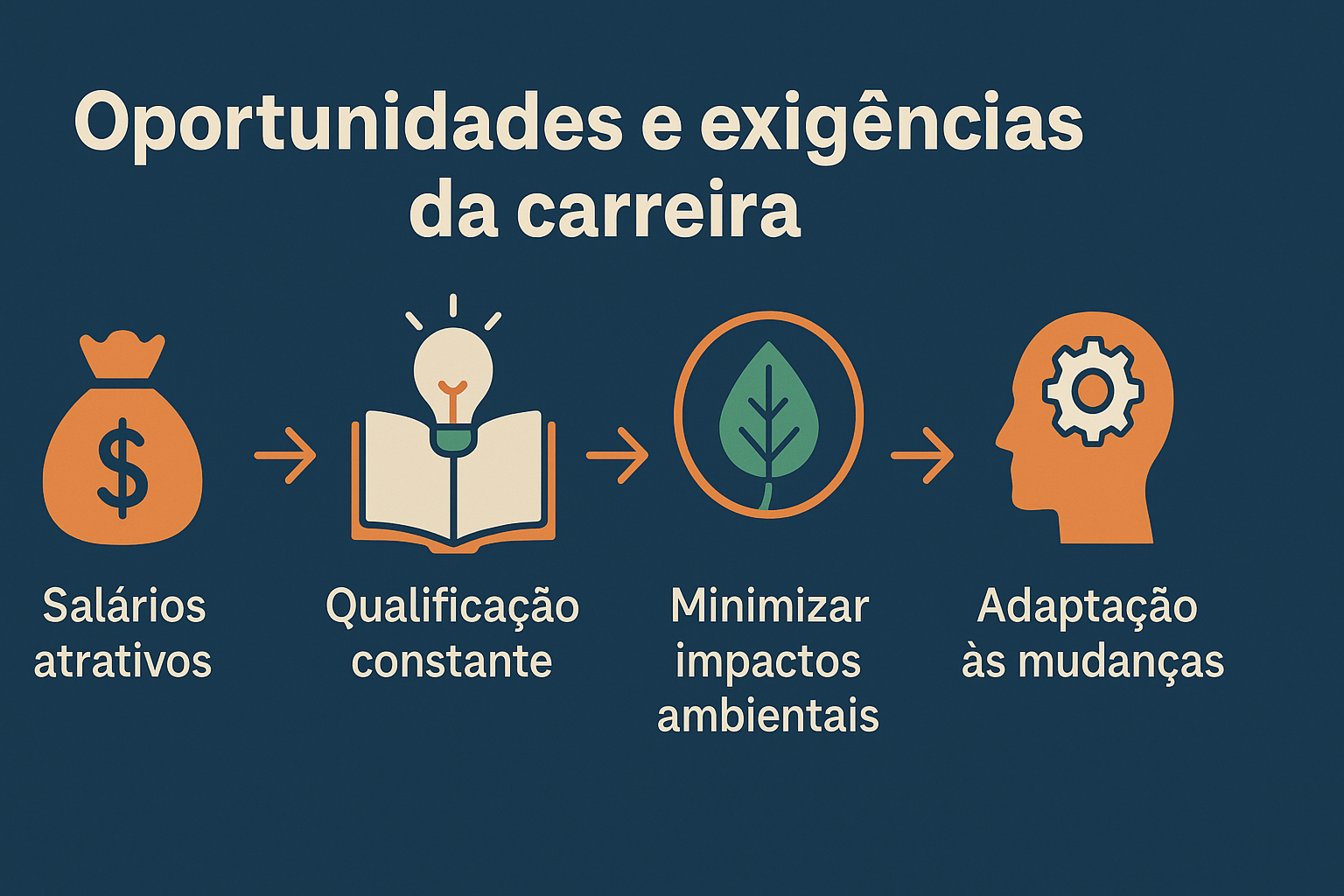
It is worth remembering that, although the sector offers attractive salaries and good growth opportunities, it requires constant qualification.
With the advancement of technologies, many roles now demand specific knowledge in automation, artificial intelligence, geotechnology, occupational safety, and sustainability.
This happens because oil companies are facing pressure to minimize the environmental impacts of their operations.
At this point, it is important to recognize that the oil and gas career also faces challenges.
On one hand, one of the main challenges is balancing energy production and environmental preservation.
The sector is often associated with greenhouse gas emissions and accident risks, such as leaks and explosions.
On the other hand, many professionals in the field have been specializing in safer practices and solutions that reduce environmental impact.
According to the Intergovernmental Panel on Climate Change (IPCC), the fossil fuel sector must adapt quickly to limit global warming, directly impacting the training and roles of professionals in the field.
Another factor affecting career stability is the fluctuation of oil prices in the international market.
Geopolitics, tensions in producing regions, OPEC decisions, and global demand can directly affect investments in the area.
Therefore, those working in this sector need to prepare for cycles of highs and lows, adapting to changes with resilience and strategic vision.
Moreover, the digitalization of the sector has opened doors for new career profiles.
Data scientists and specialists in hybrid energies combine knowledge of oil and gas with clean energies.
This expands the range of opportunities for professionals interested in being part of the energy transition without abandoning the current energy system’s foundation.
The Future of the Oil and Gas Career
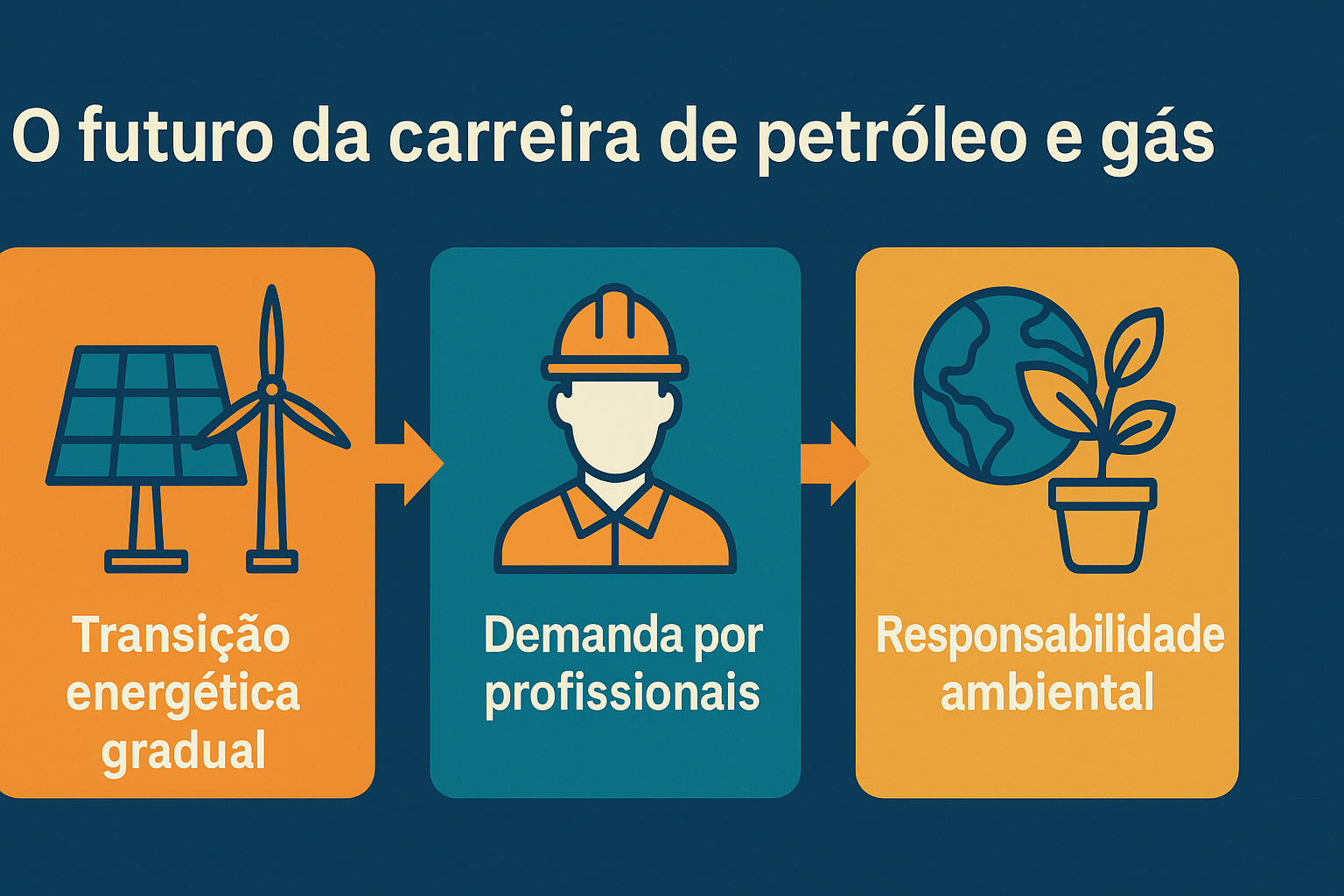
Even in the face of advancements in renewable energies, such as solar and wind, oil and natural gas remain fundamental energy sources in the world.
It is estimated that, according to the International Energy Agency (IEA), the energy transition will occur gradually, likely extending over the next few decades.
Therefore, the demand for professionals in the field is expected to continue for many years, especially for those who prepare to operate with environmental responsibility and technological innovation.
From a personal perspective, working in the oil and gas career can represent a significant life change.
In addition to good salaries, many professionals have access to differentiated benefits, such as productivity bonuses, housing, career plans, and even international experiences.
However, the profession also requires sacrifices.
Often, professionals face long working hours, schedules outside business hours, and long periods offshore, away from their families.
On the other hand, for many, this lifestyle becomes rewarding.
It offers the chance to work on grand projects, with cutting-edge technology and a real impact on society.
Thus, it is a career that encourages constant learning and allows workers to keep up with the transformation of the global energy sector.
In a transitioning world, this hybrid training between oil, gas, and innovation can be a powerful competitive differential.
Present and Future Impact
In summary, the oil and gas career directly impacts all our lives.
Whether in how we move, eat, or consume goods and services, almost everything depends, in some way, on the energy generated by this industry.
For those wishing to follow this professional path, it is an opportunity for growth, innovation, and contribution to the future of energy in the world.
As new energy sources gain ground, responsible and conscious action within the oil and gas sector remains essential.
Preparing for the challenges of the present and the future makes this career not only relevant but also promising.










Seja o primeiro a reagir!