





 Português
  Inglês
  Espanhol
  4 min de leitura
  1 comentário





A Dive Into The Challenging And Rewarding Routine Of Working On An Offshore Oil Platform, Exploring From The 14×21 Work Schedule To Helicopter Journeys, Strict Security, Balanced Diet, And The Essential Community Living For An Offshore Career.
Exploring life on an oil platform reveals a world full of challenges and discoveries. For many, working offshore is a journey into the unknown. The work routine on an oil platform is marked by a schedule of 14 consecutive days of work, followed by 21 days off. This cycle, although demanding personal and family adjustments, offers a unique opportunity to save and plan trips due to reduced daily expenses and the meals provided by the company.
An Offshore Journey


The journey to the platform begins with eager preparation, followed by a helicopter flight – a safe and efficient means of transportation, despite the curiosity and fears of many. Upon arrival, a safety briefing welcomes newcomers, ensuring that everyone is aware of emergency procedures.
One of the peculiarities of offshore work is the alternation between day and night shifts, adjusting to the biological clock to accommodate the 12-hour work routine. This cycle not only maximizes productivity but also facilitates reintegration into life on land after the time spent on the platform.
-
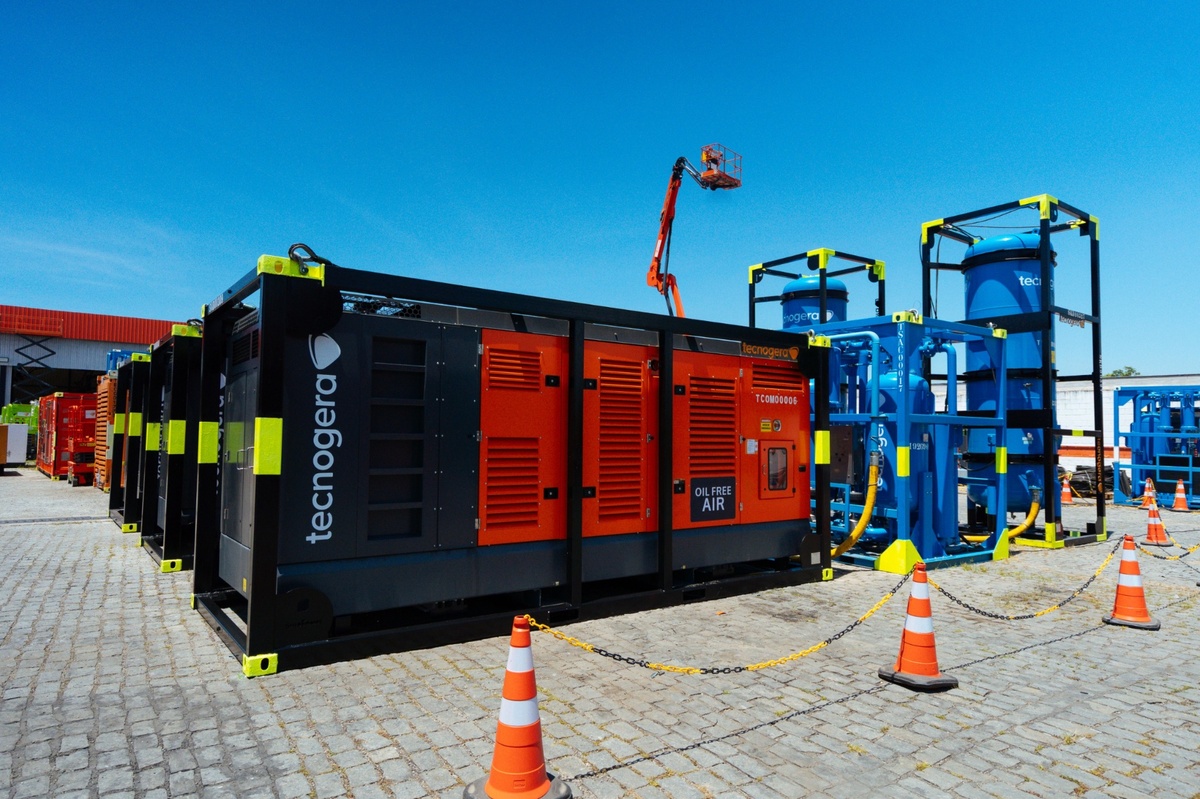
Offshore industrial demand in Macaé skyrockets with the recovery of oil and gas and could grow by up to 396% by 2026 in the Campos Basin.
-
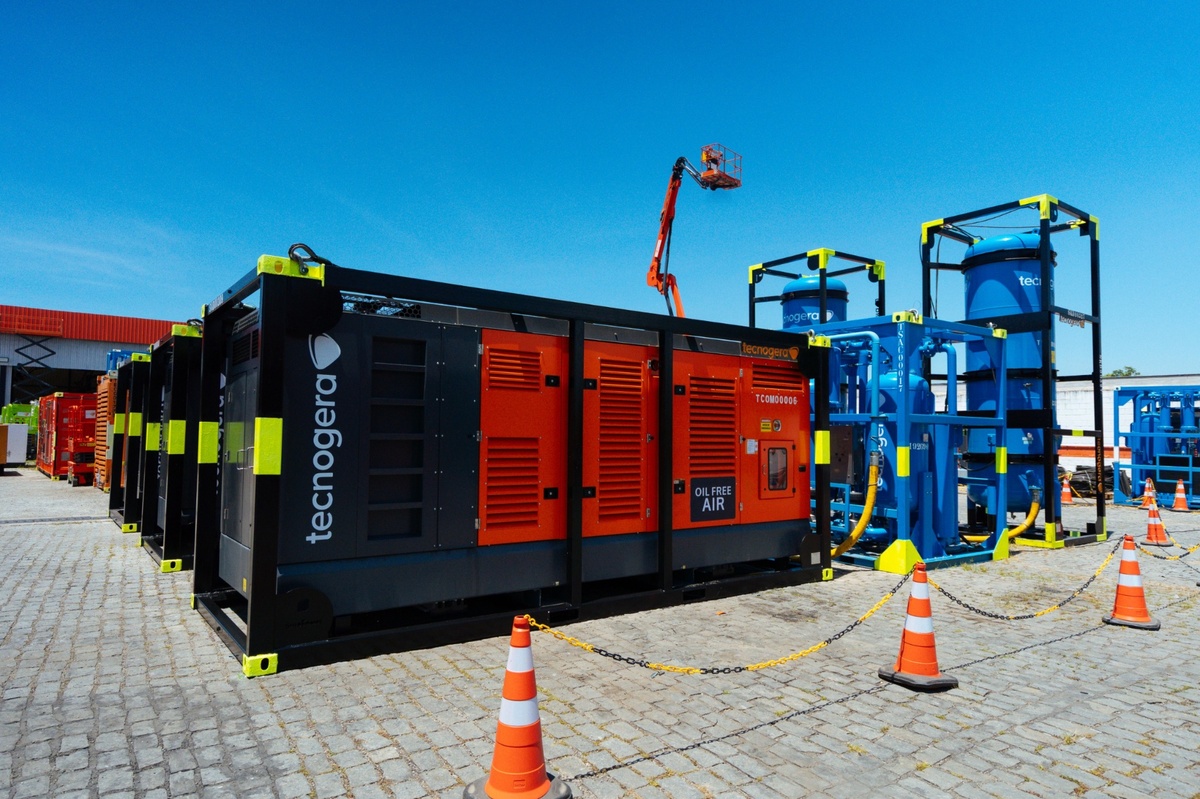
Offshore industrial demand in Macaé surges with the recovery of oil and gas and could grow by up to 396% by 2026 in the Campos Basin.
-
Historic bankruptcy of Centauro shocks the market, and the century-old company puts more than 500,000 products, machines, and complete infrastructure up for online auction.

-
Brazilian giant expands borders in the Southeast: Petrobras confirms new oil discovery in ultra-deep waters in the pre-salt of the Campos Basin.


Food And Leisure: Care In The High Seas
Meals on the platforms are planned to balance and compensate for the stress of offshore work, with a menu free from fried foods and full of healthy options. Leisure, although limited, includes activities such as a gym, billiards, and other forms of relaxation, essential for maintaining the physical and mental well-being of workers.
A Community United By The Profession On An Oil Platform
The offshore experience goes beyond work, creating a community of professionals who share not only tasks but also moments of rest and camaraderie. This camaraderie is an essential pillar in facing the challenges and enjoying the rewards of working on an oil platform.
Life on an oil platform is a unique adventure, filled with challenges, learning, and opportunities. For those considering an offshore career, understanding the routine, the necessary adjustments, and the rewards involved is fundamental. With the right preparation, working on an oil platform can be a transformative experience, both personally and professionally.
Offshore Careers In High Demand
In the dynamic and challenging environment of offshore operations, particularly in the oil and gas industry, certain offshore careers stand out not only for their strategic importance but also for the high demand for qualified professionals. Among them, Petroleum Engineers lead the way, essential for optimizing oil and gas extraction. Geologists closely follow, with their crucial role in exploring new reservoirs.
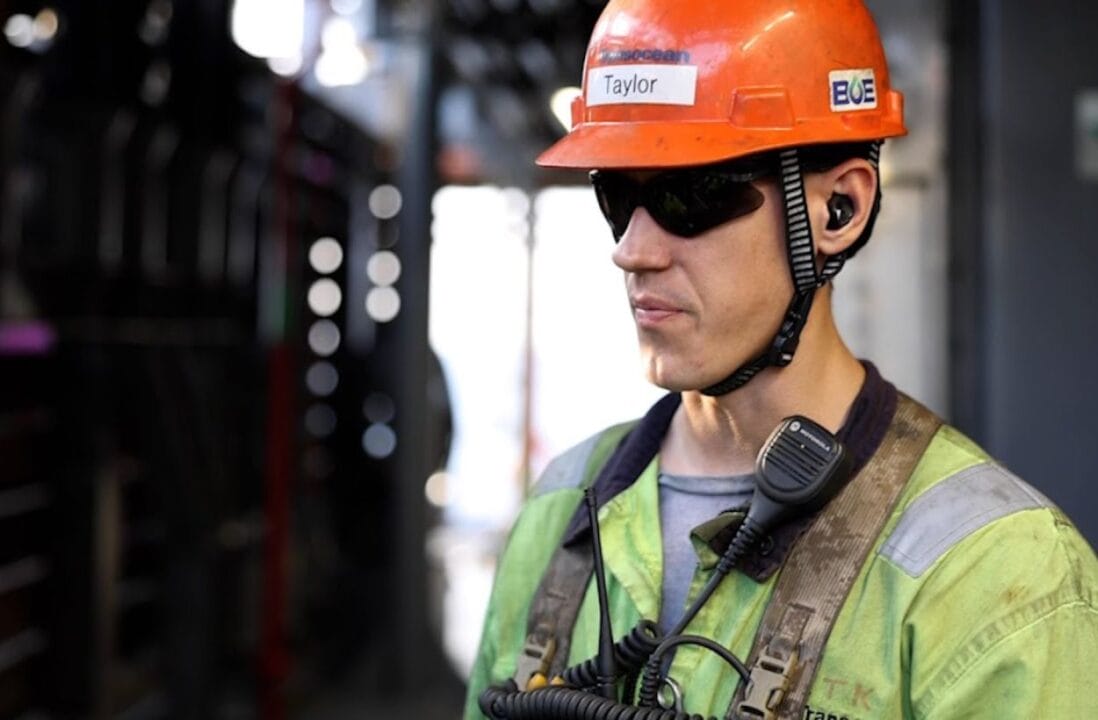
Petroleum Engineer: Essential for the development and implementation of extraction techniques, petroleum engineers are at the core of the industry, optimizing oil and gas production.
Geologist: Key professionals for oil exploration, geologists study rock formations and the seabed to identify potential hydrocarbon reservoirs.
Electronics Technician: Responsible for the maintenance and repair of electronic systems on platforms, ensuring the continuity and safety of operations.
Mechanical Technician: These professionals maintain the operation of mechanical equipment on board, a critical role in ensuring productivity and safety.
Professional Diver: With a vital role in the inspection, maintenance, and repair of underwater structures, professional divers face one of the most challenging environments.
Safety Technician: Ensuring the safety of everyone on board is the priority of these professionals, who implement rigorous safety policies and training.
Salaries And Benefits
Remuneration for those working on board varies according to the role, experience, and qualifications. The lowest reported salary for a Loader in Brazil is R$ 2,383 per month, while a base worker in the oil sector can expect a similar average salary of about R$ 2,378.
Additionally, offshore workers are entitled to a night shift bonus, in accordance with legislation, for shifts worked between 10 p.m. and 6 a.m., a benefit that complements the base salary and recognizes the peculiarities of night work.
Offshore Leave Schedule
Regarding leave schedules, offshore workers typically follow a pattern of 14 days of work followed by 14 days off, known as 1×1 or a 14 consecutive days on, followed by 21 days off. During the time on board, the 12-hour work shifts are followed by 12 hours of rest, a pace that demands physical and mental endurance, but also offers significant downtime for recovery and leisure.










Parabéns pela excelente matéria!
Esse vídeo mostra exatamente isso: