





 English
  Francês
  Alemão
  Italiano
  Japonês
  Norueguês
  Portuguese
  Spanish
  4 min of reading
  0 comments



Status, High Price And Design Do Not Guarantee Peace Of Mind After Purchase
For many years, the high value of a car was associated with the idea of robustness, comfort and reliability. However, the reality of the current market shows that an expensive car does not always mean fewer problems. On the contrary: in some cases, the high level of technology, embedded electronics and mechanical complexity have turned luxury models into real challenges for owners.
Reports from consumers, specialized workshops and complaint rankings indicate that some premium brands have become synonymous with high costs, frequent maintenance and unexpected failures, especially outside the warranty period.
British Cars Disappoint In Quality And Maintenance Costs, Says Boris Feldman
According to automotive journalist Boris Feldman, British brands such as Jaguar and Land Rover frequently rank among the lowest in international quality surveys, such as those from JD Power, a world reference in the sector.
-
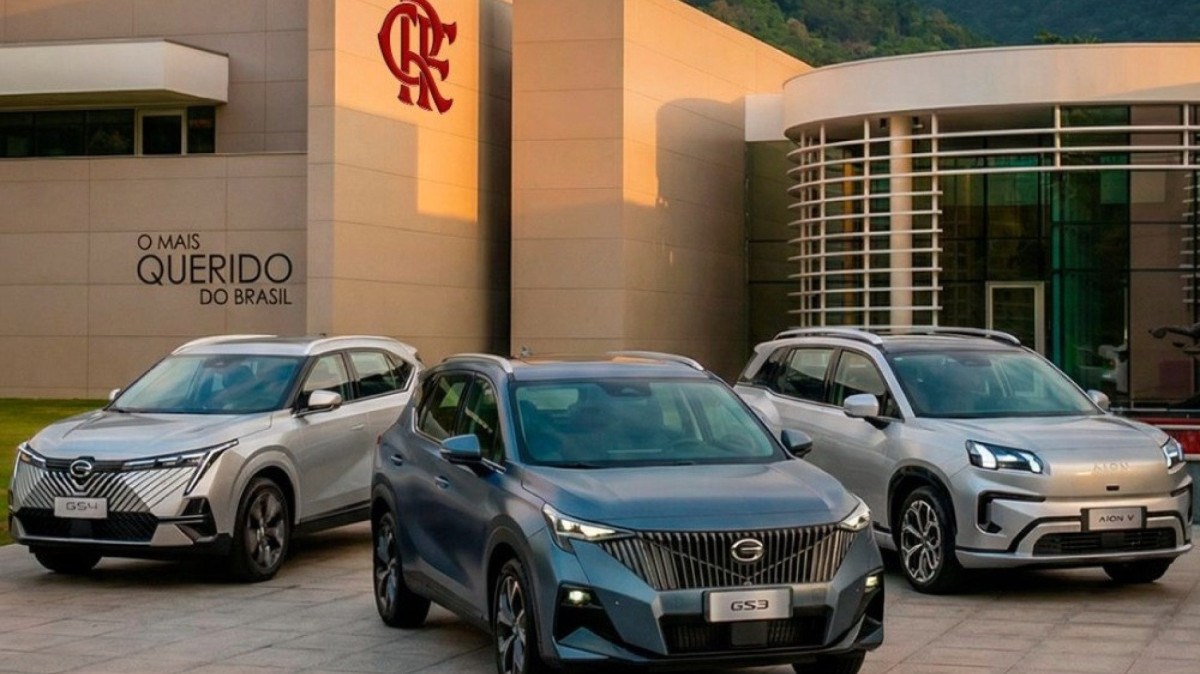
After launching the new GS3 with a 1.5 turbo engine producing 170 hp, GAC partners with Flamengo, enters the field with the largest fan base in Brazil, and accelerates an ambitious offensive to gain scale and confidence in the national market.
-
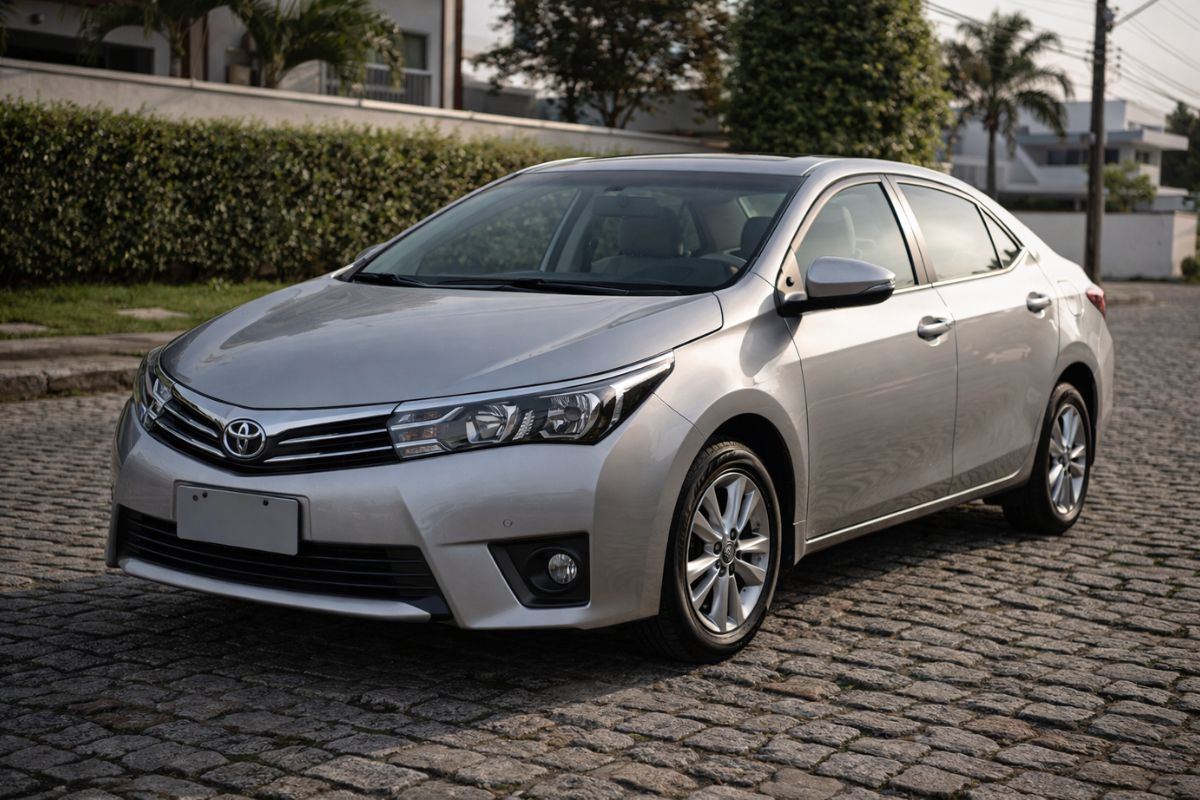
The Corolla from 2015 to 2019 depreciates so little that a 10-year-old model is still worth over 76 thousand reais, and owners treat this sedan as a safe investment thanks to its reputation for durability that no competitor has been able to match.
-
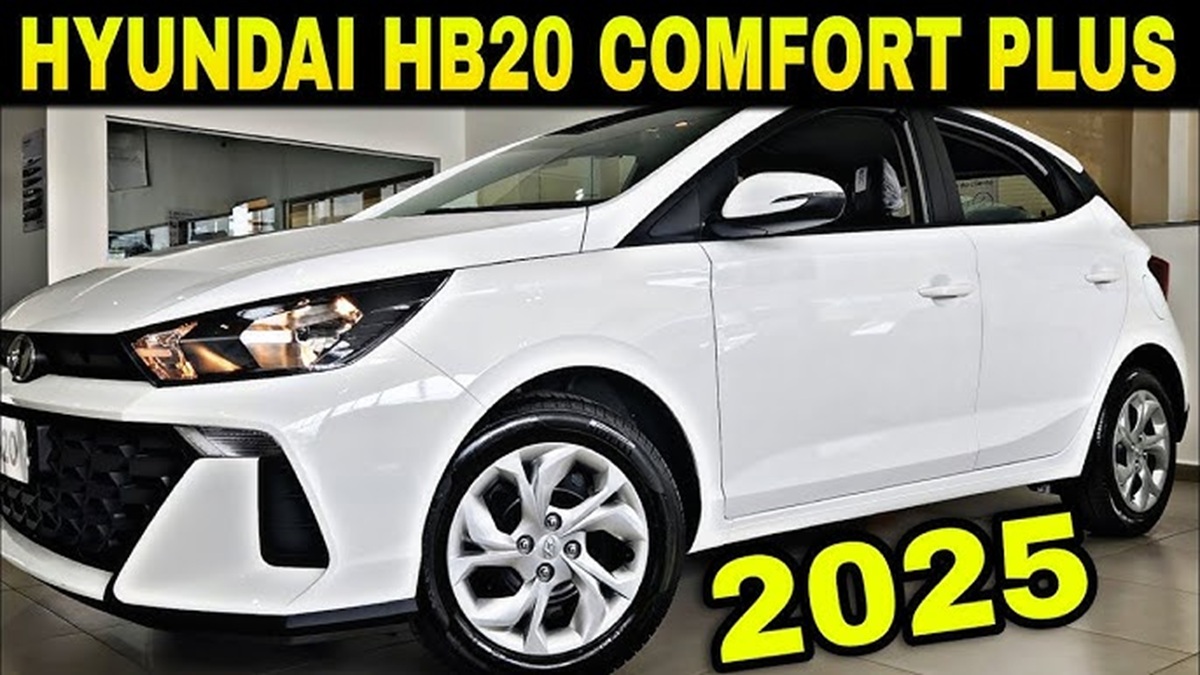
Is it worth considering a financed 2025 HB20 Comfort? A simulation with R$ 50,000 in the bank shows installments ranging from R$ 5,687 to R$ 2,365.
-
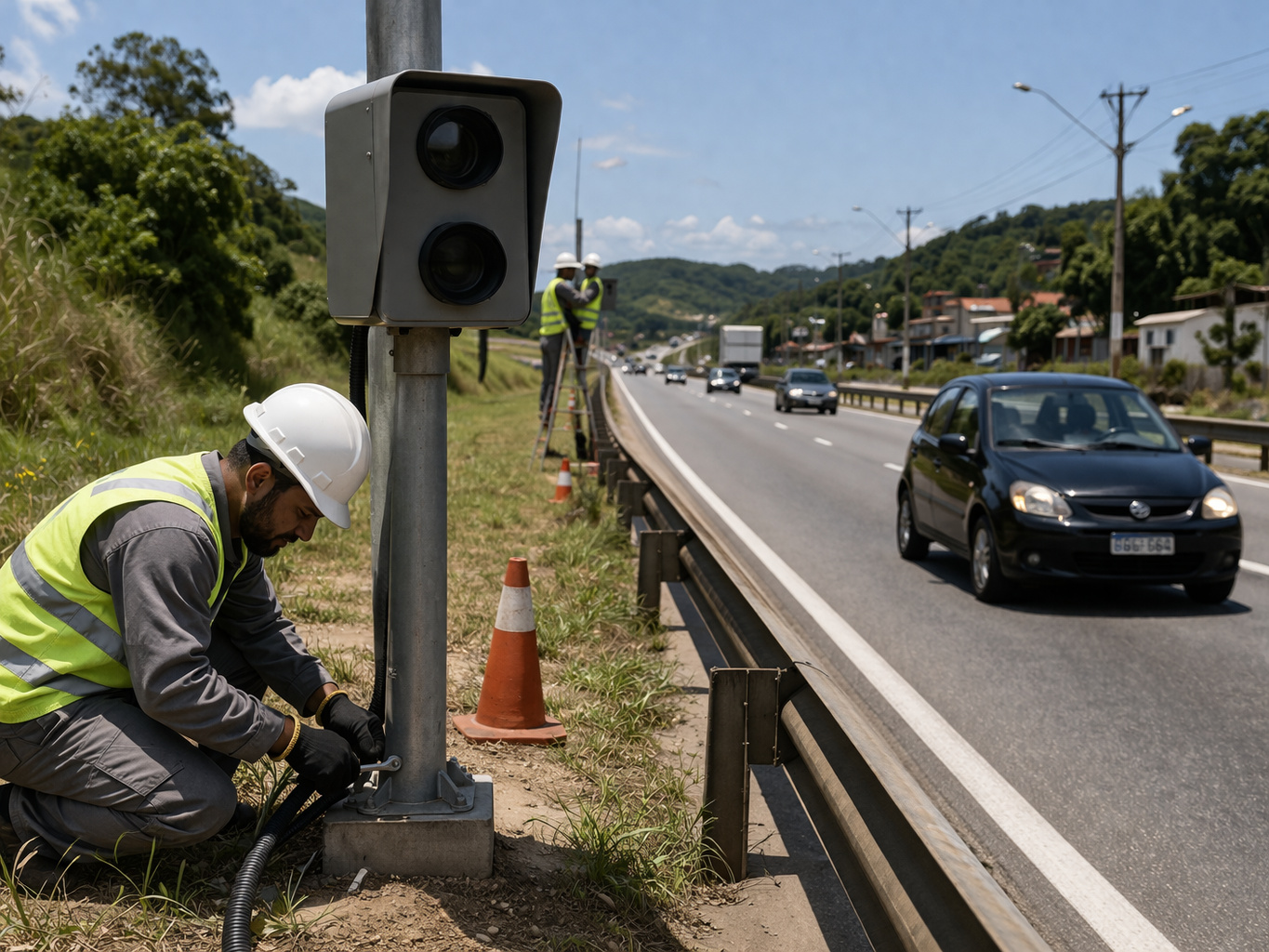
Road surveillance in Rio de Janeiro enters a new phase with the installation of more than 140 speed cameras on highways RJ-106 and RJ-104, and DER-RJ expands speed control in high-traffic areas.

He points out that, despite the design and status appeal, these vehicles have a high rate of mechanical problems, especially in turbo engines, as well as extremely high maintenance costs. There are reports of repairs exceeding R$ 30 thousand or R$ 40 thousand, an amount equivalent to half of a popular car, which also complicates the resale of these models in the Brazilian market.
Car Quality Has Evolved, But Japanese And German Brands Remain The Benchmark In Reliability
Feldman states that cars have increasingly become a commodity, sharing similar suppliers and technologies — such as systems from Bosch, Delco, and major component manufacturers.
Still, in his assessment, Japanese and German brands remain superior in reliability, thanks to industrial rigor and more stringent technical standards.
Manufacturers like Toyota, Honda, Nissan, Mitsubishi, as well as Volkswagen, BMW, Mercedes-Benz and Audi, are cited as examples of vehicles that deliver exactly what most consumers seek: safe, durable transportation with a lower risk of unpleasant surprises over time.

Has Excessive Technology Become The Villain?
A large part of the problems faced by more expensive cars is not related to structural quality, but rather to the extreme sophistication of the systems. Sensors, electronic modules, automated transmissions, and adaptive suspensions offer comfort and performance, but require:
- strict maintenance;
- highly specialized labor;
- expensive replacement parts;
- fuel and lubricants within specific standards.
In Brazil, where severe usage, climate, and road conditions vary greatly, this combination can result in recurring failures and costs well above expectations.
Expensive Brands That Generate The Most Complaints And Headaches
Even with a strong market appeal, some manufacturers have started to frequently appear in reports of owner dissatisfaction. See the main ones.

Land Rover
The British brand is frequently cited in complaint rankings. Luxury models and sophisticated SUVs accumulate complaints related to:
- failures in electronic systems;
- issues with pneumatic suspension;
- complex and costly maintenance after the warranty expires.
Despite the high level of comfort, many owners report long periods with their cars in the shop.
BMW
Known for performance and sporty handling, BMW also faces criticism. Among the most cited points are:
- transmissions and engines sensitive to maintenance;
- complex electronic systems;
- high prices for services and parts in the Brazilian market.
When preventive maintenance is not strictly followed, costs can multiply rapidly.
Audi
Audi has built its image on technology and design, but this comes at a price. Reported problems include:
- failures in dual-clutch automated transmissions;
- intermittent electronic failures;
- constant need for specialized diagnostics.
In many cases, small defects lead to expensive repairs due to the complexity of the systems.

Mercedes-Benz
A classic symbol of luxury and comfort, Mercedes-Benz also appears in complaints, especially in newer models. The main points are:
- large number of sensors and modules;
- high dependence on software;
- high cost of parts and scheduled maintenance.
Tolerance for maintenance delays is minimal, which surprises some buyers.
Jeep
Although not always associated with traditional luxury, more expensive versions of Jeep SUVs appear in reports for:
- automatic transmission failures;
- recurring electronic issues;
- high fuel consumption and above-average maintenance costs for the category.
The visual appeal and adventurous proposition do not always reflect peace of mind in daily use.
Where Is The Real Problem?
The central point is not exactly the brand, but the project and usage profile. Many of these vehicles are designed for markets with:
- highly specialized maintenance;
- rigorously followed service intervals;
- operational costs accepted as part of the premium package.
When this model encounters the Brazilian reality, a conflict arises between expectation and the real cost of ownership.
What Consumers Need To Evaluate Before Purchase
Before investing in an expensive car, it is essential to look beyond design and status. Experts recommend evaluating:
- maintenance history of the model;
- real cost of services;
- complaint index;
- availability of parts;
- average repair time.
In many cases, a cheaper and well-designed car can provide much more peace of mind than a luxury model poorly adapted to local reality.









-

-

4 pessoas reagiram a isso.