





 English
  Francês
  Alemão
  Italiano
  Japonês
  Norueguês
  Portuguese
  Spanish
  3 min of reading


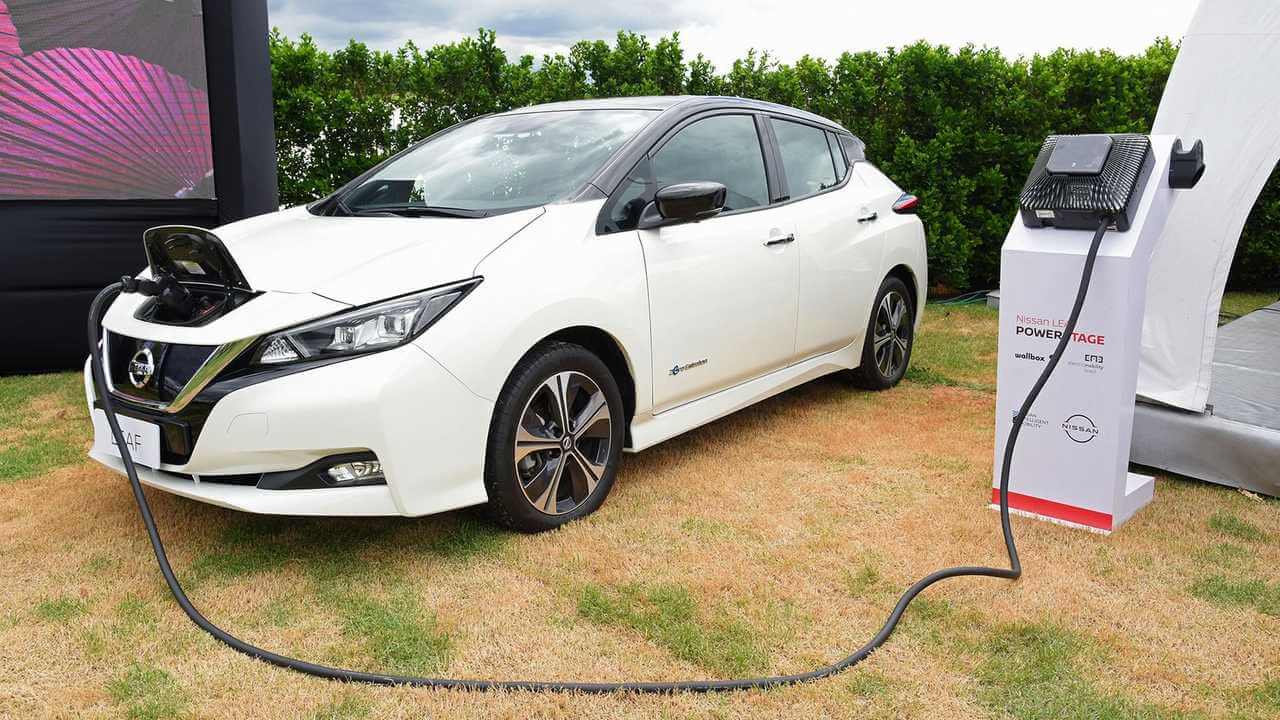
To Promote Electric Mobility, Nissan Presented Its Electric Car, Nissan Leaf, Demonstrating Its Ability to Generate Energy for Equipment and Even Homes
Nissan took advantage of the Electric Experience, an event held in the interior of SP with the mission to promote electric mobility, to showcase a bit more of the possible functionalities in an electric car. The company used the Nissan Leaf as a model to demonstrate the bidirectional charging technology. A DJ playing music with his sound equipment amidst a lawn would be a common scene if the equipment were connected to a conventional outlet; however, at the electric mobility event, the music that entertained the audience came from a table that was receiving power directly from a Nissan Leaf.
Read Also
Nissan Electric Car Technology Can Power Parties and Homes
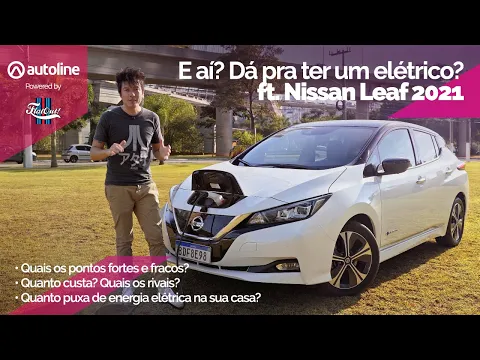

The Nissan Leaf was present at the event to demonstrate more about its unique bidirectional charging capacity, which allows the electric car to provide energy back to the grid through V2G technology or directly to electrical devices through V2X technology.
Therefore, the Nissan Leaf serves both to store and to generate energy like a mobile battery. The electric mobility technology of the Nissan Leaf can make the grid more sustainable and stable, in addition to contributing to the management of power supply for consumers.
-
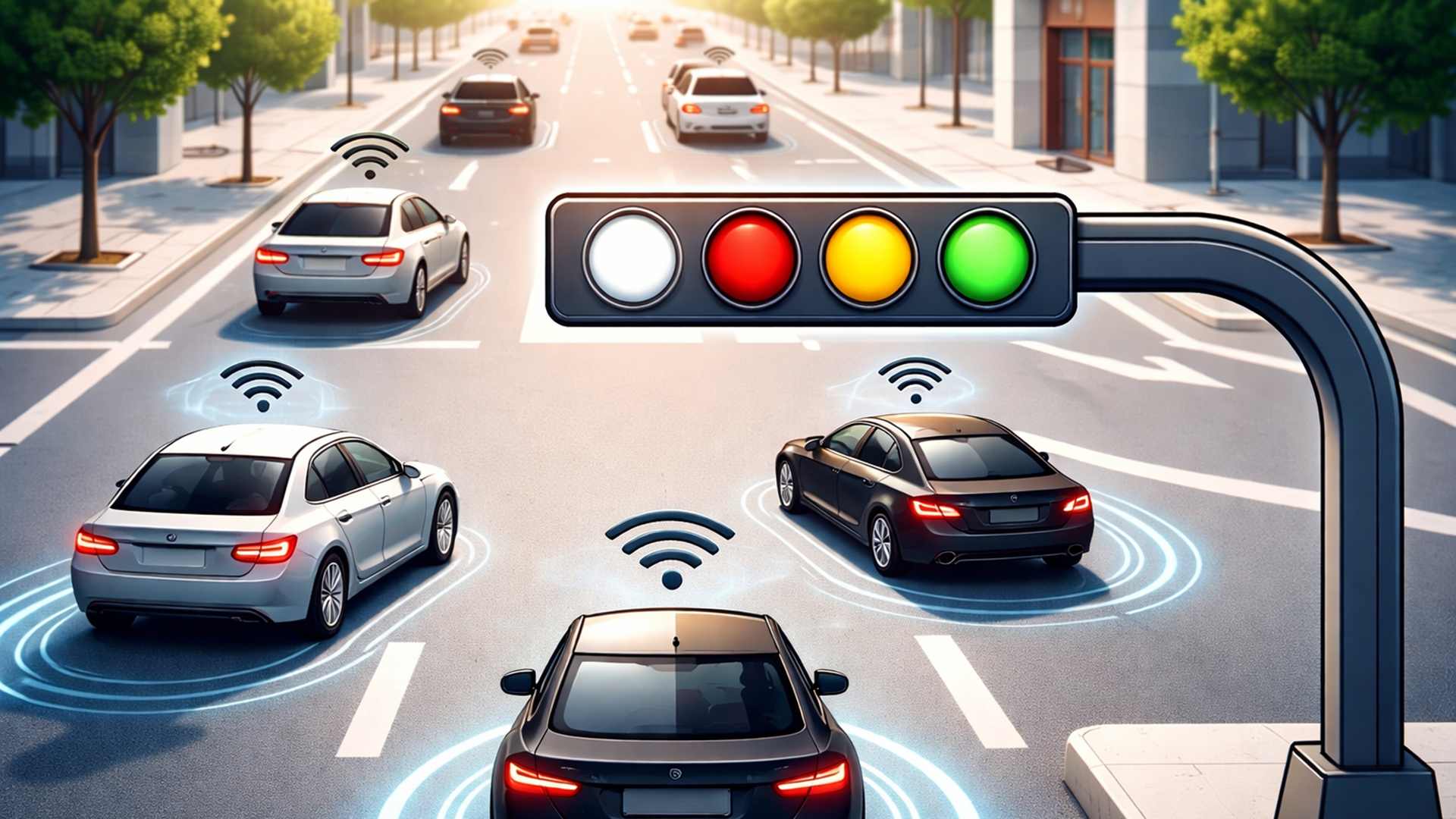
Engineers propose a fourth traffic light for intersections – the change promises to affect crossings, queues, and waiting times.
-
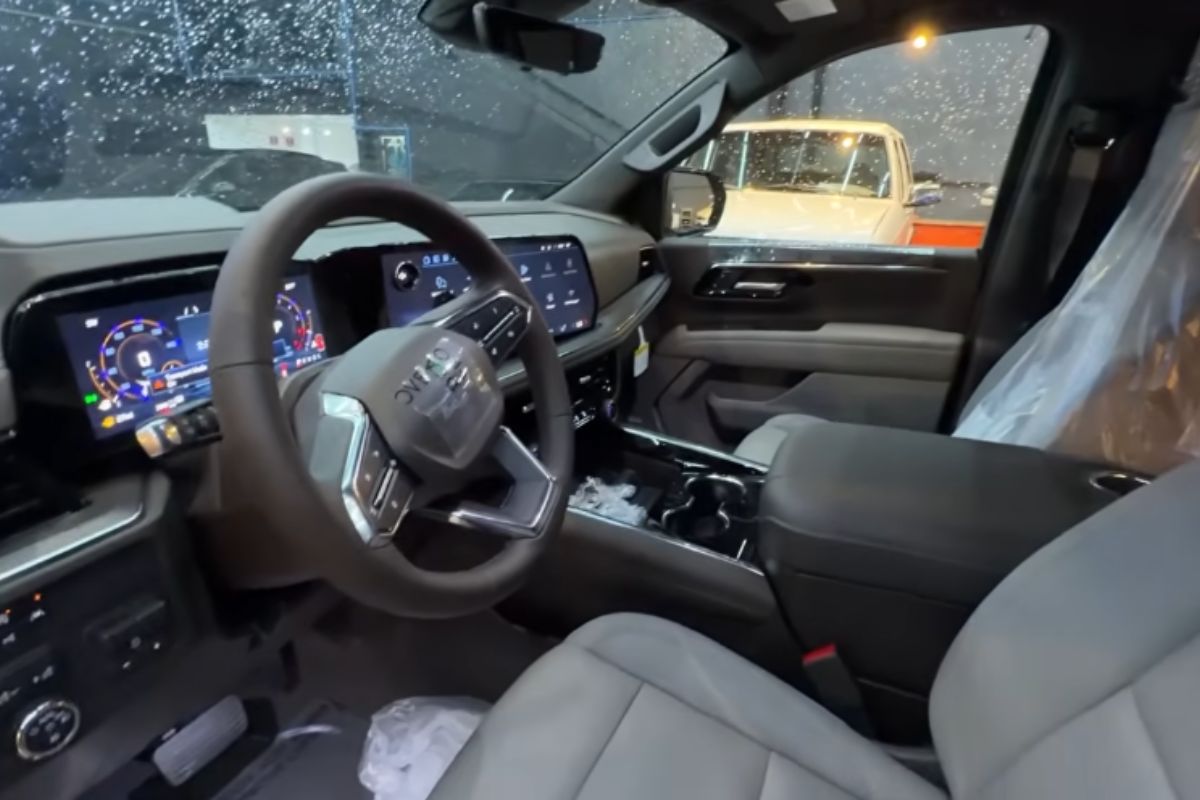
Chevrolet Suburban Z71 lands in Brazil with a V8 engine, off-road design, air suspension, seven seats, and colossal size, a rare version imported for around R$ 1.3 million with luxury and exclusivity.
-
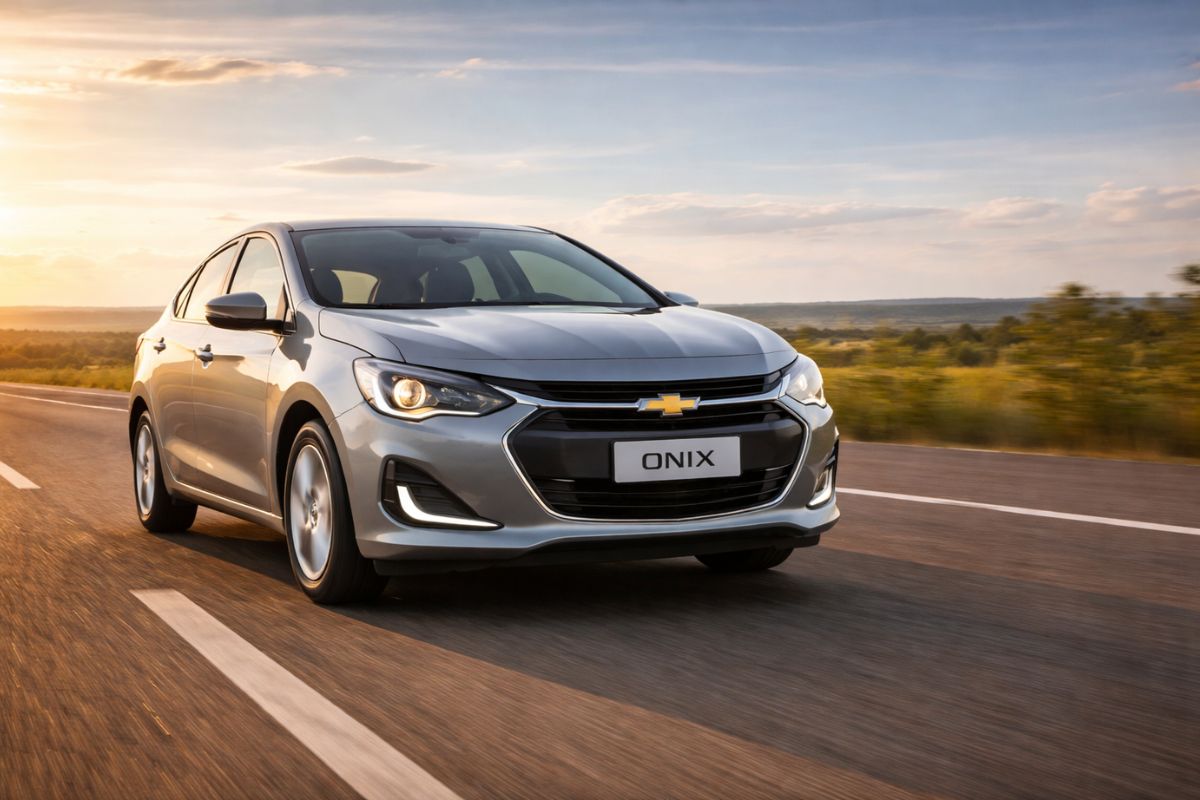
The Chevrolet Onix 1.0 turbo achieves 17.7 km per liter on the highway and ranks among the three most economical cars in Brazil in 2026, alongside two more expensive Toyota hybrids available at dealerships.
-
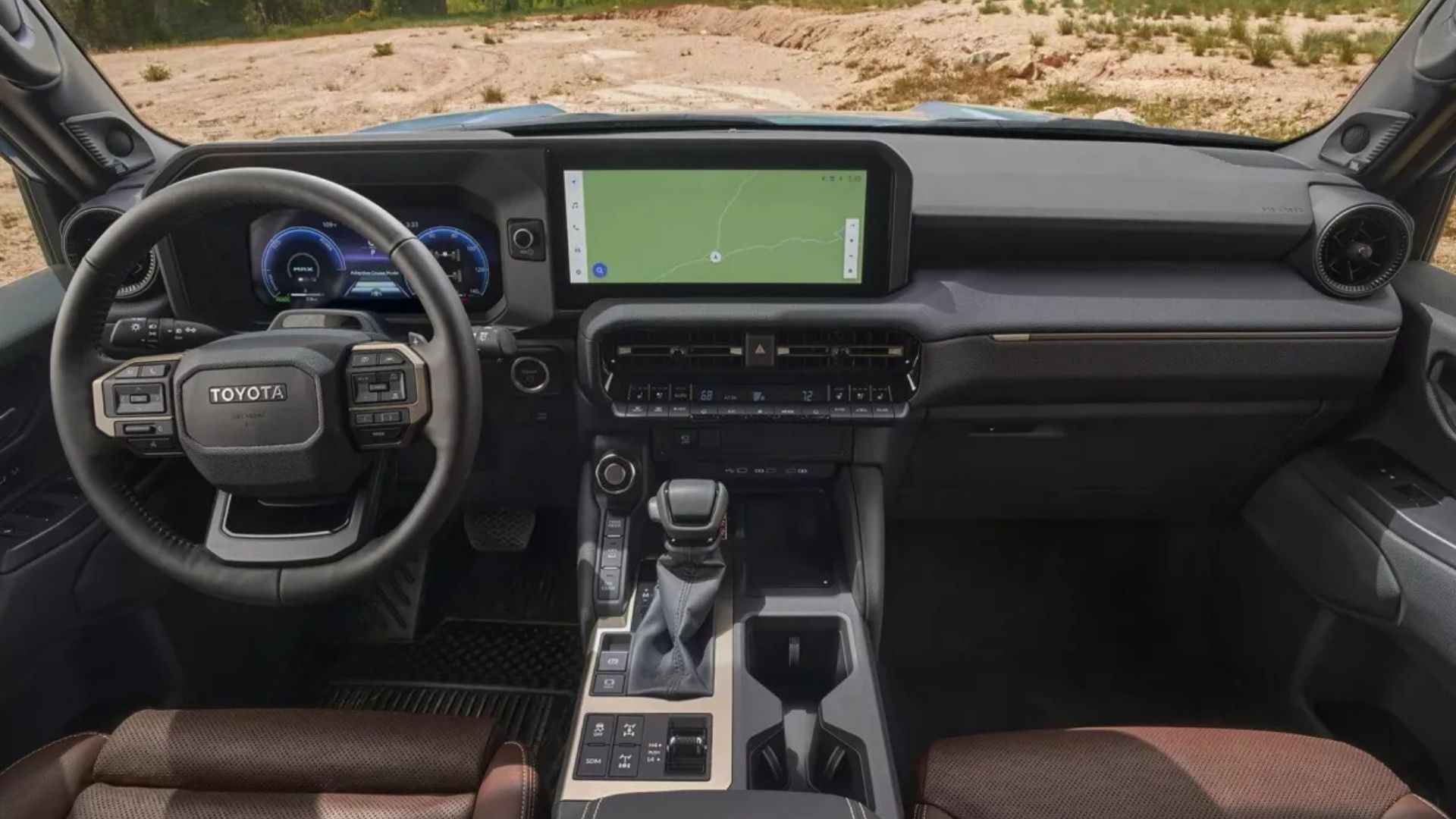
Little sister of the Hilux: Toyota launches Land Cruiser FJ with 4 radical versions, 2.7 engine with 166 hp and 4×4 traction with locking.

Furthermore, it also serves as a resource in case of an emergency situation that makes the use of grid energy unfeasible. Nissan is already using the system in Japan and Europe.
Nissan Partners with Bosch.IO
According to Nissan’s marketing director, Humberto Gomez, the bidirectional system is yet another electric mobility feature of the Nissan Leaf, demonstrating once again how the company develops an electric vehicle with a focus on integrating into the new intelligent mobility ecosystem.
In addition to being a fully electric car that is enjoyable to drive, it is a real example of the new experiences the company wants to offer its customers. Nissan’s project for electric mobility was developed alongside Bosch.IO, as well as the Advanced Manufacturing Technologies Institute (IFAM) and the Fraunhofer Institute for Industrial Engineering (IAO). The electric mobility initiative is also supported by the German Ministry of Transport and Digital Infrastructure.
Electric Car’s Range Is Not Much Affected During Continuous Battery Use
A Bosch software claims that the range and performance of Nissan’s electric car are not significantly affected, as only up to 30% of the Nissan Leaf’s battery capacity is used to provide energy for the home or electronic equipment.
If necessary, it is also possible to prioritize the complete recharge of the vehicle, for instance, before embarking on a longer journey. It is worth noting that the data collected on electricity usage is assessed anonymously. According to Stefan Losch from Fraunhofer IFAM, the data is accurate for making scientific assessments focused on the business models of bidirectional charging and identifying potential user groups.
According to Vicent Ricoux from Nissan Center Europe, the company believes that interest in this technology will continue to grow in the future, especially because more and more people are working from home and there is a huge potential to use renewable energy effectively, reducing emissions in transportation.









Seja o primeiro a reagir!