





 English
  Francês
  Alemão
  Italiano
  Japonês
  Norueguês
  Portuguese
  Spanish
  4 min of reading
  0 comments


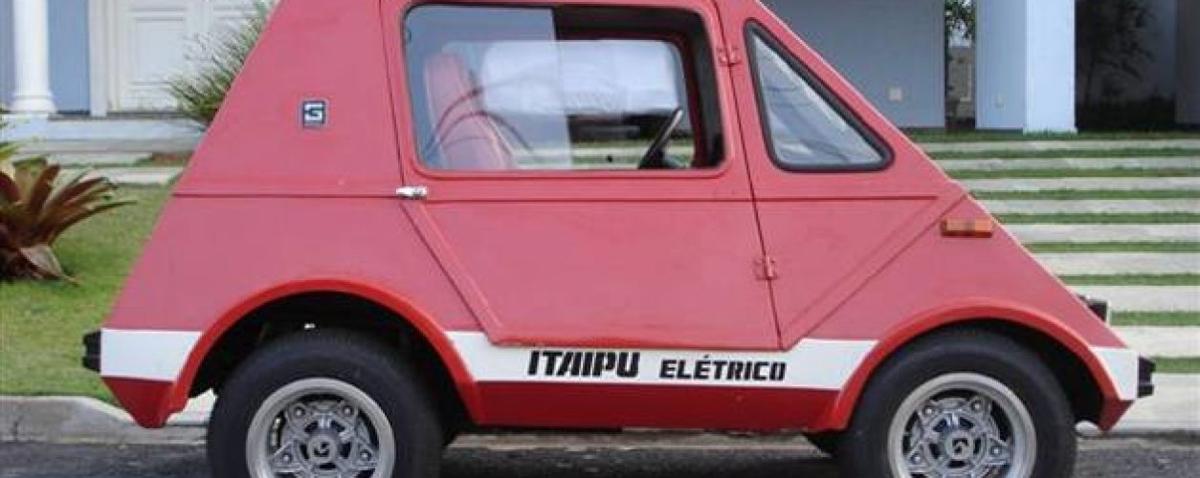
The Trajectory of the First Brazilian Electric Car Shows How National Innovation Was Ignored and the Industrial Dream Ended Buried
Fifty years ago, Brazil presented to the world the Itaipú E150, the first electric car developed in Latin America, created by the automaker Gurgel Motores, founded in 1969 by João Augusto Conrado do Amaral Gurgel. Although the project revealed the potential of national engineering, the lack of government support, the absence of productive scale, and political disinterest condemned the company and the entire Brazilian automotive industry to oblivion.
The Birth of an Electric Dream Amidst the Oil Crisis
In 1973, the world faced the oil shock, caused by the Organization of the Petroleum Exporting Countries (OPEC), forcing various nations to seek new energy sources. In this context, Gurgel presented, in 1974, the Itaipú E150, named in honor of the Itaipu hydroelectric plant, a symbol of Brazilian technological advancement. The vehicle was fully electric, powered by lead-acid batteries, but faced technical obstacles such as excessive weight, reduced autonomy, and long recharging times, which limited its commercial use.
Despite the difficulties, the project became a milestone of national automotive innovation. In 1981, the company launched the Itaipú E400, with a range of up to 80 kilometers, used by state-owned companies like Eletropaulo and Telebrás. While the world began to look at electric vehicles, the Brazilian government preferred to invest in Proálcool, created in 1975, focusing on ethanol as an alternative fuel. This decision diverted investments and halted the advancement of electric mobility in the country.
-
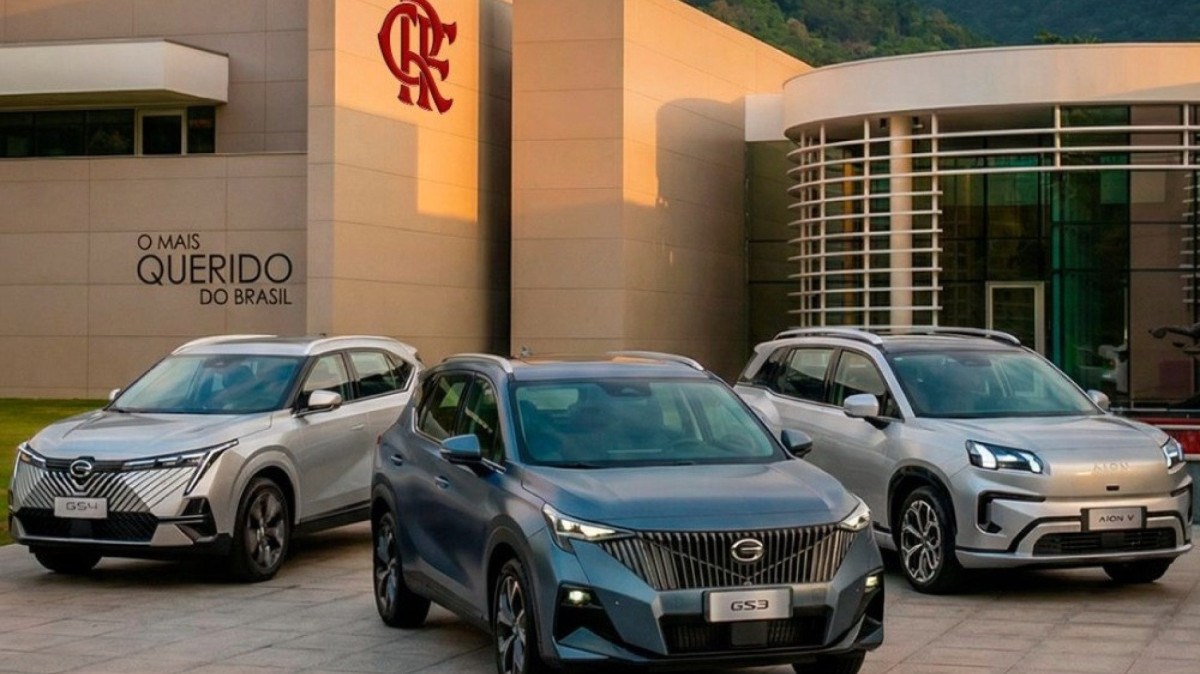
After launching the new GS3 with a 1.5 turbo engine producing 170 hp, GAC partners with Flamengo, enters the field with the largest fan base in Brazil, and accelerates an ambitious offensive to gain scale and confidence in the national market.
-
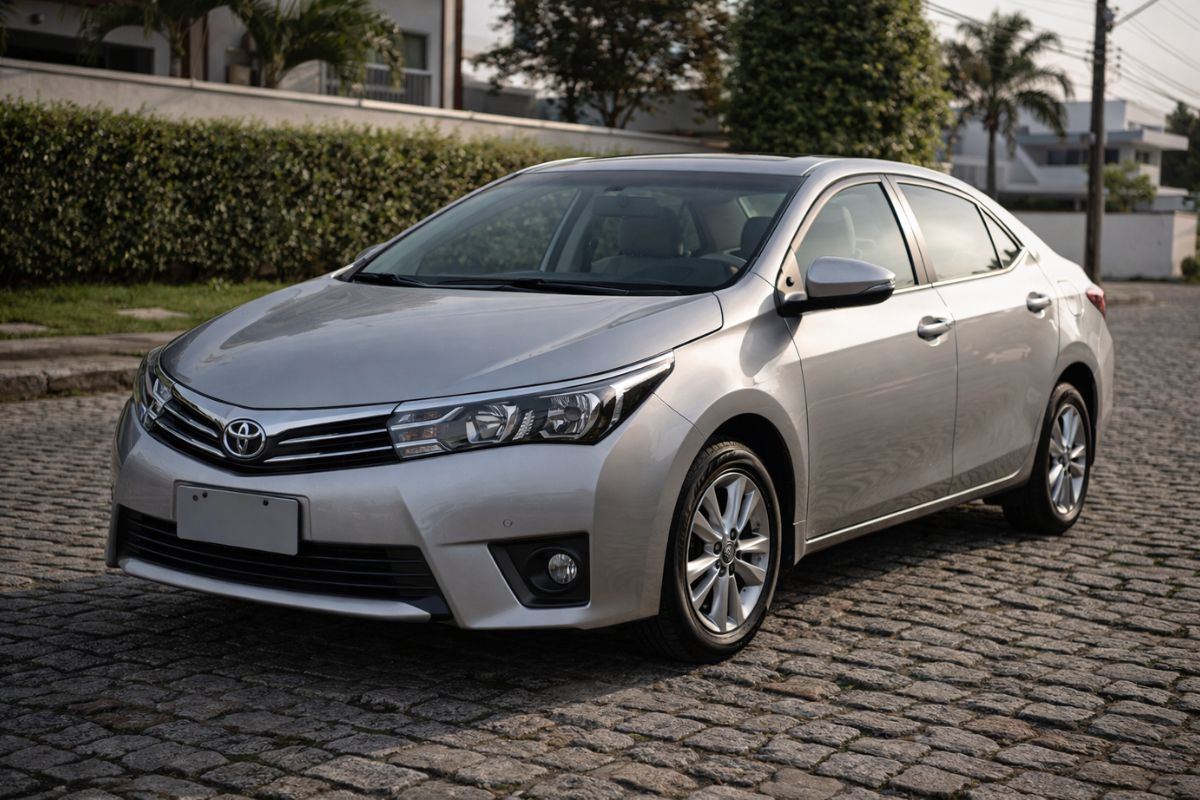
The Corolla from 2015 to 2019 depreciates so little that a 10-year-old model is still worth over 76 thousand reais, and owners treat this sedan as a safe investment thanks to its reputation for durability that no competitor has been able to match.
-
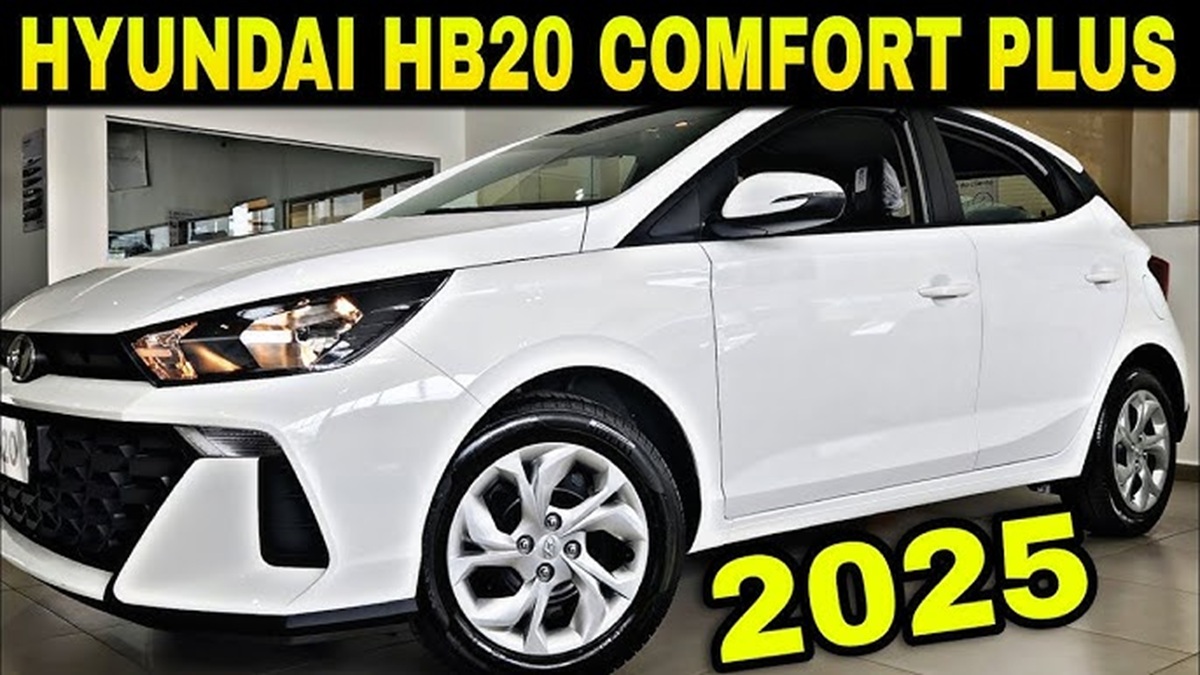
Is it worth considering a financed 2025 HB20 Comfort? A simulation with R$ 50,000 in the bank shows installments ranging from R$ 5,687 to R$ 2,365.
-
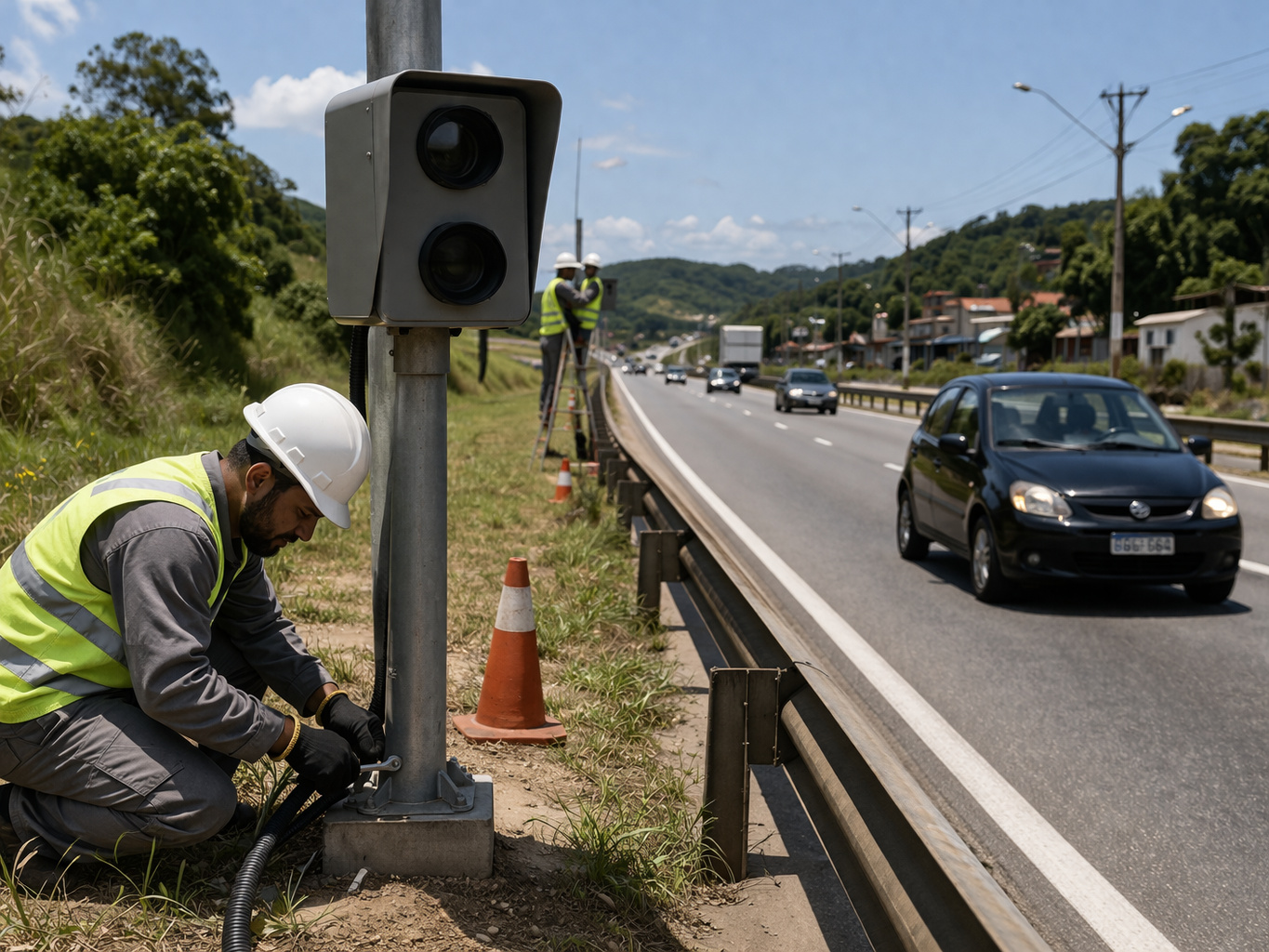
Road surveillance in Rio de Janeiro enters a new phase with the installation of more than 140 speed cameras on highways RJ-106 and RJ-104, and DER-RJ expands speed control in high-traffic areas.

The Rise of Gurgel and the Peak of the 100% National Car
During the 1980s, Gurgel experienced its most successful period. It produced more than 40 thousand vehicles, exported to countries in Latin America, and had models like the Xavante X12 used by the Armed Forces. In 1987, it launched the CENA (National Economic Car), renamed to BR-800 after a legal dispute with Ayrton Senna’s family. The car became a symbol of technological independence, with a 100% national engine, chassis, and body.
However, as highlighted by Paulo Gala, an economist at the Getulio Vargas Foundation (FGV), the country lacked a solid industrial ecosystem and long-term public policies. Without domestic suppliers and stable tax incentives, Gurgel could not achieve the necessary scale to compete with foreign automakers.
The Economic Opening and the Collapse of the National Industry
In 1991, the Collor government opened the automotive market to imports and reduced the Tax on Industrialized Products (IPI) for vehicles of up to one thousand cc. The measure favored Fiat, Volkswagen, and Chevrolet, which quickly dominated the market with popular and affordable cars. Gurgel, lacking financial structure and state support, went bankrupt in 1993 and ceased operations in 1996, ending the cycle of the last 100% Brazilian automaker.
According to Antônio Jorge Martins, also from FGV, the country never consolidated a self-sufficient technological base. There was a lack of BNDES credits, investment in research, and strategic planning. While Brazil dismantled its industry, countries like China, South Korea, and India did the opposite: they strengthened their factories, created integrated production chains, and became world leaders in the automotive sector.
Lessons from Those Who Believed in Their Own Potential
In China, state investment in innovation created giants like BYD, now a global leader in electric vehicles. South Korea, with strong government support, transformed Hyundai and KIA into global powers. Meanwhile, India, with Tata Motors, gradually grew to become one of the most influential brands in the market.
Brazil, on the other hand, focused its efforts on attracting multinationals and neglected the creation of solid national brands. Still, the country proved it had talent and technical capability: Embraer, a global reference in aviation, and Petrobras, a highlight in offshore technology, are examples of sectors where national innovation thrived when given structured support.
The Forgotten Legacy of a Visionary
Even decades after the factory’s closure, the name Gurgel still evokes respect. Models like the BR-800 and the Xavante X12 have become collectible icons, remembered as symbols of Brazilian creativity and boldness. This trajectory reveals how much the country was able to innovate, but also how much it failed to transform knowledge into economic power.
Will Brazil believe in its own engineering again and transform its ideas into a cutting-edge automotive industry?









-

Uma pessoa reagiu a isso.