





 Portuguese
  English
  Spanish
  3 min of reading


Tesla Electric Car, Billionaire Elon Musk’s, Responds to Dramatic Accident That Kills Two People in China
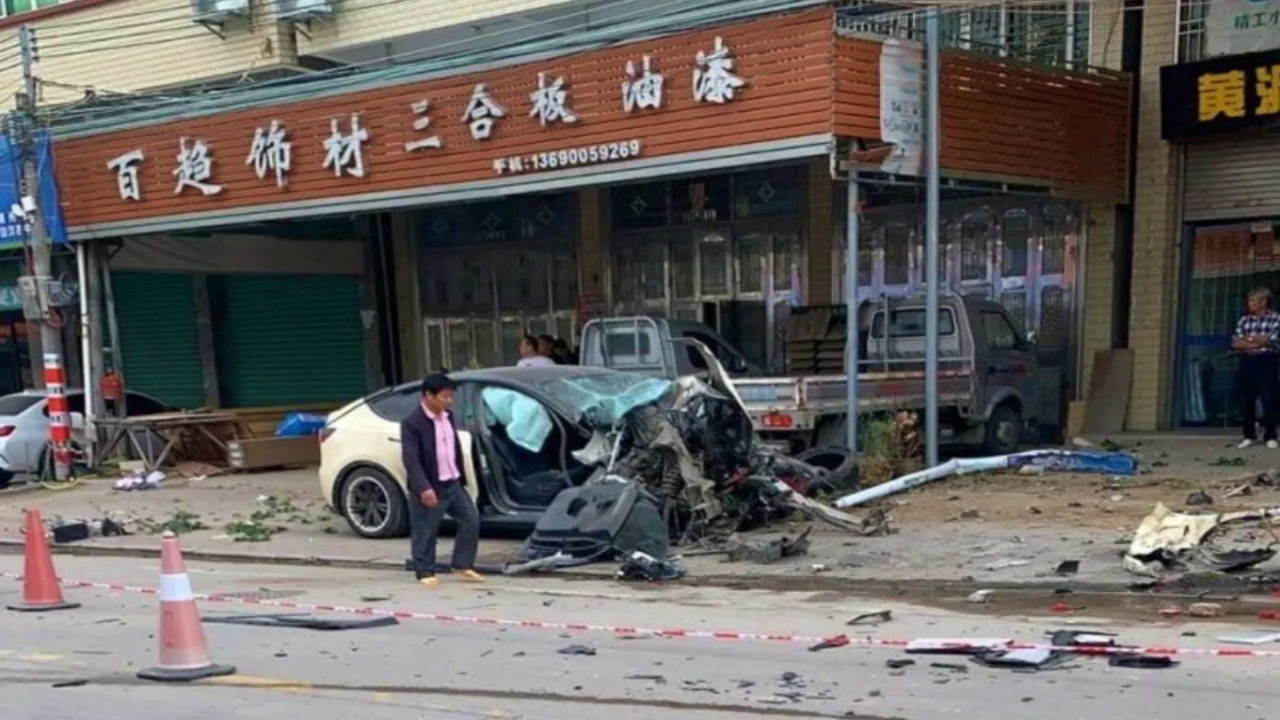
Possible software error in Tesla’s electric car, billionaire Elon Musk’s, causes the vehicle to drive completely out of control, at extremely high speed, hitting pedestrians and other vehicles in Chaozhou, Guangdong Province, China. The incident occurred on Sunday (11/05).
According to Chinese authorities, 2 people died and 3 others, including the driver of the car, were injured in the accident, which was reportedly caused by a malfunction in the vehicle’s software.
The video below shows the Tesla Model Y electric car attempting to park, then accelerating on a two-lane road, weaving between lanes at high speed, avoiding cars and motorcycles before crashing into a shop, about 30 seconds and 2.6 kilometers later.
-
Engineers propose a fourth traffic light for intersections – the change promises to affect crossings, queues, and waiting times.

-
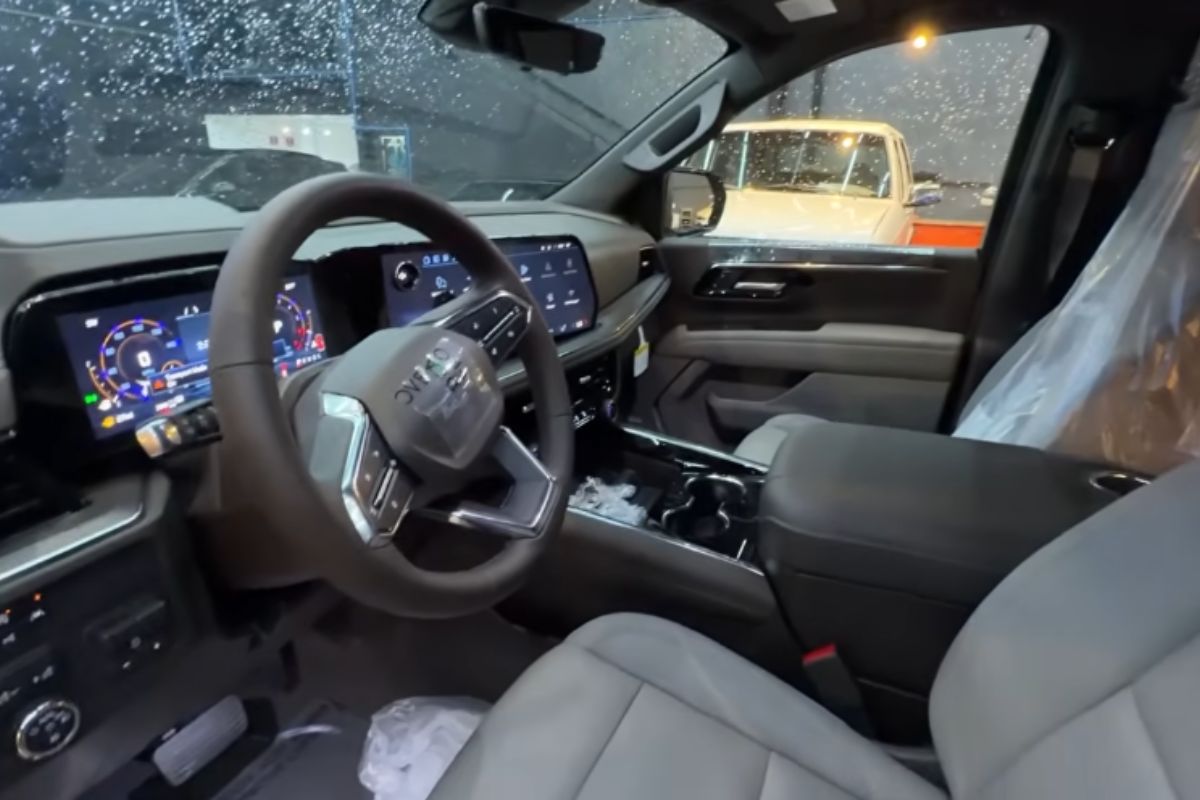
Chevrolet Suburban Z71 lands in Brazil with a V8 engine, off-road design, air suspension, seven seats, and colossal size, a rare version imported for around R$ 1.3 million with luxury and exclusivity.
-
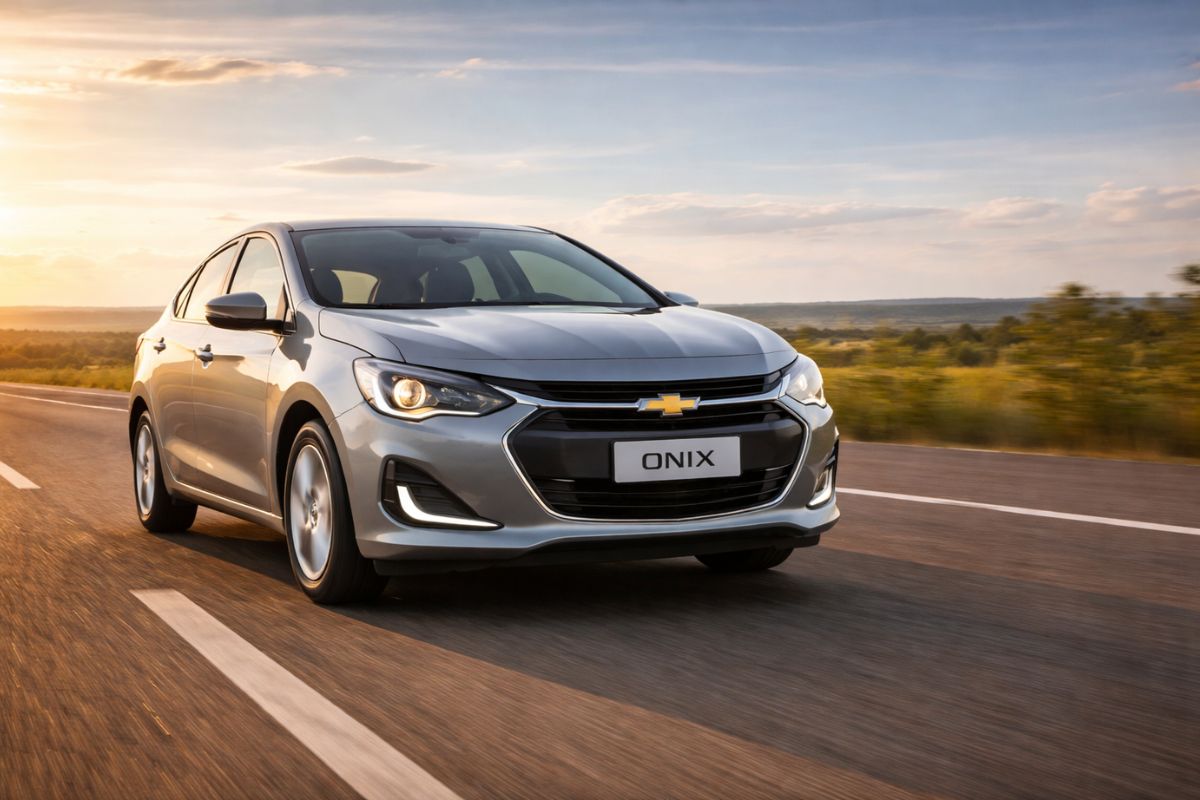
The Chevrolet Onix 1.0 turbo achieves 17.7 km per liter on the highway and ranks among the three most economical cars in Brazil in 2026, alongside two more expensive Toyota hybrids available at dealerships.
-
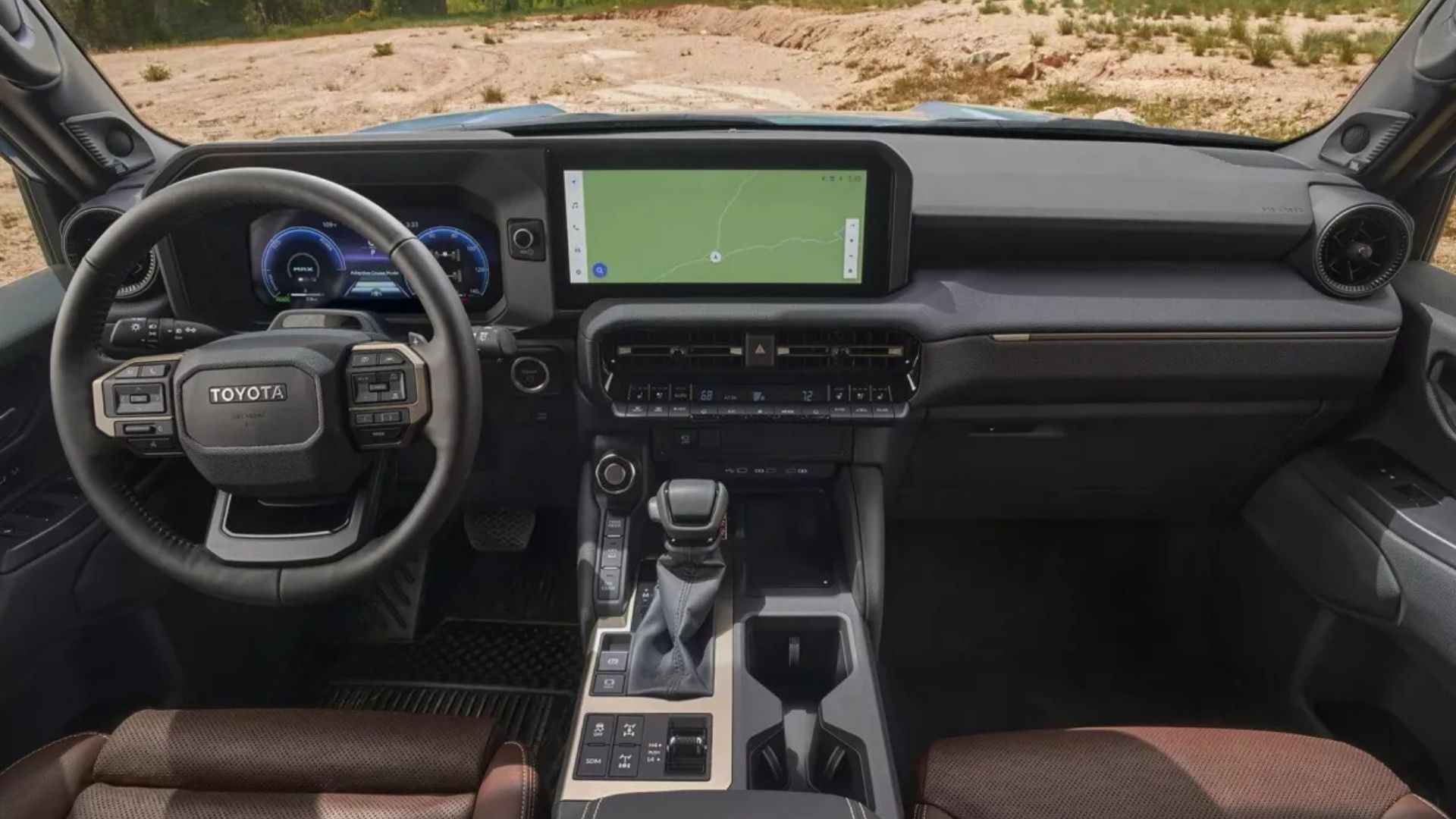
Little sister of the Hilux: Toyota launches Land Cruiser FJ with 4 radical versions, 2.7 engine with 166 hp and 4×4 traction with locking.
Elon Musk Says He Will Help the Police Investigate the Fatal Accident in China
The American automaker Tesla stated it will assist the Chinese police in investigating the accident involving one of its Model Y cars. “The police are currently seeking a third-party assessment agency to identify the truth behind this accident and we will actively provide any necessary assistance,” the electric vehicle manufacturer of Elon Musk told Reuters in a message on Sunday, cautioning against believing in “rumors.”
Jimu News quoted the traffic police stating that the cause of the incident in the city of Chaozhou would be related to issues with the brake pedal when it was about to stop in front of the family store.
Tesla stated that videos showed the brake lights of the car were not on when the car was accelerating and that its data indicated issues such as no action taken to press the brakes during the vehicle’s journey.
Watch the Video Below, Showing the Tesla Electric Car Software Malfunction
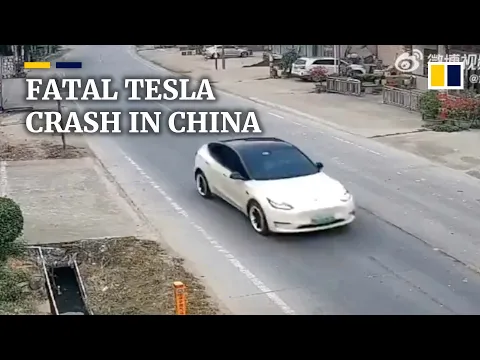

Tesla has faced other allegations of brake pedal malfunctions in the past, including from a Chinese customer who organized a protest at its Shanghai Auto Show booth, claiming that an accident she was in was the result of a brake failure. These allegations are not limited to China – Tesla has also received numerous complaints in the U.S., which it addressed in a blog post claiming that “there is no ‘unintended acceleration’ in Tesla vehicles.”
These complaints were investigated by the NHTSA, which found that incidents of unintended sudden acceleration in Teslas were the result of driver error and not due to any design flaw in the vehicle. The NHTSA reminds drivers that there are 16,000 avoidable accidents per year in the U.S. due to pedal errors and warns that drivers should be aware of this issue.
Toyota Faced Similar Allegations
The allegations are similar to those that occurred with other vehicles. Notably, Toyota faced a “sudden unintended acceleration” recall in 2009-2011, where the automaker recalled several parts of its vehicles in response to a rise in reports of unintended acceleration.
Although design flaws in floor mats or accelerator pedals may have contributed to some cases, most cases were found to be issues of driver error – and were more common among elderly and untrained drivers. The increase in reports coincided with media coverage of the issue, with more reports coming in as media coverage intensified.
China is Tesla’s second-largest market. The company recently began pulling demand levers, including price cuts, in response to potential softening demand in the country.









Seja o primeiro a reagir!