





 English
  Francês
  Alemão
  Italiano
  Japonês
  Norueguês
  Portuguese
  Spanish
  4 min of reading


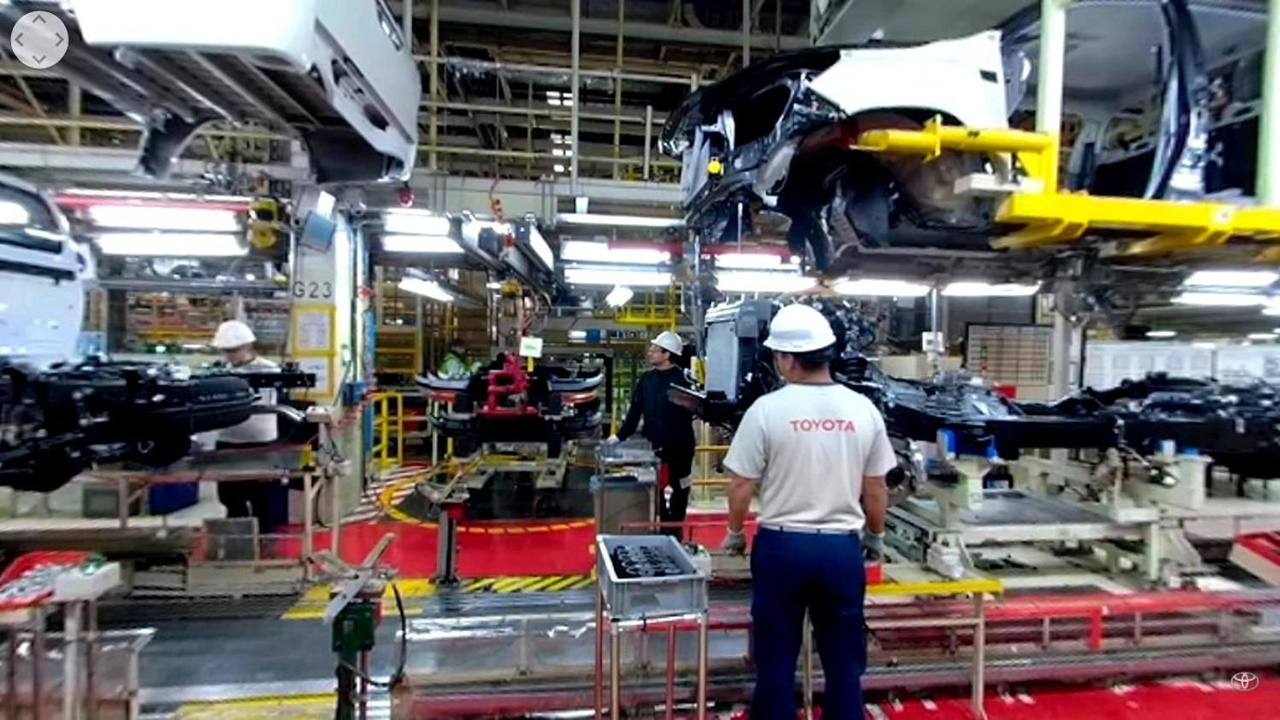
Against The Tide Of Volkswagen, Renault, Honda, And Volvo, The Multinational Toyota Refuses To End Production Of Gasoline And Diesel Combustion Engines
The multinational automobile manufacturer Toyota is heading in the opposite direction of Volkswagen, Renault, Honda, and Volvo, and decides to continue producing combustion engines, gasoline and diesel, at its factories for some time. But that doesn’t mean the automaker refuses to honor its commitments to the environment. To achieve carbon neutrality, the Japanese company developed a hydrogen-based engine. The idea was to create a car that is “absolutely green,” without being electric. The energy of a hydrogen engine is achieved through the combustion of this element, which is faster than in gasoline engines.
Also Read
- Job openings to work at Baterias Moura factories, a leader in the production of automotive, nautical, logistics, and telecommunications electric accumulators
- Chinese automaker clones the iconic Volkswagen Kombi, shortly after shamelessly manufacturing an electric copy of the Beetle
- Volkswagen announces the installation of the Baterias Moura factory at its industrial complex in RJ for the production of Brazil’s first electric truck!
- After Volkswagen, Ford, and Fiat, the multinational Chevrolet suspends production at its SP factory, and Chevrolet Onix, Onix Plus, and Spin will not be manufactured until August 3
- Against The Tide Of Volkswagen, Renault, Honda, And Volvo, The Multinational Toyota Refuses To End Production Of Gasoline And Diesel Combustion Engines
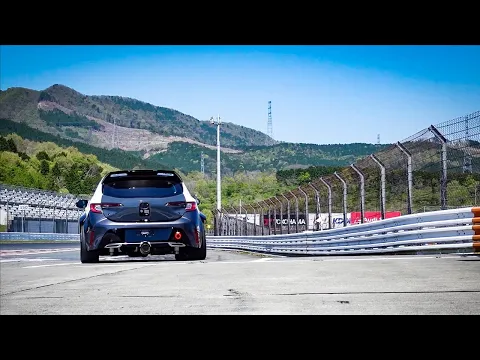
The next step in the evolution of this technology will be to verify its effectiveness in competition. For this, it was mounted in a racing vehicle based on the Toyota Corolla Sport, within the ORC ROOKIE Racing team, to participate in the third round of the 2021 Super Taikyu Series, powered by Hankook, the Fuji NAPAC Super TEC 24 Hours, from May 21 to 23.
By testing this hydrogen engine under the demanding conditions of a world motorsport competition, Toyota hopes to gather data that can contribute to the realization of a society based on sustainable mobility in the immediate future.
-
‘Interlocking brick’ made of earth arrives in the construction industry with cost reductions of up to 40% on the project.

-
Espírito Santo will receive the largest engineering project in its history with the duplication of BR 262, which will have 50 viaducts, 28 bridges, and 2-kilometer tunnels cutting through the most challenging mountainous region of the entire state.

-
A project of nearly 9 million reais already has the first kilometer paved in Santa Catarina and promises to completely transform the access between Jaraguá do Sul and Rio dos Cedros in an area where tourism is growing at a rapid pace.

-
A couple builds a system to bring water from the spring to their land, climbs a hill with materials on their backs, and creates a simple, cheap, and sustainable solution to ensure their own water supply.

Electric vehicles, such as the Toyota, use a fuel cell – Fuel Cell Electrified Vehicles (FCEV) – in which a chemical reaction between hydrogen and oxygen present in the air generates electricity to power an electric motor.
In contrast, the new hydrogen engine dispenses with this component and generates energy by burning this chemical element, using fuel supply and injection systems that have been modified from those used with gasoline engines. Except for the combustion of small amounts of engine oil during driving, as is also the case with gasoline, hydrogen propellers emit zero CO2 during use.
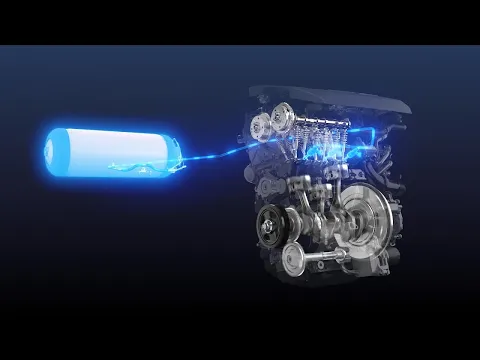

Corolla Toyota Engines Powered By Compressed Hydrogen Emit No CO2 During Use
In these blocks, combustion occurs at a higher rate than in gasoline blocks, resulting in good responsiveness. In addition to having excellent environmental performance, hydrogen engines also have the potential to deliver driving pleasure, including the sounds and vibrations that motor enthusiasts enjoy.
Toyota has long been working on innovating the technology of different types of propulsion systems. This also applies to production vehicles and the technologies that continue to improve through its participation in automotive competitions, a good example being the launch of the GR Yaris in 2020. When it comes to safety, the Japanese company aims to apply the technologies and knowledge accumulated through the development of fuel cell vehicles and the marketing of the Mirai, the world’s first mass-produced FCEV.
It is expected that the hydrogen-powered race car, prepared for track measurement, will refuel during the race using hydrogen produced at the Fukushima Hydrogen Energy Research Field in the city of Namie. In addition to trying to expand hydrogen infrastructure and promote the use of this fuel, Toyota also intends to continue working for the revitalization and economic recovery of the region.
With the goal of achieving carbon neutrality, the Japanese giant has strengthened its environmental initiatives by promoting hydrogen use, popularizing the FCEV and various other fuel cell-powered products. By further refining its hydrogen engine technologies through motorsport, Toyota aims for a better society based on hydrogen.
Air-Powered Hybrid Car From Citroën: In Recent Times, Several Projects Have Been Developed, Though None Have Reached The Market

At the Geneva Motor Show in 2013, Citroën presented an experimental version of the C3 characterized as a hybrid vehicle that, instead of using an electric motor for this function, featured a pneumatic motor powered by compressed air. Thus, it had an idea born in the 1950s.
The car was capable of running up to 70 km/h using only compressed air, with the gasoline engine, or a combination of both. In urban cycles, it consumed less than 3 liters per 100 kilometers. Eventually, the idea was abandoned or at least shelved.








Seja o primeiro a reagir!