





 Portuguese
  English
  Spanish
  4 min of reading
  0 comments


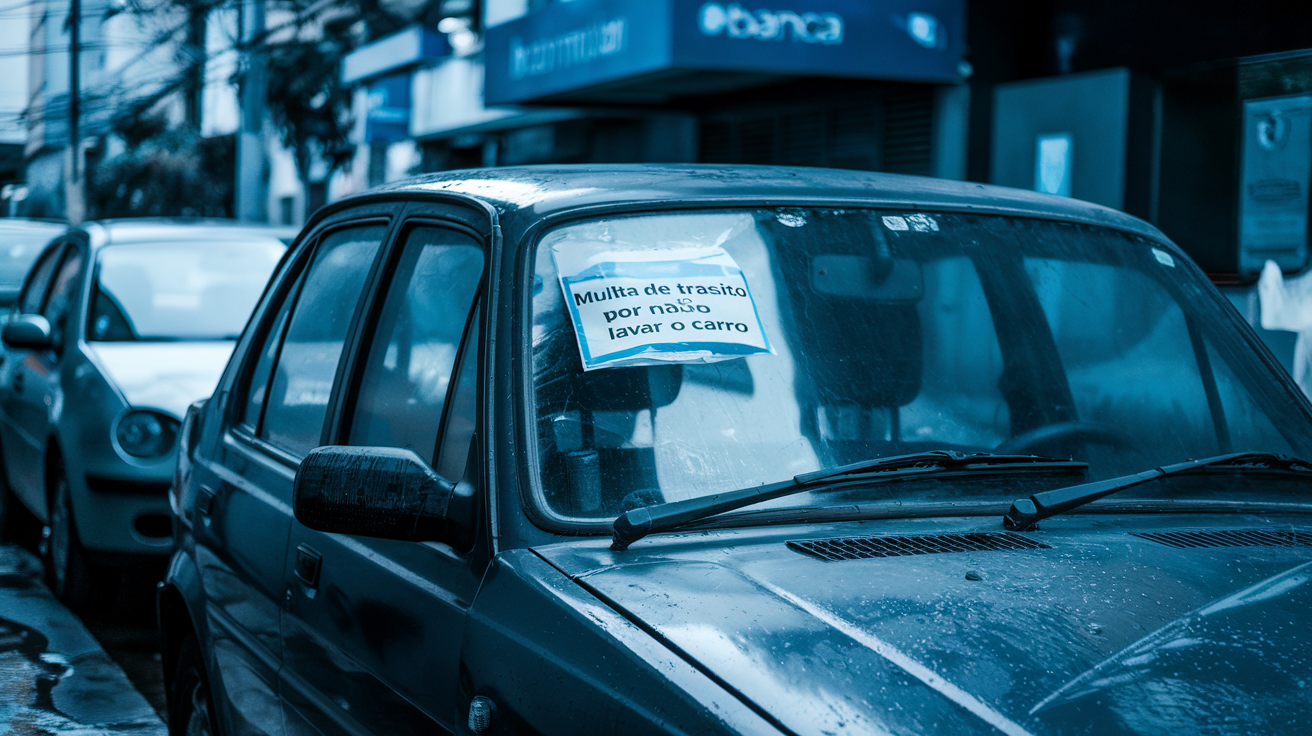
Car Owners Fined for Dirt? Find Out What the CTB Says About Dirt and Poor Maintenance. The Fine for Dirty Cars Can Surprise Millions of Drivers, check it out!
Taking care of vehicle maintenance is essential, but that alone is not enough to avoid fines. Visibility also plays a crucial role. According to the Brazilian Traffic Code (CTB), driving a car in conditions that compromise visibility, such as dirty windows or plates, can result in severe penalties. But is it really possible to get a traffic fine for a dirty car? In this article, we will explore the CTB guidelines and clarify everything about possible infractions related to car cleanliness.
Are Car Fines for Dirt Real? Check What the CTB Says?
The infractions include fines, points on the driver’s license, and, in some cases, the detention or removal of the vehicle. Dirty identification plates make it difficult for authorities to identify vehicles.
Fines for dirty cars under the CTB also include obstructed headlights and windshields, as they compromise the driver’s vision, increasing the risk of accidents. For traffic safety, it is essential that the driver has a full view around them; thus, fines for dirty cars help prevent accidents.
-
A French brand placed a car on four huge red balloons to prove that its suspension made the vehicle “float,” and the surreal scene became one of the most iconic and unusual images in automotive history.

-
Jeep Avenger begins production in Brazil, debuting as the brand’s new entry-level SUV and inaugurating an unprecedented phase by becoming the first national Jeep manufactured outside of Goiana, as part of a R$ 3 billion plan.
-
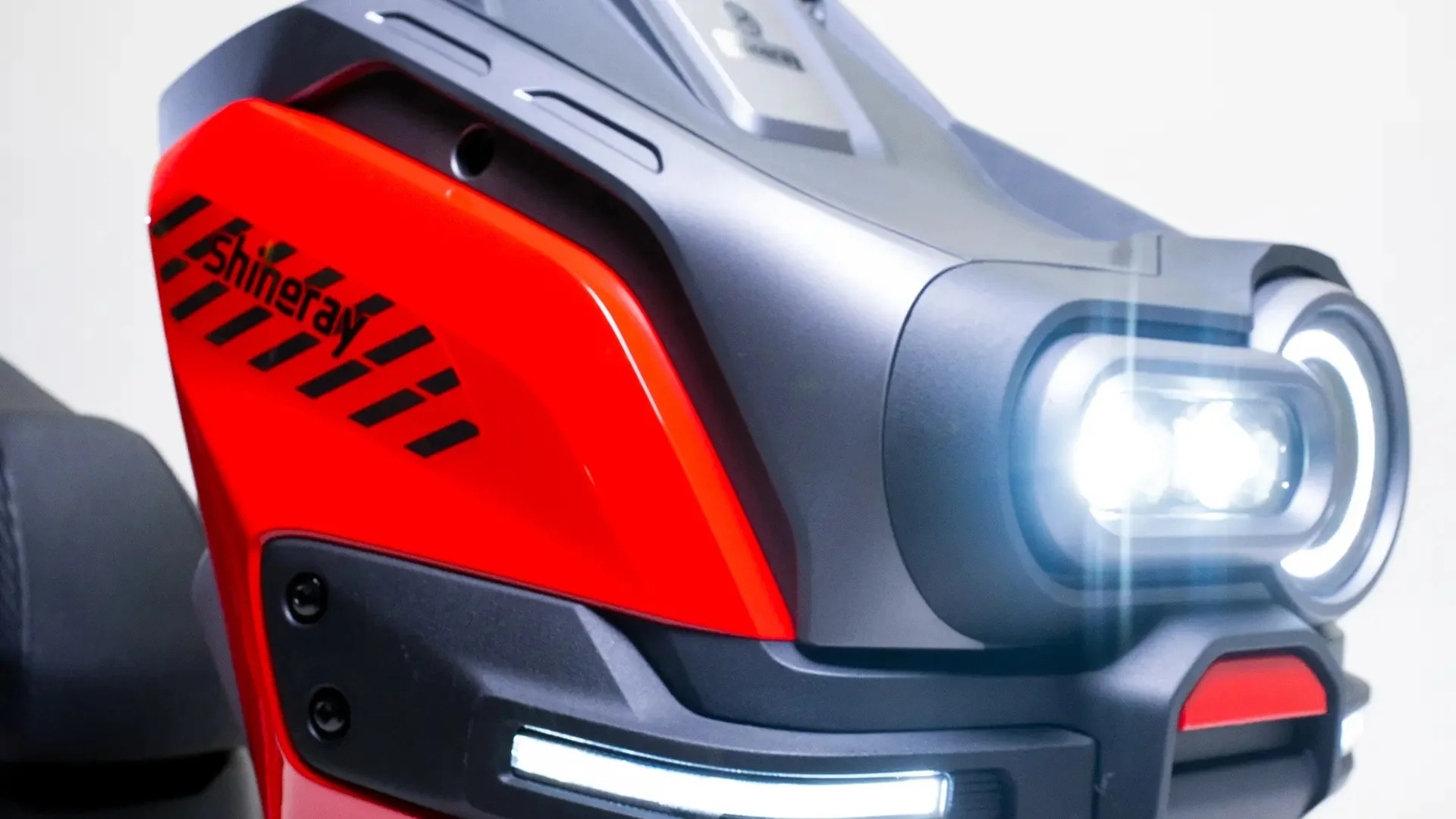
Costing R$ 12,490, the new Shineray Urban Lite 150 “cheap one” arrives in Brazil with a CVT transmission, digital dashboard, and LED lights, making it more affordable than the Biz and targeting those who want to abandon the bus.
-
Ducati brings to Brazil the Superleggera V4 Centenario: 228 hp that become 247 with a track kit, carbon fiber and carbon-ceramic brakes, estimated price between R$ 1.5 and 2 million, deliveries only in 2027.




According to Celso Alves Mariano, a traffic specialist, dirt on vehicles can obstruct total visibility, which is essential for avoiding accidents. He explains that dirty headlights can alter the focus of the lenses, blinding drivers in the opposite direction. This increases the risk of collisions, highlighting the importance of keeping a vehicle clean, or facing fines for dirty cars if failing to comply with CTB laws.
The CTB legislation is clear regarding visibility conditions. Illegible plates constitute a serious infraction, resulting in fines for dirty cars and vehicle impoundment. The fine can reach R$ 195.23. Additionally, article 230 of the CTB indicates that vehicles in poor maintenance conditions are also subject to fines. This occurs when the vehicle’s safety is compromised due to dirt.
- Identification Plates: According to article 230, clause VI, it is a serious infraction to drive a vehicle without legible plates or in conditions that make them difficult to read, including dirt that prevents identification. The penalty includes fines and retention of the vehicle until the issue is resolved.
- Compromised Visibility: Article 169 of the CTB mentions a minor infraction for situations that pose a risk to traffic safety, such as driving with dirty windows to the point of compromising the driver’s visibility.
Proposed Penalties:
- Illegible Plate: Fine of R$ 293.47 and 7 points on the driver’s license (serious infraction).
- Compromised Visibility: Fine of R$ 88.38 and 3 points on the driver’s license (minor infraction).
Therefore, while superficial dirt is not grounds for fines, keeping essential vehicle items clean and visible is crucial to avoid issues with law enforcement.
What Does the Article of the CTB That Fines for Dirty Cars Say?
The law is clear regarding vehicle care, stating that driving a vehicle with an illegible plate constitutes a serious infraction, resulting in fines and impoundment. A vehicle without mandatory or inefficient equipment is a serious infraction subject to fines.
A vehicle in poor condition is a serious infraction, incurs fines, and may be retained for regularization. Excessive dirt in the car can result in fines for multiple reasons. Thus, in addition to keeping the vehicle in good mechanical condition, it is necessary to ensure it is clean and visible.
It is worth noting that, although the CTB may impose fines for dirty cars, municipal decrees can also affect drivers’ lives. For example, the municipal decrees 5.354/2011 and 6.094/2014 from Congonhas, Minas Gerais, establish that driving on the city’s streets and avenues with vehicles through dirt caused by the deposition of mineral waste is prohibited throughout the year.
Being Fined for a Dirty Car Is Just One of the Most Curious Laws in the CTB
Getting fined for a dirty car may seem quite peculiar, but the CTB has 341 articles, and it is no surprise that the document includes some fines that hardly anyone knows about. So, we have listed some behaviors that, despite our imagination, can result in curious fines.
One of society’s major vices is smoking, and driving while smoking is considered a traffic infraction if the driver is behind the wheel. One possible explanation is that the driver would have to take one hand off the wheel unnecessarily. Committing this error results in 4 points on the driver’s license and an additional R$ 130 in fines.
One of the fines that is rarely mentioned is for honking for too long. Honking for more time than necessary to give a warning becomes a minor infraction with 3 points on the license and an additional R$ 88.38 in costs.









Seja o primeiro a reagir!