





 Português
  Inglês
  Espanhol
  4 min de leitura


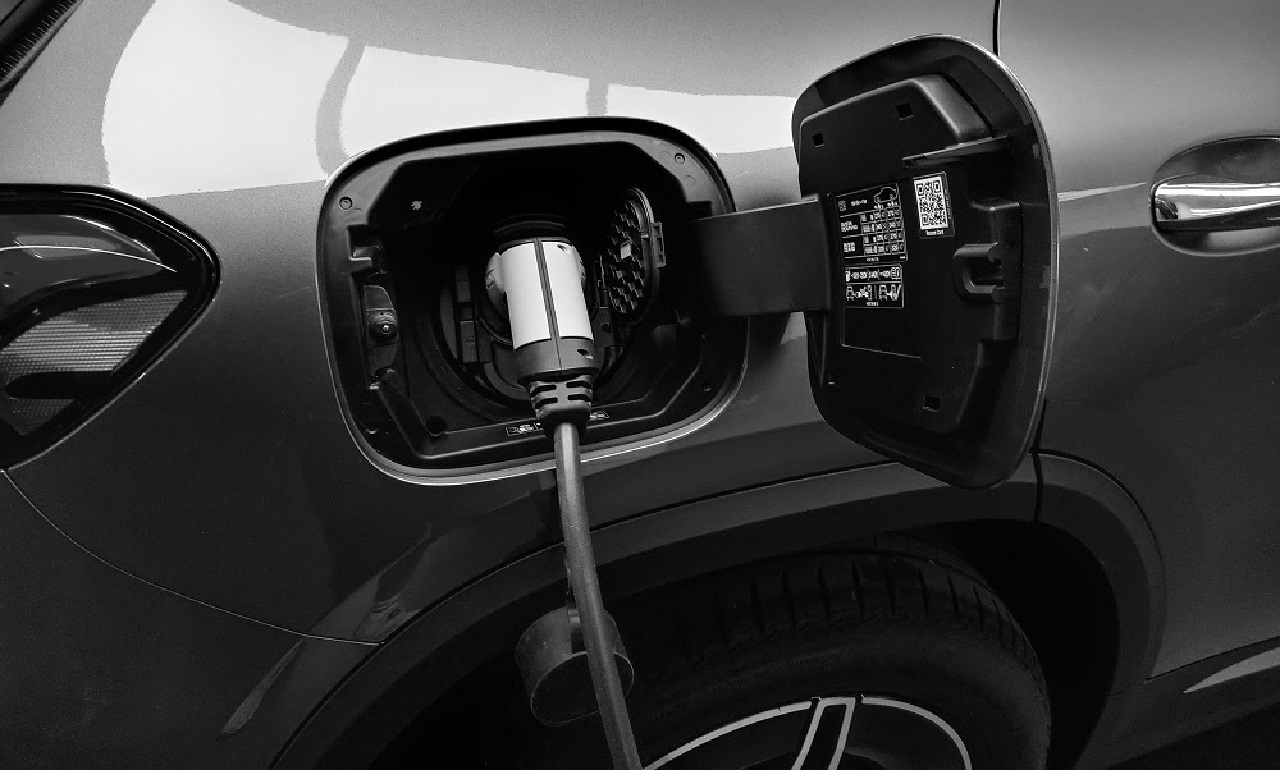
Electric Vehicles Saw a 78% Increase in Sales Compared to the First Four Months of 2021
The popularization of electric cars in Brazil is slow due to their high cost for the end consumer. Nevertheless, while sales of combustion cars fell by 22% in the first four months of the year compared to 2021, electric sales increased by 78%, which represents a total of 13,000 units sold during the period. Worldwide, this progress occurs at a faster pace: at the beginning of the month, the European Union approved a project banning the sale of combustion engines starting in 2035.
Trust and interest in this type of vehicle increase year after year: in the results of this year’s EY Mobility Consumer Index (MCI), for the first time, more than half (52%) of respondents planning to buy a car said they would choose a hybrid or electric model. This percentage represents an 11% increase compared to 2021 and a 22% increase when compared to 2020.
Check out 6 other curiosities about electric cars, their operation, and trends in the field of electromobility, explained by engineer and specialist from the research, technology, and innovation center Lactec, Carlos Gabriel Bianchin.
-
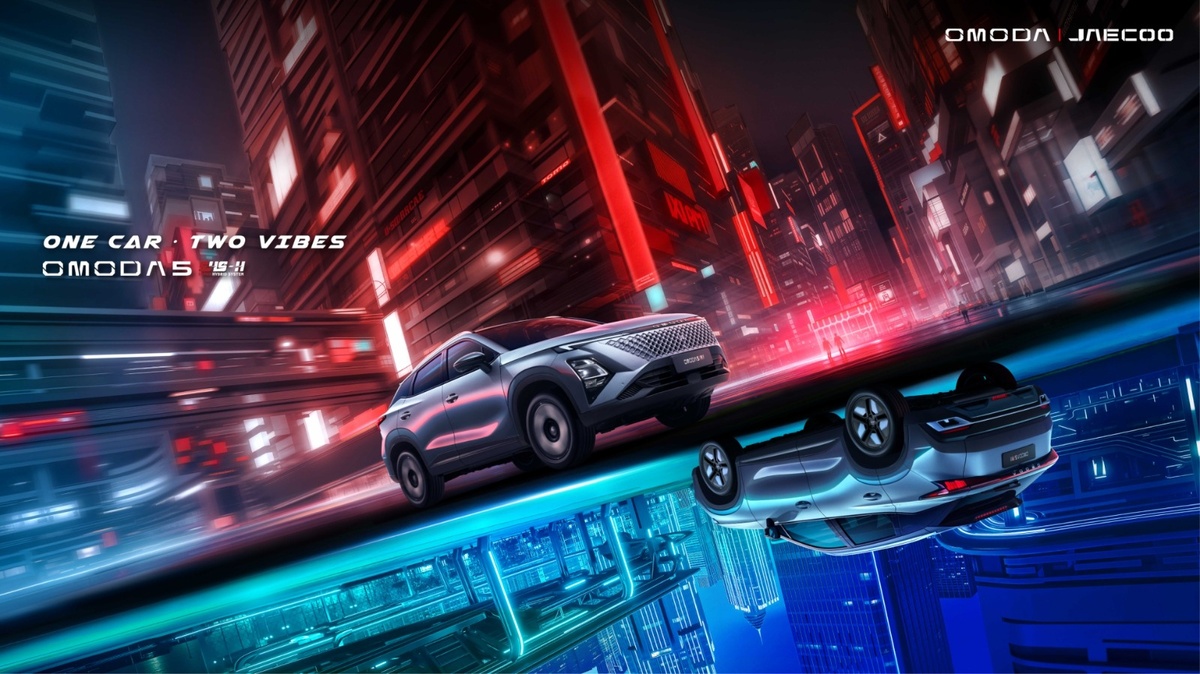
OMODA & JAECOO grows in Europe in 2026 with an integrated strategy of sales, innovation, local production, and technological advancement in the United Kingdom, Italy, and Spain.
-
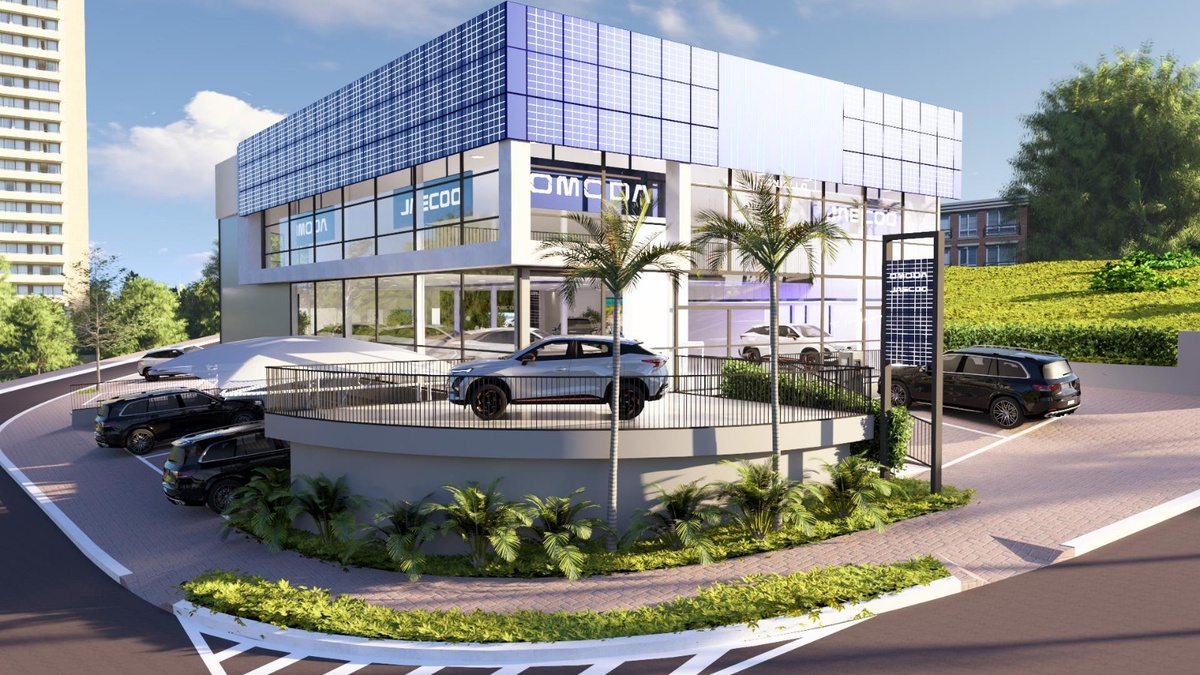
OMODA & JAECOO expands after-sales service in Brazil with competitive maintenance, a 7-year warranty, and high availability of parts for technological SUVs.
-
OMODA & JAECOO appoints Alessandra Souza as executive marketing director in Brazil and accelerates brand expansion with a focus on innovation, networking, and hybrid portfolio.

-
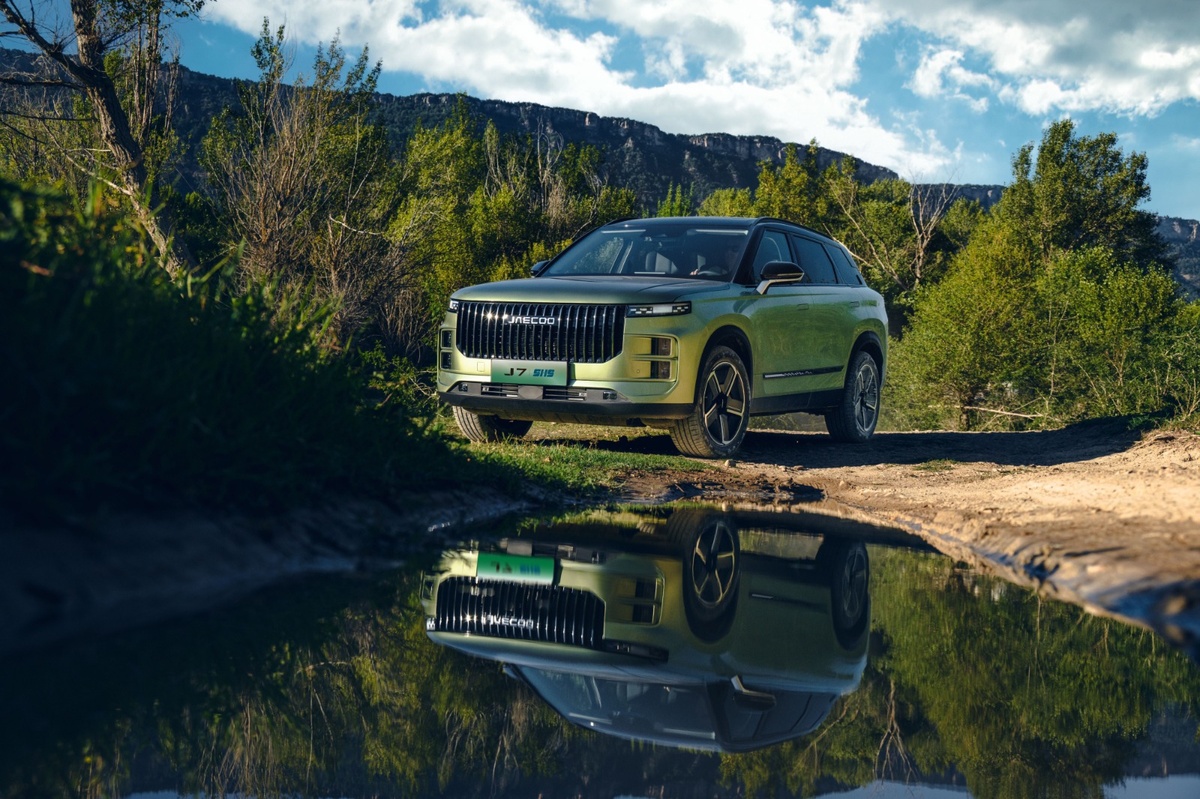
Jaecoo 7 with super hybrid SHS system exceeds 1,200 km of combined range with a 1.5 turbo engine, high-density battery, and intelligent energy management.

1 — Do Electric Cars Require Less Maintenance?
According to automakers, an electric car has 20% of the parts of a combustion vehicle, which means that yes, its maintenance cost is significantly lower. It basically consists of calibration processes and inspection of the electrical systems, which do not include elements like oil filters, spark plugs, and engine oil.
2 — How Long Does It Take to Recharge an Electric Car Battery?
The battery manufacturing systems vary among different manufacturers. Therefore, it is difficult to specify a time for battery recharging. It depends on its capacity, current state of charge, power of the charging station, and also the power of the internal or external charger. There are newer models developed to recharge 80% of the total battery capacity in five minutes. Meanwhile, others may take three, four, or even ten hours.
3 — Can the Battery Be Reused When It’s No Longer Useful for the Car?
In theory, yes. Because even a battery that no longer has full charge capacity for a car can adequately supply the energy demand of a house, which is much lower. However, there is currently no methodology that allows for this reuse in a more simplified way that can be applied by consumers. Lactec, for example, is involved in projects aimed at developing this possibility.
4 — Is It Possible to Make an Autonomous Electric Car That Recharges with Solar Panels?
The solar panels have a very low energy efficiency for this purpose. They convert, on average, 15% of the solar energy they receive. To supply a car, a very large panel would be needed. However, they can be used in electric vehicles to power accessories, alarms, lighting, or even a backup battery.
5 — If All of Brazil Switched to Electric Vehicles, Would There Be a Power Shortage?
If the country replaced its entire fleet with electric vehicles, its electricity consumption would increase by 6%, according to studies. Considering that energy consumption in Brazil increases by about 5% each year, it would not be a severe issue. Regarding prices, since the jump would be small, it is estimated that there would not be a significant increase in demand or pressure on energy prices.
6 — Can the Vehicle Be Charged in the Rain?
Yes. The charging stations and how they were designed allow them to be used in the rain and exposed to the elements. In Europe, for example, it is very common for charging stations to be located on the shoulders of roads without any type of coverage. Electricity only flows when the connector is perfectly fitted and the vehicle has authorized the charging (communication handshaking). Therefore, there is no risk of electric shock.
About Lactec
Lactec is one of the largest research, technology, and innovation centers in Brazil. It operates strongly in the markets of Energy, Environment, Industry, Electric Mobility, and Connectivity throughout the entire innovation cycle; from R&D, testing, and analysis to the execution of complex processes for the infrastructure sector. For over 60 years, its solutions and services meet the current demands of various productive sectors of the Brazilian economy, such as companies, industries, and energy utilities. Learn more at: lactec.org.br.









Seja o primeiro a reagir!