





 English
  Francês
  Alemão
  Italiano
  Japonês
  Norueguês
  Portuguese
  Spanish
  6 min of reading
  0 comments


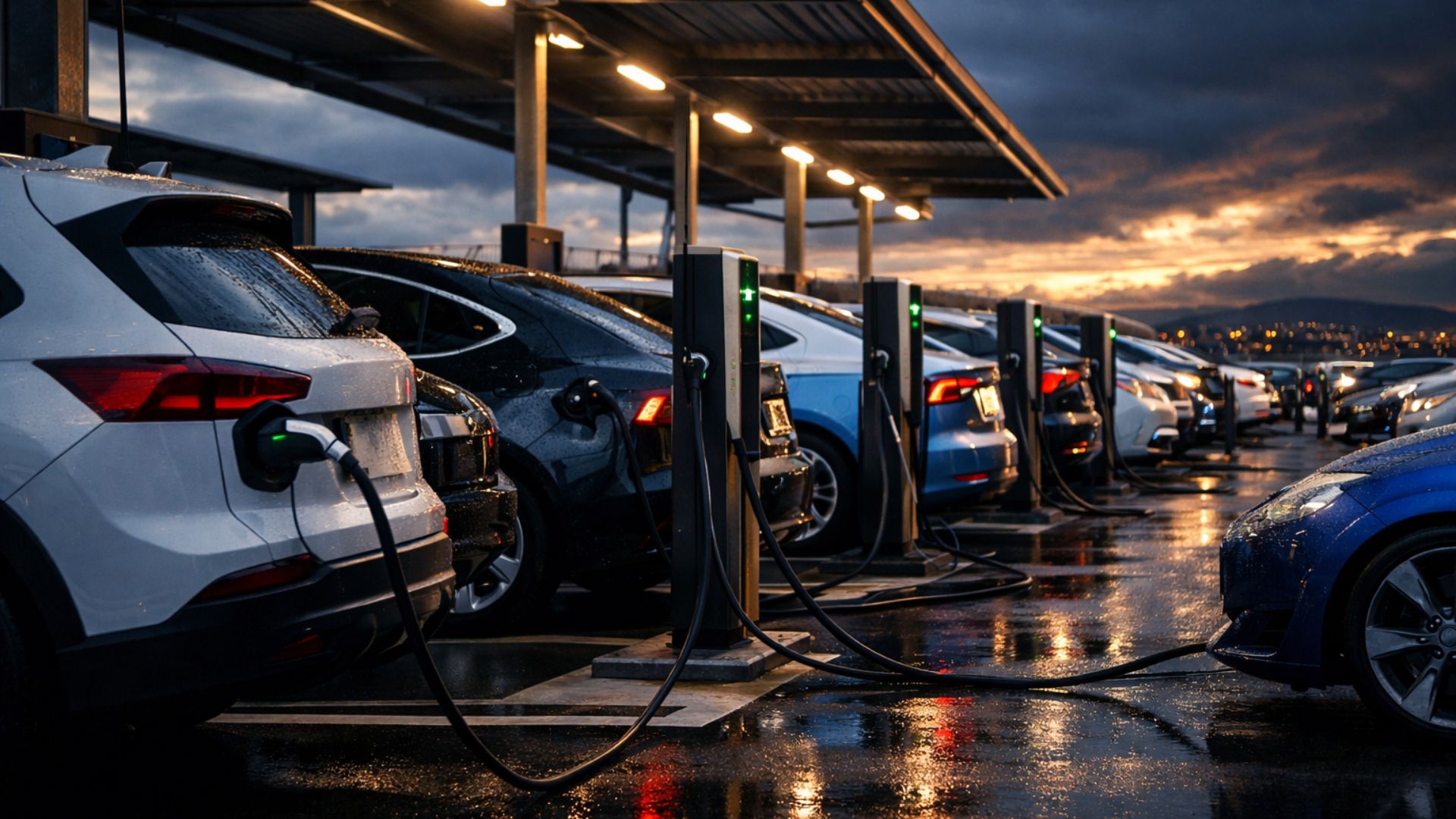
Electric Cars Gain Ground in Brazil with Lower Energy Costs, Offering Savings to Drivers, Despite Challenges with Infrastructure and Access to Recharging in the Country.
The advancement of electric cars in Brazil is already causing concrete changes in urban mobility, energy consumption, and the way drivers plan their journeys. According to a publication by the Market Monitor this Tuesday (240, in 2026), the electrification of the fleet is gaining strength with tax incentives, a greater supply of models and gradual expansion of recharging points, creating a transformative scenario in the automotive sector.
The introduction of these vehicles involves more than just replacing combustion engines with electric systems. The growth of electric mobility requires adaptations in energy infrastructure, urban planning, and circulation regulations. The role of the Federal Government, the Ministry of Mines and Energy, and the National Traffic Council (Contran) is crucial in organizing this process, seeking to ensure technical safety and regulatory predictability.
At the same time, the promise of lower operational costs attracts consumers’ attention. The possibility of recharging the vehicle at home, combined with the lower cost per kilometer driven, makes it increasingly likely that more Brazilians will consider this technology a viable alternative for everyday use.
-
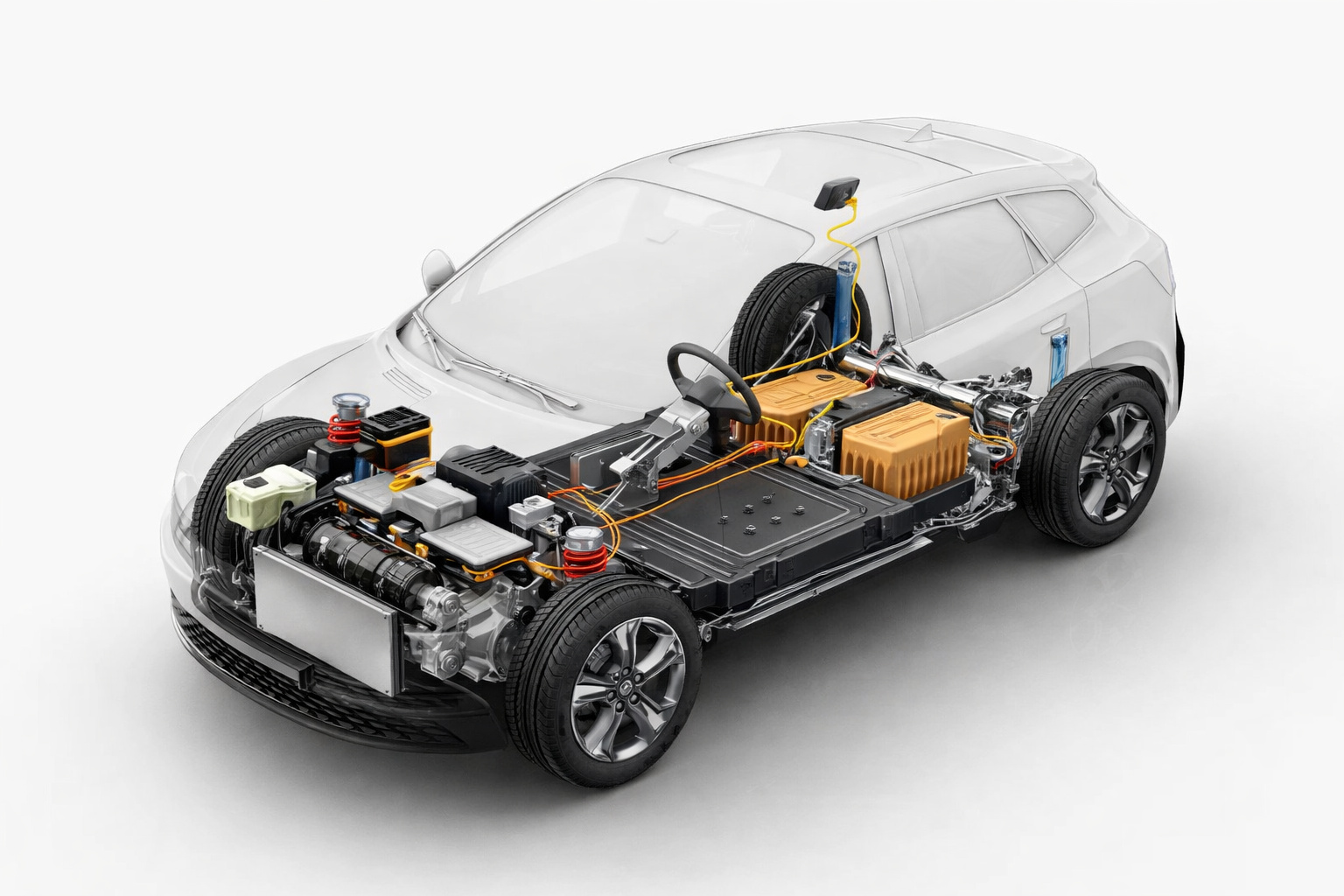
China Surprises Automotive Industry With Battery That Promises Electric Car Able to Run Up to 1,000 km Without Recharge
-
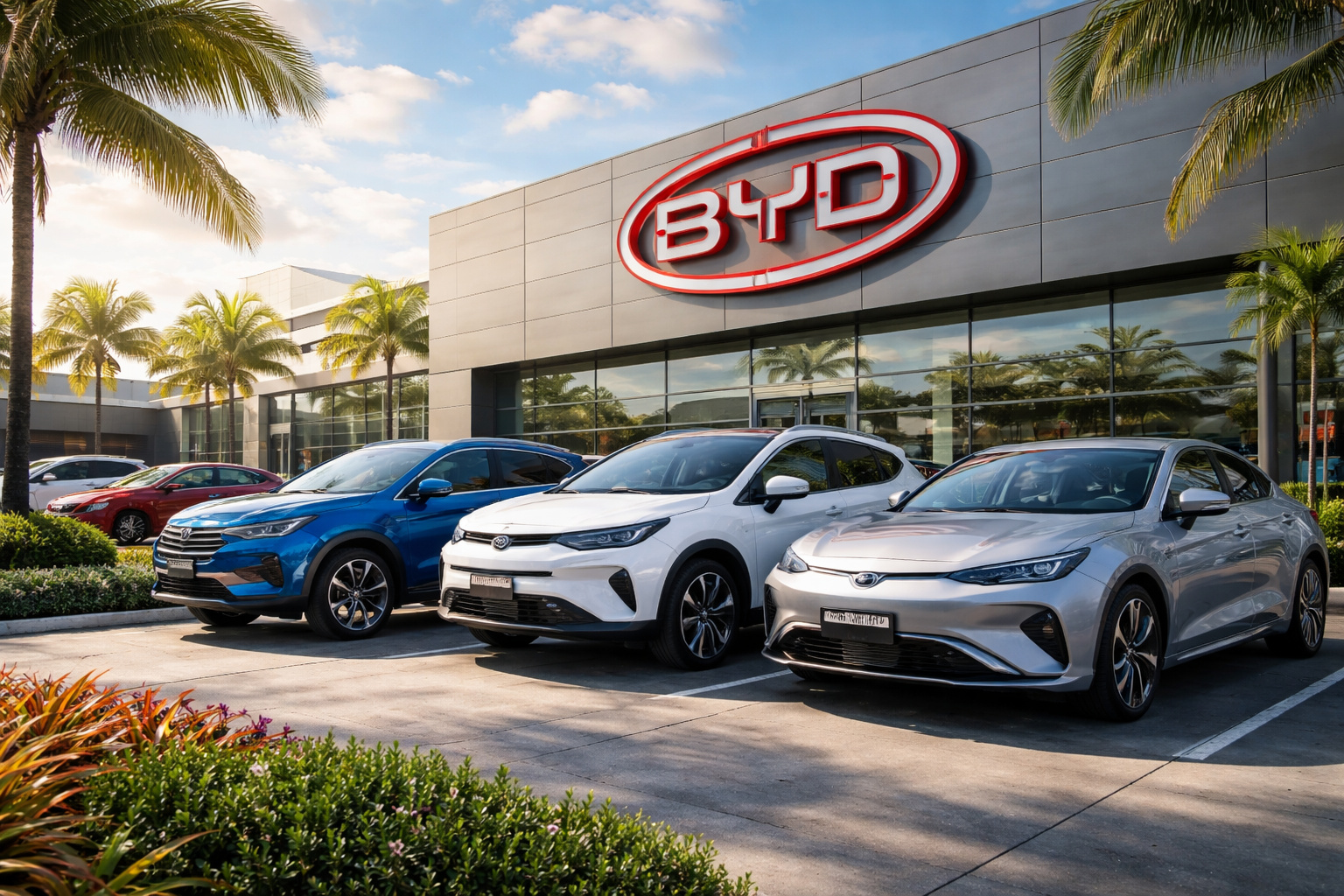
Why BYD Grew So Fast in Brazil and How Blade Batteries, Electric Cars, and Industrial Incentives Shaped This Expansion in the National Automotive Sector
-
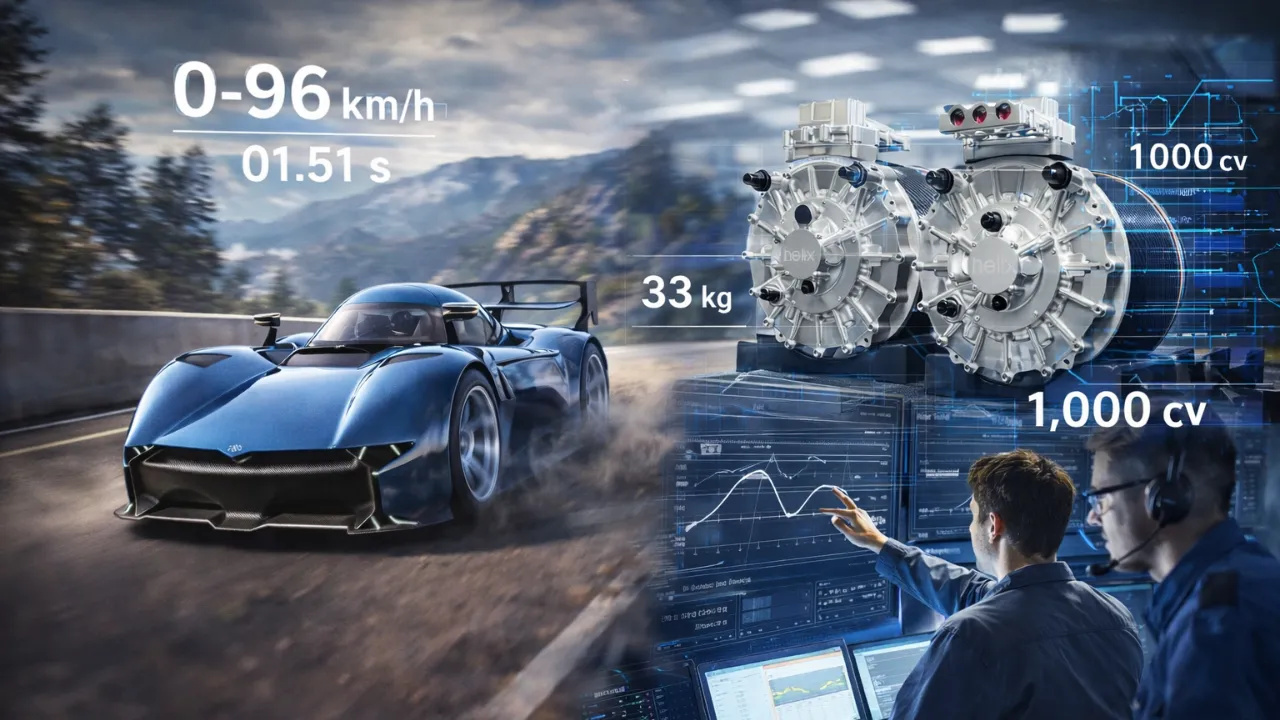
This Helix Electric Motor Weighs Only 33 Kg and Turns the McMurtry Spéirling Into a Compact 1,000 Hp Missile That Takes Just 1.5 Seconds to Reach 100 Km/H
-
Recycling Electric Car Batteries Becomes The New “Urban Mine” And Opens A Global Race For Lithium, Nickel, And Cobalt — Whoever Dominates Now Could Control A $70 Billion/Year Market By 2040
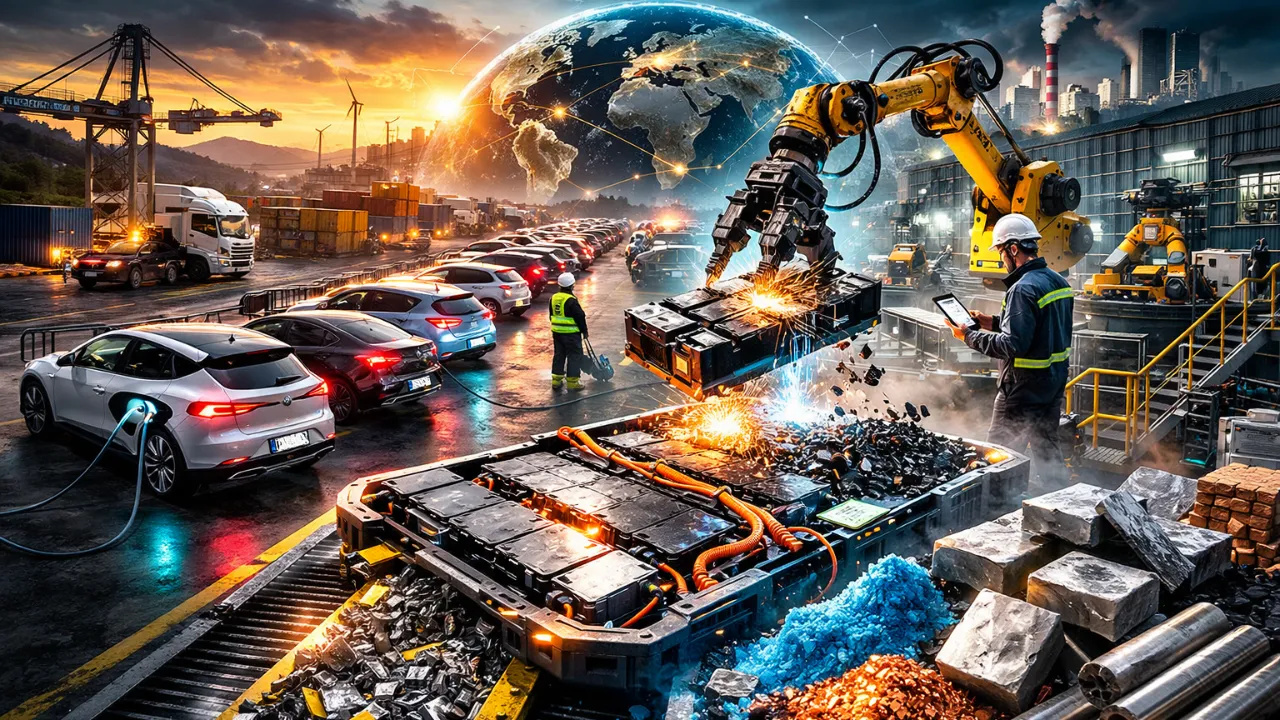

Nevertheless, the expansion still occurs unevenly. Major urban centers concentrate most of the charging points, while smaller regions depend on additional investments to enable large-scale adoption.
Expansion of Electric Cars in Brazil Changes Urban Mobility Patterns
The insertion of electric cars in Brazil occurs gradually and systematically, with increasing participation from automakers, dealerships, and energy distributors. The increased supply of models has widened the available options and made the market more competitive.
This process involves a simultaneous adaptation across different sectors. The automotive industry is investing in new technologies while the electrical system is preparing to meet the growing demand. Distributors are working to prevent overloading on the grid, especially in urban areas with higher concentrations of home recharges.
For the driver, the feasibility analysis includes factors such as real autonomy, total cost of ownership, and availability of recharging. The evaluation has shifted from being purely technical to incorporating economic and practical aspects of daily use.
The integration between the electrical sector, regulatory bodies, and the automotive industry is considered essential for ensuring stable supply and sustainable growth. Without this coordination, progress could pose technical and operational risks.


Cheaper Energy Can Reduce Drivers’ Expenses in Daily Life
One of the main attractions of electric vehicles is the reduced operational cost. The use of electricity allows for lower expenses per kilometer driven compared to traditional fuels.
For the driver, savings mainly appear in refueling. Home recharging has become the most common alternative, allowing for better control over monthly costs and reducing reliance on fuel stations.
Furthermore, electricity offers greater price stability compared to gasoline and ethanol in Brazil. This predictability facilitates financial planning and lessens the impact of fluctuations in fuel markets.
Another relevant factor is energy efficiency. Electric motors convert a larger portion of the energy consumed into movement, which increases productivity and decreases waste.
The sum of these factors often makes the total cost of use lower over the years, even when the initial price of the vehicle is higher.
Environmental and Urban Benefits of Electric Mobility
The expansion of electric vehicles brings positive impacts to the urban environment. The absence of local emissions contributes to improving air quality, especially in areas with heavy traffic.
This change can reduce respiratory problems associated with air pollution in major cities in Brazil, bringing indirect benefits to public health.
Another relevant aspect is the reduction of noise. Electric vehicles operate at lower sound levels, improving comfort in densely populated areas.
The use of electricity also supports sustainability policies. The Brazilian electrical matrix has a high participation of renewable sources, which enhances the environmental benefits of electrification.
This combination makes electric mobility an important tool for reducing the environmental impacts of individual transportation.

Recharge Infrastructure Grows Slowly and Limits Electric Cars in Brazil
Despite the advancement of electric cars, the charging infrastructure still represents one of the main challenges in Brazil. Most charging stations are located in capitals and metropolitan regions, creating inequality in access to technology.
This limited distribution makes long trips difficult and can create insecurity for the driver, especially on highway routes where charging points are less frequent.
The expansion of the network depends on public and private investments. Companies in the electrical sector and charging operators have been gradually increasing their offerings, but growth is still considered slow compared to potential demand.
Another important factor is the need for smart grids. The increase in energy consumption requires systems capable of balancing electric loads, avoiding overloads during peak hours.
Without this modernization, the expansion of electric mobility may face technical limitations.
What Drivers Should Evaluate Before Buying an Electric Car
The decision to acquire an electric vehicle involves a careful analysis of different aspects. The driver needs to consider economic, technical, and operational factors before making a purchase.
Among the key points evaluated are:
Purchase price compared to combustion models.
Real autonomy on urban and highway trips.
Availability of public charging points.
Maintenance costs and battery replacement.
Tax benefits such as exemptions or reductions.
These criteria help consumers determine if the technology is suitable for their routine.
The analysis of energy consumption is also essential. Vehicles with higher efficiency can significantly reduce monthly costs.
Additionally, usage profile directly influences economic viability. Drivers who travel long distances tend to notice savings more quickly.

Technical Standards and Care with Residential Electricity
The use of electric vehicles requires attention to technical and legal aspects. The owner must ensure that the electrical installation is prepared to safely handle energy recharging.
For the driver, this verification is essential to avoid problems such as overload and short circuits. Adequate home electrical networks also improve charging efficiency.
Compliance with Contran and state Detran regulations ensures regular circulation and legal protection for the owner.
Another important point is specialized maintenance. Electrical systems require trained professionals, which still poses a challenge in some regions of Brazil.
As the market expands, the trend is for the number of specialized workshops to gradually increase.
The Future of Electric Cars Depends on Public Policies and Investments
The growth of electric cars in Brazil depends on public policies capable of stimulating investments and broadening access to technology.
Government programs can facilitate purchases through tax incentives and financing options. These measures help reduce the initial cost and make vehicles more accessible.
It is also essential to expand the recharging infrastructure. Installing charging stations on highways, in urban centers, and in commercial establishments increases consumer confidence.
Investing in technological research is also considered strategic. Domestic development can lower costs and increase sector competitiveness.
The combination of incentives, infrastructure, and innovation tends to consolidate electric mobility as one of the main transformations in transportation over the coming decades.
As technology evolves, the trend is for more consumers to consider electric vehicles a viable option for daily use. The reduction of operational costs, combined with environmental benefits, is expected to continue driving sector growth.









Seja o primeiro a reagir!