





 Portuguese
  English
  Spanish
  4 min of reading
  0 comments



See Which Electric Cars Are Coming to Brazil in 2026, with Confirmed Launches and Best Value Bets.
The year 2026 is expected to mark a turning point for Electric Cars in Brazil. Global automakers are accelerating launches, expanding bets in new segments, and aiming for volume, price, and value for money.
This movement is occurring across the automotive market, which is leaving the experimental phase and entering a more mature cycle of electrification.
Compact SUVs, urban hatches, and efficient sedans emerge as protagonists. Additionally, new platforms and cheaper batteries bolster brands’ strategies to gain scale in the country.
-
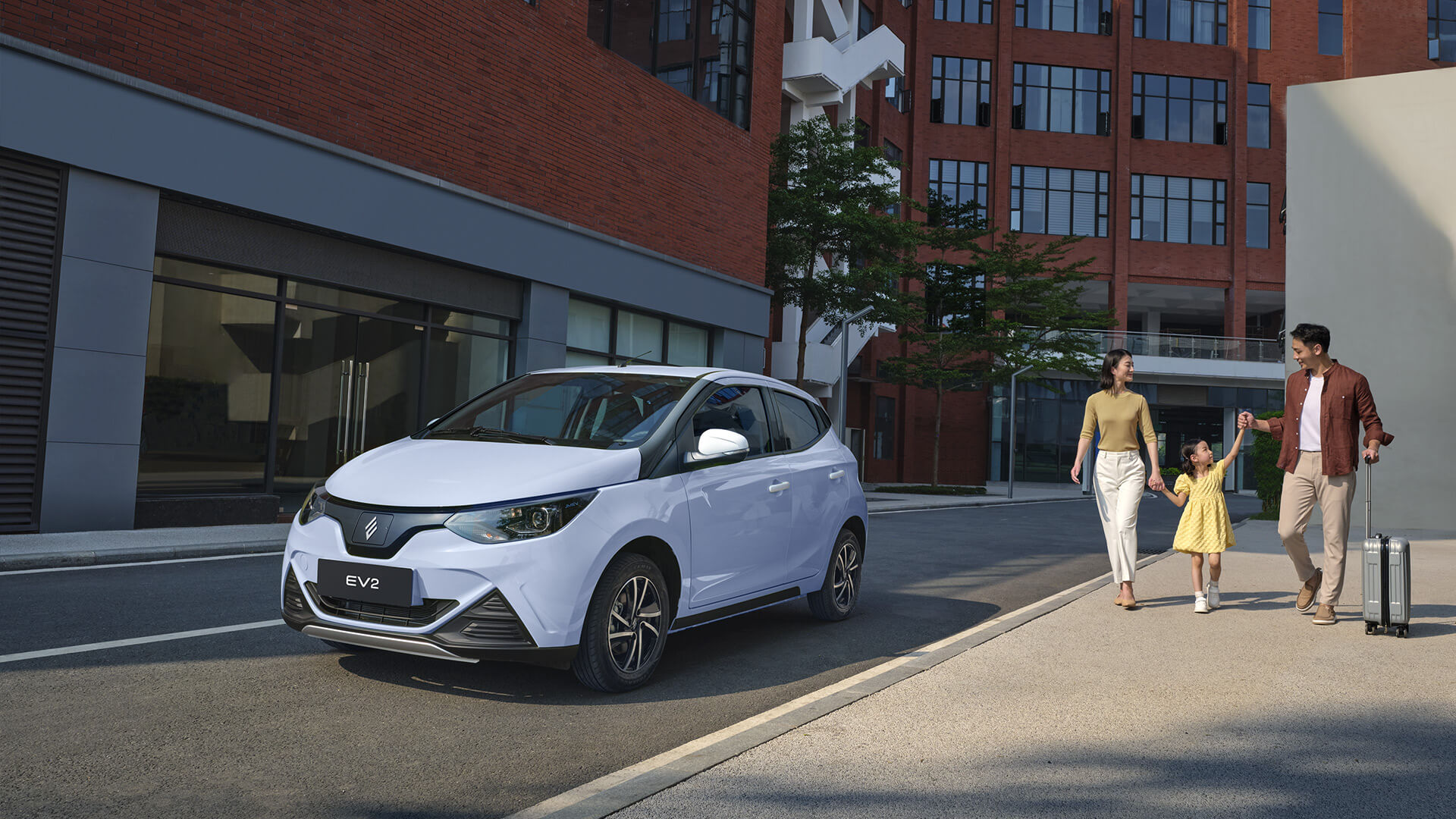
Goodbye expensive popular car: electric vehicle for less than R$ 70,000 starts being sold in Brazil with a range of 200 km and targets those looking to escape gasoline.
-
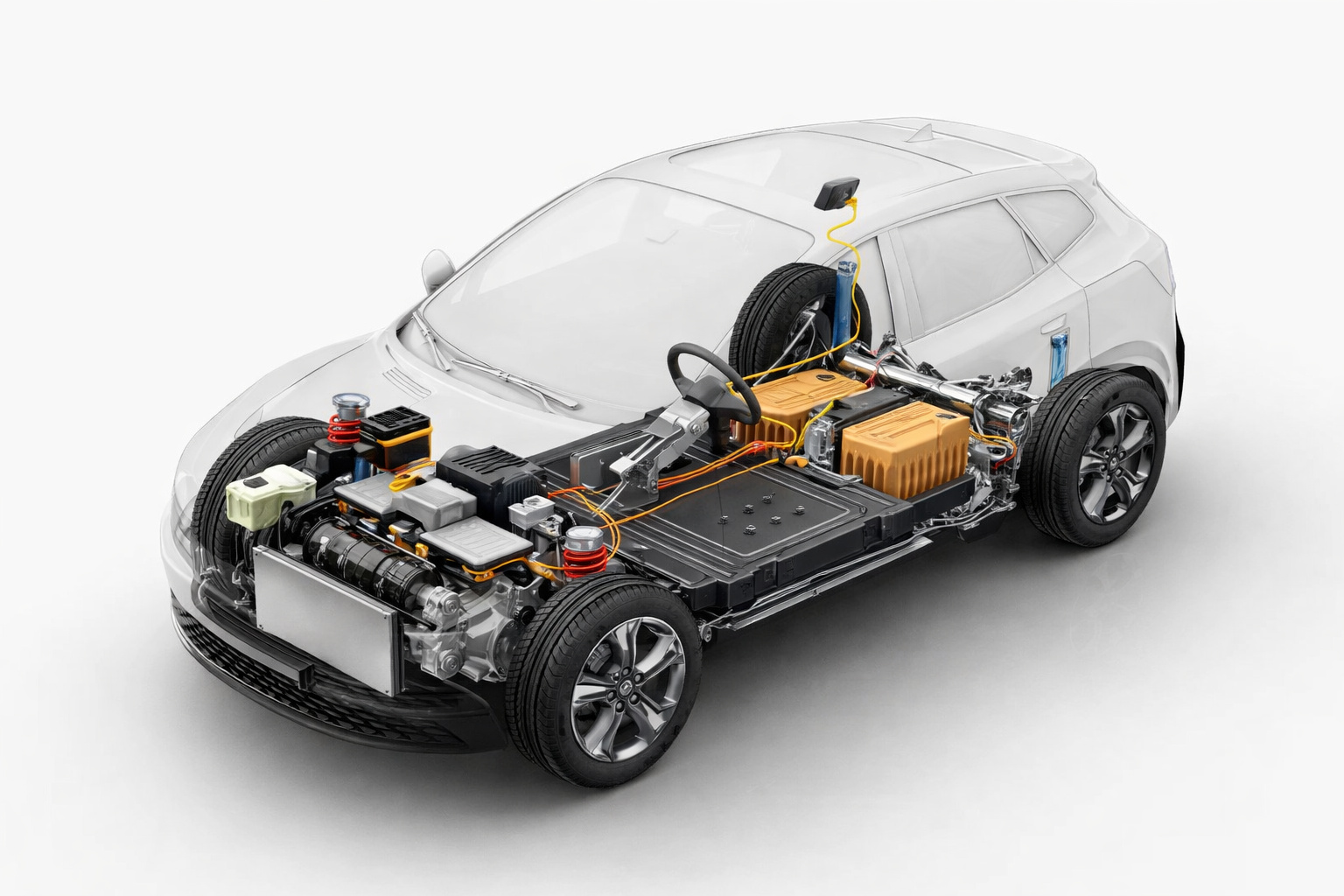
China Surprises Automotive Industry With Battery That Promises Electric Car Able to Run Up to 1,000 km Without Recharge
-
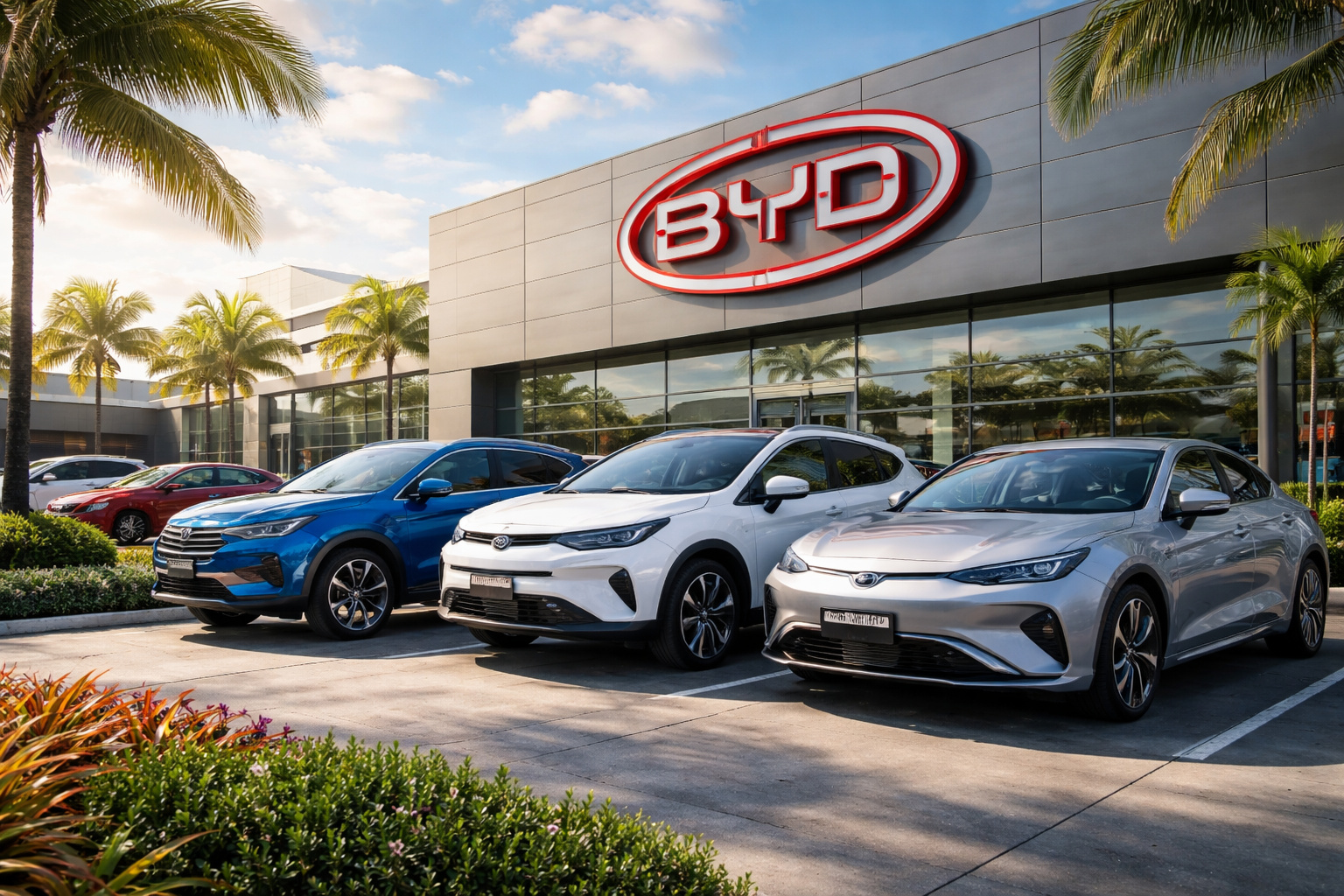
Why BYD Grew So Fast in Brazil and How Blade Batteries, Electric Cars, and Industrial Incentives Shaped This Expansion in the National Automotive Sector
-
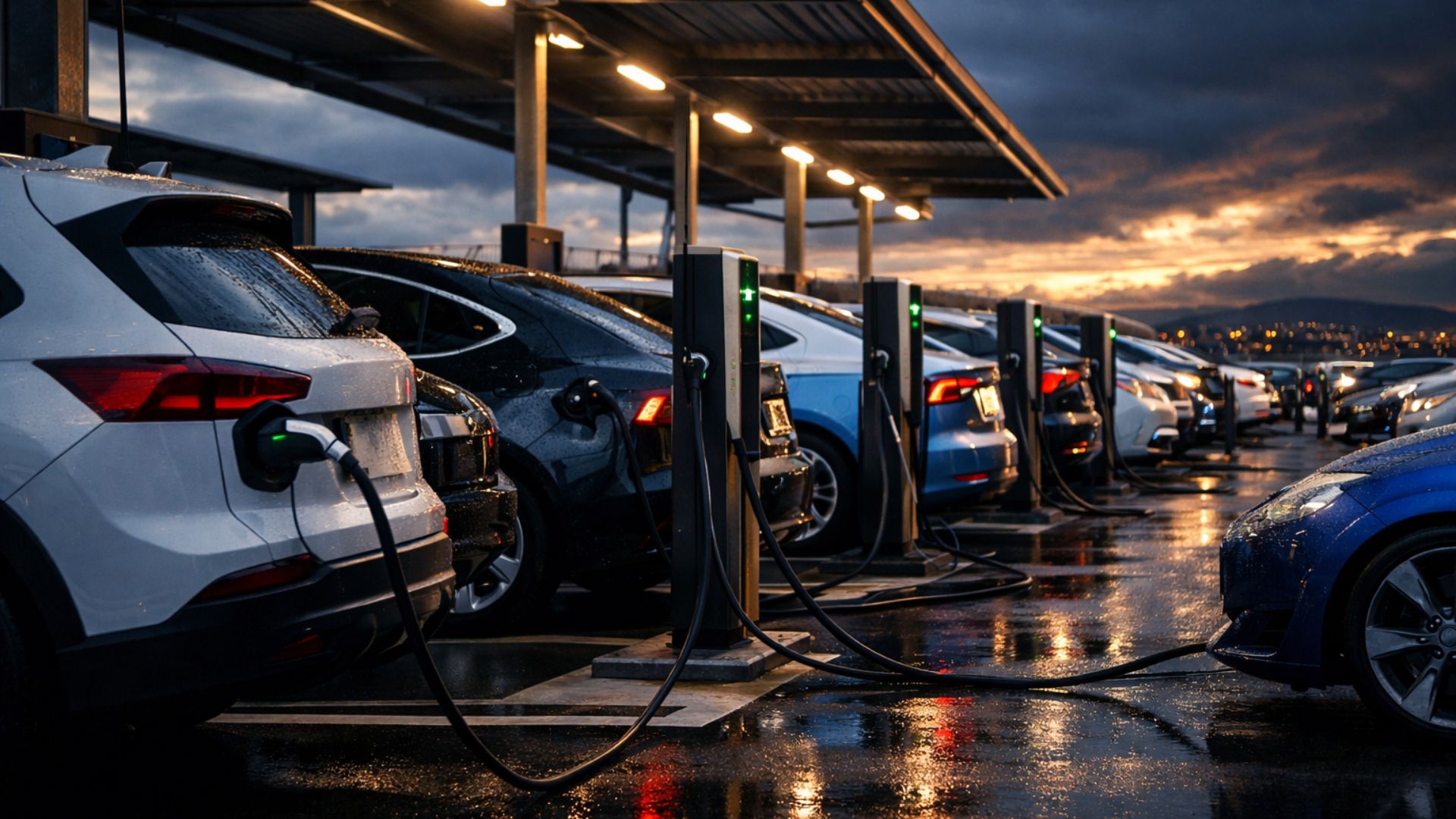
Electric Cars Make Progress in Brazil in 2026 and Promise to Reduce Drivers’ Costs with Cheaper Energy, While Infrastructure Grows Slowly Across the Country

Confirmed Launches of Electric Cars for 2026
Among the models with a virtually certain arrival, the Kia EV3 stands out as a key piece. The brand has confirmed the compact electric SUV for 2026, targeting the most contested segment of the market.
The EV3 features a front motor with 204 hp. Furthermore, it offers batteries of 58.3 kWh or 81.4 kWh, with a range of up to 605 km in the WLTP cycle. Thus, the model combines efficiency with a family-oriented proposal.
Another strong contender is the GAC Aion UT. The electric hatch is already undergoing testing in Brazil and aims for an urban proposal focused on value for money.
The basic version delivers 134 hp and about 400 km of range. Meanwhile, the more powerful version reaches 204 hp and a range close to 500 km in the NEDC cycle.
Electric Sedans Elevate the Technology Level
In the premium segment, the Mercedes-Benz CLA Electric symbolizes the brand’s new generation. The model debuts the MMA platform and prioritizes energy efficiency.
The CLA 250+ version offers up to 792 km of WLTP range. Moreover, the 800V architecture allows recovery of hundreds of kilometers in just a few minutes of charging.
With this, Mercedes reinforces its bet on high-performance electric vehicles. The model also serves as a technological showcase for the Brazilian automotive market.
Electric Hatches Focus on Efficiency and Price
The MG4 Urban represents a clear evolution in the compact segment. The model grows, gains a new structure, and debuts semi-solid battery technology.
The stated consumption is among the lowest in the category. Thus, the MG4 Urban enhances the pursuit of better value for money among electric vehicles.
The GWM Ora 5 EV marks the brand’s entry into the realm of compact electric SUVs. The model delivers 204 hp and up to 580 km of range in the CLTC cycle.
Additionally, it focuses on a strong technological package. Advanced assistance systems elevate the segment’s standards.
Large Electric SUVs Expand Their Presence in Brazil
The Leapmotor C16 has already been showcased in Brazil and reinforces the strategy of family-oriented electric SUVs. The model offers 100% electric versions and options with range extenders.
In the electric configuration, the range reaches 630 km CLTC. Meanwhile, the version with a generator focuses on versatility and reduced charging anxiety.
In this way, Leapmotor expands its bets in the national automotive market. The model caters to families and fleet operators.
Global Electrics That May Arrive in Brazil
Among the models already presented abroad, the BMW iX3 Neue Klasse emerges as a strong candidate. The SUV debuts a dedicated platform and abandons adapted solutions.
The stated range reaches 800 km WLTP. Moreover, ultra-fast charging drastically reduces downtime.
Another relevant name is the Peugeot e-3008. The medium electric SUV combines coupe design with aerodynamic efficiency.
With batteries of up to 98 kWh, the model achieves 700 km WLTP. Therefore, it fits well into the Brazilian reality.
Bets on Electric Cars That Would Make Sense in Brazil
Among the bets, the Leapmotor A10 draws attention for its price and proposal. Developed for export, the compact SUV promises up to 500 km CLTC.
Fast charging recovers a significant portion of the range in just a few minutes. Moreover, the use of LFP batteries reduces costs.
The Renault Twingo Electric also appears as a candidate. The urban model targets large centers and lower operational costs.
Finally, the Volkswagen ID. Polo emerges as the electric successor to the brand’s most popular hatch. The proposal combines compact dimensions and a more affordable price.
What Changes in the Automotive Market with These Launches
The advancement of electric cars in 2026 indicates a strategic shift. Automakers are moving away from focusing solely on niches and are aiming for scale.
Additionally, value for money is becoming a priority. Greater range, fast charging, and more competitive prices are entering the center of decision-making.
Thus, the Brazilian automotive market is preparing for a new phase. In 2026, electric cars will cease to be a promise and will become a reality.









-

Uma pessoa reagiu a isso.