





 Portuguese
  English
  Spanish
  3 min of reading


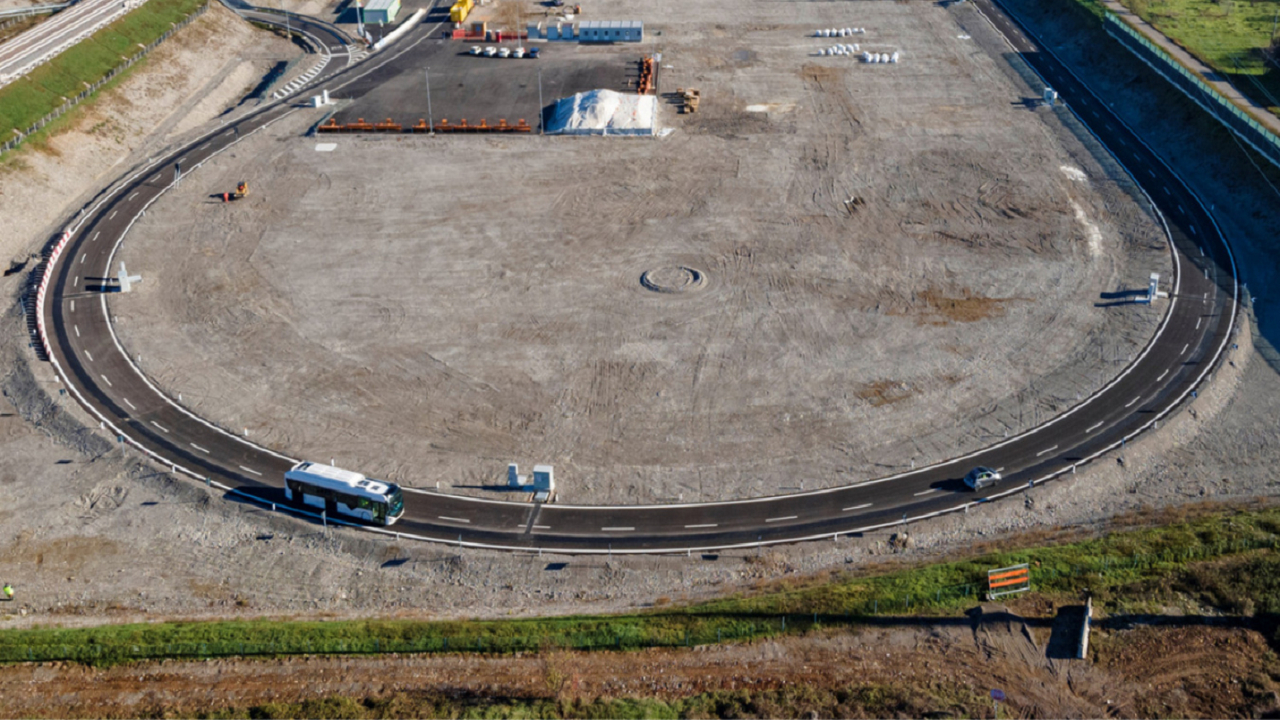
Stellantis Develops Technology Capable of Avoiding the Charging of Electric Cars at Charging Stations. The Company Claims That the Technology Can Send Electricity Directly to the Motors of Vehicles.
Undoubtedly, electric cars will be the future of the automotive market. However, recharging and autonomy are still areas that the electric sector needs to improve. But the arrival of a new technology could change that. Stellantis is testing a track where electric cars are recharged simply by driving on specially prepared road lanes without using any wires or cables.
Stellantis Technology Uses Asphalt Coils
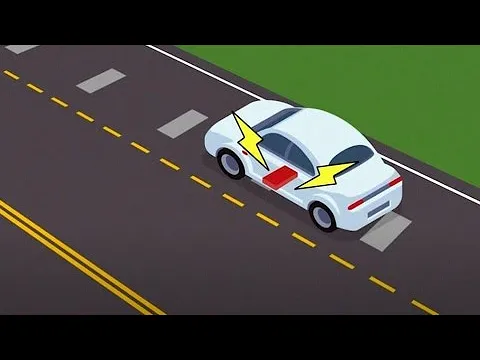

Stellantis Technology Has Been Named Dynamic Wireless Power Transfer, or DWPT, and Is a System of Coils Installed Beneath the Asphalt Responsible for Transferring Electrical Energy Directly to Automobiles, Buses, and Trucks, Without the Need for Them to Stop at Charging Stations.
The technology can be adapted to any electric car through a special receiver that transfers the energy generated from the road infrastructure directly to the electric motor, extending the range and conserving battery charge.
-
Engineers propose a fourth traffic light for intersections – the change promises to affect crossings, queues, and waiting times.
-
Chevrolet Suburban Z71 lands in Brazil with a V8 engine, off-road design, air suspension, seven seats, and colossal size, a rare version imported for around R$ 1.3 million with luxury and exclusivity.
-
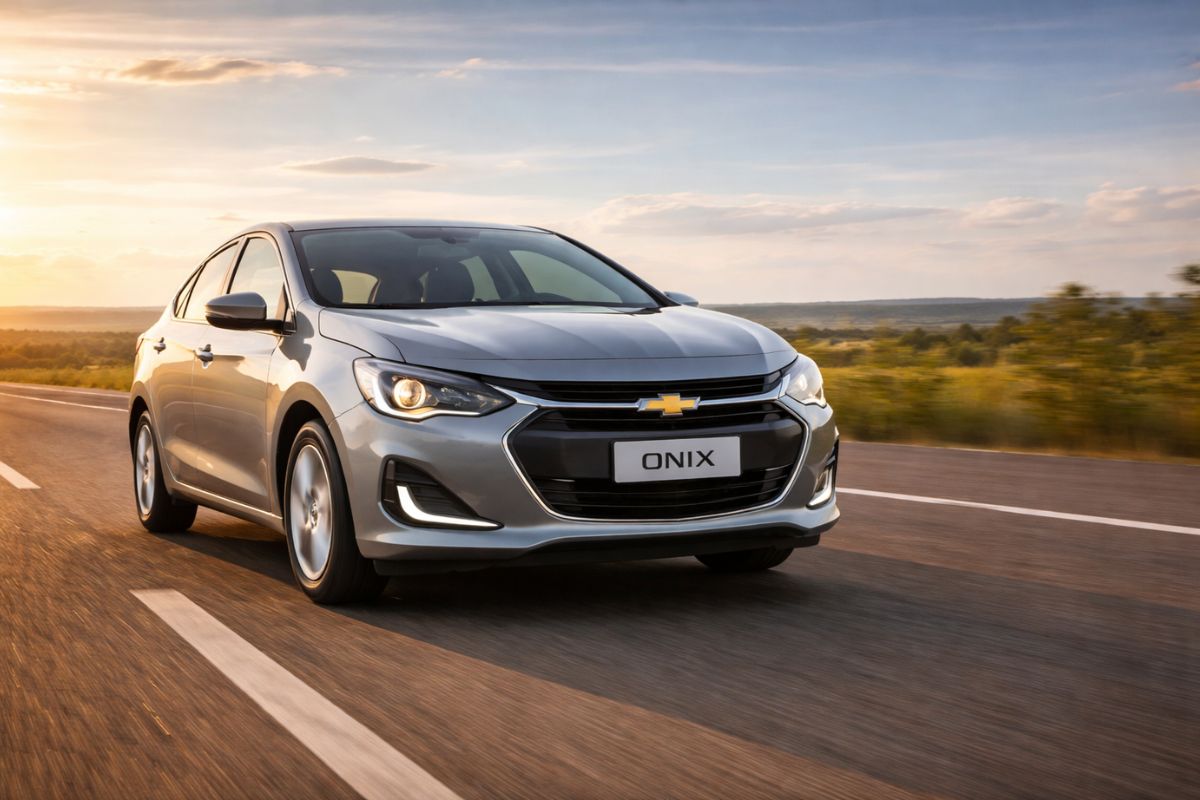
The Chevrolet Onix 1.0 turbo achieves 17.7 km per liter on the highway and ranks among the three most economical cars in Brazil in 2026, alongside two more expensive Toyota hybrids available at dealerships.
-
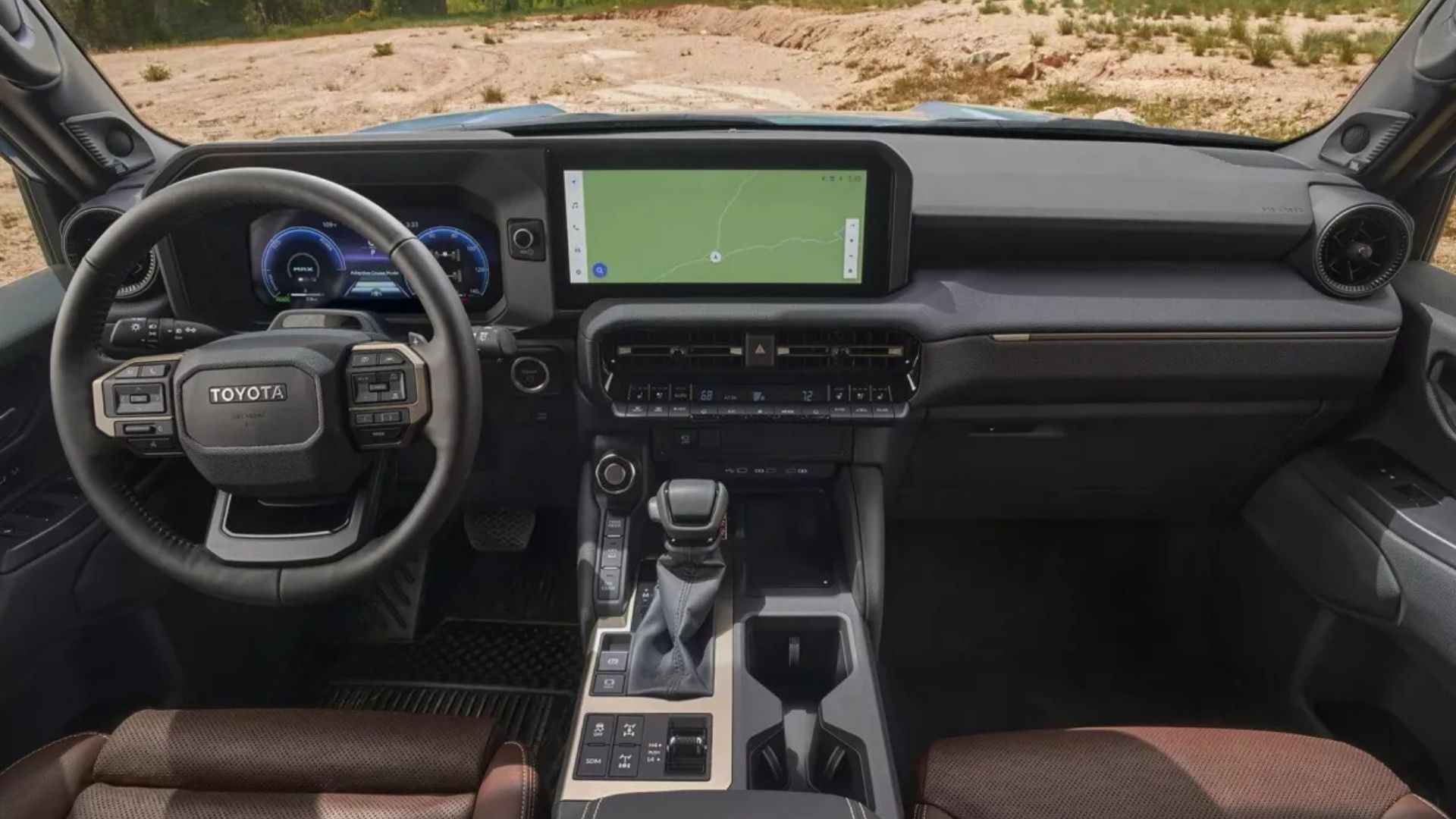
Little sister of the Hilux: Toyota launches Land Cruiser FJ with 4 radical versions, 2.7 engine with 166 hp and 4×4 traction with locking.
The pilot project of Stellantis and its involved partners is coordinated by A35 Brebemi, a company that belongs to the global transport infrastructure operator Aleatica, focused on mobility solutions.
Work in the so-called “Arena of the Future” shows that a BEV, like the new e-500 from Fiat, a Stellantis brand, has been prepared to test whether the system can maintain typical road speeds without consuming any of the energy stored in the battery.
Tests also show that the efficiency of energy flow from the ground to electric cars is comparable to the efficiency of fast charging stations. Additionally, measurements of magnetic field intensity prove that there is no impact on passengers and the driver.
Volvo Begins Wireless Charging Tests
The multinational Volvo is also testing a charging solution in Sweden that allows an electric car to be charged while parked, through induction. Wireless charging technology has already been successfully applied in smartphones and many other devices.
However, charging an electric car without any wires, given the size and performance of its battery, is a significant challenge. The electric cars from Volvo use modified lithium-ion batteries, designed similarly to those used in laptops and electronic devices. These batteries are chosen for their high energy density and longer life cycles, but vary in resistance, charging speed, and duration.
When it comes to smartphones, the lithium battery can be charged wirelessly using a process called inductive charging, which is similar to what is being tested in Volvo’s electric cars.
Other Similar Projects Are Being Developed to Eliminate the Long Delays of Electric Vehicle Charging
In the city of Indiana, in the United States, a company has developed a type of concrete that helps recharge an electric car while in motion, thus preventing the driver from having to stop to recharge the vehicle and wait for long hours.
The company claimed that the concrete can charge electric cars with 95% efficiency. Magment is the company responsible for designing this model of concrete, as well as for the installation of this new type of technology.
The American company claims that this project is a significant step towards the future, envisioning dynamic wireless charging for various models of electric cars.









Seja o primeiro a reagir!