





 Portuguese
  English
  Spanish
  3 min of reading
  0 comments


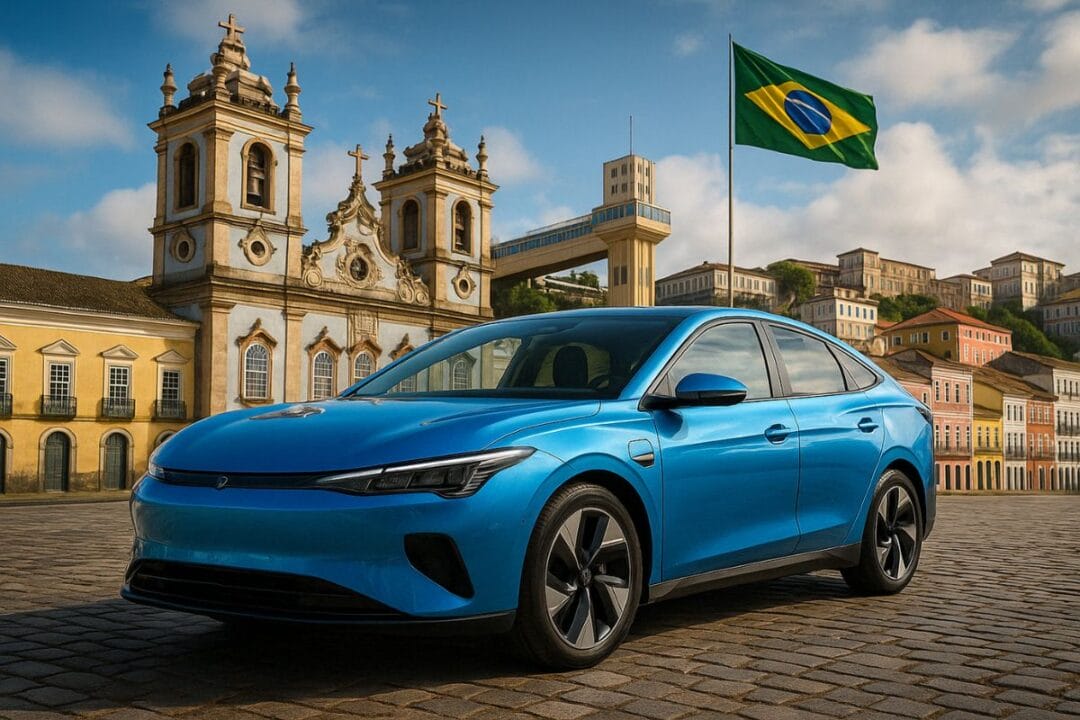
Omoda And Jaecoo Debut With Electrified Models And BYD Speeds Up Assembly In Camaçari To Evade Taxes. Competition For Space In Electric Cars In Brazil Intensifies.
The electric vehicle market in Brazil gained two new competitors this Tuesday (04/16). The Chinese brands Omoda And Jaecoo, connected to the Chery group, officially announced their arrival in the country with a focus exclusively on electrification. And the detail: without partnership with Caoa, the traditional gateway for Chinese manufacturers in Brazil.
Omoda launched the 100% electric E5 SUV for R$ 209.990, with a range of 345 km (estimate based on the WLTP cycle). Jaecoo, for its part, presented the plug-in hybrid medium SUV 7 PHEV, priced below R$ 230 thousand. Both bet on a modern design, good technological package, and an aggressive proposal to gain space among electric cars in Brazil.
BYD Strategy Aims To Anticipate National Assembly Of Electric Cars In Brazil
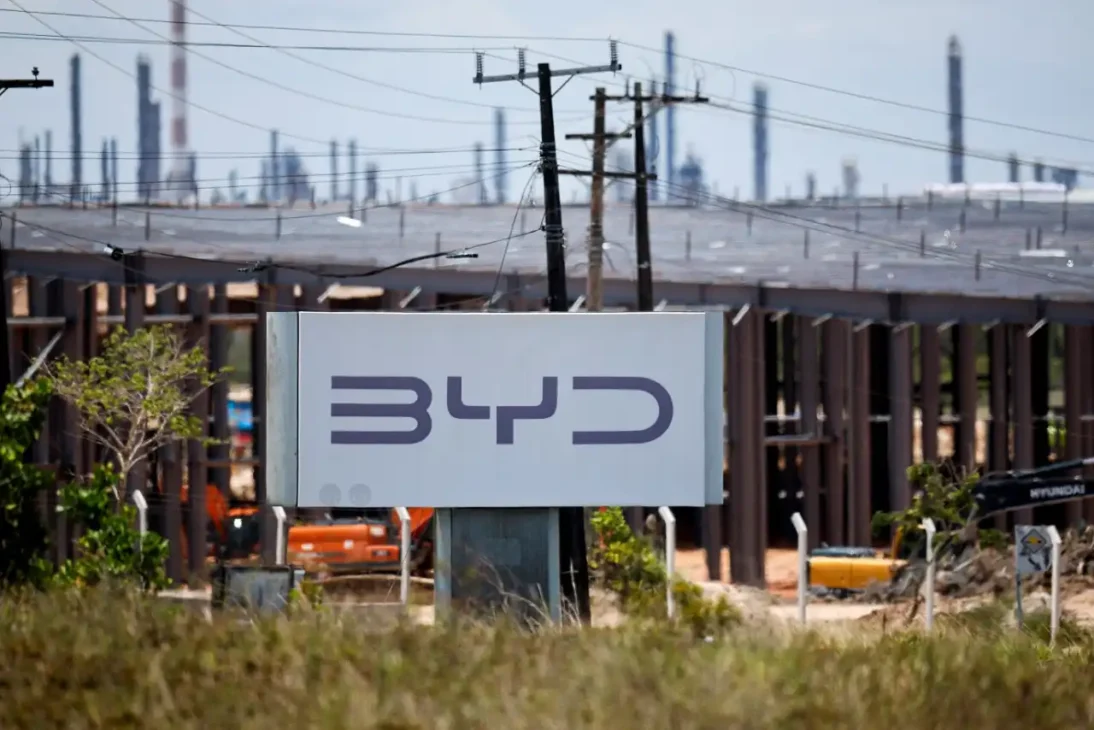
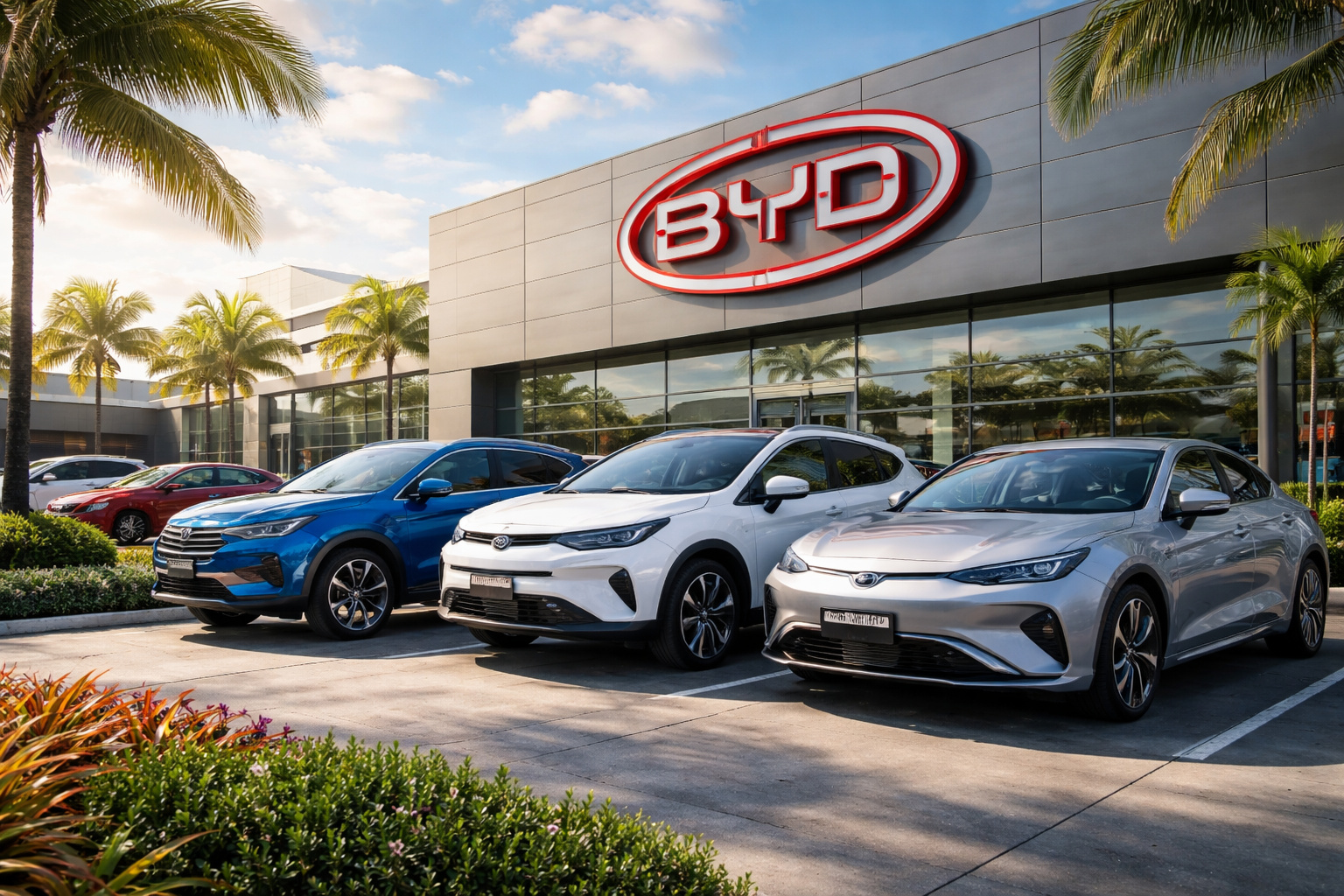
BYD, currently the leader among electric cars in Brazil, is taking steps to maintain its dominance. On April 14, the company requested a special regime for importation under the SKD (semi-disassembled) model, aiming to speed up vehicle assembly at the Camaçari (BA) plant, even before local production begins.
-
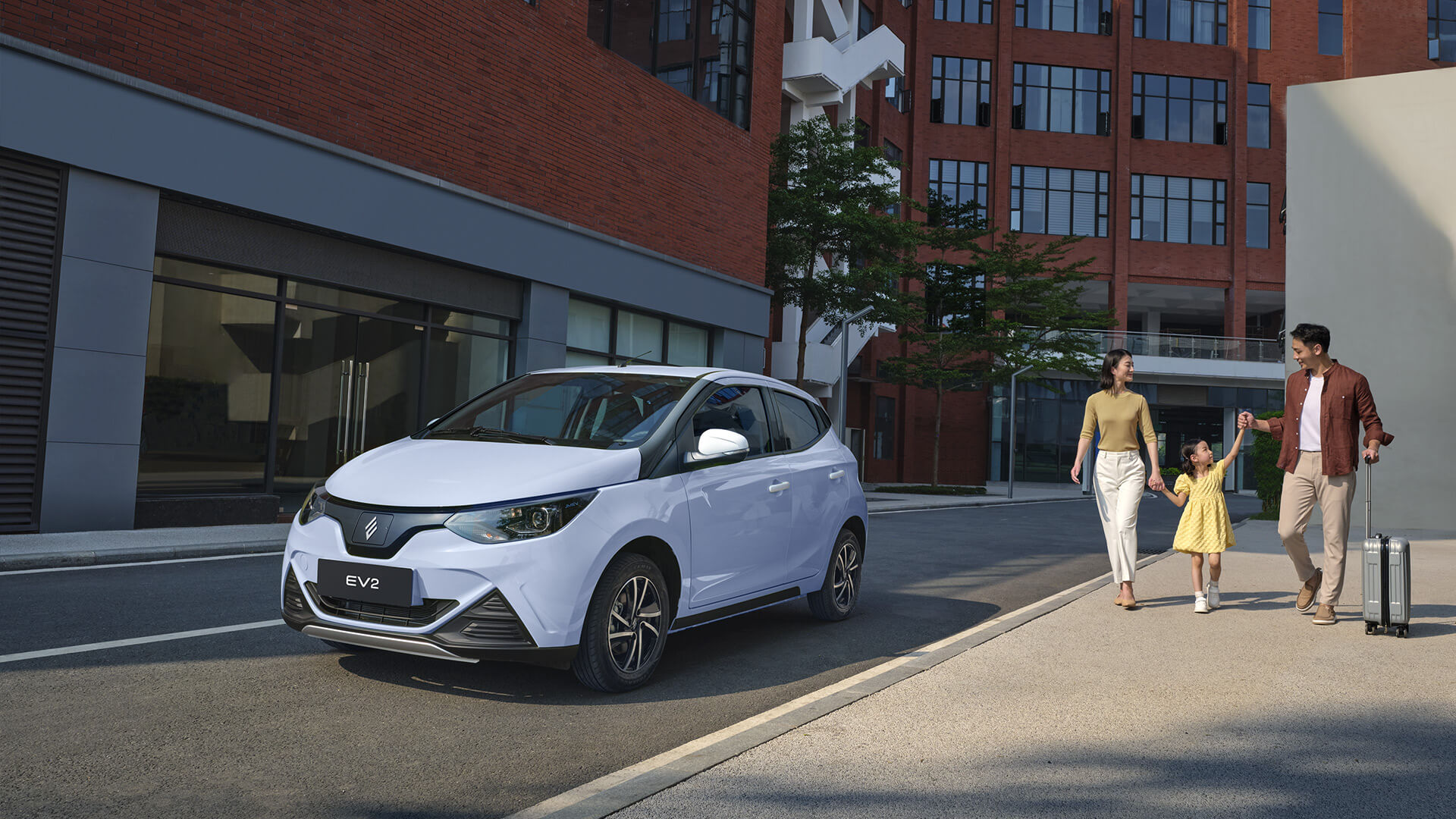
Goodbye expensive popular car: electric vehicle for less than R$ 70,000 starts being sold in Brazil with a range of 200 km and targets those looking to escape gasoline.
-
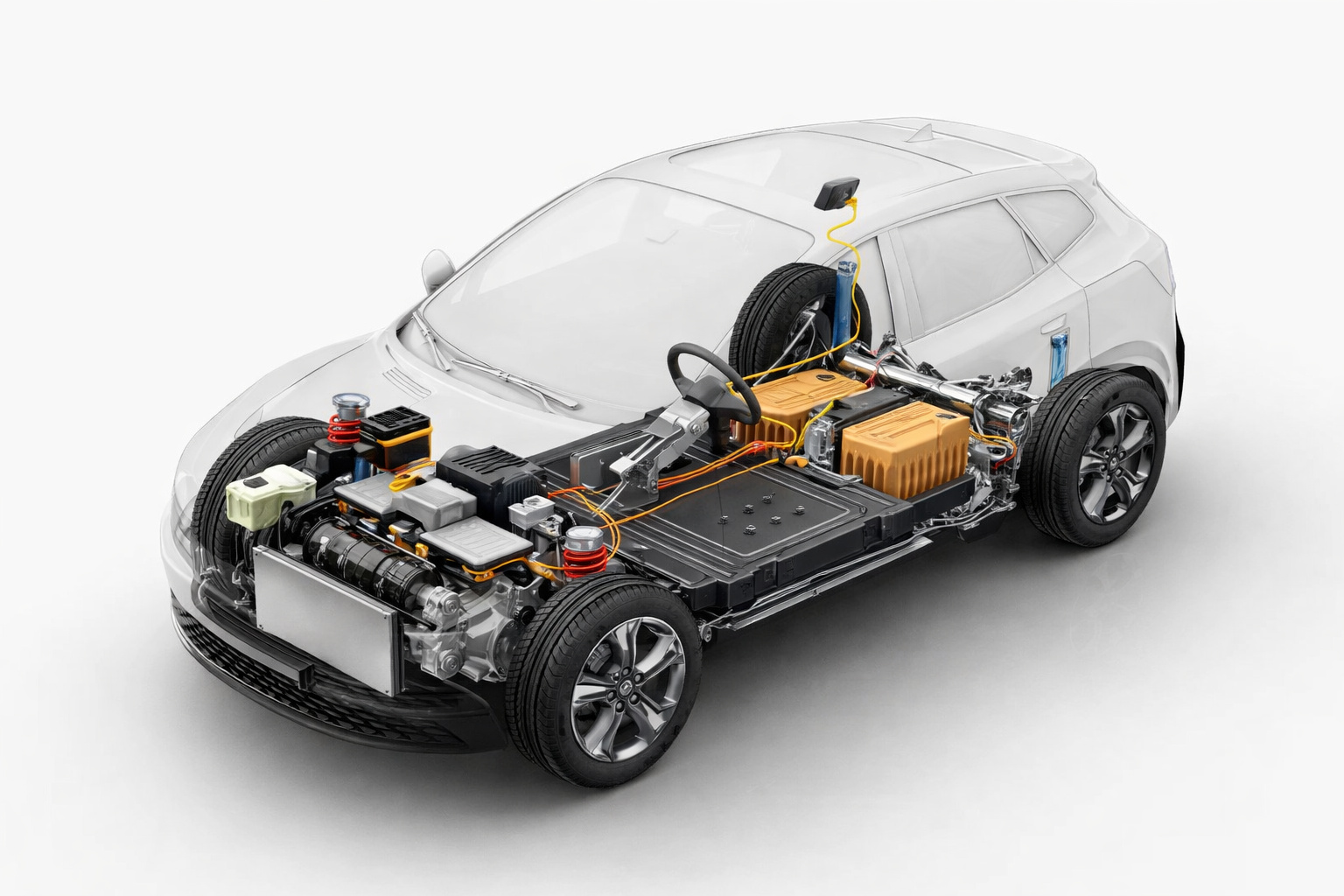
China Surprises Automotive Industry With Battery That Promises Electric Car Able to Run Up to 1,000 km Without Recharge
-
Why BYD Grew So Fast in Brazil and How Blade Batteries, Electric Cars, and Industrial Incentives Shaped This Expansion in the National Automotive Sector
-
Electric Cars Make Progress in Brazil in 2026 and Promise to Reduce Drivers’ Costs with Cheaper Energy, While Infrastructure Grows Slowly Across the Country

The measure aims to evade the increase in import tax for electrics, which rose to 18% in January 2025 and will go up to 25% in July. This way, BYD ensures the presence of its models in the market while initiating the partial nationalization of electric cars in Brazil.
By 2025, Electric Cars In Brazil Are Dominated By Chinese Automakers
According to ABVE (Brazilian Electric Vehicle Association), in January 2025, BYD and GWM accounted for over 80% of plug-in vehicle sales in the country. BYD alone reached 63.3% market share in the segment. Experts like Cassio Pagliarini and Milad Neto assess that the arrival of Omoda and Jaecoo may even reinforce Chinese dominance among electric cars in Brazil.
The question now is about the structure of after-sales service, dealership network, and localization of parts, especially critical components like batteries and electronic systems.
Local Production Of Components And Growth Of Electric Mobility
The nationalization strategy for electric cars in Brazil is advancing. The production of the electric motorcycle BMW R 1300 GS Adventure in Manaus reinforces the country’s industrial capacity. The current debate is about the timeline for automakers like BYD, GWM, Omoda, and Jaecoo to also internalize the production of batteries and electric motors.
Without this, Brazil may become vulnerable to exchange rates and external dependency, even with the popularization of electric cars in Brazil.
Infrastructure Is Still A Challenge For The Growth Of Electric Cars In Brazil
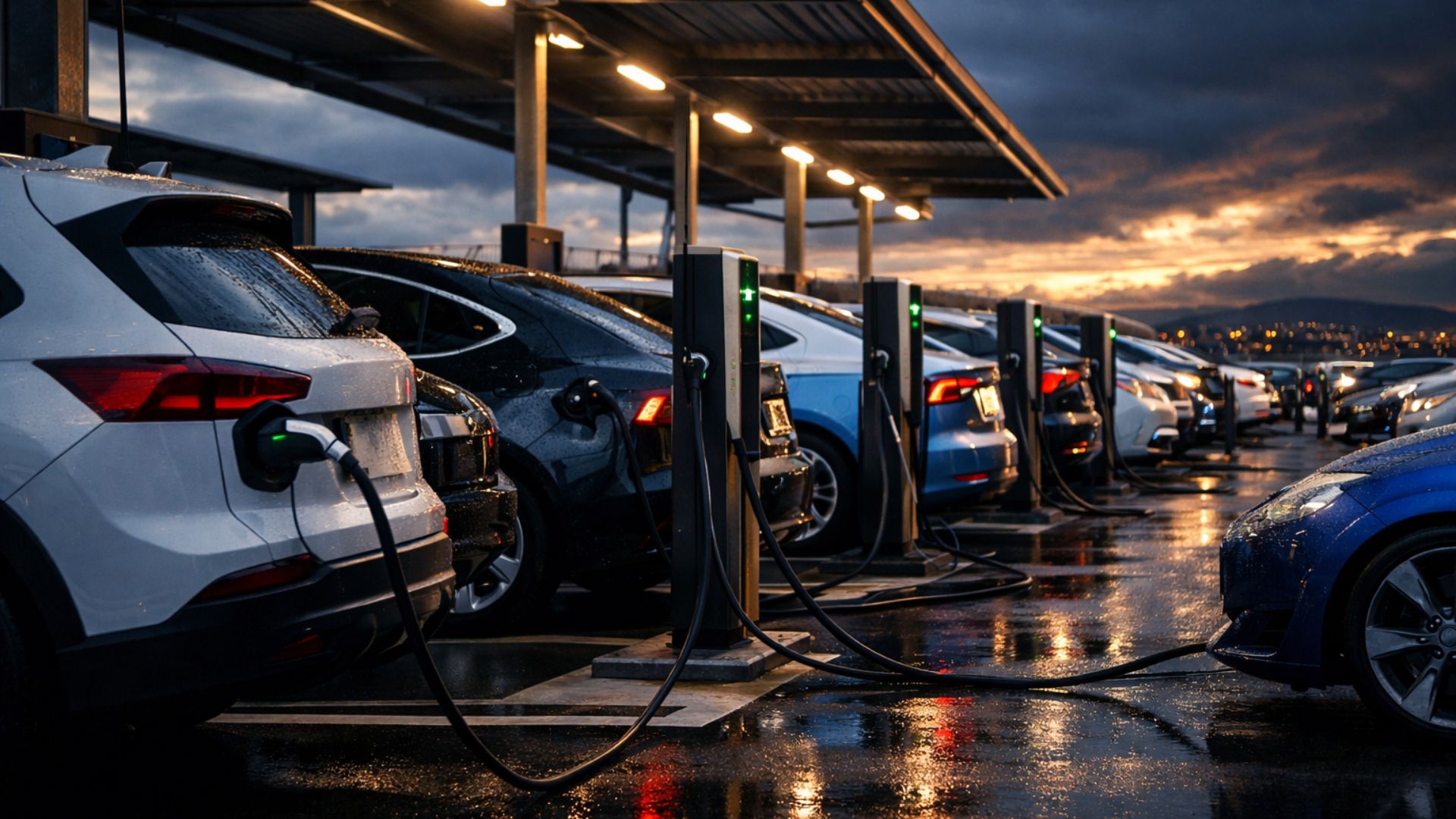
Even with the increase in launches and brands, the country has just over 3,000 public charging points — a number well below the demand. Electric mobility in Brazil will only advance with charging infrastructure, incentives for local production, and public policies that stimulate the sector.








Seja o primeiro a reagir!