





 Portuguese
  English
  Spanish
  4 min of reading
  0 comments


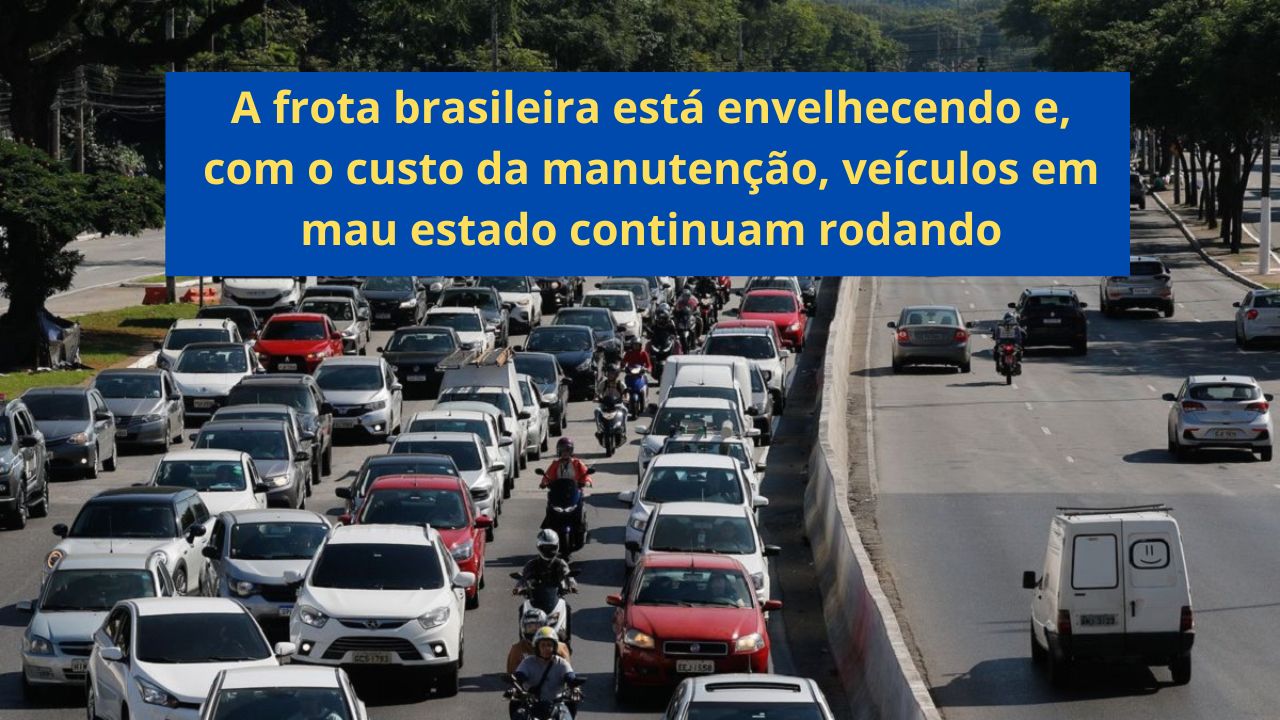
Growth Of The Used Car Market And Rising New Vehicle Prices Lead Brazilians To Extend The Lifecycle Of Cars
The cars in Brazil are aging, and the average age of the fleet has already exceeded a decade, according to recent data from Sindipeças. The current scenario reveals a concerning reality: older vehicles, often in poor condition, circulating on the roads and streets of the country. This impact is driven by economic factors, including the high price of new cars and credit difficulties, which increasingly move Brazilians away from the dream of a brand-new vehicle.
The average age of passenger cars in Brazil has reached 11.1 years, with some segments, such as trucks, reaching 12.2 years. Additionally, the number of vehicles over 16 years old has already reached 7.3 million — and, impressively, 220 thousand vehicles are over 25 years old. These numbers reflect the difficulties faced by consumers in maintaining their cars in good condition, a task that is becoming increasingly challenging and expensive.
High Costs Dissuading Complete Maintenance
It’s no secret that keeping a car in good condition in Brazil is expensive. On average, an owner of a popular vehicle spends around R$ 30 thousand per year to keep the car in good condition. These costs include not only maintenance but also expenses with fuel, IPVA, and insurance. For older vehicles, which naturally require more repairs, this amount can be even higher.
-
Costing R$ 16,000, the new Yamaha features a 125 cc hybrid engine with electric assistance, delivers 8.3 hp, includes ABS, optimized fuel consumption, Y-Connect connectivity, 25 liters of storage space, and a surprising 4-year warranty in the urban segment.

-
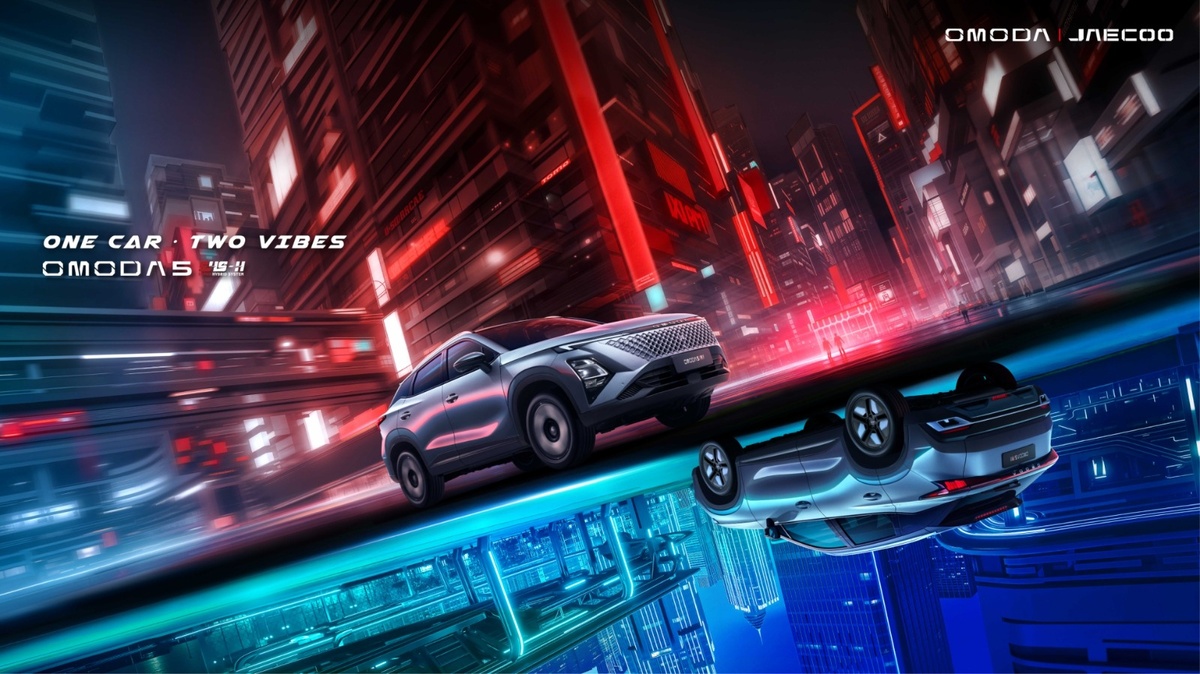
OMODA & JAECOO grows in Europe in 2026 with an integrated strategy of sales, innovation, local production, and technological advancement in the United Kingdom, Italy, and Spain.
-
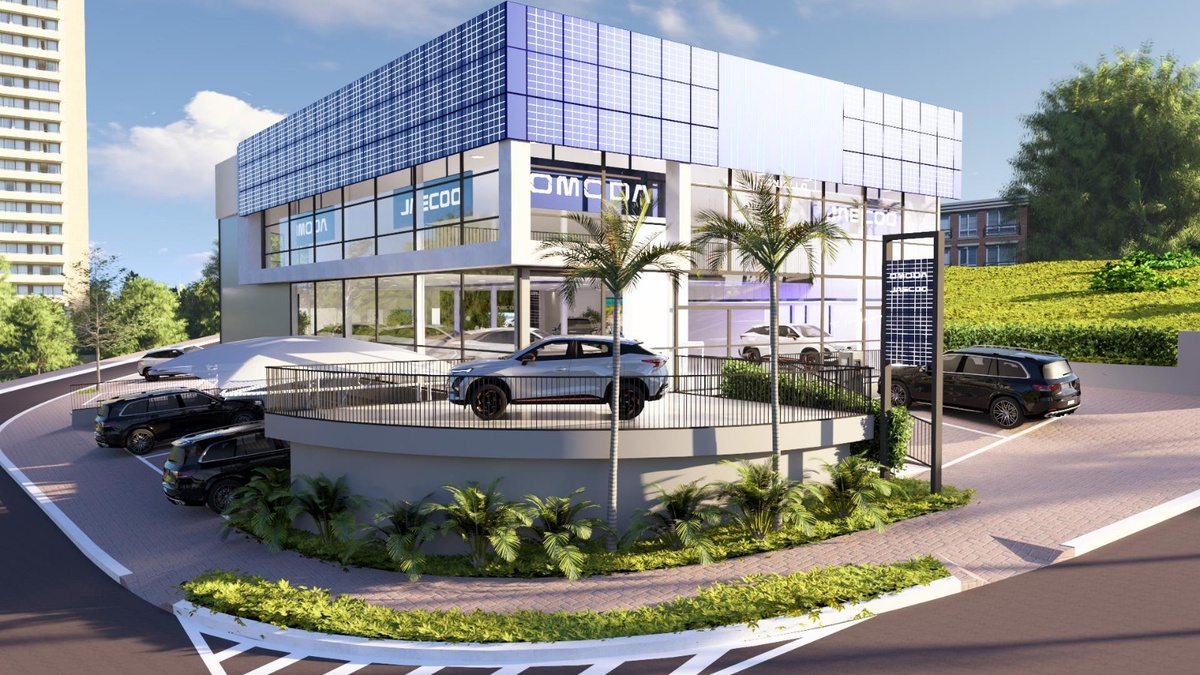
OMODA & JAECOO expands after-sales service in Brazil with competitive maintenance, a 7-year warranty, and high availability of parts for technological SUVs.
-
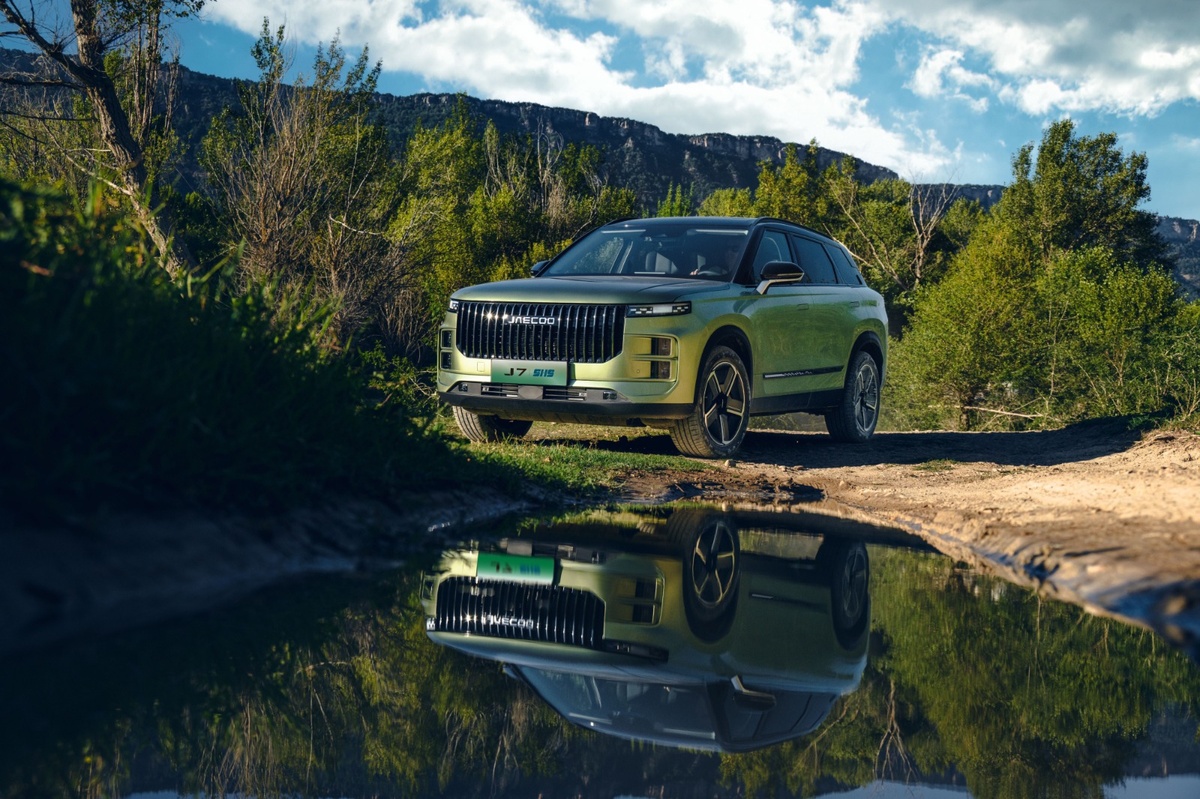
OMODA & JAECOO appoints Alessandra Souza as executive marketing director in Brazil and accelerates brand expansion with a focus on innovation, networking, and hybrid portfolio.

This is where the “Brazilian way” comes into play. Many owners, to save money, opt for low-cost alternatives, such as retreaded tires or refurbished parts, which do not offer the same durability or safety. “In times of crisis, it is common for drivers to seek cheaper solutions to avoid a heavy expense with the car,” comments specialist Luiz Guerrero. “However, this puts the safety of everyone at risk.”
Renault Logan Ends Its Journey In Brazil After 17 Years In The Market
Aged Fleet: Impact On Safety And The Environment
The aging of cars in Brazil is not just an economic issue; it also brings serious consequences for safety and the environment. Older vehicles are more likely to experience mechanical failures, such as worn brakes, bald tires, and suspension problems — factors that significantly contribute to traffic accidents. According to data from the Federal Highway Police, poorly maintained vehicles are responsible for up to 30% of the accidents reported on highways.
In addition to safety risks, older vehicles emit more pollutants. Older models lack modern emissions control technologies, which further exacerbates pollution in cities. At a time when environmental issues are becoming increasingly relevant, this situation becomes even more concerning.
Explosion In Used Vehicle Sales
Unable to buy a new car, Brazilians turn to used ones. Data from Fenauto indicates that the used vehicle market is expected to set a record in 2024, with more than 15 million units sold, surpassing the forecast of new car sales for the year by six times. Models such as Fiat Uno, Palio, and VW Gol remain among the most sought after, even though they have already been discontinued by the manufacturers.
The increase in demand for used vehicles has also driven up the prices of these cars, making the second-hand market more competitive. While new cars are out of reach for many consumers, there is growing demand for older models, creating a valuing effect of these vehicles.
Jeep Commander Has A New Look And Lower Prices: See When It Arrives In Brazil
What To Expect For The Future Of The Brazilian Fleet?
Experts believe that the aging of the fleet will continue in the coming years if nothing is done to renew the vehicles. The implementation of facilitated financing programs and incentives for trading old vehicles for newer and less polluting models could alleviate this situation. However, there are still no improvements in public policies aimed at this goal.
“To reduce the average age of the fleet, it is essential for the government and the automotive sector to work together to offer alternatives to consumers. This would not only help improve safety on the roads but also have a positive impact on the environment,” explains Guerrero.
Meanwhile, the reality is that Brazilians will have to live with an increasingly older fleet. The preference for used vehicles and high-interest rates create a challenging scenario for consumers. And you, do you think Brazil should adopt a fleet renewal program?






Seja o primeiro a reagir!