





 Portuguese
  English
  Spanish
  2 min of reading
  0 comments


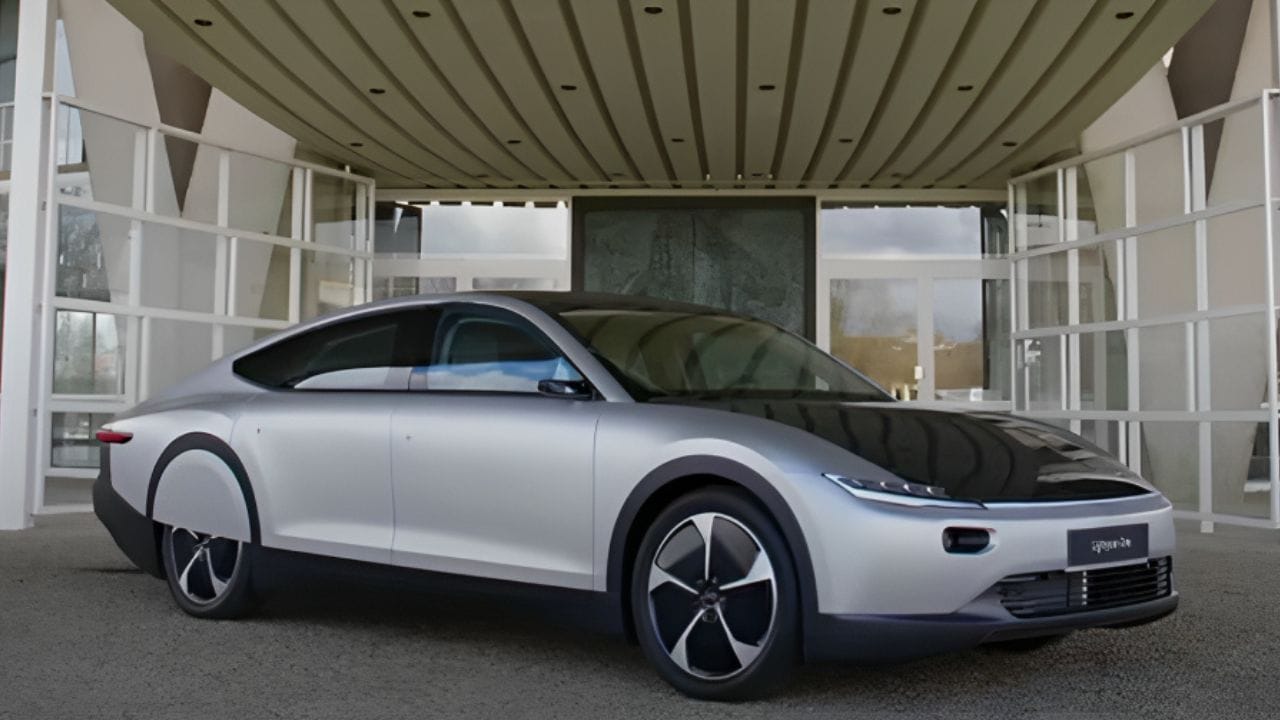
The Idea of Solar-Powered Cars, Capturing Free Fuel from the Sky and Eliminating Concerns About Range and Charging Time, Appears to Be the Holy Grail of Electromobility. However, Recent Research from DW Planet A Reveals Why This Innovation Has Yet to Take Off Globally.
Companies like Sono Motors in Germany and Lightyear in the Netherlands have invested in building their own solar cars but ultimately faced bankruptcy. “There are many ways to ruin the concept,” experts say.
To understand the challenges, the research takes us to Aachen, Germany, where the Solar Raceteam Sonnenwagen team works on one of the most efficient electric vehicles in the world. This car, more resembling a ping-pong table than a conventional vehicle, highlights the importance of aerodynamics and lightness for energy efficiency.
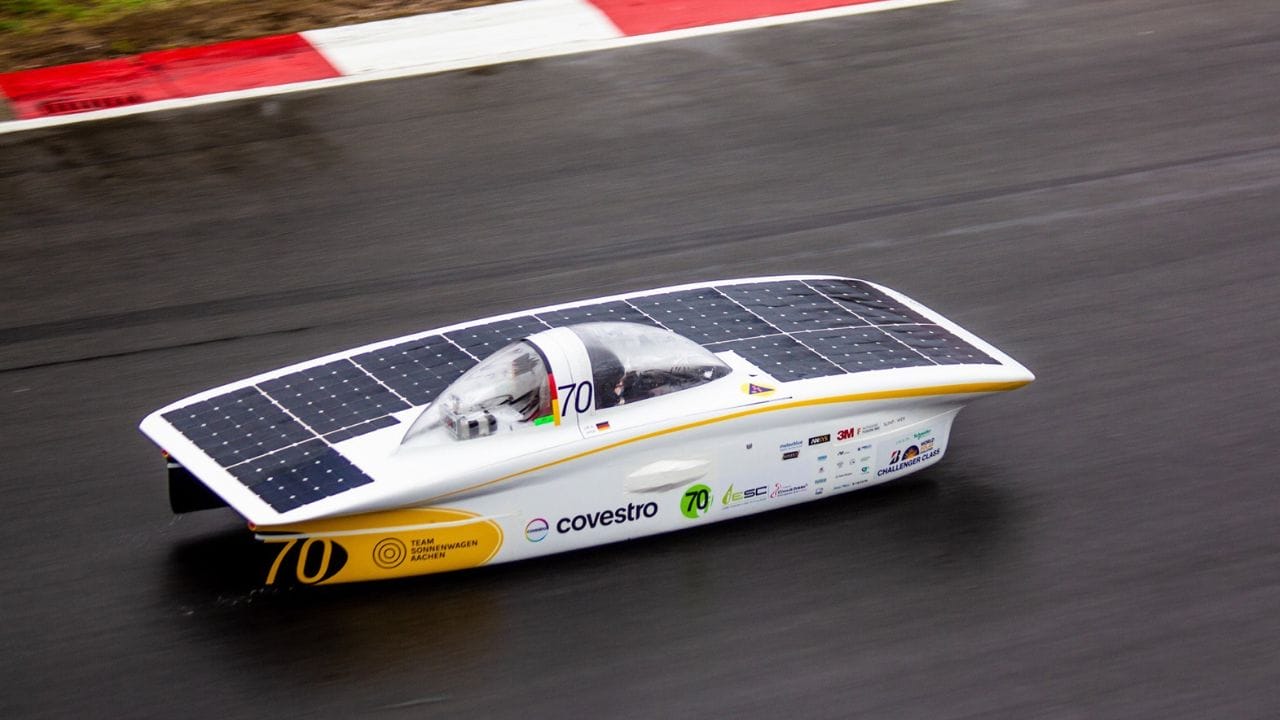
First Solar Car and New Challenges
The first solar car was created in 1955 by William G. Cobb of General Motors, but building solar cars is more complex than simply installing solar cells on a small vehicle. One of the main challenges is the angle of the sun, as solar cells generate more energy when perpendicular to the sun. The special cells required are expensive, around 35 thousand dollars, and need to be robust and securely integrated into the car.
-
A French brand placed a car on four huge red balloons to prove that its suspension made the vehicle “float,” and the surreal scene became one of the most iconic and unusual images in automotive history.
-
Jeep Avenger begins production in Brazil, debuting as the brand’s new entry-level SUV and inaugurating an unprecedented phase by becoming the first national Jeep manufactured outside of Goiana, as part of a R$ 3 billion plan.
-
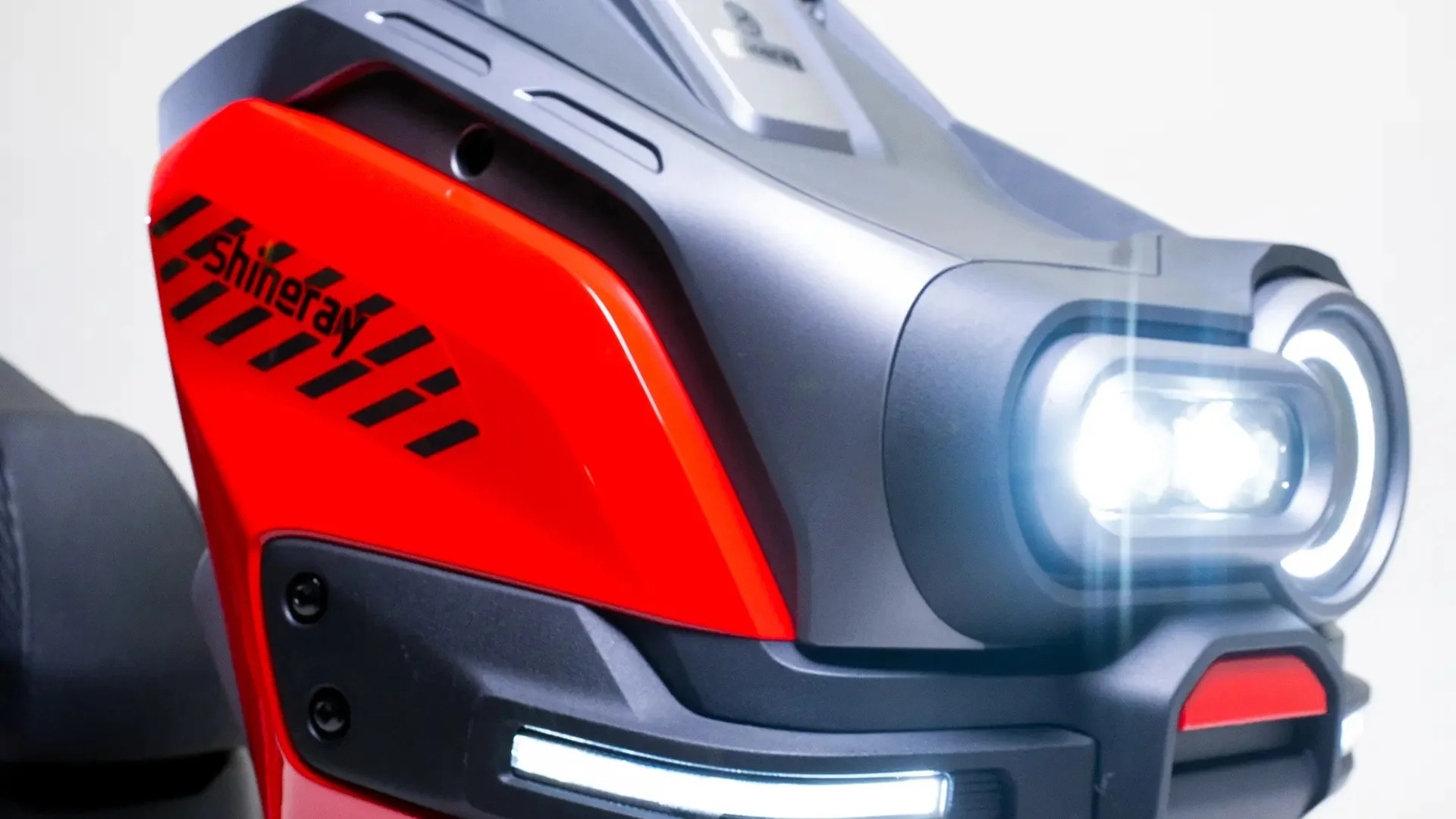
Costing R$ 12,490, the new Shineray Urban Lite 150 “cheap one” arrives in Brazil with a CVT transmission, digital dashboard, and LED lights, making it more affordable than the Biz and targeting those who want to abandon the bus.
-
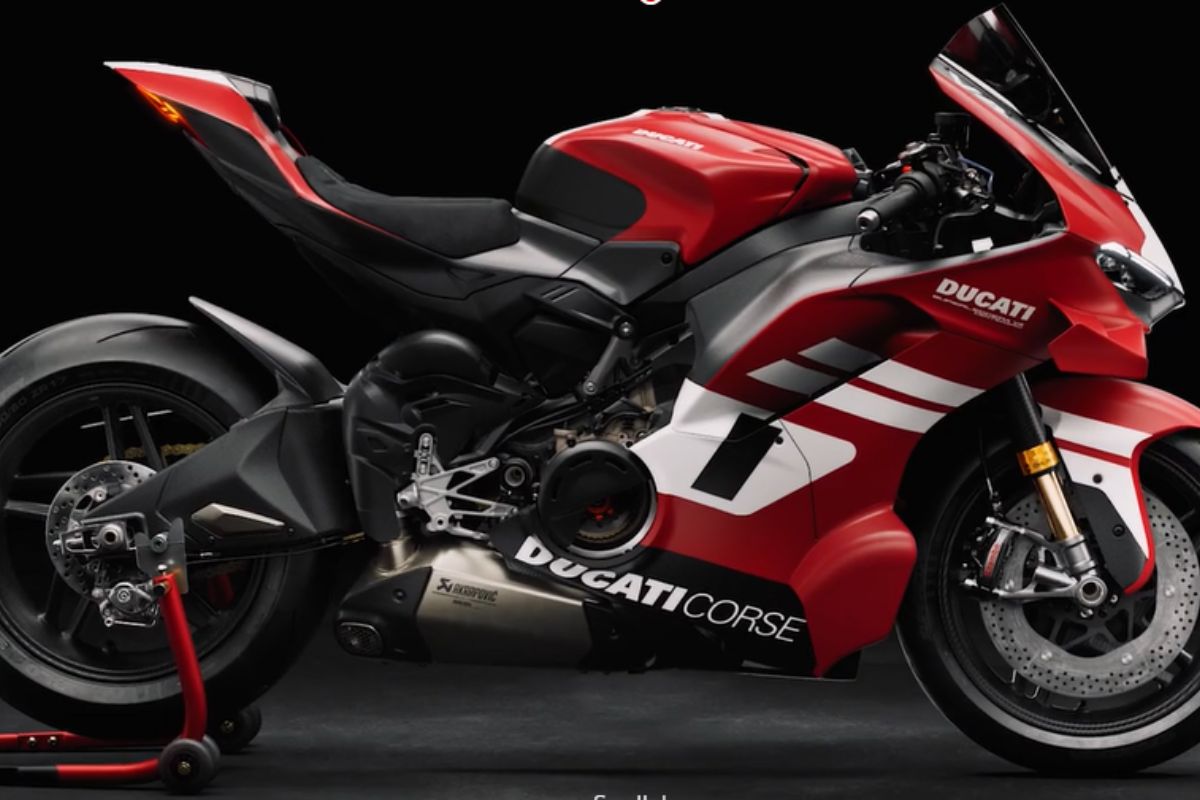
Ducati brings to Brazil the Superleggera V4 Centenario: 228 hp that become 247 with a track kit, carbon fiber and carbon-ceramic brakes, estimated price between R$ 1.5 and 2 million, deliveries only in 2027.

Another issue is weight; commercial solar cars are much heavier than solar racing cars, and solar energy can only produce a limited amount of energy. This makes it difficult to operate solely on solar power, and like other electric vehicles, they also have batteries that can be charged from the power grid.
The Manufacturing of These Solar Cells Is Complex, Especially Because They Need to Be Curved in Solar Cars


Integrating these cells into parts of the car is not easy, and the entire process is expensive; Sono Motors would need 200 to 300 million euros just to start mass production.
Furthermore, there are uncertainties about how many kilometers a solar car can actually travel, ranging from 293 to 5,100 kilometers per year, depending on various factors such as solar panel size, geographical location, and weather conditions.
Companies like Lightyear have had to significantly increase the price of their vehicles due to high manufacturing costs, while Sono Motors is restructuring and selling its automobile manufacturing capabilities.
While there are solar cars on the roads, like the Hyundai Sonata with a solar roof, which offers only a few extra kilometers a day, the reality is that solar panels in cars are still more of a design feature than a practical solution.










Seja o primeiro a reagir!