





 Portuguese
  English
  Spanish
  4 min of reading
  0 comments



Notaries Register Increase In Living Wills In Brazil; Document Defines Medical Care And Who Decides In Case Of Incapacity, Reducing Family Conflicts.
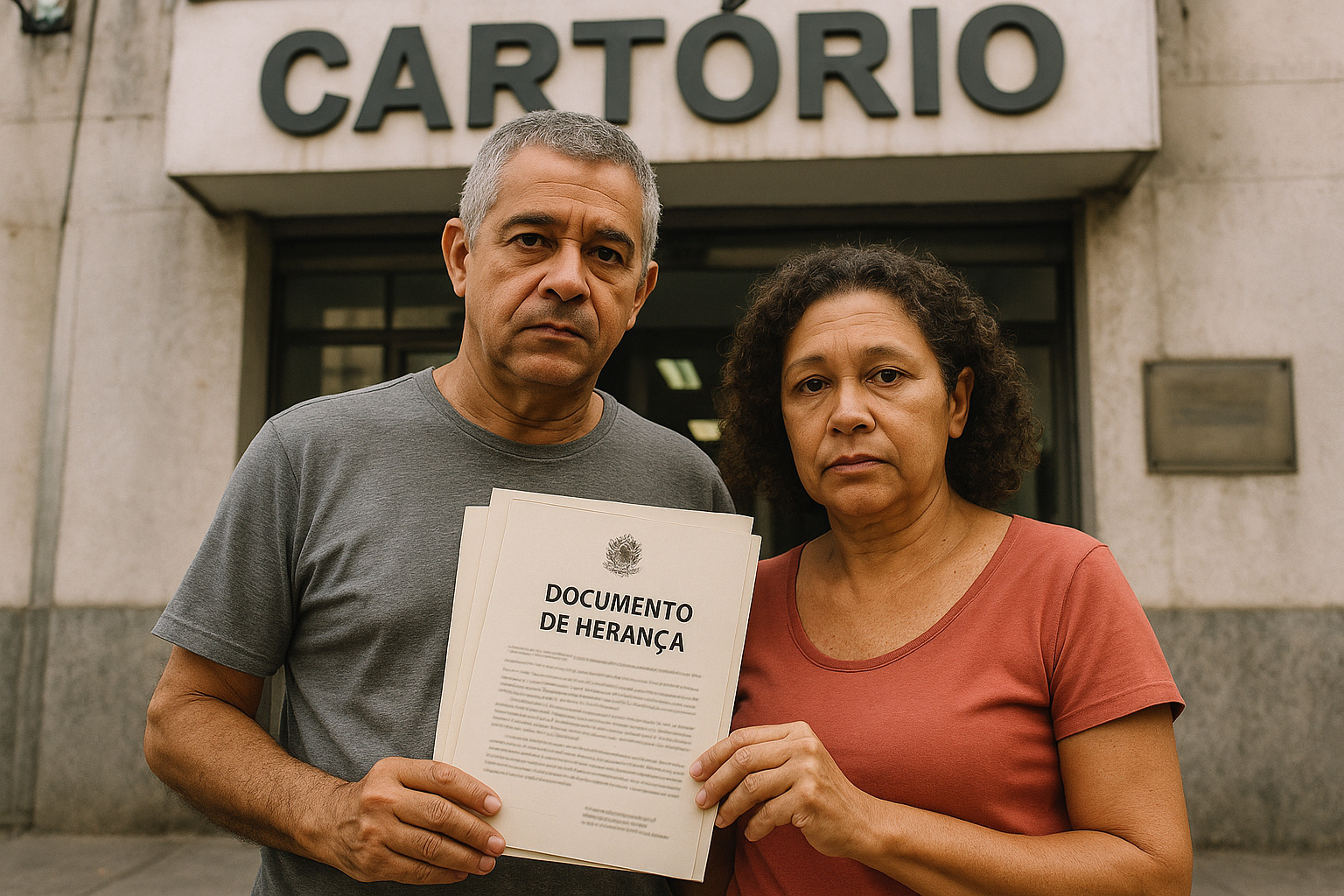
When a Brazilian is hospitalized unconscious, sedated, or unable to respond for themselves, who decides the treatment? Who authorizes an invasive surgery? Who determines if the person wants to be kept on artificial support or not? Although this seems like a theoretical question, healthcare professionals claim that these cases happen daily in hospitals and ICUs and almost always result in conflicts among family members. It is in this context that the “living will”, a legal instrument that allows prior declaration of which medical care the patient does or does not want to receive, has been gaining strength in notaries across the country.
The figure of the living will is provided for in the Advance Directives of Will (ADW) defined in Brazil by CFM Resolution No. 1,995/2012 from the Federal Council of Medicine. The norm instructs doctors and hospitals to respect the expressed will of the patient when they are unable to express it, avoiding disputes among family members and decisions made in the heat of critical moments.
At the same time, notary offices in various states have been reporting consistent growth in deeds, especially driven by people over 60 years old, those with chronic diseases, cancer patients, and individuals who wish to maintain autonomy over future decisions.
-
The noise law will no longer be in effect at 10 PM starting in June with a new rule valid during the 2026 World Cup.

-
The Chamber opens a debate on driver’s licenses at 16 years old as part of a reform that includes around 270 proposals to change the Brazilian Traffic Code and may redesign rules for licensing, enforcement, and circulation in the country.

-
The new Civil Code could revolutionize marriages in Brazil with “express divorce” and changes that could exclude spouses from inheritance.
-
Banco do Brasil sues famous influencer for million-dollar debt and intensifies debate on delinquency, risks of seizure, and direct impact on Gkay’s credibility.


What Is, After All, The Living Will?


Technically, the living will does not deal with assets, inheritance, or property, but rather medical and biological decisions. Within the document, the signatory establishes guidelines regarding:
• treatments they wish or do not wish to receive;
• limits on invasive therapies;
• use of intubation, cardiopulmonary resuscitation, mechanical ventilation, and dialysis;
• use or not of prolonged artificial support in irreversible cases;
• administration of painkillers or palliative care;
• authorization for organ donation;
• designation of a representative to make decisions.
The focus is to protect the future will of the patient and reduce the suffering of family members, who are often placed under enormous emotional pressure without clear guidance.
Why Are Notaries Registering So Many Documents?
The drafting of the living will can be done at a notary office through public deed, which grants the document:
✔ legal publicity,
✔ public faith,
✔ greater security against challenge,
✔ easier access for family members and doctors.
Notaries report that demand is growing for well-defined reasons:
- Accelerated Population Aging — Brazil has surpassed 15% of elderly people, according to IBGE, and families are preparing for situations of dependency or incapacity.
- Chronic and Degenerative Diseases — Stroke, Alzheimer’s, Parkinson’s, and dementias increase the risk of losing decision-making autonomy.
- Advancement of Palliative Medicine — Palliative care doctors advocate for the autonomy and comfort of the patient.
- Real Family Conflicts — Hospitals report frequent cases where siblings disagree on the treatment of a sedated parent.
- Media Cases that broaden the debate about quality of life at the end of life.
“Previously, there was practically no discussion around advance directives. Today, more and more patients and families arrive knowing what they are and seeking guidance,” palliative care doctors say in publications from entities such as the National Academy of Palliative Care (NAPC).
What Is The Legal Basis In Brazil?

Although Brazil does not have a specific law regarding living wills, the instrument has a solid legal foundation comprising:
• CFM Resolution 1,995/2012 — regulates the Advance Directives of Will in the medical field.
• Civil Code — articles on private autonomy, mandate, and representation.
• Federal Constitution — dignity of the human person and right to health.
• Family Power and Guardianship — applied when there is permanent incapacity.
• Legislation on Organ Donation — explicit rules for consent.
In practice, the document functions as a manifestation of will, and may be applied when the patient is unconscious, sedated, comatose, or unable to communicate.
For Whom Does This Document Make The Most Sense?
Experts highlight that the instrument is not just for the elderly. In practice, there are three groups that are driving notaries:
- Healthy Elderly People Who Want To Prevent Conflicts
- Patients With Progressive Or Disabling Diseases
- Young Adults With Children Who Want To Organize Decisions
In all cases, the central desire is the same: to prevent third parties from deciding for them without guidance.
Do Hospitals And Doctors Really Follow The Living Will?
Yes. Public and private hospitals have bioethics committees and palliative teams who deal with ADWs regularly. The CFM Resolution instructs doctors to respect the will of the patient, except in cases of:
• express illegality,
• risk to third parties,
• or serious diagnostic uncertainty.
When everything is clear, the document reduces the ethical dilemma and eliminates family disputes that could reach the Judiciary.
Why Does This Avoid Family Disputes?
Without a registered ADW, the most common scenario is:
• one child asks for “everything aggressive,”
• another asks for “not prolonging suffering,”
• the spouse cannot decide,
• and the doctor is caught between protocols and family.
With the living will, the discussion shifts to:
“What Was The Patient’s Will?”
And this reduces conflicts and preserves bonds.
Instead of talking about death, this instrument speaks of dignity, choice, and serenity, values increasingly present in countries with demographics similar to Brazil. In a scenario where technology can keep bodies alive for long periods, but not always with quality, deciding in advance can be an act of care for oneself and for those who will be responsible for us.










Seja o primeiro a reagir!