





 English
  Francês
  Alemão
  Italiano
  Japonês
  Norueguês
  Portuguese
  Spanish
  4 min of reading
  0 comments


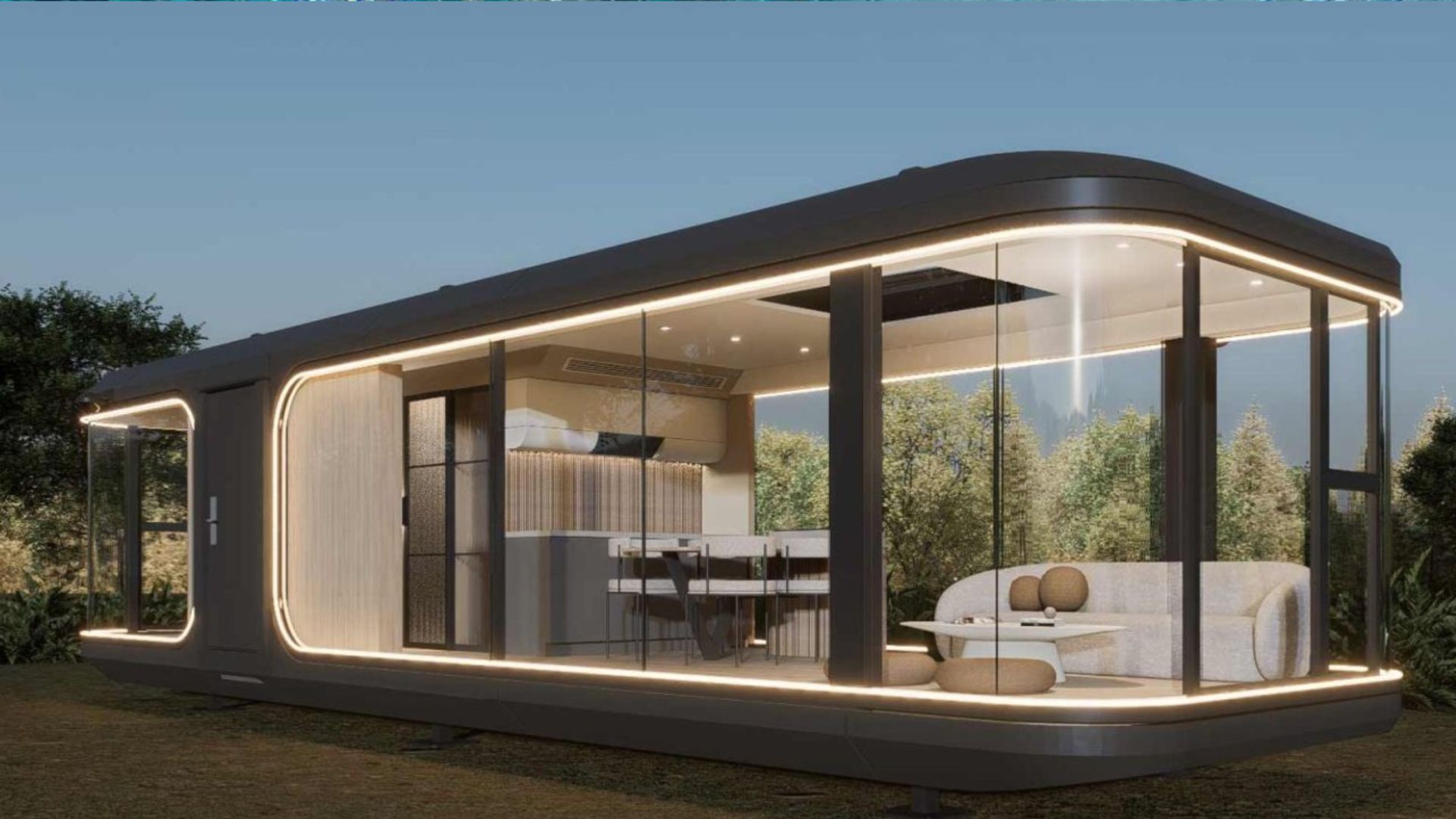


Innovative Capsule House Model Arrives In Brazil Promising Assembly In Two Hours, Panoramic Design, And Complete Solutions For Comfort And Residential Mobility. Option Attracts Tourists, Investors, And Those Seeking Practical Housing In Any Region.
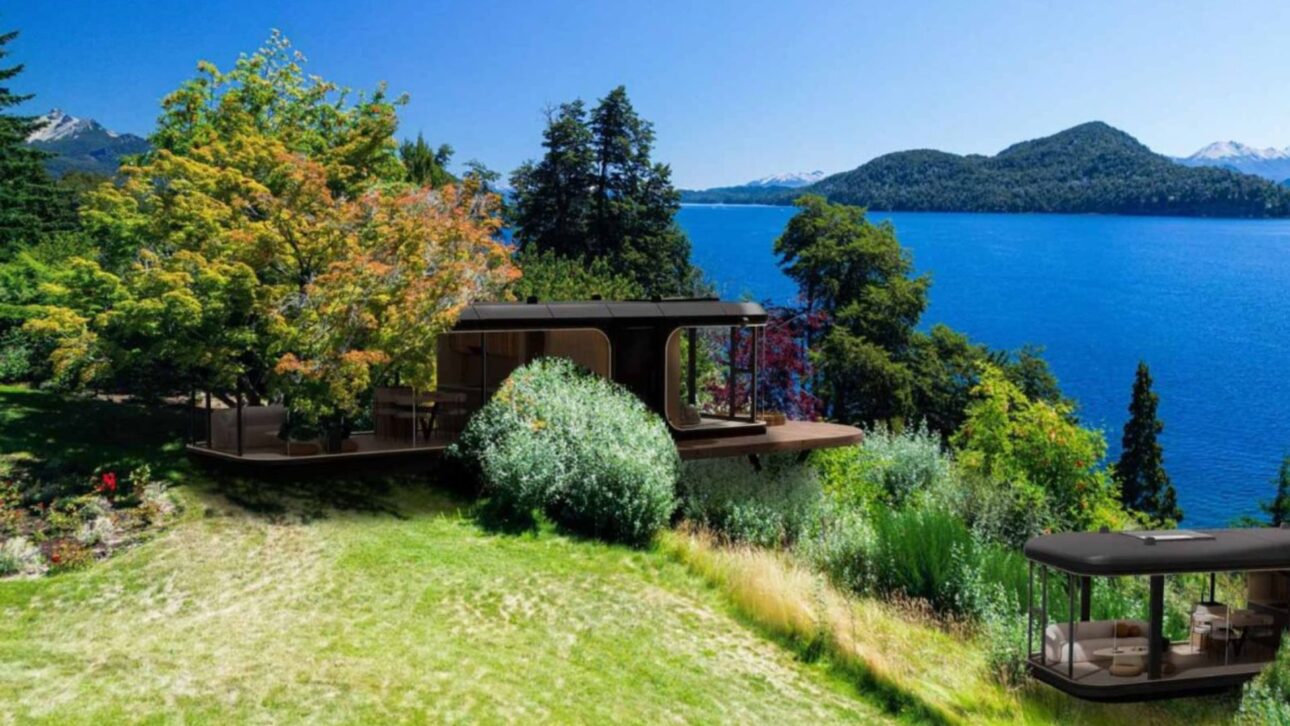
The capsule house officially arrived in Brazil this June 2025, bringing a housing solution that arrives ready, is lifted by crane, and is livable in up to two hours.
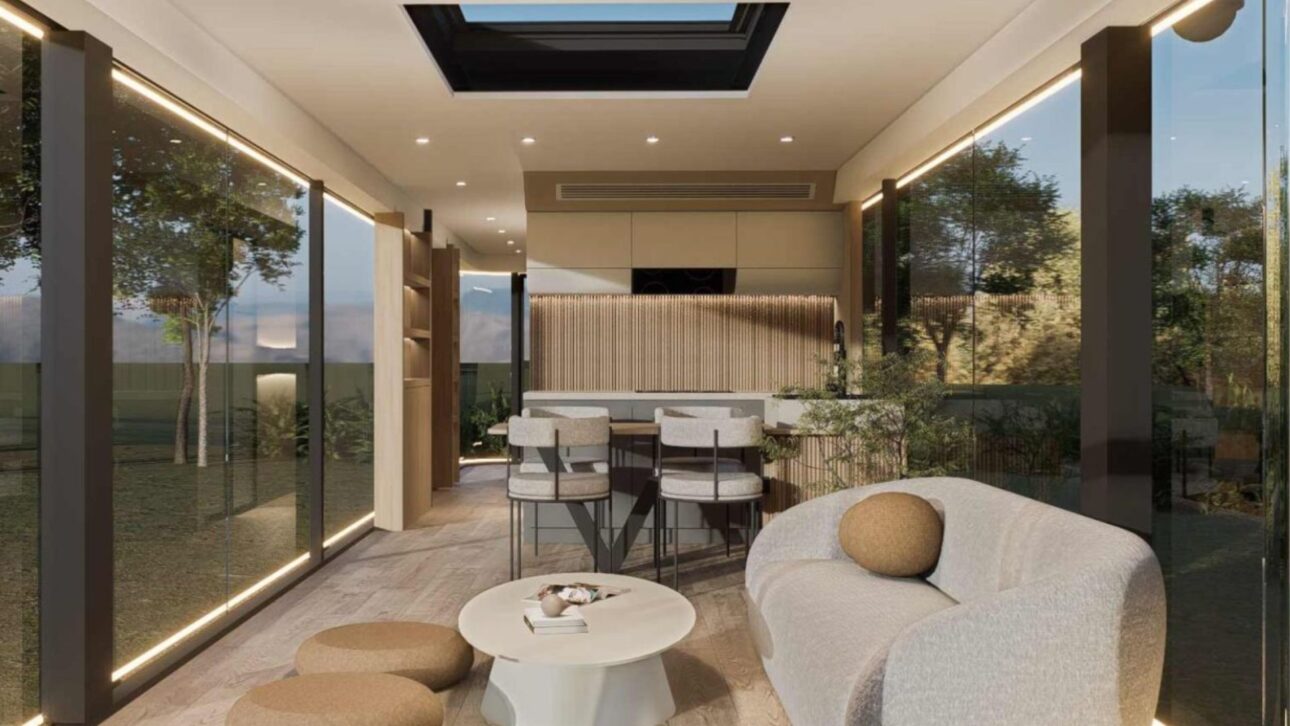
The 38 m² model, manufactured in the Chinese province of Shandong, features a galvanized steel structure, aluminum panels, and almost 360-degree panoramic glass.
All electrical, hydraulic, and automation systems come off the assembly line tested and sealed, which eliminates traditional construction stages.
-
For 45 years, Spain and Morocco have been trying to connect Europe to Africa through a project of just 14 kilometers in the Strait of Gibraltar, and an active tectonic fault on the seabed continues to make the project nearly impossible.

-
Goodbye expensive water tank: residents replace traditional system with a cheaper and more efficient solution that reduces water consumption and reuses rainwater.

-
Mexico is building a 300-kilometer railway corridor that connects the Pacific to the Atlantic in just seven hours and wants to compete directly with the Panama Canal, which is already facing water scarcity issues.
-
The largest tunnel module factory in the world was built from scratch on a beach in Denmark to produce 89 concrete blocks and will be demolished after the project: each structure weighs up to 10 times the Eiffel Tower and will be installed on the bottom of the Baltic Sea with an accuracy of 12 millimeters in a tunnel that will halve the travel time between Hamburg and Copenhagen.
Holi Haus, responsible for the import, states that the first batch of ten units sold out while still on the ship.
“This type of product solves the accommodation deficit in a maximum of four months, the time for shipping to the port and customs bureaucracy,” explains Guido Tizado, the company’s commercial director.
When the container arrives at the site, it takes only two hours to assemble the residence — hence the nickname capsule house.
The advertised price for the basic version in Brazil is R$ 119 thousand, already furnished with a queen bed, retractable sofa, cooktop, custom cabinets, and a full bathroom.
Abroad, equivalent models like the X70 from Luban Cabin cost US$ 41,800 (approximately R$ 217 thousand at the June 2025 exchange rate, without taxes or shipping).
The price difference reflects specifications, import volume, and tax regimes.
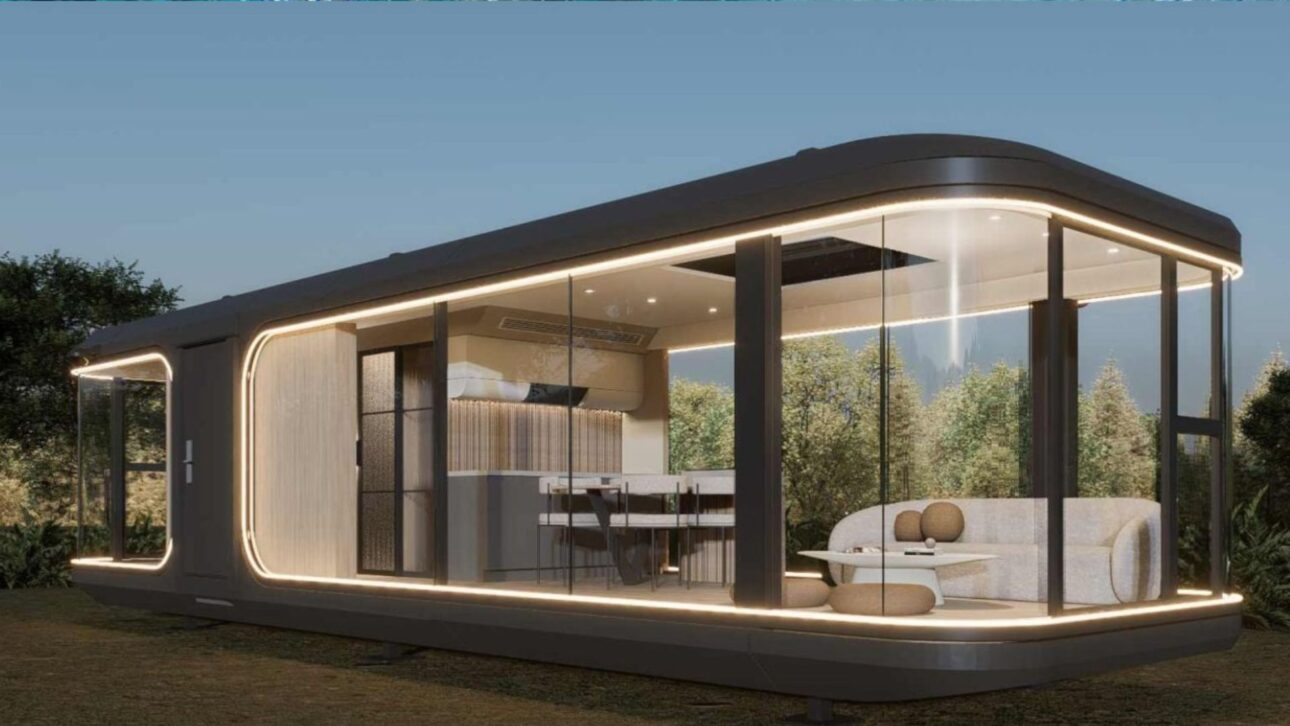
Features Of The Capsule House And Compact Modular Structure
Each compact modular house leaves the factory with underfloor heating, reverse air conditioning, and high-density polyurethane thermal insulation, withstanding temperature variations from –15 °C to 45 °C.
The electrical and hydraulic connections use quick pressure fittings, allowing an electrician and a plumber to finish the connections in under forty minutes.
The front facade features 8 mm laminated tempered glass with UV protection and automated blinds, a feature that reduces heat entry in coastal regions.
Demand Driven By Rural Tourism And Short-Term Rentals
The growth of 12.6% in tourist flow in 2024, recorded by the Confederation of Agriculture and Livestock of Brazil (CNA), boosts investments in accommodations immersed in nature.
Ecotourism entrepreneurs see the compact modular house as an alternative that eliminates the need for specialized local labor and minimizes environmental impact — installation occurs on helicoidal piles without excavation.
According to tourism consultant Luiz Mapelli from Senar-SP, the speed of assembly “shortens the time between capital investment and return, a vital condition in seasonal destinations.”
Capsule House As A Solution To The Housing Deficit
Brazil still faces a deficit of 5.9 million housing units, according to data presented to the Chamber of Deputies in May 2025.
Experts see the capsule house as a complementary tool to public programs, especially in areas with restricted access to concrete trucks.
Besides the quick assembly, the module can be transported by flatbed truck if the family receives permanent land — a feature valued by riverside populations and communities affected by floods in the South.
Expansion Of The Global Modular Housing Market
A report from Market Growth Reports indicates that the global industrialized housing market is expected to jump from US$ 50.7 billion in 2024 to US$ 64.1 billion in 2033, a growth of 2.9% per year.
The trend is driven by schedules up to 55% shorter than conventional construction and low-carbon policies.
In this scenario, the compact modular house gains ground by combining mass production and customization of interior finishes, from hotel standards to rustic finishes.
Steps And Functioning Of The Import Of The Capsule House
The process begins with choosing the layout — today there are three options for capsule houses: single suite, open loft, or studio with balcony.
After the order is placed, the Chinese factory takes 25 business days to complete the batch.
The next step is maritime shipping, which takes an average of 45 days to the port of Itapoá (SC) or Santos (SP).
Considering customs clearance, road transport, and foundations, the total timeline is around 120 days.
Clean Energy And Autonomy For Modular Homes
To enhance independence off the grid, Holi Haus has begun offering a 2.5 kW photovoltaic kit with lithium batteries and reverse osmosis water purifier.
According to the company, this kit ensures autonomy for up to three days in case of a power outage, a requirement increasingly requested by buyers in the compact modular house segment.
Financing, Regulation, And Next Launches In The Brazilian Market
Being classified as a movable asset, the capsule house can be financed through credit lines for equipment, with terms of up to 48 months and rates starting at 1.29% per month, according to simulations obtained from a fintech partner of the importer.
However, engineers warn that connecting the module to the public grid requires a simplified municipal building permit, along with environmental licensing in preservation zones.
Holi Haus plans to open a traveling showroom in six Brazilian capitals by December 2025.
Chinese manufacturers are already studying new 26 m² and 54 m² models to cater to niches of home offices and private spas.
Meanwhile, local architects are starting to develop decks, pergolas, and complementary modules that attach to the original structure of the compact modular house, creating small modular villages for boutique hotels.
With prices increasingly accessible and almost instant installation, would you buy a capsule house to live in or invest in short-term rentals?









Ainda acho a casa container mais resistente e mais segura. Esse modelo aí parece casa inflável, não parece muito segura ou durável. Esse material é inflamável? Como se comporta sob sol e chuva intensos?
Uma casa container de 2 andares (2 x 30 m²) me parece uma boa escolha.