





 Portuguese
  English
  Spanish
  7 min of reading
  0 comments


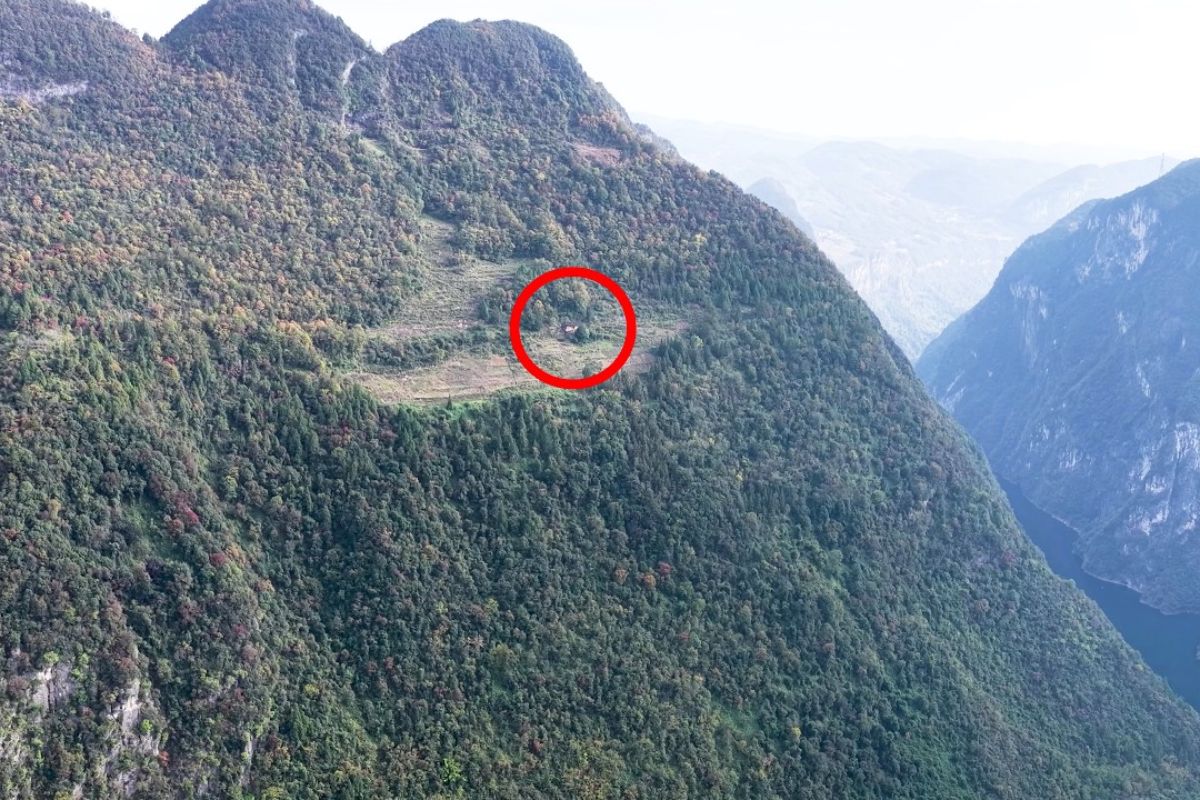
On The Banks Of The Qingjiang River In Hubei, A Wooden House Rises On A Nearly Vertical Cliff, Surrounded By Forests And Gorges. Without Roads And No Neighbors, The Family Descends A Steep Trail, Seeks Water From A Cave, Plants Terraces, Raises Pigs And Bees, And Takes Care Of The Grandchildren While Their Parents Work Far Away.
On The Cliff Overlooking The Valley Of The Qingjiang River In Hubei, A Wooden House Appears As If It Had Been Forcefully Inserted Into The Mountain, Surrounded By Pristine Forests And Gorges That Seem To Have No Bottom.
Without Roads, No Neighbors, And With Access Only By A Narrow Steep Trail, The Family’s Routine Centers Around Agricultural Terraces, Water Taken From A Cave, And The Care Of Grandchildren, Pigs, And Bees While The Parents Work Far Away.
The Cliff And The Emptiness Around

The Scenery Is One Of Complete Isolation. The House Is Located On A Steep And Nearly Vertical Slope, In The Midst Of Imposing Mountains That Surround Everything. Down Below, The Qingjiang River Flows Swiftly, Like A Living Line Cutting Through The Valley. Around, Only Forest And Deep Gorges.
-
A couple buys an old chalet, breaks the kitchen floor for renovation, and finds over a thousand coins of gold and silver hidden since the English Civil War over 4 centuries ago.
-
Rigid bags with their days numbered: new trend prioritizes comfort in 2026.

-
YouTuber creates an excavator equipped with a giant 4.5-meter sword to challenge his brother to a rematch, and the invention quickly goes viral on social media.
-
The U.S. Army surprises the world by presenting the UH-60MX Black Hawk helicopter capable of flying without pilots, controlled by a tablet, featuring the MATRIX system, smart sensors, and full autonomy in real combat and rescue missions.


The Cliff Is Not Just A Landscape: It Is The Rule Of The Game. It Determines Where To Walk, Where To Plant, How To Seek Water, And How Much Effort Is Involved In Any Simple Task Of The Day.
Without Road, No Neighbors, Just A Trail

The Access Has No Shortcut. To Reach The House On The Cliff, There Is No Road, Only A Narrow Path, Apparently Little Used, Overgrown With Weeds And Wildflowers. The Feeling Is Of Entering A Forgotten Stretch, Where Nature Tries To Swallow What Humanity Opened In The Past.
The Journey Begins At An Altitude Of About 1,000 Meters And Requires Descending About 500 Meters To Reach The House. It Is A Descent That Tires, And Then All Of That Becomes An Ascent On The Way Back. In A Cliff, Distance Is Not Measured Only In Kilometers: It Is Measured In Incline.
The Steep Trail And The Fear Of Not Arriving

The Path Is So Steep That The First Reaction Is Shock. In Some Sections, The Trail Appears To Disappear Under The Vegetation, Without Clear Marks Of Recent Passage. A Fork Even Appears, And The Direction Decided Is More Based On Intuition Than On A Sign Or Visible Reference.
With Every Step, The Doubt Returns: Can We Really Get There? The Type Of Terrain Reinforces The Tension Of Walking On A Cliff Where Slipping Is Not Just A Simple Trip. It Is A Place That Forces The Body To Stay Alert At All Times.
Doors, Fences And The Logic Of Protecting What Is Yours
Along The Way, Signs Of Practical Use Of The Territory Appear, Such As A Wooden Door At A Certain Point On The Trail, Explained As Protection For The Livestock. In A Place Where Everything Requires Effort, Losing An Animal Or Crop To Invasions Becomes A Heavy Loss.
Nothing Seems Decorative. Everything That Exists There Has A Function. In A Cliff, Every Object Has A Reason Because Carrying, Repairing, And Maintaining Costs A Lot Of Energy.
The Wooden House In The Center Of The Terraces

When The House Appears, It Draws Attention For Being In The Midst Of Narrow Agricultural Terraces, Carved Layer By Layer On The Slope. The Wood Gives An Old Feel, And The Impression Is That The Construction Was Forced To Adapt To The Cliff, Not The Other Way Around.
The Foundation Is High And Made Of Large Stones. This Elevated Base Exists To Deal With A Simple And Constant Problem: Rain And Humidity. The Water That Runs Off The Eaves Can Soak The Wood, And Wet Wood Decays More Easily. The Height Of The Base Is Not Luxury, It Is Defense.
A Family That Lives Where Almost No One Would Step

The Reception Reveals An Active Family Routine: There Are Dogs, Children, And Movement. Visitors Arrive, Ask To Enter, And The Dialogue Brings Together Those Who Arrive And Those Who Live There.
The Grandchildren Appear As A Central Part Of Daily Life. Meanwhile, The Parents Work Outside. The Logic Is Simple: The Adults Go Out To Ensure Income, And The Grandparents Take Care Of The Daily Needs Of The Children On The Cliff.
Grandparents In Charge And Grandchildren Growing In The Mountain

The Grandmother Says She Is 61 Years Old And Started Taking Care Of The Two Grandchildren In June. During Vacation Periods, The Children Stay Longer There. When Necessary, Someone Goes Out To Take Them To School, In A Routine That Requires Long Displacements.

Raising Children On A Cliff Changes Everything. It Is Not Just Playing In The Yard. It Is Living With Elevations, Trails, And Physical Limits All The Time, In An Environment Where Any Movement Comes At A Cost.
A House With More Than A Century Of History

The Age Of The House Comes Up In The Conversation. The Current Construction Has Ancient Roots, Linked To The Grandparents’ Generation. The Estimated Time Easily Exceeds 100 Years, Even Though No One Has Done The Exact Count.
There Is Also A Part In Rammed Earth And Signs Of Older Structures, As If The Place Had Gone Through Phases Of Adaptation. On A Cliff, A House Is Not A Short-term Project: It Is An Inheritance And Persistence.
Why Come To Live On A Cliff
The Move To This Point On The Mountain Connects To Agricultural Use. The Family Talks About Cultivation, Of The Land That Is Theirs, Of Areas Used For Planting. The Slope Has Been Used, And The Terraces Have Become The Solution To Plant Where The Terrain Does Not Offer Flat Space.
The Reason Repeats In Any Mountain Corner: To Stay Close To The Working Land, Even Though The Cliff Charges Its Price Every Day.
Water Comes From A Cave In The Cliff
When The Conversation Reaches The Inevitable Question Of Where The Water Comes From, The Answer Is Simple: It Comes From A Cave. There Is Water Flowing From Inside The Cliff, A Flow That Needs To Be Reached And Carried Back.
This Image Changes The Weight Of Words Like “Supply.” Here, Water Is Not A Tap. Water Is A Journey. Water Is Descent. Water Is Return.
Planting On Terraces And Food That Needs To Last
Around, The Planting Appears In Different Spots: There Is Mention Of Corn, Of Oranges Grown At Home, And Other Crops Scattered Across The Slope. The Oranges, For Example, Are Treated As Something That Can Be Stored For A Long Time, Lasting Until The Lunar New Year.
This Detail Reveals A Typical Habit Of Those Who Live In Isolation: Ensuring Food For Long Periods. On The Cliff, Planning Is Survival.
Pigs And Bees As Part Of The Household Economy

The Raising Of Pigs Emerges As A Present Activity, Although The Number Is Not Treated As Large. The Pigsty Is There, Showing A Way To Keep Food And Possibly Generate Some Sales When Necessary.
The Bees Also Appear As Livestock. In A Place Without Roads, Any Activity That Can Generate Products And Reduce Dependency On Frequent Trips To The Outside Becomes Valuable.
Electricity In The Midst Of Isolation
Even With The Isolation, There Is Electricity. The Explanation Points To A Connection That Comes From A Higher Point, Bringing Power To The House On The Cliff.
This Detail Contrasts With The Absence Of A Road. Access Is Difficult, But The House Is Not Completely Disconnected From The Modern World. It Is A Cliff That Blends The Past And Adaptation.
The Parents Work Far Away And Return Only On Specific Dates
The Family Dynamic Shows Distance. The Children’s Parents Work Outside, In Another Region, And Return On Specific Dates, Such As The Chinese New Year. This Reinforces The Role Of The Grandparents As Guardians Of Daily Life.
The Routine Becomes A Kind Of Alternating: Those Who Work Far Provide Support, While Those Who Stay On The Cliff Ensure The House, Planting, Livestock, And Care For The Children.
What Is Most Frightening Is Not The House, But The Logistics

The Isolation Is Not Just Geographic, It Is Logistical. Any Purchase Of Food Requires Going Out. Any Transport Requires Carrying. The Steep Path Makes Everything Slower And More Exhausting.
And There Is One Detail That Appears As “The Main Problem”: The Road Does Not Exist. The Rest, They Say, Is Great. The Scenery Is Beautiful, The Territory Is Theirs, Life Goes On. But The Cliff Charges A Toll For Every Trip.
The Cliff As Routine, Not As Adventure
For Those Who Visit, The Trail Becomes An Adventure. For Those Who Live There, It’s Monday. The Cliff Imposes Constant Effort, But Also Offers A Type Of Life That Seems “Out Of Time,” With An Old House, Mountain, Planting, Raising Livestock, And A Family Gathered.
In The End, What Surprises Is Not Just The Isolated House. It Is Realizing That There Is An Organized, Functional Routine That Is Full Of Work In A Place That, For Many People, Would Seem Impossible.
Could You Live On A Cliff Like This, With A Steep Trail Every Day And Water Coming From A Cave In The Mountain?








-

-

-

-

-

9 pessoas reagiram a isso.