





 Portuguese
  English
  Spanish
  2 min of reading
  0 comments


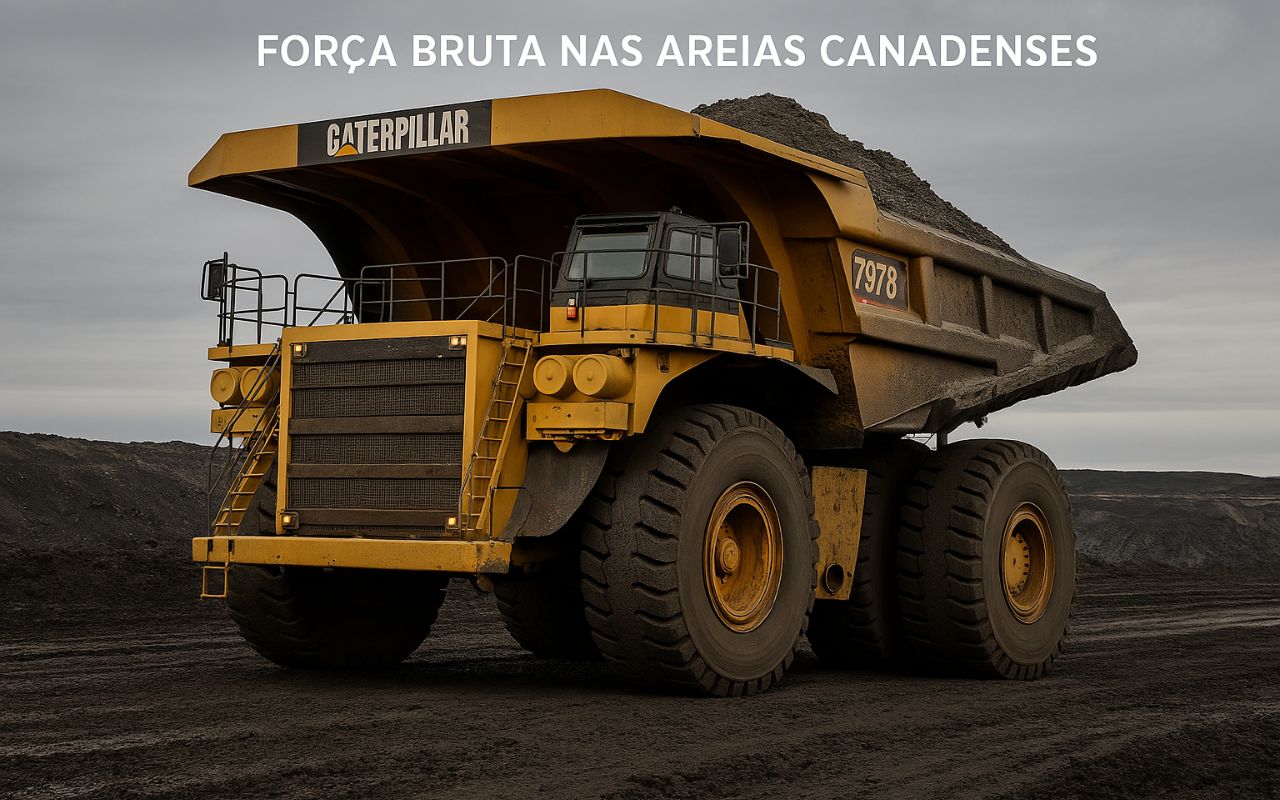
In The Oil Sands Of Alberta, Canada, The Caterpillar 797B Transports 400 Tons Per Trip, Has A 3,550 HP Engine, Consumes 788 Liters Of Diesel Every 100 Km, And Operates 24 Hours A Day, Every Day Of The Year.
In the far north of Canada, where oil is trapped in the sand, extraction happens using excavators and giant machines. In this heavy mission, the leader is the Caterpillar 797B, one of the largest dump trucks in the world, operating in one of the most challenging environments on the planet.
The terrain is hostile, the soil is dense and sticky, and the work is continuous. The 797B runs in 24-hour shifts, transporting up to 400 tons of tar sand per trip, which represents about 200 barrels of oil.
Gross Power With Surgical Precision Of The Caterpillar 797B
The Caterpillar 797B is powered by a 24-cylinder engine, with 3,550 horsepower and weighing 19 tons. To keep this system running, an impressive 788 liters of diesel are needed for every 100 kilometers. Yet, it can reach speeds of up to 68 km/h when fully loaded.
-
Historic bankruptcy of Centauro shocks the market, and the century-old company puts more than 500,000 products, machines, and complete infrastructure up for online auction.

-
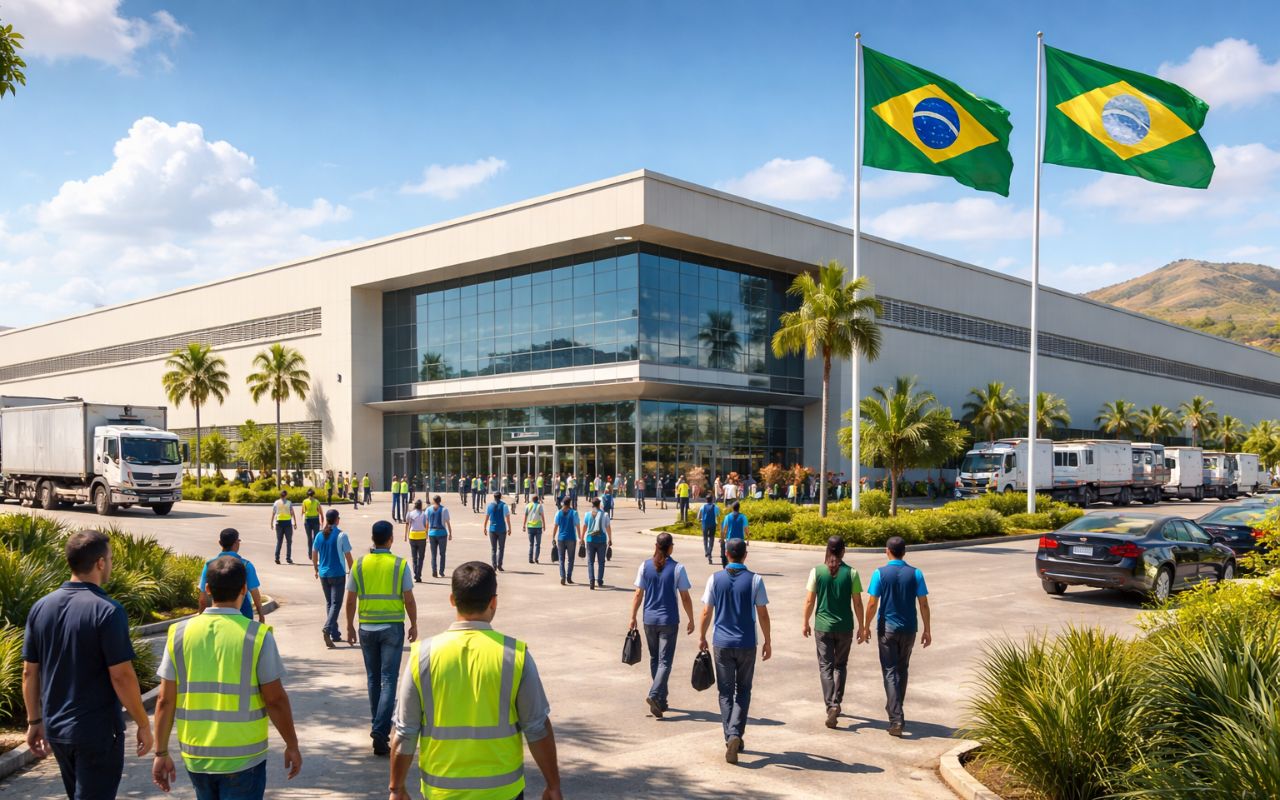
New shoe factory in Ceará is expected to create 400 jobs and strengthen the local economy.
-
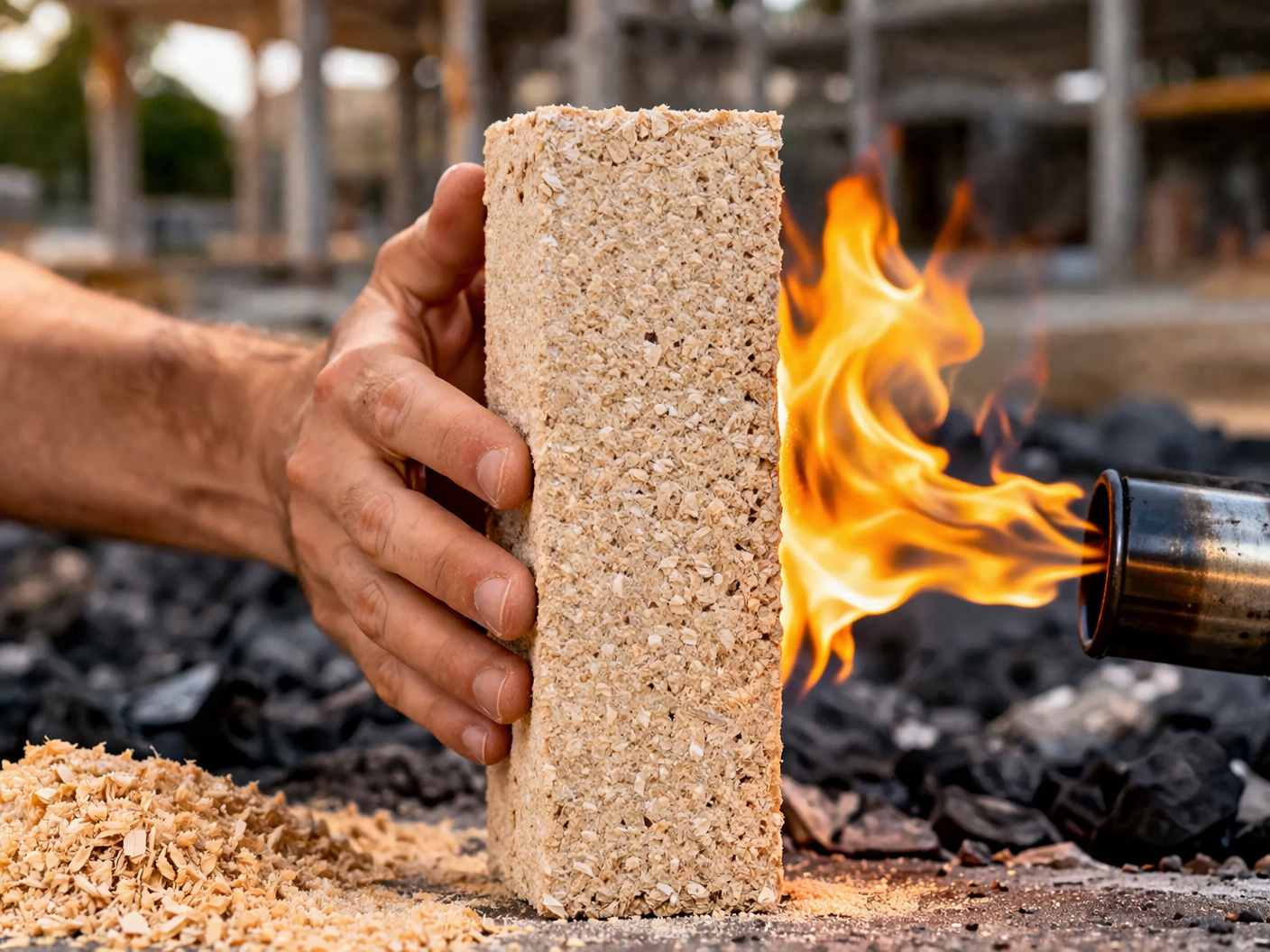
No one imagined it, but a mixture of sawdust with a mineral that fights fires surprises scientists with a result that changes the course of fire-resistant construction.
-
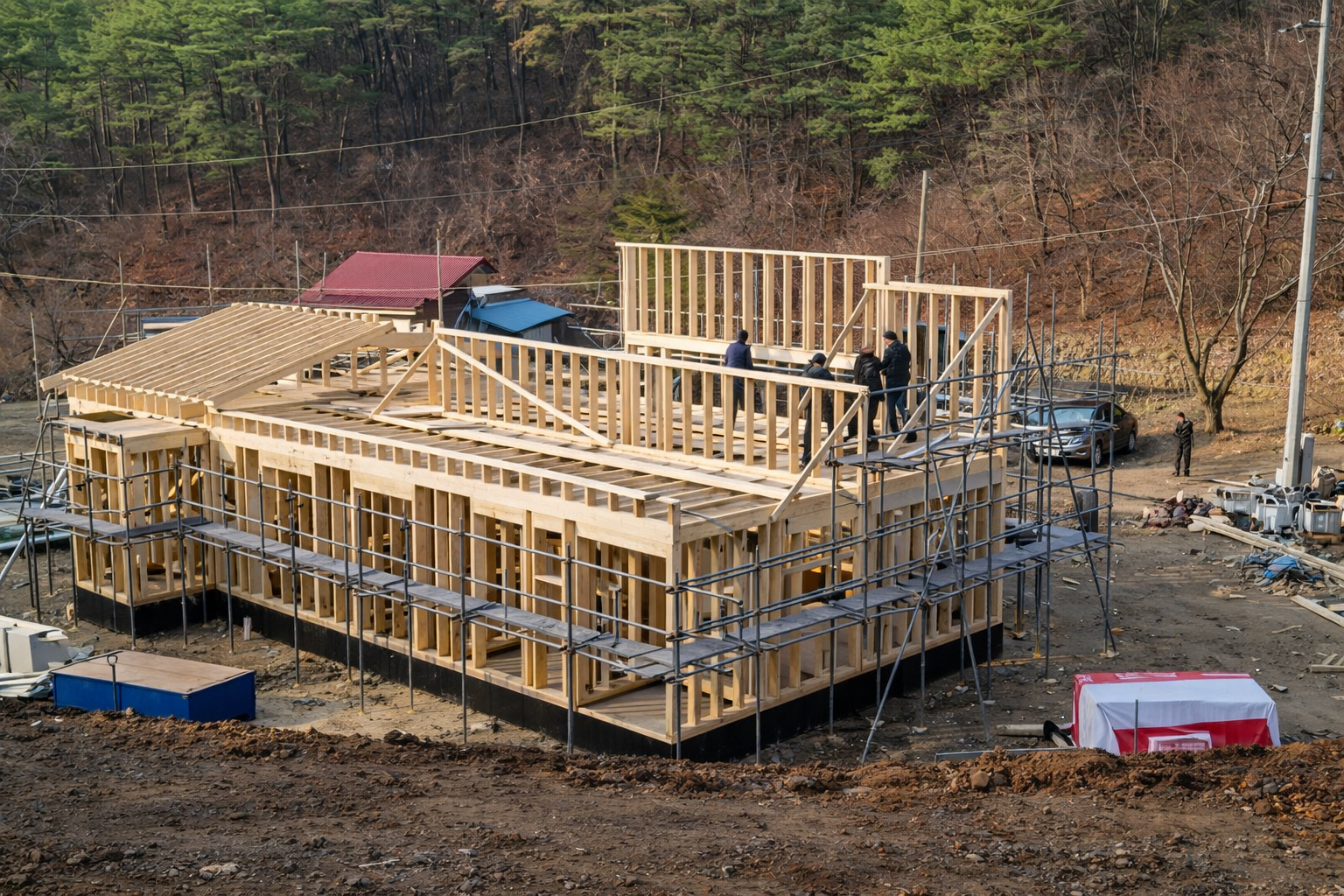
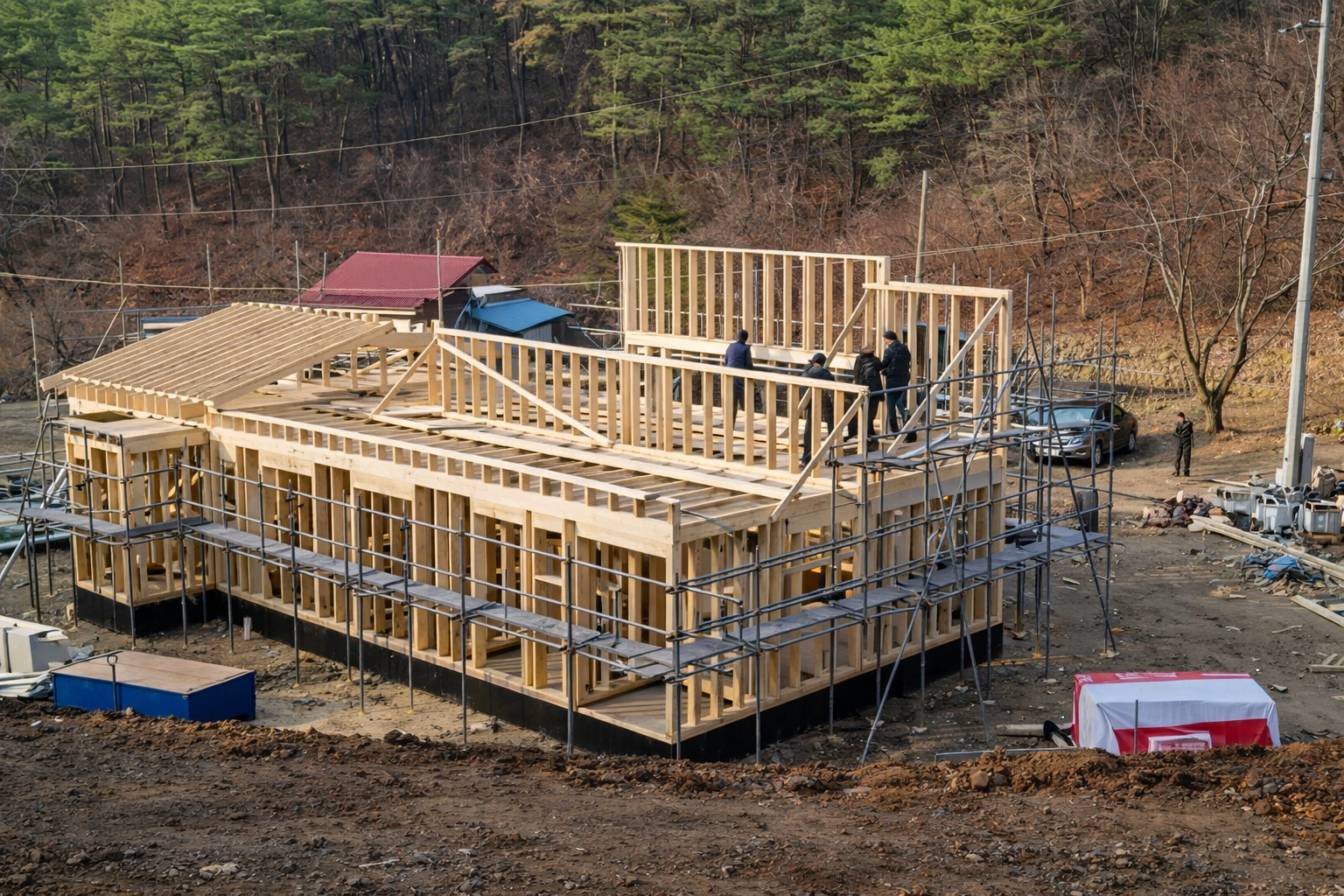
From empty land to a high-end house, wooden construction uses a lightweight system, metal structure for the foundation, ventilated ceramic cladding, and special windows to create an efficient and comfortable living space throughout the year.
Its structure stands 7.6 meters tall, each tire measures over 4 meters and weighs 5 tons, made with 130 layers of rubber, applied by hand, layer by layer, by a specialized team. The tires are molded under pressure and heat, and then inspected with state-of-the-art technology.
Cast Steel, Robots, And Industrial Scale Welding
The production of the Caterpillar 797B begins at the steel foundry in Amite, Louisiana, where 11-meter columns are molded from alloys with silicon, aluminum, and other reinforced metals. The molten metal is poured into giant molds, cooled for up to 36 hours, and then heat-treated to withstand extreme impacts.
The structure is sent to Decatur, Illinois, where the frames are welded by 21-axis robots, supported by workers who handle the more complex areas. Each truck requires over 12.5 kg of carbon steel welding wire. After assembly, the structure receives a yellow electrostatic paint, with a thickness of 2 to 3 mm, applied by spraying with an electric charge for perfect adhesion.
Final Assembly In Canada And Continuous Operation
After assembly, the Caterpillar 797B is sent in parts to Fort McMurray, Alberta, where a team of technicians assembles the dump box, which weighs 45 tons and measures nearly 10 meters in length. The process requires cranes, safety sensors, and millimeter precision alignment.
The cabin is designed to withstand and protect. With panoramic windows, ergonomic seat, digital panels, and climate control, it ensures that drivers like Paula, one of the night shift operators, can work safely and comfortably, even during shifts of up to 12 hours.







Seja o primeiro a reagir!