





 Portuguese
  English
  Spanish
  3 min of reading
  0 comments


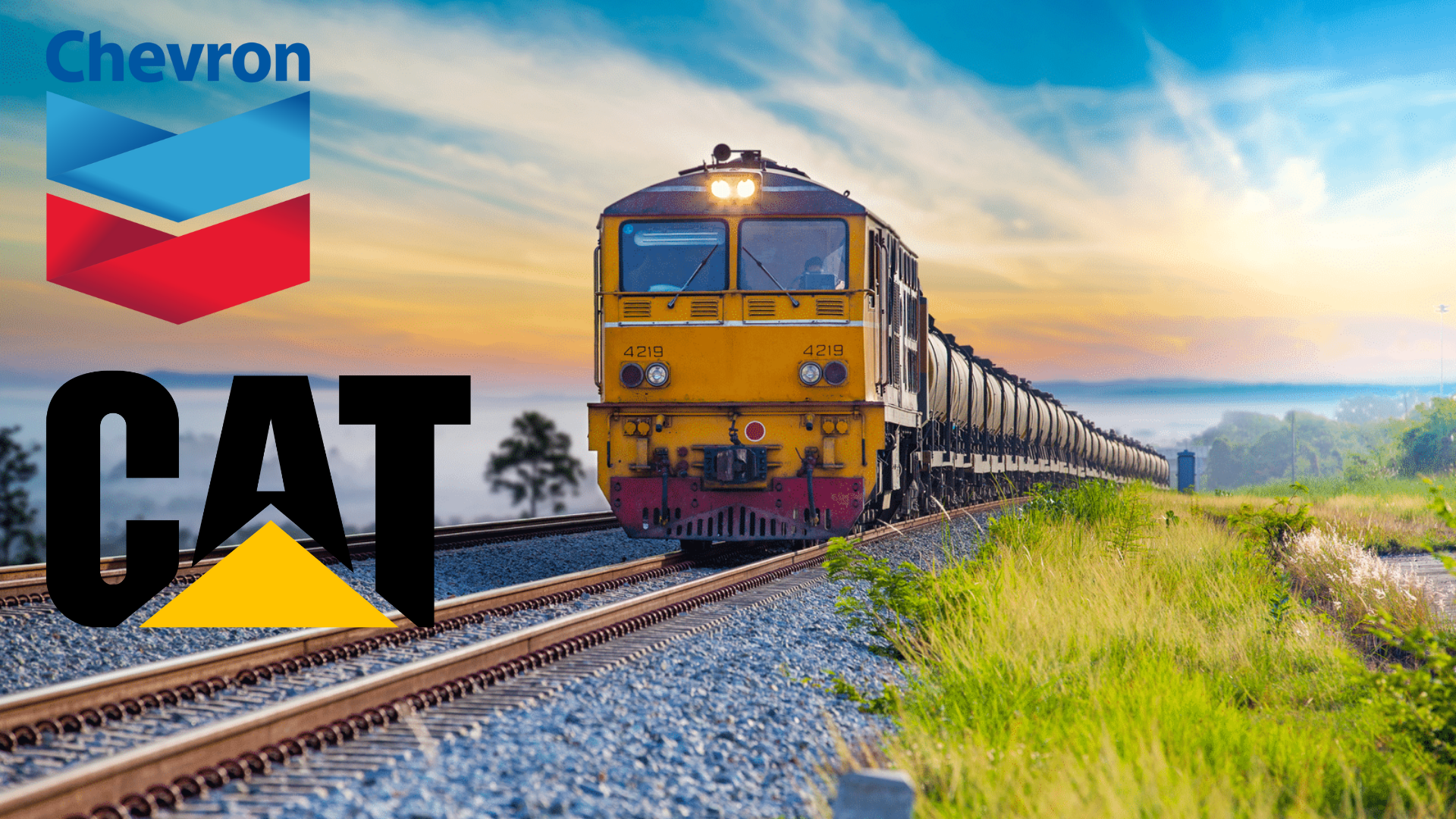
The Partnership Between Caterpillar and Chevron Is to Develop Hydrogen Demonstration Projects in Transportation and Stationary Energy Applications
Chevron and Caterpillar recently announced a partnership to develop hydrogen demonstration projects in transportation and stationary energy applications. The goal of the collaboration is to confirm the viability and performance of hydrogen for use as a commercially viable alternative to traditional fuels for rail and maritime transportation vessels. Also read this news: Chevron Plans to Acquire New Oil and Gas Areas in Upcoming Auctions in Brazil
- Brazilian Digital Bank C6 Bank Has 500 Job Openings Available; There Are Home Office Opportunities
- New R$ 100 Million Plant That Converts Waste into Energy Will Be Built in the State of Paraná
- Multinational Continental Calls for Professionals Without Experience for Internship Positions
- 500 New Jobs Will Be Created with the Installation of Two Ventures in Rio Grande do Sul
- Shell and Equinor Announced Yesterday (09/13) Billion-Dollar Investments to Support the Naval, Offshore, and Oil and Gas Industries in Rio de Janeiro
Hydrogen Projects by Chevron and Caterpillar
The goal of the collaboration is to confirm the viability and performance of hydrogen for use as a commercially viable alternative to traditional fuels for rail lines and maritime vessels. The collaboration also aims to demonstrate the use of hydrogen in primary generation.
The companies have reportedly agreed to demonstrate a hydrogen-powered locomotive and associated hydrogen refueling infrastructure. Work on the railway demonstration will begin immediately at various locations in the United States, according to Chevron.
-
Renewable energy advances over protected areas in Brazil, and a survey by the Energy Transition Observatory reveals silent impacts that challenge environmental conservation and pressure sensitive traditional territories.

-
Rio Grande do Sul accelerates energy transition: State invests in renewable technologies and consolidates decarbonization strategies and pathways to attract billions in new industrial investments.

-
With 160,000 m² of collectors, an area larger than 20 football fields, Silkeborg, in Denmark, hosts a solar thermal plant that heats 19,500 homes and could become the largest solar heating plant in the world.

-
A study reveals the expansion of renewable energy procurement in Brazil and shows how companies are taking advantage of opportunities to reduce expenses, ensure energy efficiency, and strengthen strategic environmental commitments.


Investment in Renewable Projects
Joe Creed, president of Caterpillar’s energy and transportation group, stated that while they work to provide customers with the ability to use the type of fuel they desire in their operations, collaborating with Chevron is a great opportunity to demonstrate the viability of hydrogen as a fuel source. “This agreement supports our commitment to invest in new products, technologies, and services to help our customers achieve their climate-related goals as they build a better and more sustainable world,” he added in the statement.
“Through Chevron New Energies, Chevron, along with Caterpillar, is seeking opportunities to create demand for hydrogen – and the technologies needed for its use – for the heavy-duty and industrial sectors, where carbon emissions are most difficult to reduce,” Jeff Gustavson, president of Chevron New Energies, said in a company statement. The executive also emphasizes that the collaboration with Caterpillar is another important step toward advancing a commercially viable hydrogen economy.
Also Check Out: Ceará Will Receive Investments of R$ 90 Billion and Could Generate Over 5,000 Jobs with Green Hydrogen Projects
The government of the state of Ceará has already closed a memorandum of understanding with companies to make investments in green hydrogen production plants, which can result in investments of R$ 91.25 billion. The forecast is that these plants alone will generate 5,000 jobs in the initial phases, not counting secondary or parallel operations.
Fortescue Future Industries, a subsidiary of Fortescue Metals Group, a global leader in the iron ore mining industry, will invest US$ 6 billion to build a green hydrogen plant in the state of Ceará. This is due to the extensive prospects for sustainable sources, with demand expected to reach 200 million tons by 2030. According to the governor of Ceará, Camilo Santana, the venture is expected to be important for increasing job generation for the people of Ceará. This new green hydrogen hub is also expected to include a tax incentive plan until 2050, according to the head of the Executive branch of the state of Ceará. The goal is to facilitate the initiative and expedite negotiations.
Qair Brasil announced at the end of June that it will build a new green hydrogen plant in the state of Ceará. The company, which is part of the French group Qair, states that the construction of the project is planned to be carried out in four phases, between 2023 and 2030. The green hydrogen venture could receive investments of nearly R$ 4 billion.









Seja o primeiro a reagir!