





 Portuguese
  English
  Spanish
 5 min of reading
  0 comments


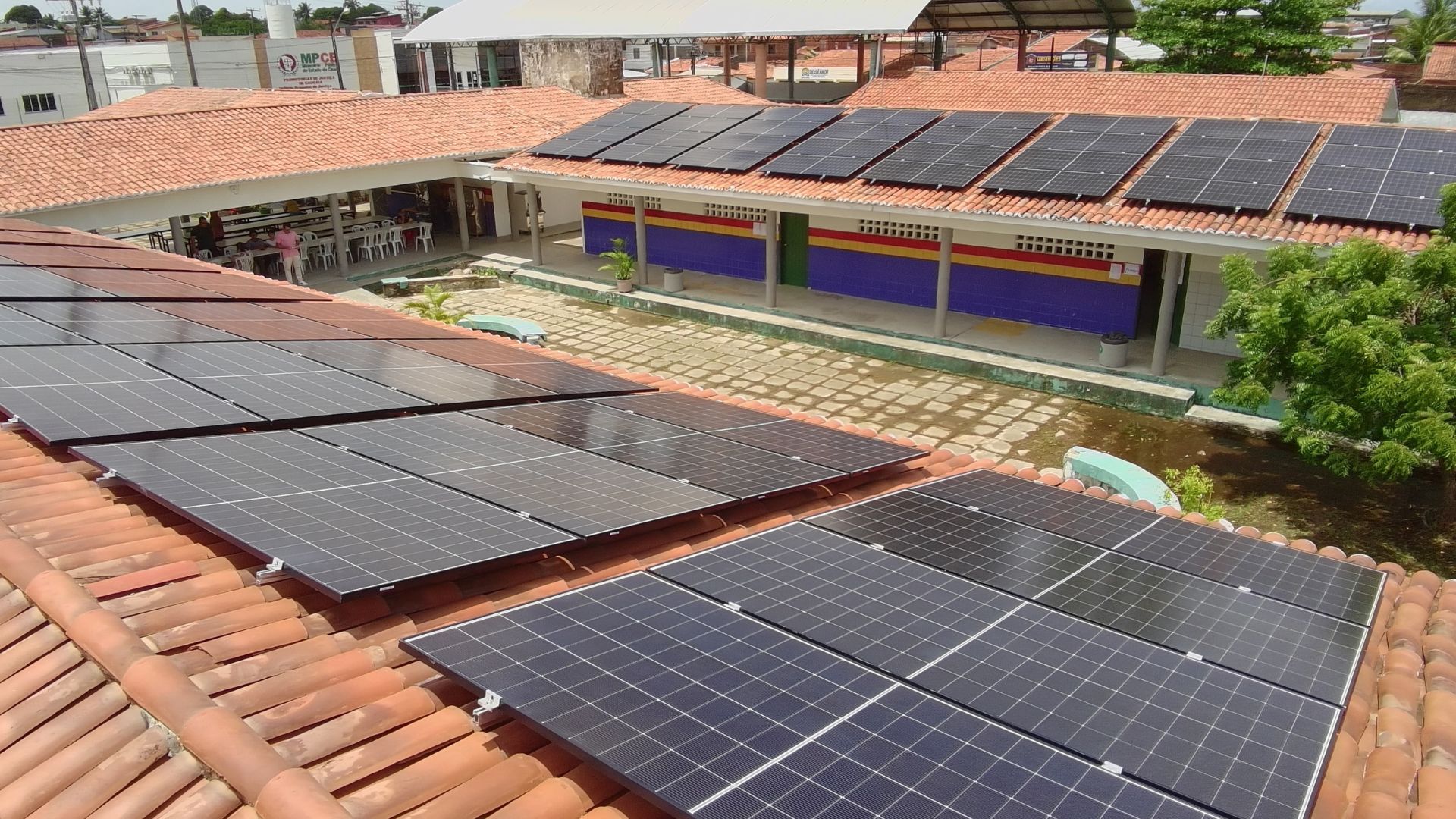
Caucaia City Hall Accelerates Sustainability Project With Solar Panels in Municipal Schools, Generating Public Savings, Structural Modernization, and Advancements in Energy Efficiency in Ceará
On February 11, 2026, the Caucaia City Hall, through the Municipal Education Secretary (SME), confirmed the progress of the project for the implementation of solar energy in the municipal education system schools. The initiative is part of a set of public policies aimed at sustainability, modernization of educational infrastructure, and strengthening of energy efficiency in Ceará. The announcement was published on the official city portal and provided relevant data on energy savings, program reach, and environmental benefits.
27 Schools in Ceará Already Use Solar Energy
The project already includes 27 schools equipped with operational solar panels, while another six units are in the installation phase, totaling 33 benefited institutions. The strategy was developed to reduce operational costs, expand the use of renewable sources, and create an educational environment more aligned with contemporary environmental demands. The savings on energy bills exceeds 90% in some units, according to information released by the city administration itself.
Besides the reduction of expenses, the investment also has a pedagogical aspect. The visible presence of solar panels transforms schools into environmental learning spaces, allowing students to practically understand the workings of renewable energies and their positive impacts on the planet. This movement positions Caucaia as a regional reference in educational innovation and environmental responsibility.
-
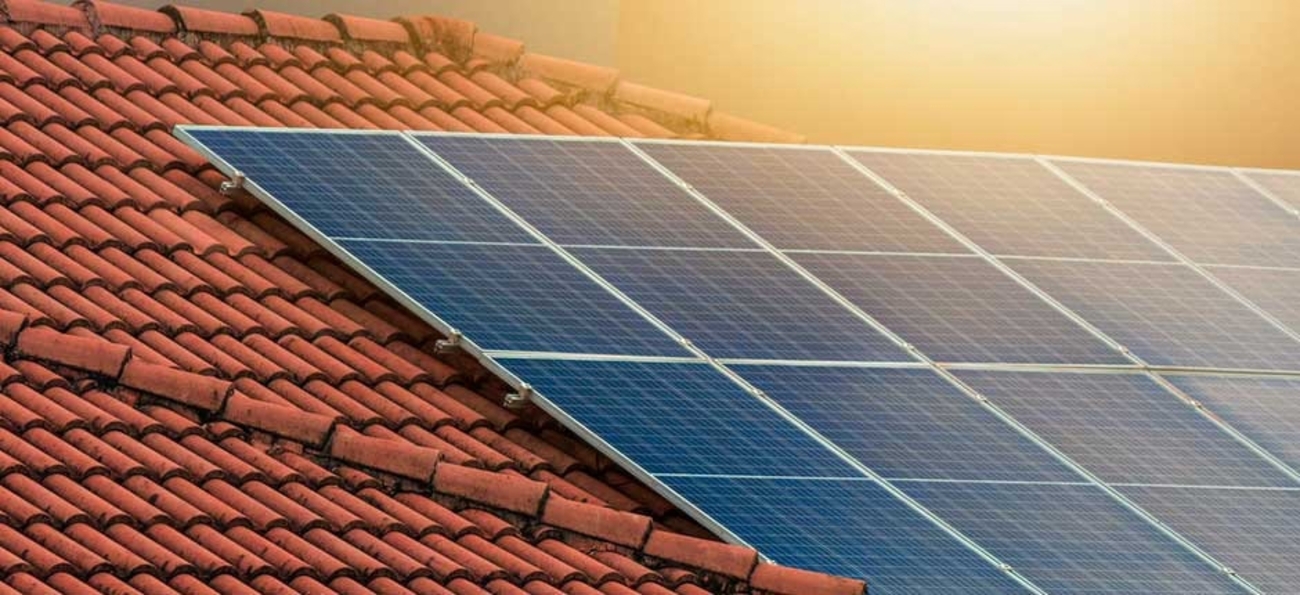
Roraima bets on the sun to escape high tariffs: Amid the energy crisis and price hikes, solar energy is growing in Roraima and transforming consumption in the North region.
-
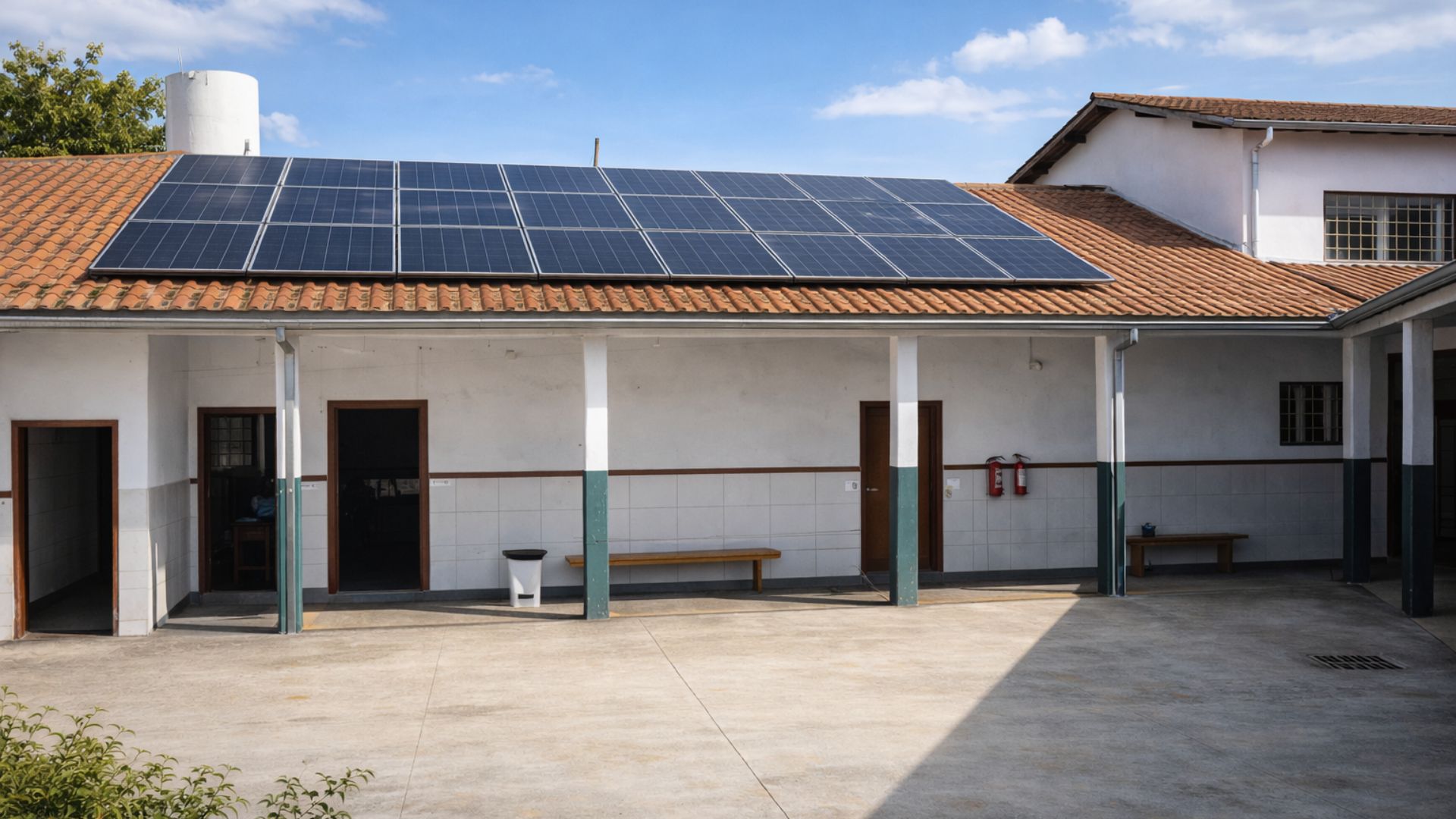
Copel boosts solar energy in Paraná and brings innovation to public schools, promoting savings on electricity bills, energy efficiency, and a direct impact on the quality of education.
-
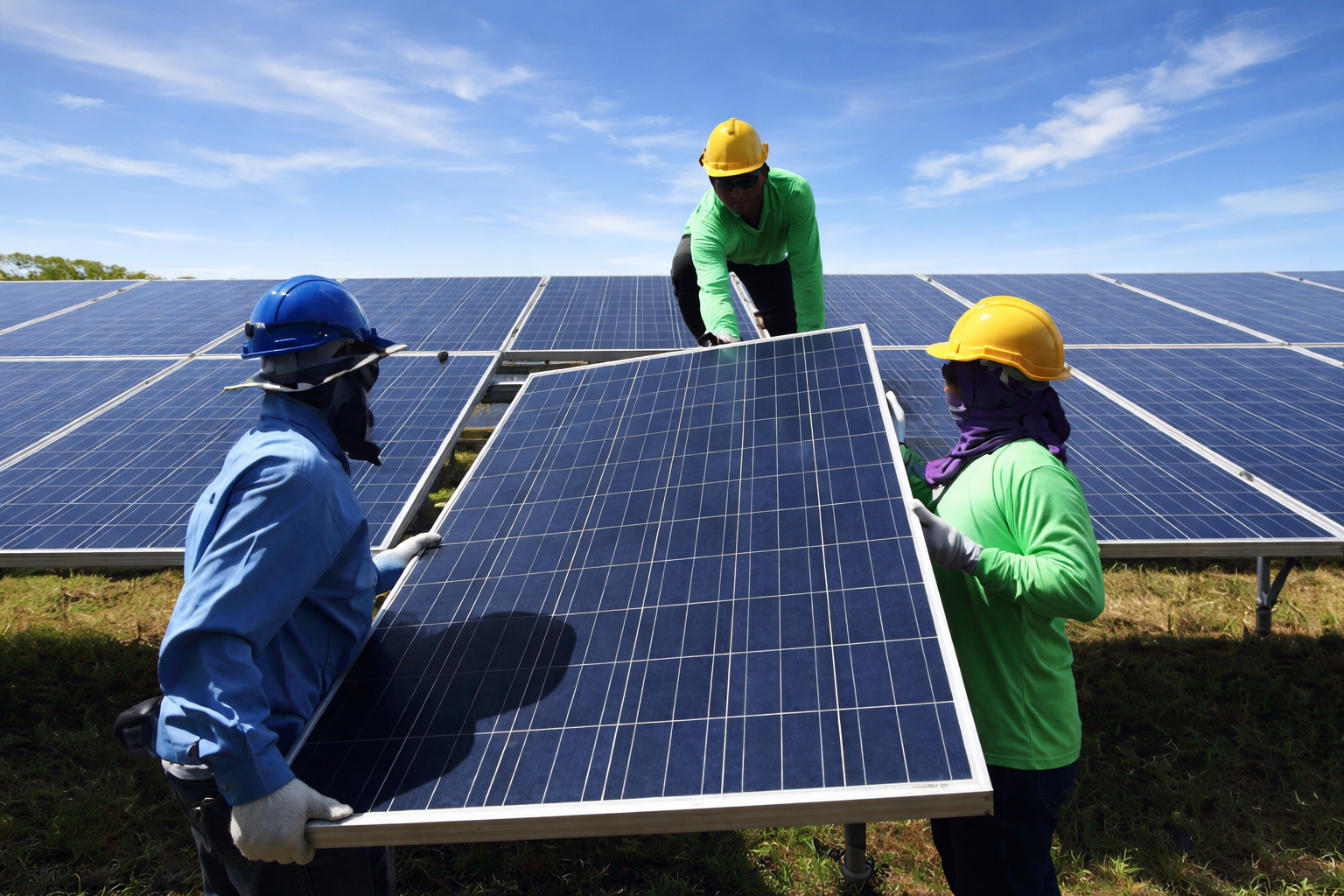
Brazil reaches historic milestone in solar energy: Sector surpasses 2 million accumulated green jobs and generates billions in the national economy even under market pressure.
-
Minas Gerais takes the lead in renewable energy: State surpasses historic mark of 14 GW in solar energy generation in MG and consolidates dominance in the Brazilian electric sector.
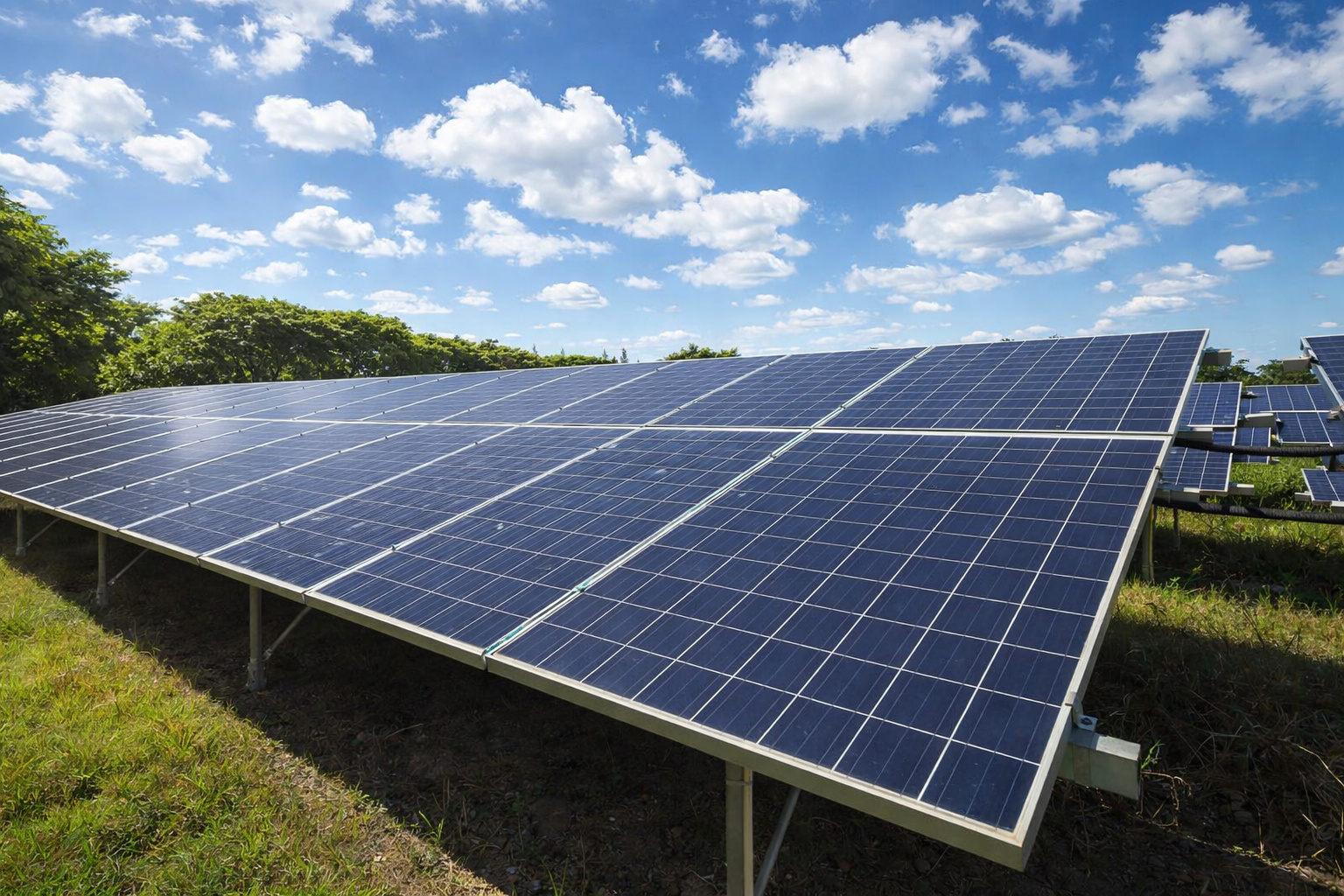

Expansion of Solar Energy in Caucaia Reinforces Commitment to Public Sustainability
The adoption of solar energy in Caucaia represents more than a simple structural modernization. The municipality has sought to integrate environmental policies into the daily life of public education, creating a direct connection between infrastructure and citizen formation. The decision to install photovoltaic systems in school buildings demonstrates strategic planning and long-term vision.
The project was structured considering the technical feasibility of each unit. Schools with larger roof areas were prioritized initially, as they offer better solar light capture capacity. This choice reduces additional costs and optimizes energy generation, allowing the investment to show faster financial returns for public coffers.
Within the context of Ceará, a state with high solar incidence throughout the year, the initiative finds favorable ground for continuous expansion. Sustainability ceases to be just institutional discourse and begins to materialize into concrete actions within municipal schools.
Municipal Schools Start Generating Their Own Energy and Reducing Expenses
One of the most significant data points of the project is the average energy generation. Each school unit equipped with solar energy can produce about 5,000 kWh per month, a volume sufficient to meet a large part of the internal electric demand. This production drastically reduces dependence on the conventional grid, promoting autonomy and budget predictability.
The financial savings generated do not limit themselves only to the electricity bill. With the decrease in fixed expenses, the Education Secretary can redirect resources for building maintenance, acquisition of teaching materials, and teacher training. This cascading effect strengthens the entire education network and contributes to medium- and long-term structural improvements.
Another relevant point is that the installation of systems does not require large structural interventions. Photovoltaic technology allows for quick adaptation to existing roofs, reducing the impact of construction and accelerating the implementation of the program in schools.
Energy Efficiency in Ceará Schools Reaches a New Level
The concept of energy efficiency involves the intelligent use of available resources, avoiding waste and expanding results. In Caucaia, this principle translates into the combination of self-generated energy with strategic consumption management. The result is a more modern, economical, and environmentally responsible educational network.
The initiative also aligns with national policies encouraging distributed microgeneration, a modality that allows public buildings to produce part of the energy they consume. This model has been adopted in various Brazilian cities, especially in regions with strong solar incidence, such as the Northeast.
On the state level, Ceará has been consolidating its position as a hub for renewable energies. Municipal projects like that of Caucaia enhance this reputation and demonstrate that investments in sustainability can yield real financial returns, as well as positive environmental impacts.
Sustainability and Education Move Together in the School Environment
The project is not limited to savings or infrastructure. It also has a strong pedagogical and social impact. The presence of solar panels piques students’ curiosity and opens avenues for discussions about the environment, science, and collective responsibility. Teachers can utilize the system as a teaching tool in subjects like physics, geography, and natural sciences.
This type of approach transforms schools into environments for experimentation and practical learning. Students begin to understand concepts of energy generation, conscious consumption, and environmental preservation in a more concrete manner. Sustainability ceases to be an abstract theme and becomes part of the school routine.
The Municipal Education Secretary, Camila Bezerra, highlighted, in an official statement, that the investment aims to unite economy and environmental awareness. Her statement reinforces that the project was designed to generate a lasting impact, both financially and educationally.
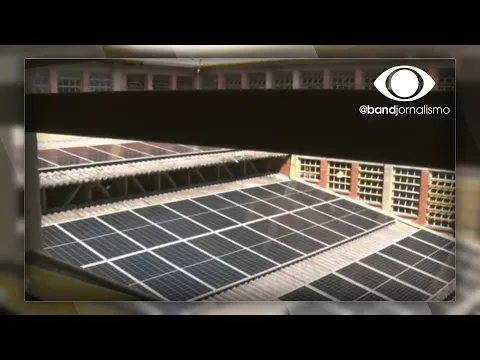

Smart Distribution Model Expands Project Reach
One of the program’s differentiators is the energy sharing system among school units. Schools with greater generation capacity can produce surpluses that can be shared with smaller buildings. This strategy avoids the need for new installations and maximizes the existing energy utilization.
This solar energy model is recognized as an efficient solution for public education networks, as it reduces expansion costs and improves consumption balance among different units. Furthermore, it strengthens the concept of energy cooperation within the municipal structure itself.
With this methodology, Caucaia can expand the initial investment impact without compromising the public budget. The project becomes scalable and financially sustainable, ensuring continuity in the coming years.
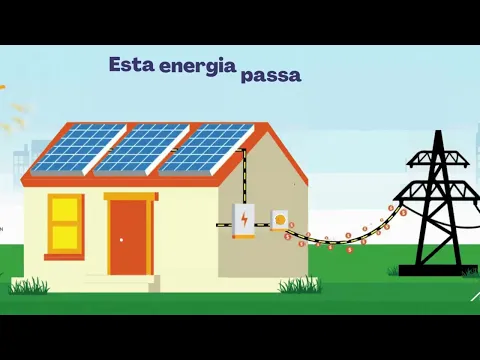
Environmental and Economic Impacts of Using Solar Energy
The benefits of investing in solar energy in schools are not limited to the short term. In the long run, the reduction in energy expenses tends to offset the amount spent on installing the systems. At the same time, the indirect reduction of carbon emissions contributes to environmental preservation and improves the institutional image of the municipality.
The initiative strengthens the culture of innovation and social responsibility, encouraging educational projects linked to science and technology. Students begin to see the school as a space for transformation and not just theoretical learning. This effect is reflected in the formation of more aware citizens, prepared for the environmental challenges of the future.
By integrating education, economy, and the environment, Caucaia demonstrates that well-planned public policies can generate broad and lasting results. The municipality consolidates its position as a reference in sustainability and energy efficiency in Ceará, showing that innovation and fiscal responsibility can walk hand in hand for the benefit of society.








Seja o primeiro a reagir!