





 Portuguese
  English
  Spanish
 3 min of reading


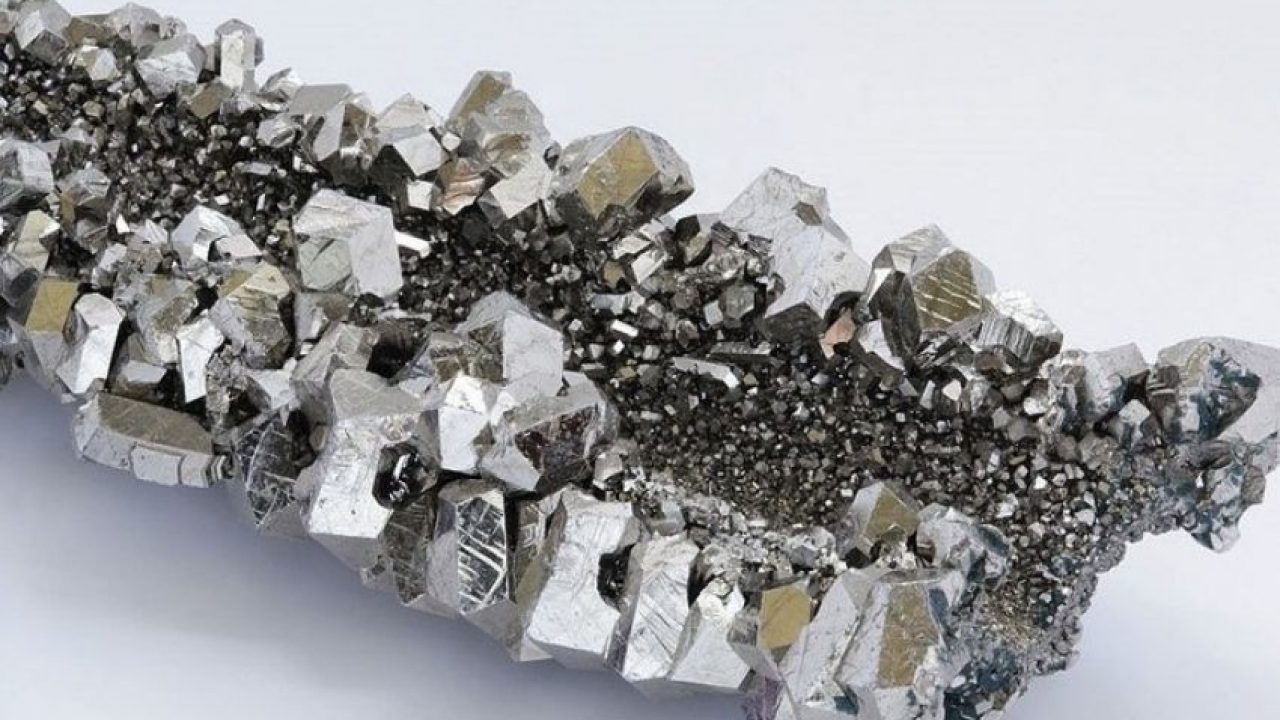
Brazilian Company of Metallurgy and Mining (CBMM) Is Advancing in Projects That Aim to Apply Niobium in Electric Car Batteries.
CBMM, headquartered in Araxá, Minas Gerais, is responsible for 80% of the global production of niobium derived from pyrochlore. The use of niobium in lithium cells of electric car batteries is expected to allow ultra-fast recharging, reducing charging time. It is anticipated that by 2030, electric cars can be recharged at the same speed that a gasoline tank is filled at a gas station.
Niobium is known for making alloys lighter and stronger, primarily applied in the steel industry. Considering the growing demand for electric cars due to increasingly stringent environmental laws, CBMM expects that the first cars with more efficient batteries and ultra-fast recharging will be on the streets within this decade.
According to Paulo Haddad, Market Development Manager at CBMM, the innovation will increase battery safety and allow it to be recharged with much greater power than currently
“We are talking about 10 minutes for a full battery recharge”, stated Érico França, Market Development Analyst at CBMM, in an exclusive interview with Autotempo. Currently, luxury brands such as Audi, Mercedes, and Porsche do not achieve such efficiency in battery recharging. However, the Xpeng G9 vehicle, sold in China for around R$ 230 thousand, promises the fastest recharge in the world, up to 80% of the battery in 15 minutes using a special 480 kW wallbox.
-
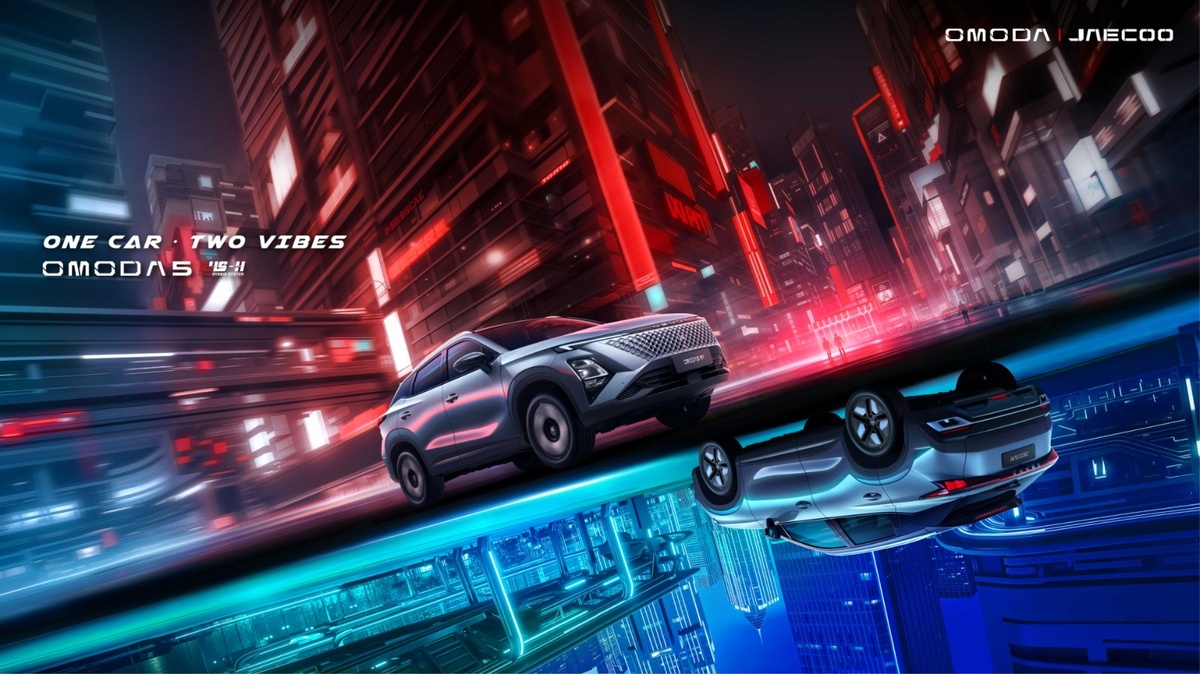
OMODA & JAECOO grows in Europe in 2026 with an integrated strategy of sales, innovation, local production, and technological advancement in the United Kingdom, Italy, and Spain.
-
OMODA & JAECOO expands after-sales service in Brazil with competitive maintenance, a 7-year warranty, and high availability of parts for technological SUVs.
-
OMODA & JAECOO appoints Alessandra Souza as executive marketing director in Brazil and accelerates brand expansion with a focus on innovation, networking, and hybrid portfolio.

-
Jaecoo 7 with super hybrid SHS system exceeds 1,200 km of combined range with a 1.5 turbo engine, high-density battery, and intelligent energy management.
The research developed by CBMM is extremely relevant, as there are currently only 85 mapped niobium extraction points, and CBMM’s mine is responsible for 80% of the global production of pyrochlore derived from the metal. The company exports niobium to over 50 countries, with China, the largest electric car manufacturer in the world, as its biggest customer.
CBMM’s projects represent 5% to 10% of the company’s revenue, but this share is expected to reach 20% to 30% by 2030
According to Haddad, “we are confident that, soon, the application of niobium in electric car batteries will be a reality”. The next stage of CBMM’s tests will be the application of niobium in the batteries of the world’s first hybrid racing truck, the Meteor Mission Zero, which will participate in the Interlagos stage of the Copa Truck on April 30.
In partnership with Giaffone Eletric and Volkswagen Caminhões e Ônibus, the vehicle is being monitored for pollutant emission reduction and battery efficiency. “Niobium is already present in parts and components of the truck, such as the battery protection and the tubes of the driver’s cabin cage. The next step will be for it to run on lithium battery with niobium,” revealed França.
The application of niobium in electric car batteries will allow for a more sustainable path to electric mobility, as in addition to greater speed and safety in battery recharging, the durability time will be increased, avoiding harmful mass disposal to the environment.








-

2 pessoas reagiram a isso.