





 Portuguese
  English
  Spanish
  5 min of reading
  0 comments


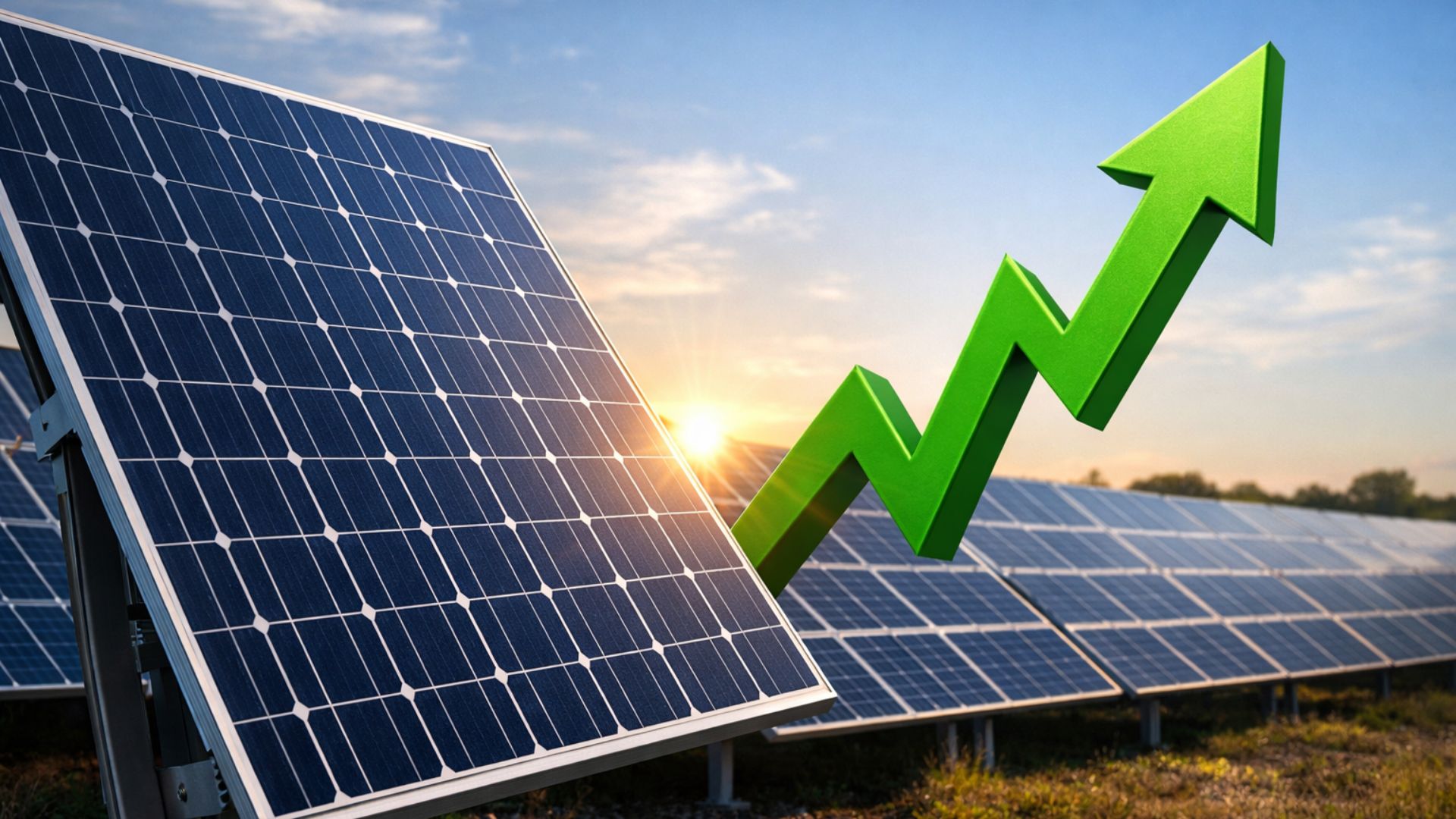
Data Released by CCEE Shows Significant Growth of Photovoltaic Generation in Brazil in December, with Solar Energy Reaching Record Advancement and Signaling Relevant Changes in the Electric Market
In December 2025, the Electric Energy Commercialization Chamber (CCEE) released preliminary data confirming a record advancement of photovoltaic generation in Brazil. In the first half of the month, the production of solar energy from plants connected to the National Interconnected System (SIN) grew 13.9%, reaching 4,635 megawatts average (MWmed), compared to the 4,070 MWmed recorded in the same period of 2024.
The significant growth of the solar source occurs even in a scenario of retrenchment of total generation in the system, reinforcing the strategic role of photovoltaic energy in the Brazilian electric matrix. The performance captures the attention of the market, investors, and public policy makers, indicating a structural change in the composition of energy supply in the country.
CCEE Highlights Record Advancement of Photovoltaic Generation in the National Interconnected System
According to the analysis by CCEE, photovoltaic generation was the main positive highlight of the electric matrix in the first half of December. The record advancement of solar energy contrasts with the performance of other sources, which saw a downturn in the same period.
-
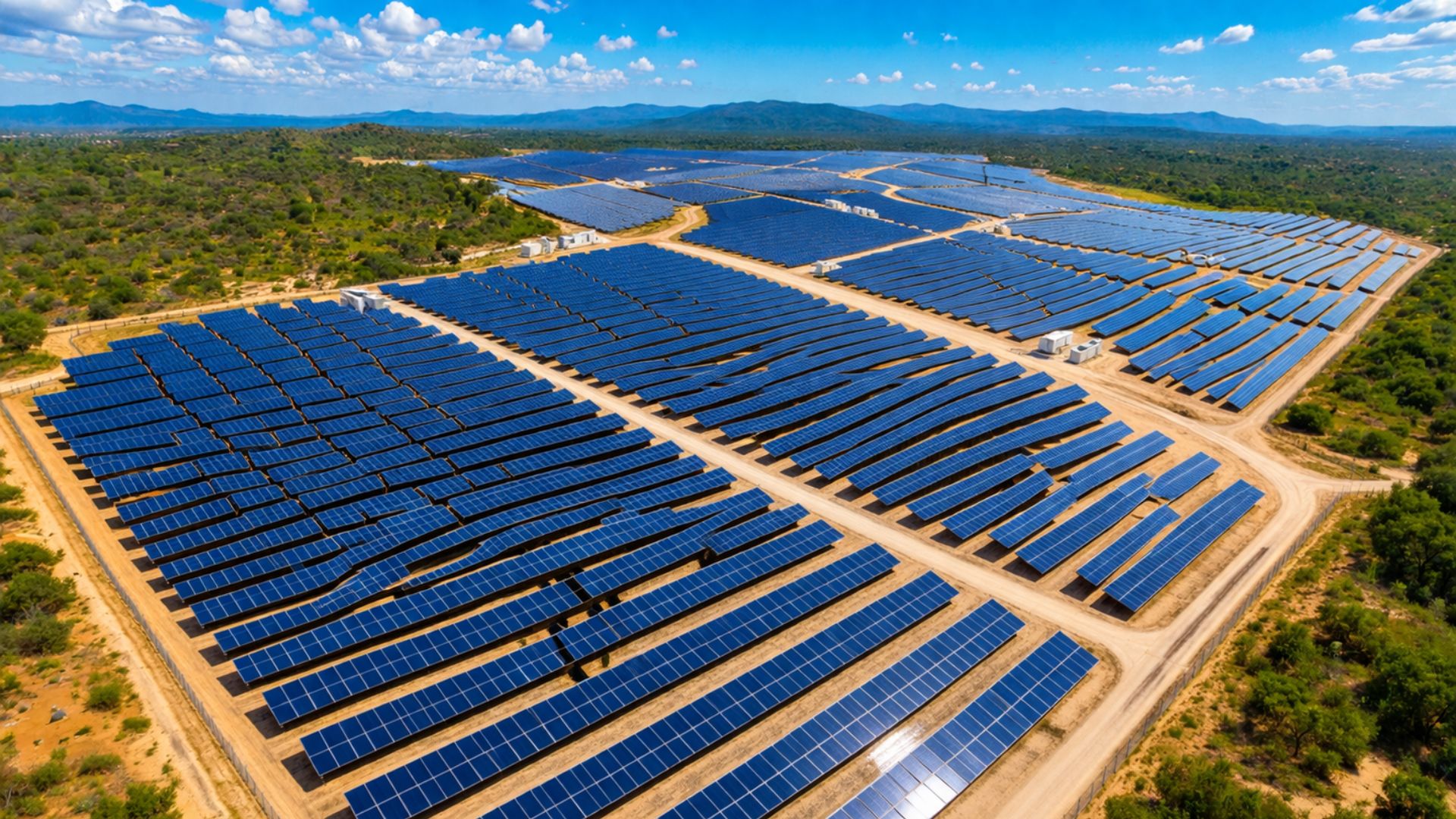
The Sol do Agreste Photovoltaic Complex begins operations in Pernambuco and accelerates the expansion of solar energy in Brazil, directly impacting the reduction of emissions and strengthening the sustainable energy matrix.
-
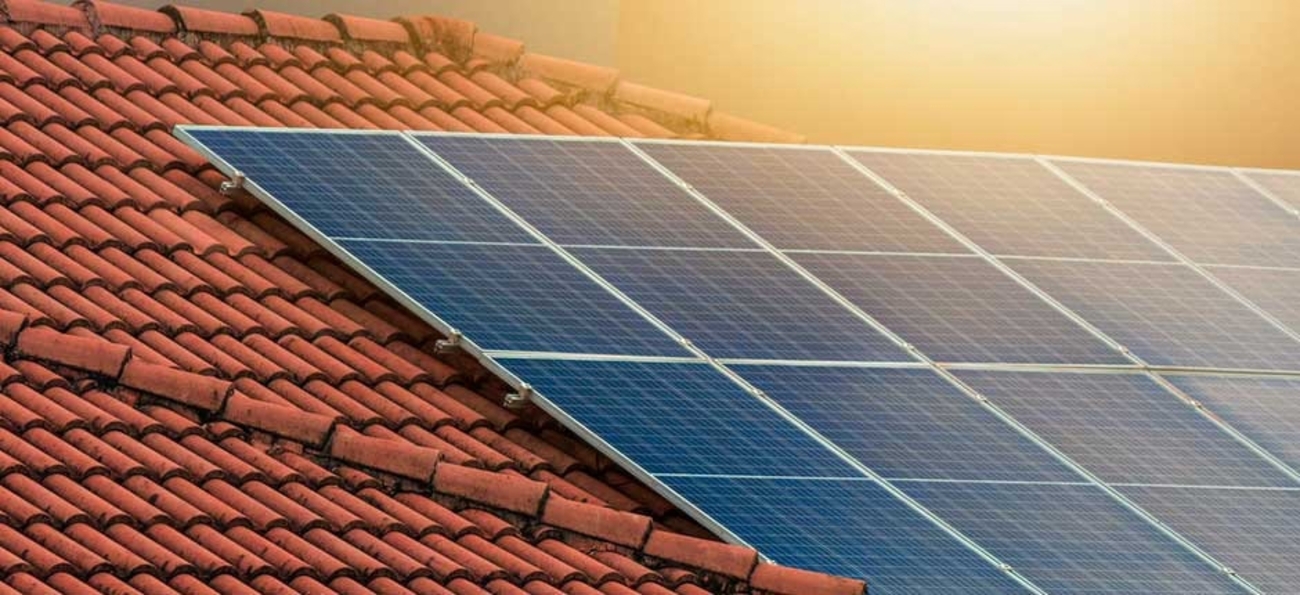
Roraima bets on the sun to escape high tariffs: Amid the energy crisis and price hikes, solar energy is growing in Roraima and transforming consumption in the North region.
-
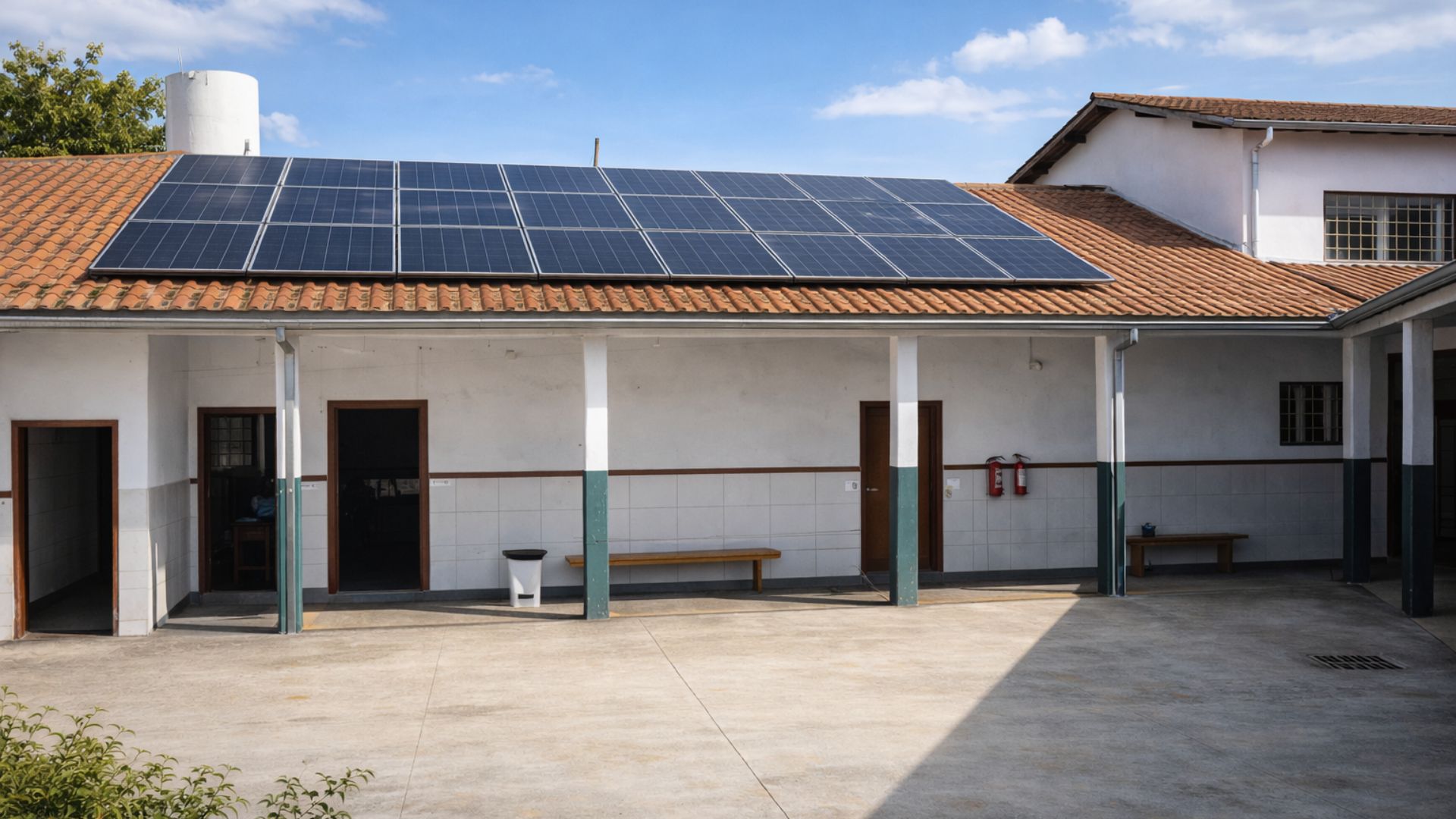
Copel boosts solar energy in Paraná and brings innovation to public schools, promoting savings on electricity bills, energy efficiency, and a direct impact on the quality of education.
-
Brazil reaches historic milestone in solar energy: Sector surpasses 2 million accumulated green jobs and generates billions in the national economy even under market pressure.
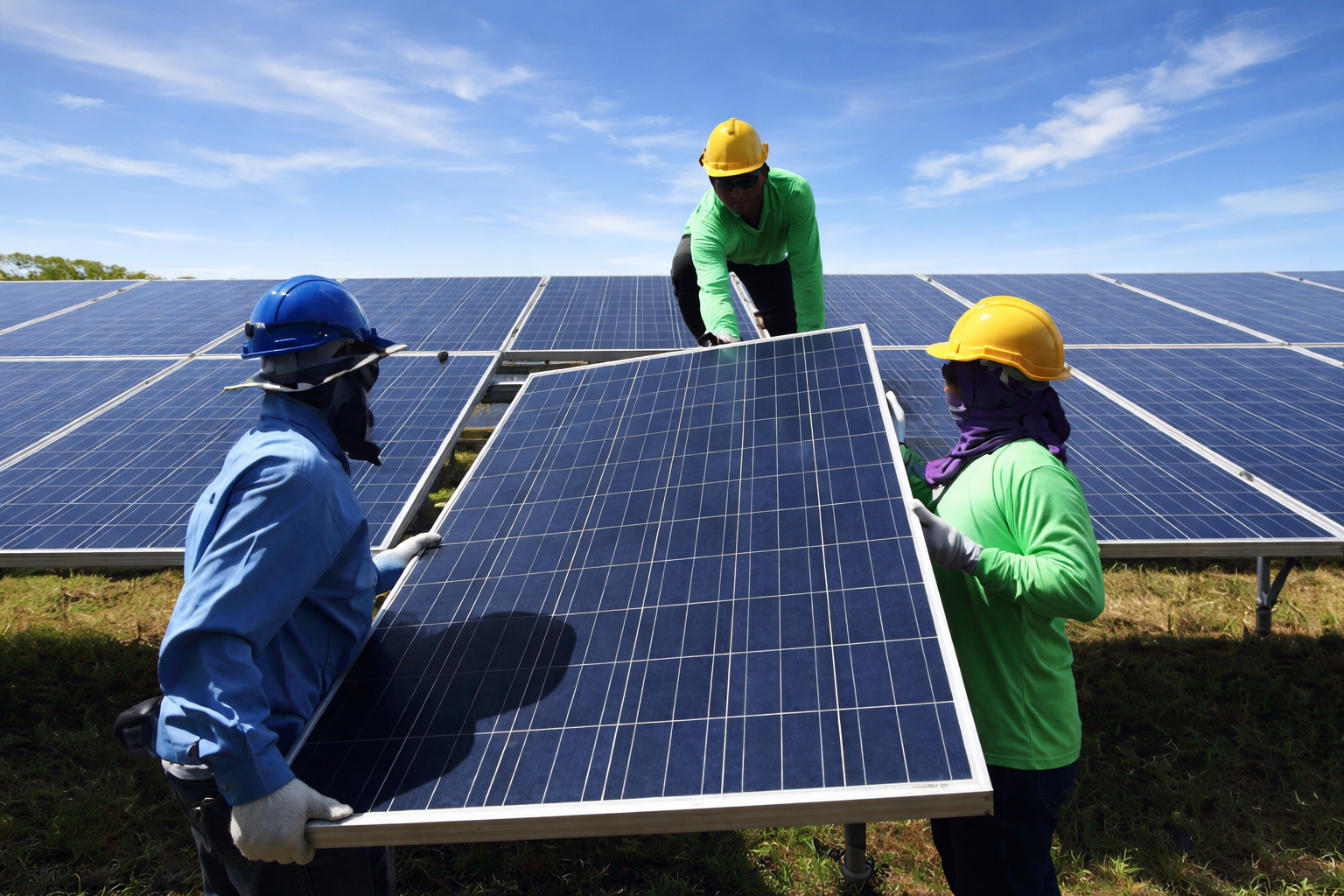

This result reflects the continuous expansion of the installed capacity of centralized solar plants, in addition to the technological maturation of the sector. Solar energy has shown greater operational predictability, contributing to its growing relevance in meeting the load of the SIN.
Moreover, the increase in photovoltaic production reinforces the diversification of the electric matrix, reducing dependence on sources more sensitive to climatic variations, such as hydropower and wind.
Behavior of Sources Reinforces Strategic Role of Solar Energy, According to CCEE
While photovoltaic generation recorded consistent growth, other sources showed distinct behaviors. Thermal plants experienced a 31.2% increase, indicating more dispatch to ensure the security of the electric system.
On the other hand, hydropower generation declined 4.6%, while wind energy saw a decrease of 5.3% in the same half. This scenario highlights the importance of the record advancement of solar energy, which acts as a balancing factor during periods of lower hydric and wind contributions.
According to CCEE, the complementarity among sources is increasingly essential to maintaining system stability, especially in light of climate changes and growing demand during certain times of the year.
Total Generation of SIN Declines Despite the Record Advancement of Photovoltaic Generation
Despite the positive performance of solar energy, the total generation of the National Interconnected System amounted to 74,578 MW average in the first half of December. This volume represents a 1.6% decrease compared to the same period the previous year.
This data reinforces that the record advancement of photovoltaic generation already exerts a relevant impact, but is still not sufficient to fully offset the retrenchment of sources with a historically greater weight in the matrix, such as hydropower.
Still, the trend observed by CCEE indicates that the share of solar energy in the total generated is consistently growing, gradually reducing the volatility of the Brazilian electric system.
Energy Consumption Displays Retraction, Points Out CCEE Study
The analysis by CCEE also points to a decline in electricity consumption in the SIN during the first half of December. The decrease was 1.0%, considering that the data are still affected by incomplete measurements.
In the Free Contracting Environment (ACL), consumption showed a significant drop of 6.9%, while the Regulated Contracting Environment (ACR) recorded growth of 3.3%. This behavior reveals changes in the consumption profile, especially among large industrial consumers.
The expansion of solar energy, including distributed generation, also influences these numbers by reducing net demand on the centralized system, altering the traditional dynamics of electricity consumption.
Regional Analysis Reinforces the Record Advancement of Solar Energy in the Country
The regional data from CCEE show that the behavior of consumption and generation varied significantly among states. Amapá (15.7%), Pará (7.9%), and Acre (7.6%), all in the North region, recorded the highest increases.
On the other end, Bahia (-11.1%), Tocantins (-10.6%), and Rondônia (-8.0%) experienced the steepest declines. These differences reflect economic, climatic, and structural factors, as well as the uneven pace of expansion of photovoltaic generation in the various regions of the country.
The advancement of solar energy tends to reduce these asymmetries over time, especially with new investments in infrastructure and transmission.
Economic Sectors Maintain Trend of Decline in Consumption, According to CCEE
In the evaluation by activity sectors, CCEE points out that the overall trend of retraction in consumption persists. The sectors of telecommunications (-22.3%), services (-16.6%), and chemicals (-14.4%) recorded the largest declines in the first half of December.
Conversely, the segment of metallic mineral extraction was the only one to show growth, with an increase of 8.4%. CCEE emphasizes that this data is still strongly impacted by incomplete measurements, which necessitates caution in analysis.
Even amid this scenario, the performance of photovoltaic generation remains robust, reinforcing the resilience of solar energy against economic fluctuations.
Record Advancement of Photovoltaic Generation Signals New Cycle for Solar Energy
The growth of 13.9% of photovoltaic generation in the first half of December demonstrates that solar energy has entered a new level in Brazil. The record advancement observed by CCEE is not an isolated event, but part of a long-term structural trend.
The solar source combines economic competitiveness, operational predictability, and environmental benefits, becoming increasingly central to the country’s energy strategy. Even in a context of total generation and consumption retraction, solar energy continues to advance.
The data from CCEE reinforces that photovoltaic generation is already playing a decisive role in balancing the electric system and in building a more diversified, secure, and sustainable matrix for the coming years.








-

Uma pessoa reagiu a isso.